

Executive Overview
In a milestone achievement for pediatric neuropsychiatry, a Stanford Medicine-led research team has identified three distinct biological brain types—commonly referred to as biotypes—underlying attention-deficit/hyperactivity disorder (ADHD), anxiety disorders, or dual diagnoses in children. Published recently in the prestigious journal Nature Mental Health, this landmark investigation leverages advanced artificial intelligence and thousands of functional magnetic resonance imaging (fMRI) scans to dismantle traditional diagnostic frameworks.
For decades, clinicians have relied almost exclusively on subjective behavioral checklists and symptom inventories to diagnose and manage childhood mental health disorders. However, ADHD and anxiety frequently co-occur, sharing overlapping behavioral symptoms that obscure their underlying neurobiology. This clinical ambiguity often forces a frustrating game of trial-and-error when prescribing medications and therapies, leaving young patients and their families waiting months for relief.
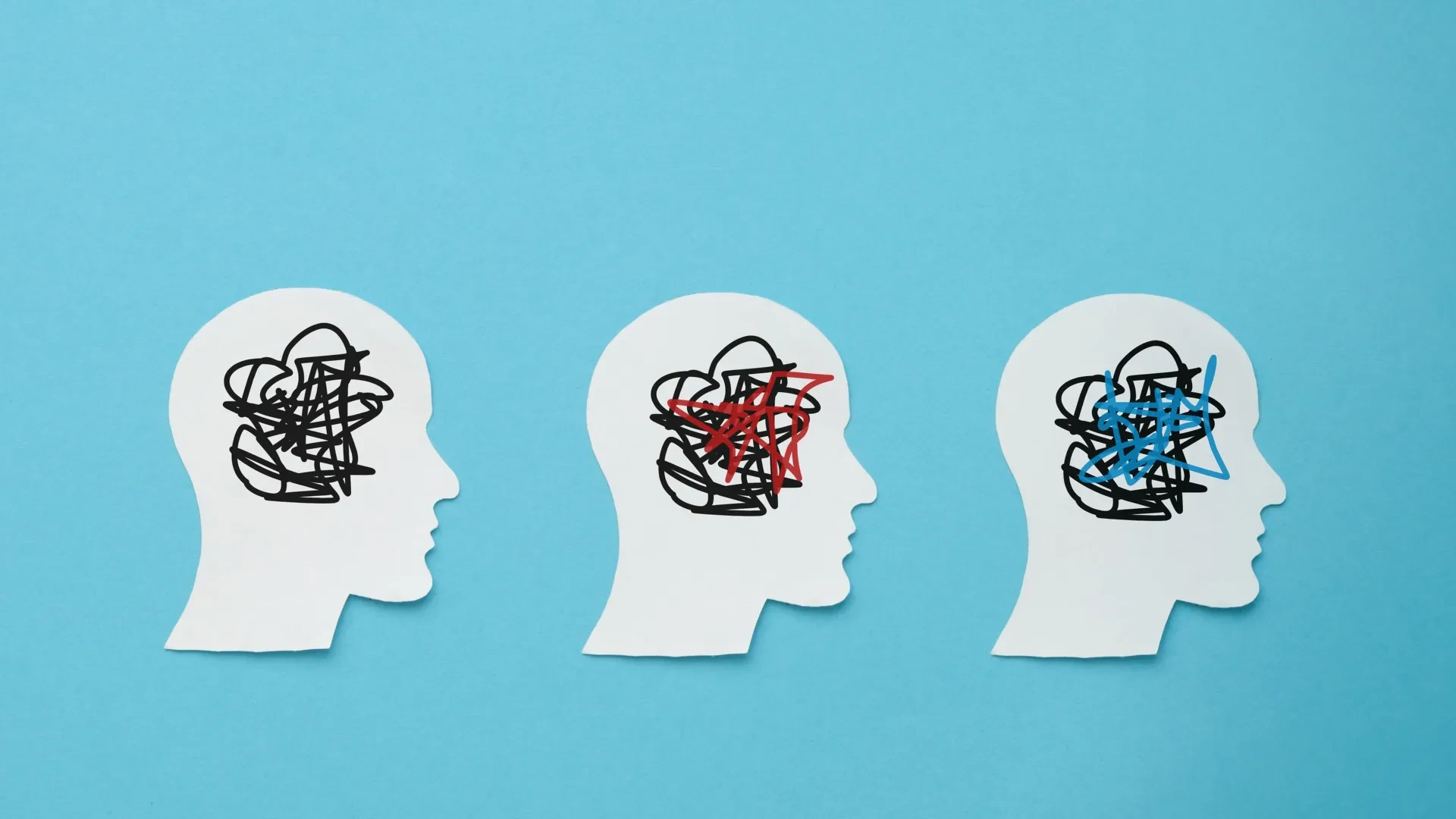
The newly uncovered biotypes reveal that these conditions are driven by disruptions in distinct, measurable brain circuits rather than neatly boxed diagnostic labels. By categorizing patients into three specific neural profiles—the externalizing-disinhibited biotype, the internalizing-distressed biotype, and the mixed biotype—researchers have laid the foundational architecture for objective, biomarker-driven diagnostics. Even more remarkable, the study discovered that these neural signatures are detectable before clinical symptoms fully manifest and formal diagnoses are rendered. This revelation heralds a transformative shift toward early interception, precise patient stratification, and personalized therapeutic interventions that could fundamentally reshape pediatric mental healthcare for generations to come.
Detailed Chronology and Research Methodology
The journey toward reshaping our understanding of childhood neurodevelopmental and psychiatric disorders began years before its publication in Nature Mental Health. It required a massive, multi-institutional pooling of resources, cutting-edge artificial intelligence, and rigorous cross-validation cohorts to decode the complex architecture of the developing brain.
Assembling the Data: The ABCD Study and Healthy Brain Network
To capture a statistically robust and diverse representation of pediatric brain development, the research team tapped into the Adhesives Brain Cognitive Development (ABCD) study, an ongoing, nationwide longitudinal investigation tracking more than 11,000 children across the United States. Participants entered this ambitious tracking project when they were just 9 or 10 years old.
The primary analytical cohort comprised:
- 3,508 children who already possessed a formal clinical diagnosis of ADHD, anxiety, or both conditions upon enrollment.
- 693 children who entered the study without either diagnosis but subsequently developed ADHD, anxiety, or both over the course of observation.
- 1,947 neurotypical control children who never received a diagnosis of either disorder throughout the study period.
Every single participant underwent comprehensive functional magnetic রহমান imaging (fMRI) scans to map resting-state and task-based brain connectivity. Alongside these neuroimaging sessions, participants completed an exhaustive battery of cognitive and behavioral assessments.
To ensure the integrity, generalizability, and clinical reliability of their discoveries, the researchers subjected their findings to independent validation. They examined brain scans from an additional 224 pediatric participants drawn from a completely separate research initiative known as the Healthy Brain Network. Every child in this validation group carried an independent clinical diagnosis of ADHD or an anxiety disorder.
AI and Functional Connectivity: Uncovering Hidden Neural Signatures
Untangling the overlapping web of ADHD and anxiety required computing power far beyond traditional statistical methods. The research team developed sophisticated artificial intelligence (AI) and machine learning models designed to analyze functional connectivity—the intricate ways in which geographically distinct regions of the brain communicate and synchronize their activity.
By feeding diagnostic data, behavioral test scores, and fMRI imaging vectors into the AI model, the algorithm successfully mapped patterns of brain connectivity unique to children struggling with ADHD, anxiety, or both, contrasting them against the control group.
This computational integration isolated two major dimensions of neurological and behavioral dysfunction:
- Cognitive-Behavioral Dysfunction
- Emotion-Attention Dysfunction
When these two overarching dimensions interacted across various neural networks, they gave rise to three distinct, mutually exclusive biological categories. Each child fit squarely into one of these categories, termed by the research team as:
- The Externalizing-Disinhibited Biotype
- The Internalizing-Distressed Biotype
- The Mixed Biotype
Crucially, these biotypes shattered the traditional boundaries of clinical classification. While certain biological patterns showed a higher statistical prevalence among children with specific symptom profiles, every combination of brain biotype and conventional clinical diagnosis appeared within the study cohort. A child diagnosed with ADHD, for instance, could belong to any of the three brain biotypes, proving that standard diagnostic labels mask profound underlying neurobiological diversity.
Supporting Context and Metrics: Dissecting the Biotypes
To fully grasp the clinical implications of this study, one must examine the specific behavioral phenotypes, neural circuit disruptions, and diagnostic correlations associated with each of the three newly identified biotypes.
| Biotype Name | Dominant Behavioral Traits & Symptoms | Associated Clinical Diagnoses | Primary Neural & Cognitive Dimension |
|---|---|---|---|
| Externalizing-Disinhibited Biotype | Impulsivity, hostility, defiance, aggression, rule-breaking behavior | More frequently diagnosed with ADHD | High cognitive-behavioral dysfunction; localized circuit disconnections affecting impulse control. |
| Internalizing-Distressed Biotype | Feelings of guilt, excessive tension, perfectionism, elevated anxiety, and depression symptoms | More frequently diagnosed with Anxiety Disorders | High emotion-attention dysfunction; hyper-connectivity or hypo-connectivity within affective processing networks. |
| Mixed Biotype | Severe attention deficits, chronic irritability, self-injury behaviors | More frequently diagnosed with ADHD (alongside secondary anxiety traits) | Overlapping dimensions of both cognitive-behavioral and emotion-attention dysfunctions. |
Breaking Down the Clinical Manifestations
- The Externalizing-Disinhibited Group: Children categorized within this neural profile typically present with behavioral challenges that disrupt classrooms and home environments. Traits such as impulsivity, aggressive outbursts, and a propensity for breaking rules dominate their clinical presentation. Statistically, traditional ADHD diagnoses were heavily concentrated in this group, mapping onto underlying disruptions in brain circuits responsible for executive control and behavioral inhibition.
- The Internalizing-Distressed Group: In stark contrast, children in this biological bracket suffer internally. They exhibit heightened emotional vulnerability, persistent guilt, paralyzing perfectionism, and deep-seated tension. Symptoms characteristic of generalized anxiety and adolescent depression are hallmarks of this biotype. Unsurprisingly, children assigned traditional anxiety diagnoses were most frequently linked to this neural signature, which involves malfunctioning emotional regulation circuits.
- The Mixed Group: Representing a complex clinical challenge, children in the mixed biotype struggle across multiple domains. They exhibit severe attention deficits alongside profound irritability and, in some cases, self-injurious behaviors. Like their peers in the externalizing group, these children frequently carry an ADHD diagnosis, but their neural wiring reflects a more intricate, compounding disruption of both attention and emotional processing networks.
Official Statements and Expert Perspectives
The paradigm-shifting nature of these findings has drawn widespread praise from the neuroscientific community, highlighting the collaborative effort required to bridge advanced computational data science with practical clinical psychiatry.
Dr. Yu Zhang, PhD, assistant professor of psychiatry and behavioral sciences at Stanford Medicine and co-senior study author, emphasized how deeply historical diagnostic frameworks have limited scientific progress.
"The high overlap between ADHD and anxiety actually hinders our understanding of the neurobiology underlying traditional, symptom-based diagnoses," Dr. Zhang stated.
Reflecting on the clinical reality faced by pediatricians, Dr. Zhang noted that children walking into clinics rarely present with neat, textbook symptoms of a single condition.
"We wanted to know whether the biological differences among children with ADHD and anxiety follow the diagnostic labels used in the clinic," Dr. Zhang explained. The discovery that biology transcends these rigid labels confirms that psychiatric nosology must evolve.
Dr. Yong Jiao, PhD, a postdoctoral scholar at the University of Iowa and the study’s lead author, alongside co-senior author Dr. Jing Jiang, PhD, assistant professor of pediatric neurology at the University of Iowa, played instrumental roles in steering the multi-institutional analysis. Their work ensures that the AI models successfully reconciled vast datasets without succumbing to algorithmic bias.
Addressing the most surprising aspect of the research—the detection of these brain biotypes in children before they received a formal clinical diagnosis—Dr. Zhang offered an optimistic vision for early childhood intervention:
"We think this means we may be able to use the biotypes as an early indicator of these conditions. It could help us provide more timely intervention for these conditions and slow down or, we hope, even reverse their progression."
Future Outlook: Toward Personalized Psychiatry
While the identification of three distinct brain biotypes represents a monumental leap forward, the researchers stress that these biological classifications are not intended to instantly replace conventional, symptom-based psychiatric diagnoses. Instead, the future of pediatric mental healthcare lies in the synergistic integration of both approaches.
Overcoming the Trial-and-Error Treatment Paradigm
At present, finding an effective pharmacological or behavioral intervention for a child struggling with ADHD or anxiety involves a painstaking, emotionally taxing process of trial and error. When a clinician prescribes a new medication, the timeline for evaluating efficacy is notoriously sluggish.
"When doctors prescribe a new medication, it can take quite a long time—a couple of weeks or months—to see a response," Dr. Zhang noted. "If the first medication doesn’t work, they switch to a different one."
For a developing child, enduring months of ineffective medication trials can lead to academic regression, social isolation, and demoralization. By incorporating objective neuroimaging and AI-derived biotypes into clinical workflows, medical professionals hope to bypass this iterative guessing game.
The Road Ahead: Biomarkers and Clinical Trials
The ultimate goal for the Stanford-led research collaborative is the discovery and validation of actionable biomarkers. Future clinical trials built directly upon these findings will investigate how specific pharmacological agents and psychotherapeutic interventions interact with distinct patterns of functional brain connectivity.
By mapping therapeutic responses to the externalizing-disinhibited, internalizing-distressed, and mixed biotypes, researchers aim to establish definitive guidelines for precision medicine in psychiatry.
"We want to find biomarkers that can really inform the right treatment at the right time," Dr. Zhang concluded.
As this research advances from academic journals to clinical application, it carries the promise of a new era in mental health—one where a child’s brain scan can illuminate a clear, individualized pathway toward healing, resilience, and long-term well-being long before symptoms spiral out of control.
Institutional Acknowledgments & Funding Sources
This collaborative research endeavor was conducted by scientists affiliated with premier institutions, including Stanford University’s Wu Tsai Neurosciences Institute, the Stanford Institute for Human-Centered AI, the University of Iowa, the University of Texas at Austin, and the University of Pennsylvania Perelman School of Medicine.
Financial support for the investigation was provided by grants from the National Institutes of Health (including R01MH129694, R01MH136197, R01MH145082, R01MH140425, U24AA021697, R01DA057567, R37MH101495, and R01MH132784), alongside generous contributions from the Eagles Autism Foundation, the Stanford Knight Initiative for Brain Resilience, the Rosenkranz Foundation, the Brain and Behavior Research Foundation, and the Effie and Wofford Cain Foundation.
