

Executive Overview
In a pioneering epidemiological investigation that threatens to reshape our understanding of environmental toxicology, researchers at the University of Southern California (USC) have linked two lesser-known "forever chemicals" to a substantially elevated risk of developing liver cancer. Published in the journal Environmental Health Perspectives, the landmark study breaks new ground by shifting the scientific spotlight away from legacy contaminants like PFOA and PFOS. Instead, it highlights the insidious role of replacement per- and polyfluoroalkyl substances (PFAS)—specifically PFHpA and PFNA—which have largely evaded strict regulatory scrutiny while accumulating quietly in human populations worldwide.
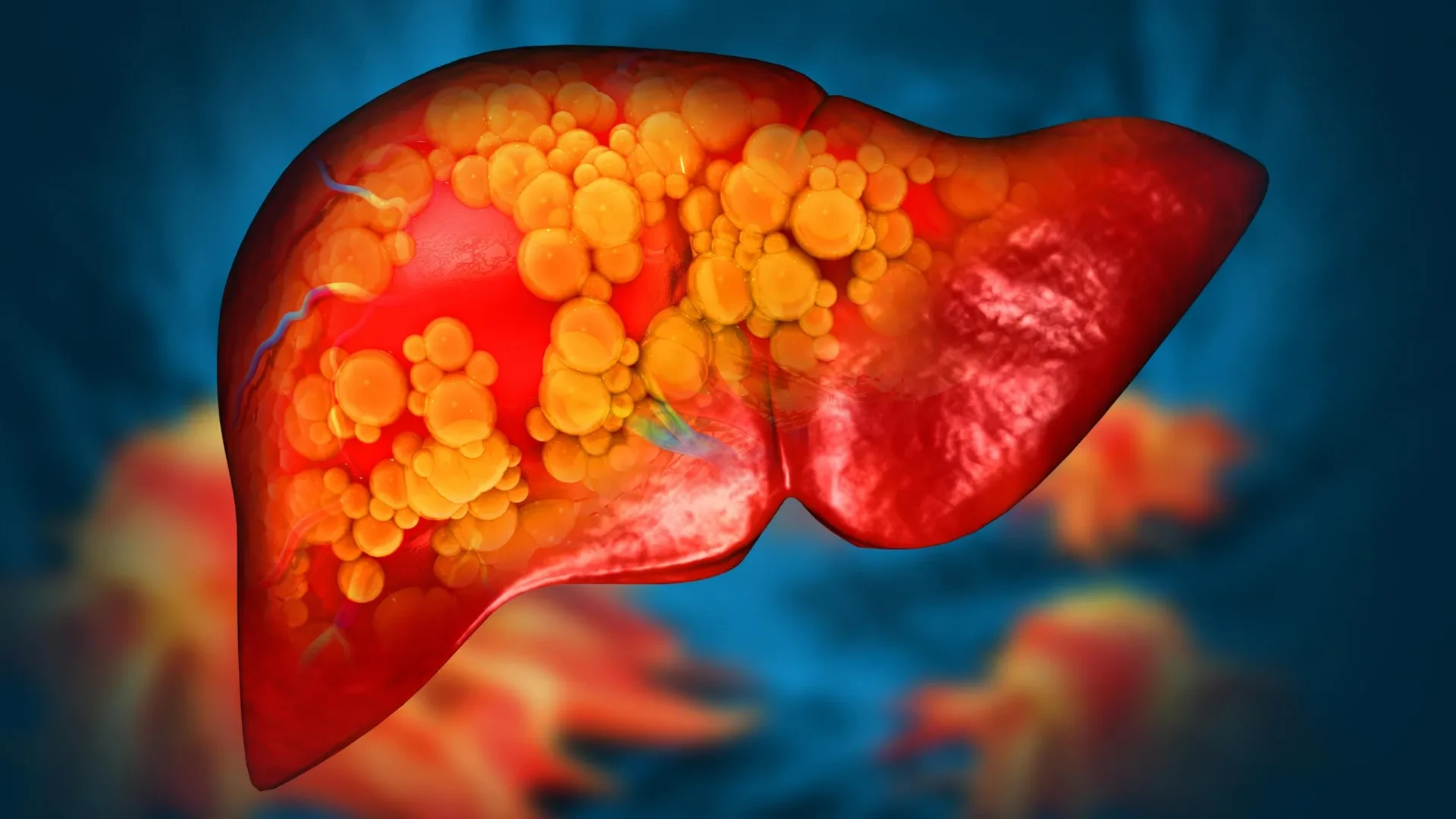
The stakes could hardly be higher. Hepatocellular carcinoma (HCC), the most common form of primary liver cancer, is notoriously aggressive, carrying a grim five-year survival rate of less than 20%. Compounding this public health crisis is the rapid surge of metabolic dysfunction-associated steatotic liver disease (MASLD), more commonly known as fatty liver disease, which has quickly become the fastest-growing underlying cause of HCC.
By analyzing decades-old blood samples from a uniquely diverse participant pool, the USC research team uncovered a terrifying synergistic dynamic: individuals with an inherited genetic predisposition to fatty liver disease who also experience high exposure to these overlooked chemicals face a dramatic "two-hit" vulnerability. Those whose exposure to PFHpA or PFNA ranked in the top 25 percent exhibited between two and two-and-a-half times the odds of developing liver cancer compared to those in the lowest exposure bracket.
With PFAS contamination already detected in roughly half of all U.S. municipal water systems and traceable in the blood of 99 percent of the global population, these findings transform an abstract environmental concern into an urgent, actionable medical warning. Far from being an academic exercise, the study offers a blueprint for early detection, personalized risk mitigation, and a wholesale reevaluation of how global regulatory bodies assess chemical safety.
Detailed Chronology & Methodology: Unlocking Decades-Old Biological Archives
To comprehend how these synthetic chemicals influence long-term cancer development, the USC research team had to solve a fundamental methodological challenge: how to study a disease that takes decades to manifest without waiting decades for results. The answer lay in leveraging one of the most powerful epidemiological resources in the world—the Multiethnic Cohort Study (MEC).
The Power of the Multiethnic Cohort
Established in the 1990s, the MEC has methodically tracked more than 215,000 participants from richly diverse racial and ethnic backgrounds living across California and Hawaii. Crucially, the cohort preserves biological samples taken long before any participants showed signs of illness. This longitudinal architecture allowed researchers to peer backward in time, evaluating chemical exposures that preceded clinical diagnoses by many years.
For this specific investigation, the scientific team executed a case-control design rooted in the MEC archives:
- The Case Group: Blood samples from 223 participants who subsequently developed hepatocellular carcinoma (HCC). On average, these blood draws had been collected 7.8 years before their eventual cancer diagnosis.
- The Control Group: Blood samples from 223 demographically matched individuals who did not develop liver cancer, serving as a baseline comparator.
Measuring the Invisible Burden
Using advanced analytical chemistry, the researchers quantified concentrations of 12 distinct PFAS compounds within these historical blood fractions. While many compounds were tracked, statistical modeling zeroed in on two substances that emerged with terrifying clarity: PFHpA (perfluoroheptanoic acid) and PFNA (perfluorononanoic acid).
The researchers then incorporated a sophisticated genetic layer into their analytical model. By evaluating multiple genetic variations linked to fat metabolism, the team calculated a polygenic risk score for each participant. This score estimated an individual’s inherited susceptibility to fatty liver disease, allowing the scientists to cross-reference genetic vulnerability against chemical exposure levels.
The results were striking. When the team analyzed the data across genetic strata, they discovered that the association between PFHpA exposure and liver cancer was profoundly amplified among individuals with a high genetic predisposition to fatty liver disease. Conversely, among individuals with low genetic susceptibility, the statistical association between PFHpA and cancer vanished. The biological machinery governing fat processing in the liver, it seemed, acted as a gatekeeper—or a catalyst—for environmental toxicity.
Supporting Context & Metrics: The Ubiquity of "Forever Chemicals" and the Mechanics of Toxicity
To understand the gravity of the USC findings, one must grasp the sheer ubiquity and chemical resilience of per- and polyfluoroalkyl substances. Synthesized extensively since the mid-20th century for their water-, grease-, and heat-resistant properties, PFAS are woven into the fabric of modern life. They coat nonstick cookware, waterproof outdoor apparel, stain-resistant carpets, fast-food wrappers, and specialized firefighting foams used at military bases and airports.
Why They Are Called "Forever Chemicals"
The defining characteristic of the PFAS family is the strength of the carbon-fluorine bond—one of the toughest bonds in organic chemistry. Because these molecules resist thermal, chemical, and biological degradation, they refuse to break down in natural environments. Instead, they cycle endlessly through soil, groundwater, and the food chain.
The human toll of this chemical persistence is staggering:
- 99%: The estimated percentage of the global human population carrying measurable concentrations of PFAS in their bloodstream.
- 50%: The approximate fraction of U.S. drinking water systems in which measurable PFAS contamination has been officially detected.
- Years to Decades: The biological half-life of many PFAS compounds, meaning they accumulate and linger in human tissues long after initial exposure ends.
The Biological Pathway to Cancer
For decades, toxicological research has focused heavily on broad systemic issues linked to PFAS, including thyroid hormone disruption, immune system suppression, elevated cholesterol, and kidney disease. However, the connection to liver cancer represents a particularly insidious mechanism.
The liver acts as the body’s primary chemical processing plant, filtering blood and breaking down nutrients, fats, and toxins. Scientists suspect that when PFAS molecules enter the liver, they disrupt the complex metabolic pathways required to process and clear lipids. This chemical interference encourages fat to build up within hepatocytes (liver cells), accelerating the progression of metabolic dysfunction-associated steatotic liver disease (MASLD).
Over time, chronic fat accumulation drives inflammation, cellular damage, fibrosis, and ultimately, malignant transformation. As lead author Dr. Jesse Goodrich aptly summarizes, the body suffers a devastating "two-hit" sequence: first, an inherited genetic vulnerability in how the liver handles fats, and second, an environmental onslaught of chemical pollutants that accelerates fat storage and cellular toxicity.
Official Statements & Expert Perspectives
The publication of this study has sent ripples through the environmental health and oncology communities, prompting strong statements from the study’s principal investigators regarding the blind spots in current chemical regulation and the urgent need for systemic reform.
Rethinking Legacy vs. Replacement Chemicals
For years, public scrutiny and regulatory crackdowns have centered almost exclusively on older, "legacy" PFAS compounds, most notably perfluorooctanoic acid (PFOA) and perfluorooctanesulfonic acid (PFOS). Under intense pressure, manufacturers voluntarily phased out or reduced the production of these specific chemicals, often replacing them with newer alternatives assumed to be safer because they possessed shorter carbon chains or cleared the body slightly faster.
Dr. Vaia Lida Chatzi, senior author and professor of population and public health sciences and pediatrics at the Keck School of Medicine of USC, challenges this reassuring narrative directly:
"PFOA and PFOS have received much of the scientific and regulatory attention; however, they represent only a small part of the PFAS family. Our findings show why we need to look beyond those legacy compounds. We can miss important associations with liver health if we study only the chemicals we already know best."
This sentiment is echoed by lead author Dr. Jesse Goodrich, who points out the precarious irony of replacing one poorly understood chemical family with another:
"The concerning thing about our results is that the strongest associations were not in the most studied legacy PFAS. They are among the newer PFAS, and we don’t have much information about their effect on human health."
Importantly, the USC findings do not exist in a vacuum. The results for PFHpA serve as independent, robust confirmation of a separate study published just two months prior by the National Cancer Institute, which similarly flagged an association between exposure to the chemical and liver cancer.
A Focus on Actionable Prevention
Despite the alarming nature of the findings, the USC research team emphasizes that the discovery is fundamentally empowering rather than fatalistic. Because liver cancer outcomes depend heavily on early detection, understanding the interplay between genes and environment opens entirely new avenues for preventative medicine.
Dr. Goodrich highlights the practical steps individuals can take based on this emerging science:
"Our study actually provides something that is actionable. You can make lifestyle and diet changes, and there are certain types of water filters you can put in that can reduce exposure. And if you have the information on genetic susceptibility, that could also provide additional evidence for things that you could do to mitigate risk."
The research itself represents the inaugural publication from a dedicated USC Norris Comprehensive Cancer Center program investigating the carcinogenic potential of PFAS. Backed by a $3.4 million grant from the National Cancer Institute (NCI) and the National Institute of Environmental Health Sciences (NIEHS), the program is designed to protect vulnerable populations through rigorous, community-informed science.
Co-senior author Dr. V. Wendy Setiawan, professor of population and public health sciences and medicine, underscores the broader community impact of the work:
"This first paper from our NIH-funded study is an important step. Drawing on the diverse Multiethnic Cohort, it adds to the evidence that some PFAS may be associated with liver cancer. We hope this work will help build the evidence needed to reduce harmful exposures and inform prevention efforts for diverse communities."
Future Outlook: The Road Ahead for Environmental Oncology
The publication of the USC study marks a watershed moment, but it is far from the final word. The research team is already laying the groundwork for expansive follow-up investigations designed to interrogate the lifelong cumulative burden of environmental toxins.
Broadening the Toxicological Lens
Future phases of the NIH-funded research program will expand beyond PFAS to examine complex chemical mixtures. In the real world, human beings are rarely exposed to a single contaminant in isolation; rather, they swim in a chemical soup of heavy metals, pesticides, plasticizers, and industrial solvents. Understanding how these diverse pollutants interact within the human body—particularly within metabolic organs like the liver—will be the defining challenge of environmental toxicology in the coming decades.
Transforming Clinical Practice and Public Policy
On a clinical level, the integration of polygenic risk scores with environmental exposure profiling points toward a future of truly personalized hepatology. Patients identified as having a high genetic predisposition to fatty liver disease could soon be screened for specific blood-borne chemical burdens, allowing physicians to recommend targeted interventions—such as specialized granular activated carbon or reverse osmosis water filtration systems, dietary modifications, weight management, and rigorous ultrasound surveillance—long before malignant nodules can form.
On a regulatory level, the message to policy-makers is unequivocal: chemical management policies can no longer afford to play an endless game of whack-a-mole, banning one legacy compound only to allow unvetted replacement chemicals to flood consumer markets. By exposing the hidden dangers of compounds like PFHpA and PFNA, the USC study provides regulatory agencies with the empirical ammunition required to mandate comprehensive, class-based restrictions on all per- and polyfluoroalkyl substances.
As science continues to peel back the layers of our chemically altered environment, the imperative becomes clear. Protecting public health requires not only treating disease after it strikes, but aggressively unmasking the invisible pollutants that compromise our biological defenses from within—ensuring that the water we drink and the products we rely upon no longer carry a hidden price tag of chronic illness.
