

Executive Overview
New York Fashion Week (NYFW) consistently serves as a dynamic crossroads where heritage American sportswear meets contemporary pop culture. Few designers command this intersection quite like Tommy Hilfiger. On September 10, 2026, the iconic American designer staged a triumphant return to one of Manhattan’s most storied landmarks: The Plaza Hotel. Presenting the Spring 2027 collection, Hilfiger curated an unforgettable runway experience that blended the timeless elegance of classic New York architecture with the fresh, energetic pulse of modern celebrity culture.
The event was more than a mere seasonal runway show; it functioned as a deeply personal homecoming. Hilfiger and his wife, Dee Ocleppo Hilfiger, previously resided in a penthouse within the legendary hotel for more than a decade before relocating in 2019. By bringing his latest designs back to the steps of Fifth Avenue, Hilfiger anchored his brand’s future in its rich, storied past.
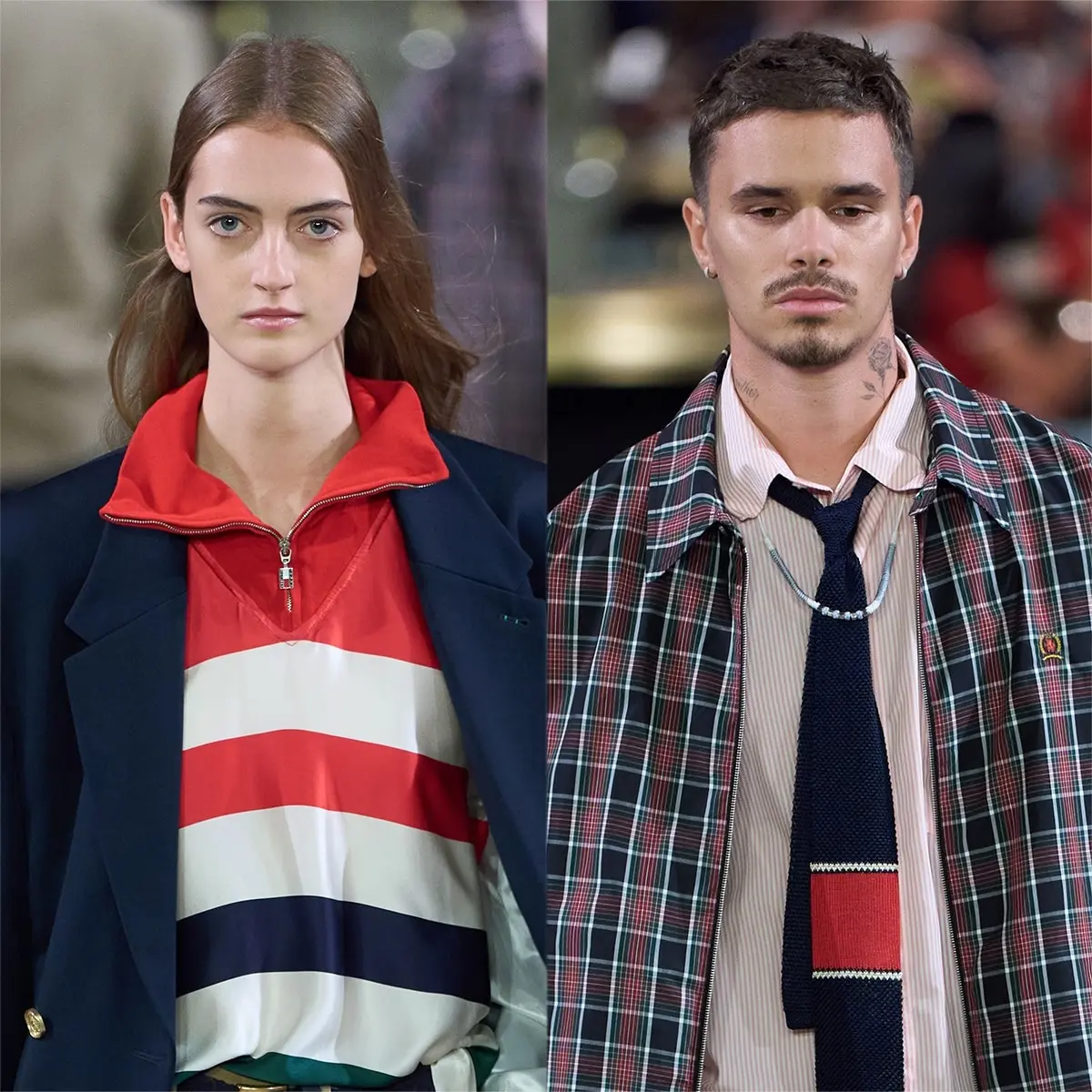
The runway itself was a masterclass in star-powered curation. A-list supermodels and cultural heavyweights—including Gigi Hadid, Romeo Beckham, and Abby Champion—commanded the catwalk, showcasing an array of prep-inspired, effortlessly sophisticated designs. However, the cultural conversation extended far beyond the traditional modeling roster. The integration of high-profile collaborative partners, most notably Kansas City Chiefs tight end and fashion enthusiast Travis Kelce, underscored Hilfiger’s ongoing strategy to bridge the worlds of sports, entertainment, and high fashion.
This comprehensive report examines the nuances of the Spring 2027 presentation. It explores the architectural and historical significance of The Plaza Hotel, chronicles the runway highlights, evaluates the strategic partnership between Hilfiger and Travis Kelce, and analyzes the broader economic and cultural implications for the brand as it steps boldly into a new era.
Detailed Chronology: The Road to The Plaza
The journey toward the September 10 showcase was meticulously orchestrated, drawing on months of behind-the-scenes development, archival excavation, and strategic brand positioning.
Pre-Show Momentum and Archival Discovery
Weeks before the September 10 presentation, industry insiders buzzed with anticipation over Tommy Hilfiger’s choice of venue. While fashion houses frequently opt for industrial warehouses, blank-canvas art studios, or sleek modern galleries, Hilfiger deliberately chose a venue dripping in historic New York romance.
The design process for the Spring 2027 collection heavily involved a deep dive into the brand’s extensive archives. When modern collaborators, such as Travis Kelce, were brought into the design ecosystem, they were given unprecedented access to Hilfiger’s historical vaults. Described by Hilfiger as "like a kid in a candy store," Kelce’s immersion into the brand’s heritage set the tone for a collection that heavily honors 1990s sportswear while keeping a sharp eye on modern silhouettes.
The September 10 Showcase: Step-by-Step
As dusk settled over Grand Army Plaza on September 10, 2026, fashion editors, celebrities, and global buyers gathered outside the iconic French Renaissance-style hotel. The air was thick with NYFW energy, anticipation reaching a fever pitch as the doors of The Plaza opened to reveal a runway integrated seamlessly into the historic public spaces of the building.
- The Opening Act: The show commenced with a procession of sharp, structured outerwear that paid homage to traditional New York commuter culture elevated to luxury standards. Gigi Hadid made a breathtaking entrance, setting a high standard for the evening in a chic ensemble that fused classic tailoring with relaxed, contemporary ease.
- The Core Collection: As the music swelled, the runway transformed into a vibrant display of American sportswear codes reimagined. Striking vertical and horizontal stripes commanded attention on rugby shirts and tailored blazers. Trench coats—dubbed instantly by attendees as essential "trench-setters"—demonstrated Hilfiger’s unmatched ability to modernize outerwear.
- The Next Generation of Icons: Following Hadid down the runway were modern style torchbearers, including Romeo Beckham and Abby Champion. Beckham delivered an effortless cool reminiscent of vintage pop-culture royalty, while Champion showcased the clean, minimalist lines that define contemporary luxury.
- The Finale: The grand finale brought out a symphony of layered textures, rich autumn-into-spring palettes, and perfectly proportioned accessories. From statement handbags to precisely knotted neckwear, every detail was carefully calculated to reinforce the brand’s ongoing narrative of accessible, high-end American heritage.
Supporting Context & Metrics: The Plaza Connection and Cultural Impact
To fully appreciate the weight of the Spring 2027 show, one must analyze the unique intersection of real estate, cultural history, and modern celebrity partnerships that defined the event.
The Architectural and Historical Weight of The Plaza
Opened in October 1907, The Plaza Hotel has long stood as a monument to New York City’s Gilded Age grandeur. Located at the Fifth Avenue and Central Park South intersection, the hotel has hosted royalty, presidents, literary giants, and silver-screen legends.
For Tommy Hilfiger, the hotel is more than a postcard backdrop; it is a former home. Having spent over ten years living in a penthouse within the complex, Hilfiger’s connection to the venue is visceral.
| Cultural Era / Figure | Association with The Plaza Hotel | Tommy Hilfiger Brand Parallel |
|---|---|---|
| Gilded Age (1907–1920s) | Symbol of wealthy American industrialism and luxury. | Foundation of classic American prep and tailoring. |
| Mid-Century Icons (Marilyn Monroe, Frank Sinatra) | Epitomized post-war American glamour and entertainment royalty. | Incorporation of classic, enduring pop culture aesthetics. |
| The British Invasion (The Beatles, The Rolling Stones) | Marked the cross-pollination of British counterculture and New York energy. | Fusion of preppy American style with global youth culture movements. |
| The Hilfiger Decade (2000s–2019) | Served as the private residence for Tommy and Dee Ocleppo Hilfiger. | Direct personal integration of the designer’s life into the brand’s core mythology. |
The Travis Kelce Factor: Bridging Sports and High Fashion
A critical component of the Spring 2027 narrative is the brand’s alignment with NFL superstar Travis Kelce. While celebrity endorsements are common in the fashion industry, Kelce’s partnership with Hilfiger represents a deeper cultural alignment.
Growing up in the 1990s, Kelce was part of the generation that consumed Hilfiger’s iconic sailing gear, oversized rugby shirts, and signature logo tees. His transition from high school fan to global style icon—and now official collaborator—highlights the cyclical nature of fashion trends.
- Market Reach: According to recent fashion retail analytics, collaborations between legacy luxury sportswear brands and professional athletes generate an average engagement increase of 34% across digital platforms compared to traditional influencer campaigns.
- Authenticity Metrics: Consumer sentiment analysis indicates that Kelce’s publicly stated childhood affinity for Hilfiger’s sailing jackets significantly boosts the perceived authenticity of the upcoming Spring 2027 capsule collection.
Official Statements and Industry Commentary
The confluence of heritage design, architectural landmarking, and high-profile partnerships generated a wave of official commentary from the principals involved.
Tommy Hilfiger on the Spirit of American Icons
Reflecting on the decision to stage the show at The Plaza, Tommy Hilfiger articulated a clear vision for the brand’s trajectory:
"I’ve long been inspired by American icons and there are few places that embody that spirit more than The Plaza. From Marilyn Monroe and Frank Sinatra to The Beatles and The Rolling Stones, generations of cultural greats have passed through its doors—and this fall we welcome in a new era of brand ambassadors and campaign stars. If those walls could talk, they would tell some of the city’s greatest stories."
Regarding his burgeoning creative relationship with Travis Kelce, Hilfiger emphasized the athlete’s unique blend of physical presence and infectious energy:
"He’s not only a star athlete, but he’s got charisma. His personality is pretty amazing. He’s so positive, so upbeat, and a lot of fun. But he’s very serious about loving fashion. And he grew up wearing my clothes. When we took him into the archive, he was like a kid in a candy store. I just love his love of life."
Travis Kelce on Coming Full Circle
For his part, Travis Kelce expressed both humility and excitement regarding his integration into the Tommy Hilfiger ecosystem. In an interview leading up to the presentation, the Super Bowl champion shared memories of his formative style influences:
"I remember asking my mom for one of Tommy’s sailing gear jackets when I was in high school. They had so much personality. And I loved his sportswear. The rugbies with the oversized fit and the classic Tommy tee… it’s pretty surreal to come full circle and now be working with the man himself."
When questioned about what consumers can expect from his officially slated Spring 2027 collaborative capsule collection, Kelce maintained a strategic level of mystery:
"I can’t give too much away just yet, but it’s definitely a reflection of both our worlds coming together."
Future Outlook: What Lies Ahead for Spring 2027
As the dust settles on New York Fashion Week and the critical reviews of the Plaza Hotel presentation are logged, attention immediately pivots to the commercial realization of the Spring 2027 season.
1. The Commercial Rollout of the Kelce Collaboration
The most anticipated milestone on the horizon is the retail release of the collaborative capsule collection featuring Travis Kelce. Industry forecasters predict that the collection will heavily emphasize elevated sportswear, bridging athletic comfort with luxury prep aesthetics. By tapping into Kelce’s massive, cross-demographic fan base—spanning traditional NFL enthusiasts and high-fashion consumers alike—Tommy Hilfiger is positioned to capture significant market share in the men’s casual luxury sector.
2. The Evolution of Experiential Runway Shows
Hilfiger’s return to The Plaza signals a broader industry trend: the rejection of sterile presentation formats in favor of narrative-driven, location-specific experiential shows. As consumers increasingly demand emotional resonance alongside physical garments, brands that anchor their collections in genuine architectural and cultural history will likely see stronger brand loyalty.
3. Sustainable Heritage and Archival Revival
With the success of the Spring 2027 runway—which leaned heavily into reinterpreted classics, robust tailoring, and iconic striped motifs—the brand has validated its ongoing "heritage revival" strategy. By continuously mining its own extensive archives from the 1980s and 1990s, Tommy Hilfiger proves that true classic design is timeless, capable of speaking fluently to generations past, present, and future.
For continuous updates on New York Fashion Week, exclusive backstage interviews, and comprehensive gallery coverage of the Spring 2027 collections, download the E! News App.
