

Executive Overview
For decades, the standard textbook definition of the immune system’s initial response to trauma has cast neutrophils in a strictly utilitarian light. Long dismissed as the blunt instruments of biological cleanup—cellular foot soldiers that swarm damaged tissue primarily to phagocytize debris, neutralize pathogens, and then quietly die off—these abundant white blood cells have now been thrust to the vanguard of regenerative medicine.
A groundbreaking international study led by researchers at the Center for Regenerative Therapies Dresden (CRTD) at TU Dresden, working alongside the Cluster of Excellence Physics of Life and the Centre for Discovery Brain Sciences at the University of Edinburgh, has completely rewritten our understanding of these early responders. Spearheaded by lead author Xiaobo Tian and directed by Professor Thomas Becker, the research reveals that a specialized subgroup of neutrophils performs a much more sophisticated and vital task: they act as master conductors of the immune orchestra.
Rather than merely clearing the battlefield, these specialized neutrophils help coordinate the broader immune response, steering it away from a destructive, hyper-inflammatory state and toward an environment uniquely hospitable to tissue regeneration. The linchpin of this biological pivot is a signaling molecule known as Interleukin-4 (IL-4).
When the research team—utilizing the translucent larval zebrafish as a premier vertebrate model for spinal cord regeneration—inactivated this specific group of neutrophils, the consequences were catastrophic for tissue recovery. The immune response plummeted into a state of acute, unmitigated chaos. Without the regulatory influence of neutrophil-derived IL-4, secondary immune cells unleashed a torrential cascade of hyper-inflammatory proteins. This toxic microenvironment prevented the zebrafish from regrowing severed nerve fibers, ultimately leaving them paralyzed and unable to recover normal motor function.
Conversely, when the investigators reintroduced IL-4 directly into the injury site of neutrophil-depleted zebrafish, the therapeutic effect was immediate and profound. Inflammation subsided to manageable levels, and the spinal cords regenerated flawlessly, enabling the delicate neural tracts to bridge the lesion and restore full movement.
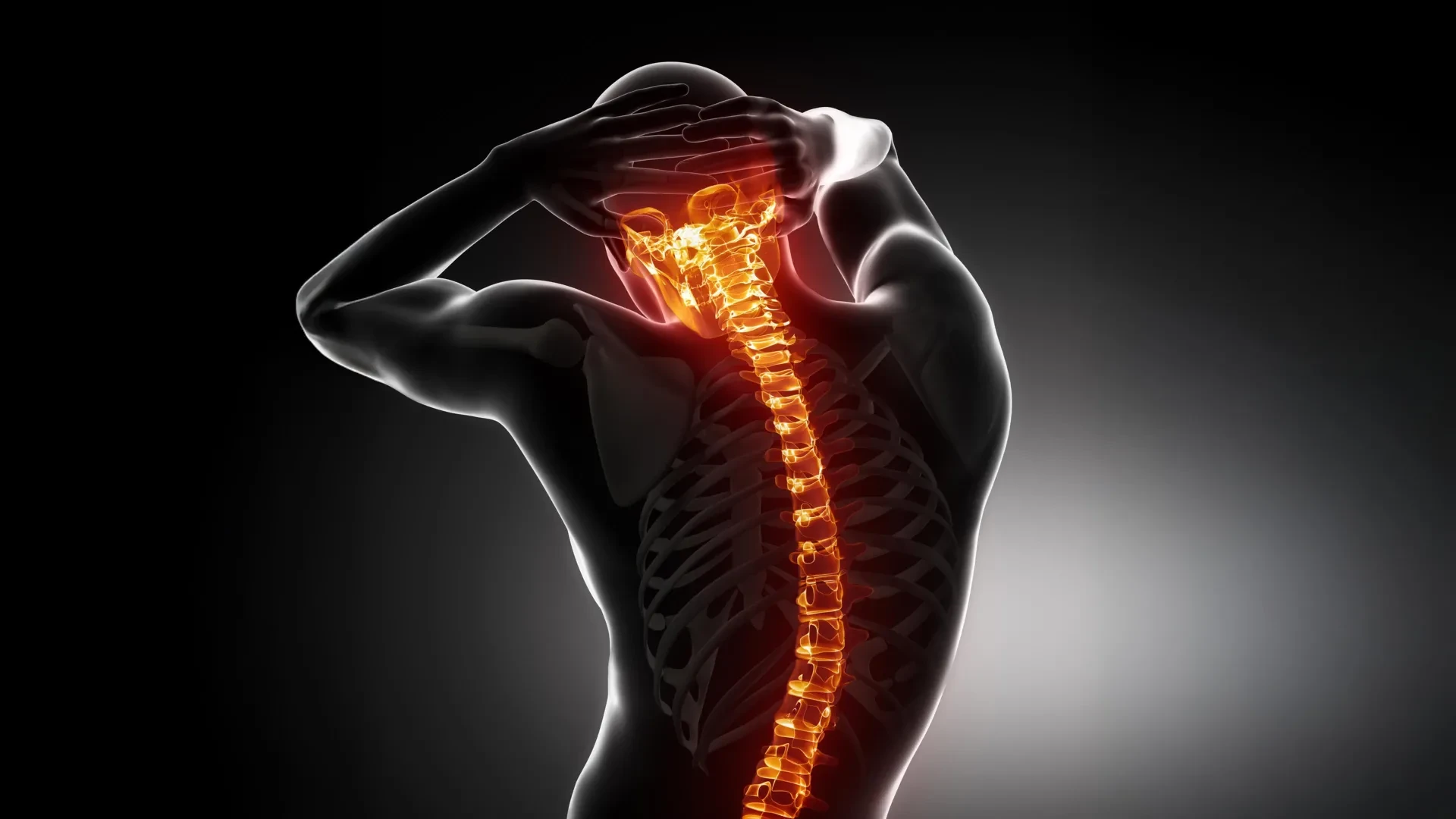
This monumental discovery bridges a longstanding chasm in neurobiology: the fundamental puzzle of why lower vertebrates like zebrafish can effortlessly repair severe central nervous system (CNS) trauma while mammalian species, including humans, are left with permanent scar tissue and irreversible paralysis. By identifying IL-4 as a master regulator of neuro-inflammation, the study opens a revolutionary therapeutic avenue. It suggests that human spinal cord injuries might not be untreatable due to an inherent inability of human neurons to grow, but rather because our immune systems lack the precise, harmonious conductor needed to calm the inflammatory storm and pave the way for healing.
Detailed Chronology of the Discovery
To appreciate the significance of the Dresden-Edinburgh team’s findings, one must trace the meticulous experimental architecture that led from a casual observation of cellular migration to a paradigm-shifting revelation in neuro-immunology.
Phase I: Re-evaluating the First Responders
The investigation began with a critical reappraisal of neutrophil kinetics following trauma. In both humans and model organisms, neutrophils are invariably the first immune cells to infiltrate a wound site, arriving within minutes to hours. Historically, immunology viewed this wave of immigration with apprehension; while necessary for warding off infection, prolonged neutrophil presence was frequently correlated with collateral tissue damage driven by the release of reactive oxygen species and degradative enzymes.
Professor Thomas Becker’s team hypothesized that viewing neutrophils purely as destructive or passive entities ignored the evolutionary sophistication of the immune system. They suspected that within the heterogeneous pool of neutrophils arriving at a spinal cord lesion, a specialized functional subset might exist—cells primed not to destroy, but to signal, modulate, and protect.
Phase II: The Zebrafish Model and the Spinal Cord Lesion
To test this hypothesis, the researchers turned to the larval zebrafish (Danio rerio). In the realm of regenerative biology, the zebrafish is the gold standard for studying CNS repair. Unlike adult mammals, whose spinal cords react to trauma by forming a glial scar that acts as an impassable barrier to regrowing axons, the larval zebrafish possesses an extraordinary capacity to regenerate its spinal cord completely within days of transection, restoring both anatomical continuity and motor function.
Using advanced in vivo imaging techniques that allowed real-time visualization of cellular dynamics in living, transparent animals, the team focused on the immediate post-injury window. They tracked the precise spatial and temporal distribution of neutrophils at the site of complete spinal cord transection, closely monitoring their interactions with other local immune components, such as macrophages and microglia.
Phase III: Genetic and Pharmacological Interventions
To dissect the precise functional contribution of these early neutrophils, the researchers employed a combination of genetic ablation models and pharmacological inhibition. By selectively disabling or depleting the specific subgroup of neutrophils responsible for IL-4 production, the team could observe what happens to a regenerating organism when this cellular conductor is suddenly removed from the orchestra.
The results were swift and dramatic. In the absence of this neutrophil subset, the local immune ecosystem lost its equilibrium. Macrophages and other resident immune cells became hyper-activated, churning out massive, unchecked quantities of pro-inflammatory cytokines. This unchecked inflammatory cascade created a hostile, toxic microenvironment at the lesion core.
When the researchers evaluated the structural outcome on the nervous system, the damage was clear: severed nerve fibers failed to elongate past the lesion site. Growth cones stalled, retracted, and underwent degeneration. Functionally, the zebrafish exhibited pronounced swimming deficits, remaining paralyzed or severely impaired compared to their wild-type counterparts.
Phase IV: The Rescue Experiment
Having demonstrated that the absence of these neutrophils precipitates healing failure, the team sought to identify the specific molecular currency responsible for their protective effects. Through targeted expression profiling and pathway analysis, they zeroed in on Interleukin-4 (IL-4), a cytokine traditionally associated with T-helper 2 (Th2) immune responses and anti-inflammatory tissue repair.
To prove that IL-4 was not merely correlated with healing, but was the indispensable causative agent, the researchers performed a critical rescue experiment. They introduced exogenous IL-4 directly into the spinal cord injury sites of zebrafish that had been depleted of the specialized neutrophils.
The biological transformation was remarkable. Despite the complete absence of neutrophils, the artificial introduction of IL-4 acted as a master switch. It immediately dampened the destructive inflammatory storm, orchestrating a shift in the local immune milieu toward a pro-regenerative state. Consequently, the spinal cords of these neutrophil-deficient fish regenerated perfectly. Axons crossed the injury bridge with precision, re-establishing synaptic connections and restoring full, unhindered swimming capabilities. This established unequivocally that IL-4 is the molecular messenger that transforms neutrophils from mere cleanup crews into essential architects of neural repair.
Supporting Context & Metrics: Decoding the Immune Response
To fully grasp the weight of these findings, it is necessary to examine the physiological mechanics of neuro-inflammation, the unique biology of the zebrafish model, and the quantitative gulf that separates vertebrate regenerative success from human clinical reality.
The Double-Edged Sword of Inflammation
Following any trauma to the central nervous system, the body initiates an immediate inflammatory response designed to clear cellular debris and prevent opportunistic infections. This response is primarily mediated by innate immune cells:
- Neutrophils: Arrive within 0 to 24 hours; clear cellular waste and release initial danger signals.
- Microglia & Macrophages: Arrive within 24 to 72 hours; phagocytize apoptotic cells and secrete cytokines.
While this inflammatory phase is theoretically self-limiting, in the human central nervous system it frequently spirals out of control. The release of pro-inflammatory cytokines—such as Tumor Necrosis Factor-alpha (TNF-$alpha$), Interleukin-1 beta (IL-1$beta$), and Interleukin-6 (IL-6)—triggers secondary tissue damage. This secondary wave expands the initial lesion, killing healthy neurons and oligodendrocytes, and depositing a dense, inhibitory extracellular matrix known as the glial scar.
Comparative Biology: Zebrafish versus Humans
| Biological Parameter | Teleost Fish (Zebrafish) | Mammals (Humans) |
|---|---|---|
| Spinal Cord Regeneration | Complete structural & functional recovery | Incomplete; permanent scar formation |
| Neutrophil Diversity | Presence of specialized pro-regenerative IL-4+ subsets | Predominantly pro-inflammatory phenotypes |
| Extracellular Matrix Response | Supportive, permissive growth bridges | Inhibitory chondroitin sulfate proteoglycans (CSPGs) |
| Axonal Sprouting Capacity | High intrinsic growth capacity + permissive microenvironment | High intrinsic growth capacity, but hostile microenvironment |
As detailed in the comparative matrix above, the primary bottleneck in human spinal cord injury is not a lack of intrinsic axonal growth potential—human neurons can grow, but they are choked by a hostile, chronically inflamed environment. The discovery that neutrophils can be induced to secrete IL-4 to actively suppress this hostility provides a mechanistic blueprint for how mammalian medicine might artificially recreate the zebrafish’s permissive microenvironment.
Official Statements and Expert Insights
The collaborative nature of the study brought together leading minds from Germany and the United Kingdom, blending cutting-edge developmental biology with advanced neuro-immunology.
Professor Thomas Becker, who led the research at the Center for Regenerative Therapies Dresden (CRTD), emphasized the profound philosophical shift this study represents for cellular biology:
"For the first time, we have shown that neutrophils play a massive, active role in successfully repairing a spinal cord," Professor Becker stated during a press briefing following the publication of the findings. "They aren’t just there to clear away debris; they act like conductors that tell other immune cells to return to a harmonious rhythm. Without them, the immune system locks into a destructive cycle and prevents healing. By using the Il-4 molecule, the neutrophils smooth out the inflammation, allowing the delicate nerve fibers to grow right through the injury zone."
Echoing the translational urgency of the discovery, lead author Xiaobo Tian addressed the critical question of evolutionary conservation and the transition from animal models to human clinical trials:
"Of course, the question is to what extent our results apply to humans," Tian noted. "It remains to be seen if Il-4 plays a similar role in humans and whether it can finely balance the inflammation, allowing for better healing at the injury site. It is definitely a very promising avenue for future studies in humans."
The research project itself represents a triumph of international academic cooperation, drawing vital financial and institutional backing from the Chinese Scholarship Council and the Alexander-von-Humboldt Foundation, alongside the infrastructure provided by TU Dresden’s Cluster of Excellence Physics of Life and the University of Edinburgh’s Centre for Discovery Brain Sciences.
Future Outlook: Translating Zebrafish Biology to Human Medicine
The publication of this study marks not the end of a scientific journey, but the opening of an entirely new chapter in translational neurotraumatology. The biomedical research community is now confronted with a clear roadmap—and a formidable set of challenges—on the path toward human clinical applications.
1. Identifying the Human Homolog
The immediate priority for the Dresden-Edinburgh consortium and allied laboratories is to determine whether an equivalent pro-regenerative neutrophil subset exists in human peripheral blood and injury sites. While human neutrophils are known to express receptors for various interleukins, the precise transcriptional signature and activation pathways that prompt human neutrophils to synthesize and release IL-4 following CNS trauma remain unmapped. Single-cell RNA sequencing (scRNA-seq) of immune cells isolated from human trauma cases will be essential to verify this cross-species conservation.
2. Overcoming Delivery and Pharmacokinetic Hurdles
Assuming a similar neutrophil subpopulation exists in humans, harnessing it therapeutically will require sophisticated drug delivery systems. Simply injecting IL-4 systemically into a human patient with a spinal cord injury is clinically unfeasible and potentially hazardous; IL-4 is a potent immunomodulatory cytokine whose systemic elevation can trigger widespread immune suppression, allergic hypersensitivity, and off-target inflammatory complications.
Consequently, bioengineers must develop targeted, localized delivery vehicles—such as biocompatible hydrogels, nanoparticle-eluting scaffolds, or biomaterial bridges implanted directly at the site of human spinal cord lesions during decompressive surgery. These biomaterials could slowly release IL-4 or pharmacologically mimic the precise temporal gradient naturally produced by pro-regenerative neutrophils.
3. Combination Therapies for Chronic Paralysis
Beyond acute trauma interventions, researchers are looking toward combinatorial approaches. In chronic spinal cord injuries, where a mature glial scar has already formed and inflammation has subsided into a chronic, cold scar, IL-4 alone may be insufficient. Future clinical paradigms will likely require a multi-stage approach:
- Phase 1: Enzymatic degradation of the inhibitory glial scar (e.g., using chondroitinase ABC).
- Phase 2: Localized administration of IL-4 or targeted neutrophil modulators to re-establish a pro-regenerative immune climate.
- Phase 3: Administration of neurotrophic factors (such as BDNF or NGF) to stimulate robust axonal elongation across the repaired lesion.
Concluding Remarks
For centuries, medical science viewed the immune system’s violent reaction to spinal cord injury as an immovable obstacle—a scorched-earth policy executed by cellular shock troops that left the central nervous system permanently uninhabitable. The work of Tian, Becker, and their international colleagues shatters this fatalistic dogma. By revealing that neutrophils carry within them the molecular sheet music for biological harmony, this research transforms our understanding of healing. It brings humanity one step closer to transforming the once-impossible dream of spinal cord regeneration into a tangible clinical reality.
