

Executive Overview
For decades, the medical consensus surrounding chronic liver disease rested on a predictable foundation of well-documented risk factors. Physicians evaluating patients for hepatic impairment immediately investigated a standard diagnostic checklist: chronic and heavy alcohol consumption, metabolic dysfunction associated with obesity, type 2 diabetes, high cholesterol, or persistent viral infections such as hepatitis B and C. These pathways accounted for the vast majority of clinical presentations involving liver inflammation, steatosis, and fibrosis.
However, a groundbreaking study published in Liver International by a team of researchers at Keck Medicine of USC suggests that this clinical checklist has been missing a critical, pervasive piece of the puzzle. According to the research, environmental exposure to tetrachloroethylene—widely known as PCE or perchloroethylene—is strongly linked to severe liver damage, independent of traditional behavioral and metabolic risk factors.
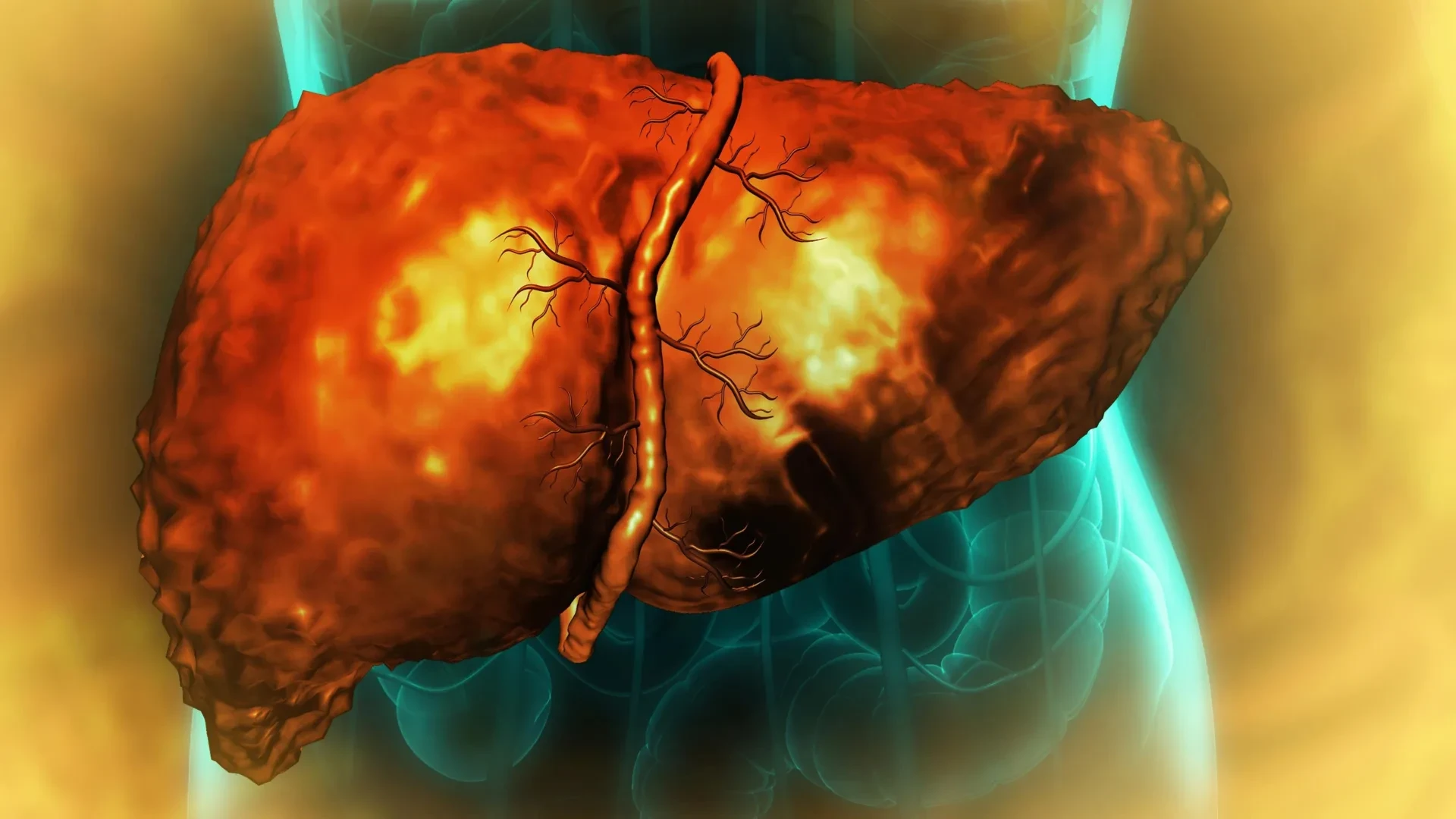
The study reveals that individuals with detectable levels of PCE in their bloodstreams are three times more likely to suffer from significant liver fibrosis, a condition characterized by the progressive accumulation of scar tissue resulting from repeated hepatic injury. If left unchecked, this scarring can severely compromise the organ’s physiological functions, ultimately culminating in terminal liver failure, primary liver cancer, or death. Furthermore, the researchers uncovered a terrifying dose-dependent relationship: as the concentration of PCE in a person’s blood increased, so did the likelihood and severity of significant liver fibrosis.
This investigation sheds light on an unsettling medical mystery: why individuals who maintain immaculate dietary habits, exercise regularly, abstain from alcohol, and display none of the classic metabolic markers can still develop debilitating, unexplainable liver disease. By pointing the spotlight toward synthetic environmental toxins, this research challenges public health frameworks and urges the medical community to re-evaluate how environmental medicine intersects with everyday hepatology.
Detailed Chronology
Uncovering the Environmental Link
The journey toward this discovery began as hepatologists and transplant specialists at Keck Medicine of USC sought answers for a subset of patients presenting with advanced liver fibrosis who lacked any of the conventional risk factors. Traditional paradigms could not explain why demographic profiles identical in diet, weight, and alcohol intake yielded vastly different hepatic health outcomes.
To investigate whether environmental toxins could be driving these anomalies, lead author Dr. Brian P. Lee, MD, MAS, a hepatologist and liver transplant specialist, spearheaded an analysis utilizing data from the National Health and Nutrition Examination Survey (NHANES). This comprehensive, nationally representative health survey of the United States population provided the vehicle needed to cross-reference chemical exposure markers with clinical health outcomes.
Analyzing the Data: 2017–2020
The research team zeroed in on biological and health data collected between 2017 and 2020—the most recent years for which the necessary chemical biomonitoring data were available for adults aged 20 and older. By examining blood serum measurements, the researchers discovered that approximately 7% of the general U.S. population carried detectable levels of PCE in their bloodstreams.
When researchers cross-referenced these chemical levels with diagnostic indicators of liver health, a striking pattern emerged. Patients with measurable PCE exposure were three times more likely to present with significant liver fibrosis than their unexposed counterparts. Crucially, this statistical association remained robust and unchanged even after researchers rigorously adjusted for confounding demographic variables, including age, sex, race, ethnicity, and educational attainment.
The Dose-Dependent Threat
Digging deeper into the metrics, the Keck Medicine team evaluated the concentration gradients of the chemical within the human body. The findings were alarming: for every single nanogram per milliliter increase in blood PCE concentration—where one nanogram represents a mere billionth of a gram—the odds of an individual developing significant liver fibrosis skyrocketed five-fold. This clear dose-response gradient provided compelling evidence that PCE was not merely present alongside liver disease, but was actively acting as a potent hepatotoxin.
Supporting Context & Metrics
What is PCE and Where Is It Found?
Tetrachloroethylene is a synthetic, colorless liquid prized in industrial and commercial chemistry for its exceptional ability to dissolve grease, oils, and fats. Because of this chemical property, it became a cornerstone solvent in the dry-cleaning industry, as well as an ingredient in a diverse array of consumer products, including arts and crafts adhesives, specialized spot removers, and stainless steel polishes.
Human exposure to PCE occurs primarily through two major pathways: inhalation and water contamination.
- Inhalation: Individuals frequently encounter PCE by breathing it into their lungs. Freshly dry-cleaned clothing, for instance, can gradually off-gas and release residual amounts of the chemical into surrounding living spaces, closets, and vehicles over extended periods.
- Groundwater Contamination: Industrial spills, historical improper disposal methods, and leaking storage tanks can allow PCE to seep through soil layers and infiltrate underground aquifers, contaminating municipal and private drinking water wells.
Socioeconomic Ironies of Exposure
The NHANES data analysis revealed an unexpected sociological twist regarding who is most frequently exposed to the chemical. Counter to assumptions that environmental toxins exclusively impact economically depressed communities, researchers found that individuals from higher-income households were statistically more likely to harbor detectable levels of PCE in their blood.
Dr. Lee explained this counterintuitive finding through lifestyle and occupational lenses. Individuals belonging to higher-income brackets tend to utilize commercial dry-cleaning services with greater frequency, thereby increasing their cumulative domestic exposure to the solvent. Conversely, workers employed directly within dry-cleaning facilities face the highest risks of all, enduring prolonged, high-concentration, occupational exposures on a daily basis.
Regulatory Context and Carcinogenic Classifications
Concerns regarding the safety profile of tetrachloroethylene are far from novel. For years, public health agencies have scrutinized the chemical due to its systemic toxicity. The International Agency for Research on Cancer (IARC) classifies PCE as a probable human carcinogen, linking long-term exposure to heightened risks of bladder cancer, multiple myeloma, and non-Hodgkin lymphoma. Previous academic literature had also tentatively linked PCE to increased risks of primary liver cancer.
In response to mounting toxicological evidence, the United States Environmental Protection Agency (EPA) initiated a comprehensive 10-year phaseout plan to eliminate the use of PCE in commercial dry cleaning. Furthermore, the agency has prohibited several other legacy consumer applications and instituted stringent workplace exposure protections. Nevertheless, millions of people worldwide continue to encounter the chemical through legacy contamination, remaining commercial applications, and imported goods originating from nations lacking comparable environmental restrictions.
Official Statements
The implications of the Keck Medicine of USC study have reverberated across the fields of environmental health and hepatology, prompting prominent researchers to call for a sweeping reassessment of clinical diagnostic protocols.
"This study, the first to examine the association between PCE levels in humans and significant liver fibrosis, underscores the underreported role environmental factors may play in liver health," stated Dr. Brian P. Lee, lead author of the study and a hepatologist and liver transplant specialist at Keck Medicine.
"The findings suggest that exposure to PCE may be the reason why one person develops liver disease while someone with the exact same health and demographic profile does not."
Dr. Lee emphasized that the study directly addresses a confounding clinical scenario frequently encountered in hepatology clinics:
"Patients will ask, ‘How can I have liver disease if I don’t drink and I don’t have any of the health conditions typically associated with liver disease?’ And the answer may very well be PCE exposure."
Addressing the broader landscape of environmental toxicology, Dr. Lee noted that PCE is likely just the tip of the iceberg:
"No doubt there are other toxins in our environment besides PCE that are dangerous to the liver. We hope our research will help both the public and physicians understand the connection between PCE exposure and significant liver fibrosis. If more people with PCE exposure are screened for liver fibrosis, the disease can be caught earlier, and patients may have a better chance of recovering their liver function."
Future Outlook
The publication of this research in Liver International marks a paradigm shift in how the medical community conceptualizes hepatic health, bridging the historical gap between environmental toxicology and clinical gastroenterology. While the current study establishes a powerful epidemiological association rather than a direct cellular mechanism of causation, the sheer magnitude of the risk increase demands urgent follow-up investigation.
Implications for Clinical Practice
In the wake of these findings, medical professionals are advocating for a transformation in patient intake evaluations. Physicians may soon need to incorporate detailed environmental and occupational exposure histories—inquiring about dry-cleaning habits, proximity to industrial sites, and water sources—into routine clinical assessments, particularly for patients presenting with unexplained liver enzyme elevations or cryptogenic liver fibrosis. Early screening for fibrosis among high-risk populations could allow clinicians to implement lifestyle adjustments, chemical avoidance strategies, and monitoring protocols long before irreversible hepatic damage occurs.
Horizons for Toxicological Research
Looking forward, the research team at Keck Medicine of USC hopes to catalyze a broader wave of scientific inquiry into environmental hepatotoxins. Future studies are expected to examine a wider array of synthetic chemicals, volatile organic compounds, and heavy metals to determine their cumulative or synergistic impacts on human liver tissue.
As regulatory bodies continue to tighten restrictions on industrial solvents like PCE, the intersection of public health policy and clinical medicine will play an increasingly vital role in safeguarding populations. By unmasking hidden environmental threats, modern medical research is providing patients and doctors alike with the critical tools needed to solve previously unanswerable medical mysteries and protect the fundamental building blocks of human health.
