

Executive Overview
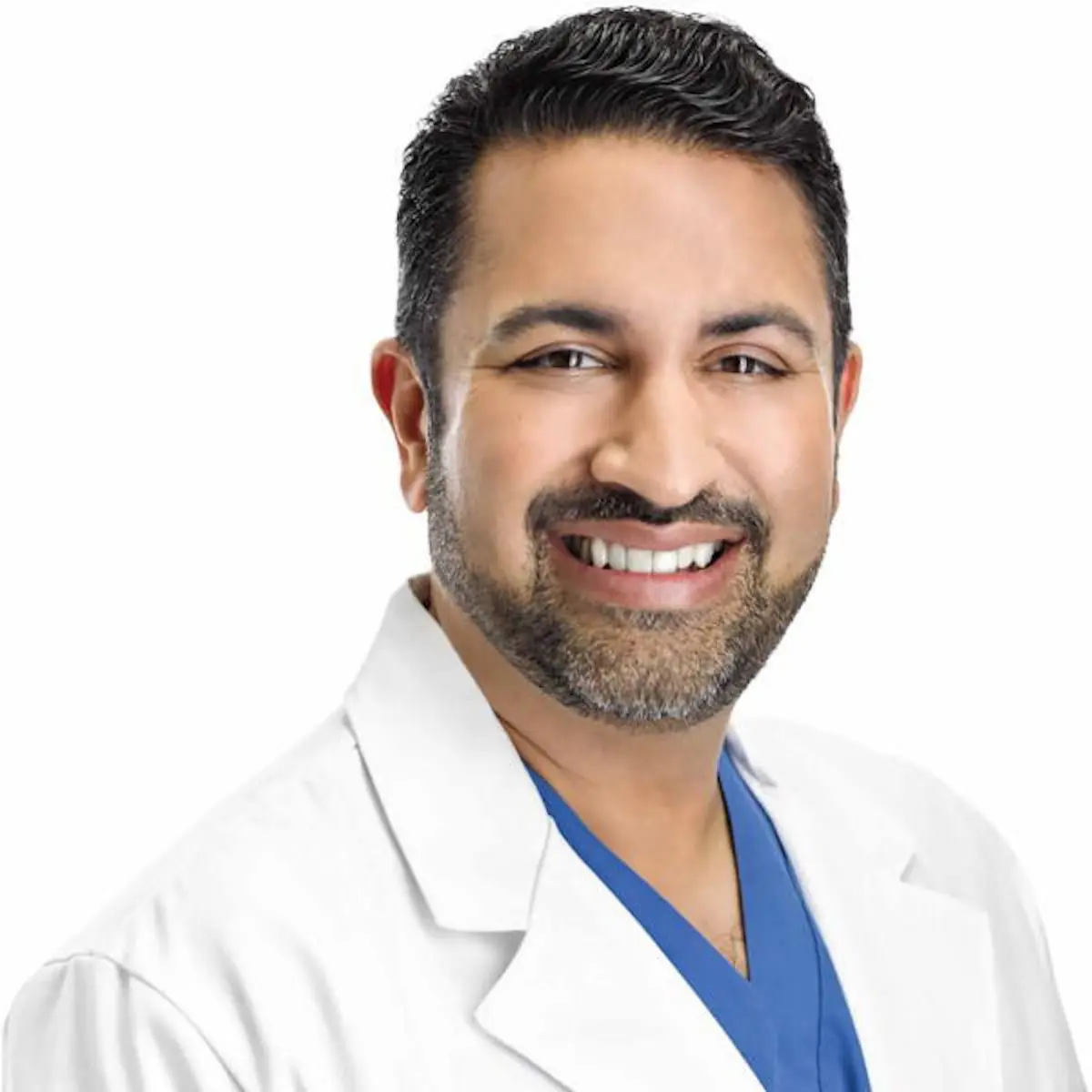
The global healthcare landscape is at a critical inflection point. For decades, the conventional medical paradigm has operated on a reactive framework: patients fall ill, present symptoms, and receive pharmaceutical or surgical interventions to manage the disease. Yet, this system—often described as "sick care" rather than healthcare—is buckling under the weight of chronic illness, clinician burnout, and widespread patient dissatisfaction. Into this fraught ecosystem steps Dr. Darshan Shah, a board-certified surgeon whose personal and professional epiphany birthed Next Health, a burgeoning longevity and functional medicine enterprise now boasting more than 25 locations globally.
Described by industry observers as "the Apple Store of health and wellness," Next Health seeks to dismantle the archaic, sterile, and anxiety-inducing aesthetics of the traditional doctor’s office. By fusing advanced biomarker testing, hormone optimization, intravenous (IV) therapies, and state-of-the-art restorative treatments within meticulously designed architectural spaces, Shah has engineered a model that shifts the medical focus from disease management to health span optimization.
However, scaling a high-touch, brick-and-mortar medical business in an era dominated by telehealth and digital-first startups is no small feat. This deep-dive investigation explores Shah’s journey from a overworked, chronically ill surgical prodigy to a pioneer of consumer-centric longevity medicine. We will examine the operational mechanics of Next Health, the democratization of preventative care, the economic realities of elite wellness, and the strategic rationale behind doubling down on physical spaces in a digitized world.
Detailed Chronology: The Evolution of a Longevity Pioneer
From Child Prodigy to Medical Burnout
Dr. Darshan Shah’s trajectory within the medical establishment began at an extraordinary pace. Demonstrating exceptional academic aptitude, Shah entered a combined accelerated medical program at the University of Missouri-Kansas City at just 15 years old. By the age of 21, he had graduated as a licensed physician, subsequently diving headfirst into the high-stakes world of surgery.
He rose quickly through the ranks, serving as a chief resident and pursuing advanced surgical training at the prestigious Mayo Clinic. However, the relentless demands of the surgical suite exacted a heavy toll. Operating for 12 to 14 hours a day, six days a week, Shah found himself trapped in the classic paradox of modern medicine: he was healing others while actively neglecting his own well-being.
"I was at my unhealthiest myself," Shah reflects. "I was diabetic, 50 pounds overweight, hypertensive, on 10 different prescription medications."
The breaking point arrived when Shah developed a severe autoimmune condition. Following standard clinical guidelines, he was prescribed methotrexate, a potent immunosuppressant typically used for severe rheumatoid arthritis and certain cancers. Rather than restoring his vitality, the pharmaceutical intervention exacerbated his suffering, leaving him feeling depleted and disillusioned.
The Clinical Awakening
Simultaneously, Shah was observing systemic failures in his surgical practice. Standard protocols required elective surgery candidates to secure medical clearance from their primary care physicians. Time and again, patients were barred from receiving necessary procedures because underlying, lifestyle-driven conditions—such as uncontrolled hypertension, advanced diabetes, and morbid obesity—rendered them too high-risk for the operating table.
This convergence of personal crisis and clinical observation triggered a paradigm shift.
"I was witnessing the problem that needed to be solved, and I was also experiencing it myself," Shah notes. "I was getting the science of disease management, but I realized I needed to learn the science of health."
This realization propelled Shah into an intensive exploration of functional medicine—an investigative branch of medicine that prioritizes identifying and addressing the root causes of physiological dysfunction rather than merely suppressing symptoms with pharmacology.
The Pivot to Functional Medicine
Armed with new insights, Shah began experimenting with lifestyle medicine, nutritional optimization, and metabolic therapies on himself. The results were transformative. He successfully reversed his metabolic syndrome, shed excess weight, normalized his blood pressure, and eliminated his reliance on prescription drugs, placing his autoimmune disease into remission.
Encouraged, he began applying these same functional protocols to his surgical patients. By optimizing their metabolic health prior to scheduled procedures, their physiological resilience improved dramatically.
"I was getting my patients so healthy they even canceled their surgery, so they didn’t need it anymore," Shah recalls. "I was like, ‘This is what we need to be doing in medicine.’"
Founding Next Health and Scaling Globally
Recognizing that the traditional hospital and clinic architecture could not support this proactive, wellness-oriented philosophy, Shah took a whiteboard and engaged in a radical exercise. He cataloged every single friction point that patients experience when visiting a doctor: bad parking, bleak waiting rooms, grumpy receptionists, endless delays, and tattered, outdated magazines.
He then systematically resolved to do the exact opposite.
In 2016, Shah launched the first Next Health location in West Hollywood, California. Designed to feel less like a clinical institution and more like a high-end retail sanctuary, the flagship clinic proved that healthcare could be aspirational. By the close of 2024, the enterprise had grown to five corporate locations before executing an aggressive franchising strategy. Today, Next Health operates over 25 clinics globally, marking its territory as a dominant force in the trillion-dollar wellness economy.
Supporting Context & Metrics: The Economics of Modern Longevity
The Anatomy of the Next Health Experience
To understand Next Health’s rapid market penetration, one must evaluate its operational architecture. Traditional medical visits are notoriously brief—often lasting less than 15 minutes—leaving patients feeling unheard and underserved. In stark contrast, Next Health schedules extended consultations, with clinicians dedicating 45 to 60 minutes per patient visit to review comprehensive biomarker panels, genetic profiles, and lifestyle metrics.
The clinical menu spans a broad spectrum of preventative and restorative modalities:
- Advanced Diagnostics: Comprehensive blood panels, cancer screening markers, and biological age testing.
- Hormone Optimization: Tailored bioidentical hormone replacement therapies (BHRT) designed to restore endocrine balance.
- Regenerative Therapies: IV micronutrient therapy, NAD+ infusions, and ozone therapy.
- Recovery Tech: Infrared saunas, red-light therapy, and cryotherapy chambers.
Pricing Tiers and the Democratization Dilemma
A persistent critique of the longevity medicine sector is its association with elitism. Advanced preventative care, boutique diagnostics, and concierge medicine have historically been accessible only to the ultra-wealthy. Next Health’s flagship offerings reflect this premium pricing model; for instance, its comprehensive Executive Physical is listed at $14,500.
However, Shah pushes back against the narrative that longevity medicine is exclusively reserved for the affluent, pointing to structured pricing tiers designed to broaden market access. Membership options start at $99 per month—a threshold carefully calculated to align with typical Health Savings Account (HSA) allocations.
"Of course, we have concierge-level memberships as well, but we have equal numbers of members across all the different levels," Shah asserts. "As we continue to scale, our goal is to drive down costs and make this affordable longevity care for everyone."
Official Statements and Industry Insights
The philosophy driving Next Health has resonated across entrepreneurial and medical circles, recently earning Shah a prominent feature on the One Day with Jon Bier podcast. During the discussion, Shah emphasized that the transformation of healthcare requires a complete psychological overhaul of the patient journey.
"When people think about going to the doctor, they feel two primary emotions: number one, fear; and number two, annoyance," Shah explained during the podcast. "I knew I had all these tools to get people healthy, but I was like, people aren’t going to want to do this unless we change the experience."
This consumer-first philosophy underpins why Next Health’s brick-and-mortar locations are meticulously designed down to the smallest sensory detail—from lighting and spatial flow to staff demeanor.
Why Brick-and-Mortar Still Matters in a Digital World
In an era where digital health startups, telehealth apps, and at-home testing kits dominate venture capital funding, Next Health’s aggressive expansion of physical retail footprints might appear counterintuitive. Many contemporary healthcare models have sought to minimize overhead by driving patients exclusively to virtual consultations.
Shah, however, remains unapologetically bullish on physical infrastructure.
"People still think we’re crazy to be opening all these four walls," Shah admits, acknowledging the heavy capital expenditures, staffing complexities, and real estate negotiations inherent in physical retail operations. "Because they’re expensive, there’s employees you have to hire, there’s so much you have to do."
Yet, Shah maintains that the physical location is not merely a distribution channel for medical services—it is the core product itself.
"Every corner of your brick-and-mortar location inspires a feeling that you want the person to have," he explains. "It’s not just the location, it’s also the people in the location and what experience they are providing." By creating immersive physical environments that foster community, relaxation, and proactive engagement, Next Health transforms a chore into a lifestyle ritual.
Future Outlook: The Road Ahead for Longevity Medicine
As the global wellness economy continues its explosive trajectory—surpassing multi-trillion-dollar valuations—the boundary lines between traditional medicine, preventative wellness, and lifestyle retail will continue to blur. Dr. Darshan Shah’s journey from a burned-out, over-medicated surgeon to the architect of a global wellness franchise offers a compelling blueprint for the future of healthcare.
The success of Next Health signals a profound cultural shift: consumers are no longer willing to wait until they are chronically ill to seek medical attention. They are demanding proactive, data-driven, and aesthetically elevated environments that honor their desire for longevity and vitality.
While challenges remain regarding the scalability of high-touch clinical models and the ongoing democratization of high-end diagnostics, pioneers like Shah are proving that the traditional doctor’s office is ripe for disruption. If the next generation of healthcare can successfully marry rigorous functional medicine with the consumer-centric hospitality of modern retail, the future of medicine may finally live up to its true potential: keeping people vibrantly, resiliently healthy.