

Executive Overview
For generations of alternative rock purists, the mere mention of a tribute tour can evoke an immediate, defensive skepticism. When the band in question is R.E.M.—the pioneering architects of modern indie and alternative rock who intentionally and gracefully dissolved in 2011—the stakes are higher still. Yet, a unique collaborative project led by Academy Award-nominated actor Michael Shannon and veteran indie-rock guitarist Jason Narducy has thoroughly dismantled that skepticism.
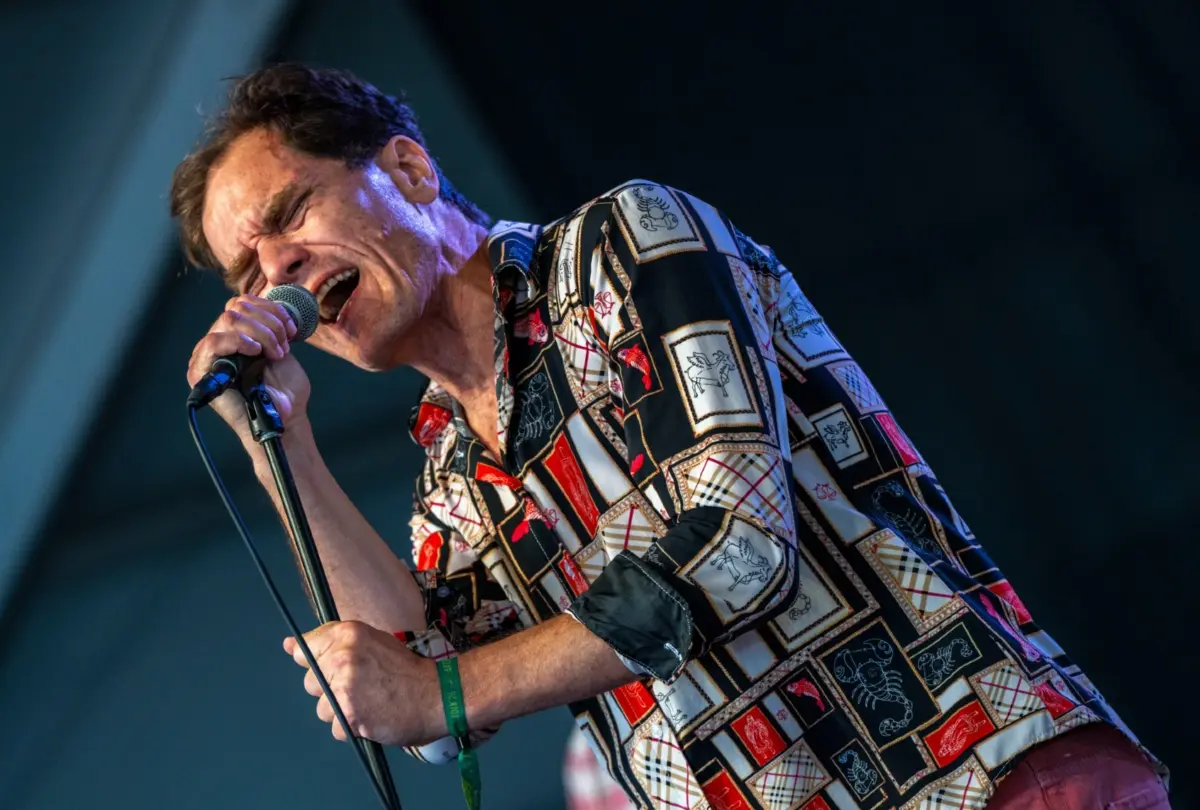
What began as a one-off performance celebrating R.E.M.’s seminal debut album, Murmur, has evolved into a critically acclaimed national touring endeavor. Their recent journey through the 1986 classic Lifes Rich Pageant—highlighted by a late-September stop in Detroit—proves that this enterprise is far more than a cheap exercise in generational nostalgia. Backed by a powerhouse lineup featuring Wilco bassist John Stirratt, master drummer Jon Wurster, and multi-instrumentalist Vijay Tellis-Nayak, Shannon and Narducy are not operating as a standard cover band or a theatrical shadowcast. Instead, they are executing a deeply reverent, technically rigorous art project that celebrates the enduring complexity, humor, and sonic architecture of one of America’s greatest rock bands.
Detailed Chronology: From Garage Ambitions to the Concert Stage
To understand the weight of the Shannon/Narducy project, one must understand the deep roots that both the creators and their early audiences have with the material. For longtime devotees, R.E.M.’s rise was tracked through late-night television slots on MTV’s 120 Minutes, college radio broadcasts on stations like WNYU, and underground fanzines painstakingly cut and glued together in third-floor tenement walkups.
The trajectory of this tribute initiative mirrors that organic grassroots origin. It started modestly with a single-night performance dedicated entirely to Murmur. Buoyed by positive word-of-mouth and the explicit blessing of the original members of R.E.M., the project expanded its scope. The ensemble transitioned into touring full albums from start to finish—a notoriously difficult feat given that the sequencing requirements for an impactful studio record rarely align with the dynamic ebbs and flows of a live concert experience.
During their recent tour supporting Lifes Rich Pageant, the band tackled the album’s distinct sequencing, touching upon its historical "Dinner" and "Supper" sides. The performance opened with "Begin the Begin," a track whose explosive, 0-to-60 intro serves as an immediate catalyst for the audience. As Narducy channeled the physical energy and long-limbed stage presence historically associated with guitarist Peter Buck, and Shannon navigated the intricate lyrical landscape of Michael Stipe, the crowd experienced an involuntary psychological reconnection. Decades-old memories of Maxell XL-II 90 cassette tapes, Walkmans, and bedroom stereos were unlocked instantly.
As the set progressed through tracks like "These Days," "Hyena," "Cuyahoga," and "The Flowers of Guatemala," the band defied expectations by weaving deep cuts and rare tracks into the mix. Performances of rarities like "Burning Down"—a track famously captured during a 1984 live broadcast on syndicated radio show The Source and subsequently traded as a commercial bootleg—demonstrated a curatorial depth that satisfied even the most dedicated "trainspotters" in the audience. The emotional peak of the evening arrived with a breathtaking rendition of "Fretless," pulled from Wim Wenders’ acclaimed 1991 soundtrack for Until the End of the World, eliciting a palpable, collective intake of breath from the room.
Supporting Context & Metrics: The Musicianship Behind the Myth
Recreating the sound of R.E.M. is a daunting technical challenge. The band’s signature sonic profile relies heavily on idiosyncratic interplay that casual listeners often mistake for straightforward rock instrumentation. Shannon, Narducy, and their collaborators succeed because they possess the virtuosic chops required to navigate these complex arrangements without falling into caricature.
- The Rhythm Section: Bill Berry’s understated brilliance as a drummer and songwriter is notoriously difficult to replicate. Drummer Jon Wurster rises to this challenge, bringing technical precision and chameleon-like versatility to the kit. Wurster effortlessly handles syncopated beats on tracks like "Pilgrimage" without ever sounding like a sterile session player. Meanwhile, Wilco’s John Stirratt anchors the low end, navigating the singularly melodic and fluid basslines laid down originally by Mike Mills.
- The Harmonies and Counterpoints: Jason Narducy faces the formidable task of playing driving guitar while simultaneously executing Mills’ intricate vocal harmonies and counterpoints—a three-dimensional sonic layer that goes far beyond standard backing vocals. Narducy’s execution, alongside his spot-on vocal interpretations of guest parts (such as Patti Smith’s contributions on "E-Bow the Letter"), forms the structural glue of the live show.
- The Performance Approach: Crucially, Michael Shannon approaches his role through the lens of a seasoned actor rather than an impersonator. Eschewing the trap of doing a "Michael Stipe impression"—a concept that initially repelled purists—Shannon delivers an authentic, earnest interpretation. Utilizing signature props like a bullhorn with understated authority, he anchors the band’s dynamic stage presence, balancing rock-and-roll urgency with intellectual engagement.
Official Statements and Industry Reception
While the original members of R.E.M.—Michael Stipe, Peter Buck, Mike Mills, and Bill Berry—have maintained a steadfast boundary regarding permanent reunion tours, their enthusiastic endorsement of this project speaks volumes. The band has continually championed musicians who engage with their catalog creatively rather than chasing a lucrative, nostalgia-driven reunion tour for its own sake.
Industry observers and veteran music critics have noted that the Shannon/Narducy collaboration fills a vital cultural space. In interviews and stage banter, the performers have consistently emphasized that their motivation is rooted in artistic challenge and sheer joy rather than commercial obligation. The collective pedigree of the ensemble—spanning indie-rock royalty, acclaimed acting, and avant-garde performance art—lends the tour an air of legitimate artistic enterprise. It treats the source material not as a museum piece to be preserved under glass, but as a living, breathing body of work worthy of active theatrical and musical interpretation.
Future Outlook: The "Document" Tour and Beyond
With the Lifes Rich Pageant tour successfully wrapped, the ensemble has wasted no time in looking forward. Recently announced plans for a 2027 tour centered around R.E.M.’s explosive 1987 breakthrough album, Document, signal that this project is far from a passing fad.
The upcoming Document dates promise to test the ensemble’s limits even further, tackling politically charged and sonically aggressive anthems like "The One I Love," "Sign of the Rule," and "It’s the End of the World as We Know It (And I Feel Fine)." For audiences who missed out on the golden era of college radio, or for longtime veterans seeking to reconnect with the visceral thrill of a packed club show, these upcoming performances offer a masterclass in how to honor musical legacy.
Ultimately, Michael Shannon and Jason Narducy have proven that looking backward does not have to feel like a retreat. By approaching R.E.M.’s catalog with rigorous musicianship, deep affection, and a healthy dose of the band’s signature humor, they have transformed a humble tribute idea into one of the most vital, joyful live music experiences touring today.