

Executive Overview
In the modern digital economy, the freelance writing landscape has experienced a seismic shift. Traditional hunting grounds for remote work—such as congested job boards, anonymous content mills, and speculative cold-email pitching—are rapidly losing efficacy. For today’s independent professionals, inbound client acquisition has become the gold standard of sustainable business growth, and one platform reigns supreme above all others: LinkedIn.
As a professional networking ecosystem uniquely dedicated to commerce, thought leadership, and B2B engagement, LinkedIn offers an unmatched gateway to decision-makers. Marketing directors, founders, and content managers do not visit the platform looking for casual social diversion; they seek industry insights, operational solutions, and expert talent to achieve their strategic goals. Consequently, freelancers who successfully establish personal authority and brand recognition on LinkedIn unlock a steady stream of high-value inbound opportunities.
However, mastering LinkedIn requires navigating an algorithmic landscape that has evolved dramatically over recent years. Outdated tactics—such as indiscriminate mass-messaging, generic automation, and generalized self-promotion—are aggressively penalized by the platform’s current architecture. Modern success demands a nuanced, value-driven strategy centered on relevance, consistency, and targeted client engagement.
This comprehensive guide breaks down five essential, updated strategies to help freelance writers optimize their profiles, overcome posting anxiety, engage prospects strategically, and generate a predictable pipeline of inbound leads—all within 20 to 30 minutes a day.
Detailed Chronology & Industry Evolution
To understand why LinkedIn has emerged as the premier ecosystem for freelance writers, one must examine the macro-level evolution of digital client acquisition over the past decade.
- The Era of Content Mills and Job Boards (Early 2010s): During this period, freelance writing was largely transactional. Writers relied heavily on public job boards and low-paying content brokerages to secure assignments. Competition was fierce, margins were thin, and relationships with end-clients were rare.
- The Rise of Cold Email and Direct Pitching (Mid-2010s): As competition intensified, proactive outreach took center stage. Freelancers adopted cold-pitching methodologies, sending personalized pitches directly to prospective clients’ inboxes. While more effective than content mills, this outbound approach remained time-intensive and heavily susceptible to low response rates.
- The Shift to Social Selling and Personal Branding (Late 2010s–Present): Platforms like LinkedIn transformed from digital resumes into dynamic publishing and networking hubs. Hiring managers and B2B marketing executives increasingly turned to the platform to vet talent organically. Today, LinkedIn serves as the preeminent discovery engine where clients actively seek out pre-vetted domain experts rather than waiting for cold pitches.
As LinkedIn refined its underlying algorithm to favor authentic, niche-specific thought leadership over broad, sensationalized reach, the rules of engagement shifted permanently. Freelancers who adapted to this paradigm found themselves less reliant on frantic job hunting and more empowered to command premium rates through inbound inquiries.
Supporting Context & Metrics: What the Algorithm Demands Today
Before executing a LinkedIn growth strategy, writers must understand the mechanics of the platform’s content distribution system. LinkedIn’s algorithm prioritizes relevance and targeted authority over raw, untargeted reach.
What the Algorithm Rewards:
- Niche-Specific Consistency: Accounts that repeatedly post about clearly defined industry topics are systematically recognized as authoritative sources within that niche, resulting in broader distribution to relevant target feeds.
- Deep Engagement: Conversational interactions—specifically thoughtful, multi-sentence comments and meaningful discussions—carry significantly more algorithmic weight than passive "likes."
- Native Formats: Text-only posts featuring compelling hooks, scannable formatting, and clear line breaks consistently outperform overly complex external link posts that drive users away from the platform.
What the Algorithm Penalizes:
- External Link Dumping: Dropping links to external articles or blog posts directly in the primary text box often suppresses initial reach, as the platform seeks to keep users inside the native environment.
- Engagement Bait: Explicitly asking users to "Comment BELOW for the secret guide!" or deploying manipulative tactics to artificially inflate metrics triggers automated spam filters.
- Broad, Undifferentiated Content: Posting random lifestyle updates or generalized motivation that appeals to the general public rather than specific B2B buyers signals a lack of professional focus.
Five Core Strategies to Master LinkedIn as a Freelance Writer
Strategy 1: Write to Potential Clients, Not Other Freelancers
A foundational error made by many independent writers is treating LinkedIn like a virtual peer-support group. While networking with fellow writers is valuable for community and moral support, it will not fill your bank account. If a prospective B2B client visits your profile and sees a stream of posts offering generic writing tips, formatting hacks, or commiseration about writer’s block, they will immediately look elsewhere.
Actionable Execution:
- Audit Your Feed: Review your last 10 published posts. Tally how many are aimed at educating other writers versus addressing the pain points of your ideal clients. If the balance leans toward peers, an immediate course correction is required.
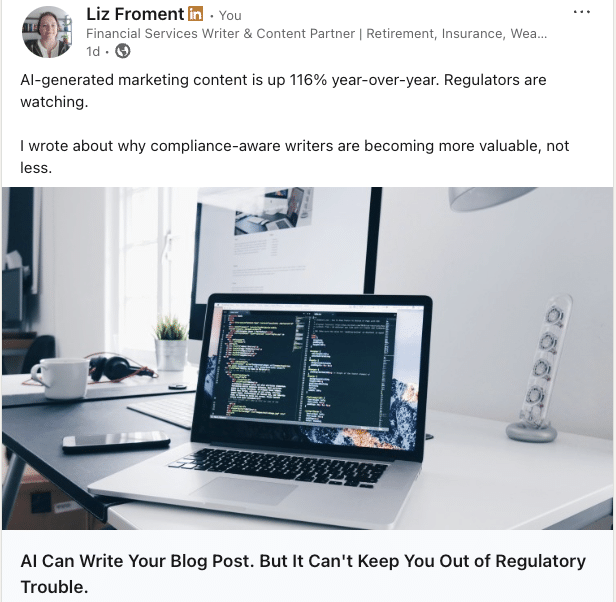
- Identify Core Client Pain Points: Select three to five high-value topics that genuinely concern your target audience. For instance, a freelance medical writer might focus on emerging clinical research regulations, healthcare compliance hurdles, or pharmaceutical content challenges. A financial services writer might dissect fintech market trends, regulatory updates, or customer onboarding UX.
- Demonstrate Domain Expertise: Publish content that showcases deep industry fluency. Share high-level strategic insights derived from recent client projects (while maintaining confidentiality), break down why an industry leader’s content strategy is succeeding, or offer an authoritative take on a breaking news item within your niche.
When a marketing director lands on your page, they must instantly recognize someone who speaks their corporate language and understands their operational ecosystem.
Strategy 2: Overcome Posting Anxiety Through Sustainable Cadence
The traditional advice to post daily on social media is often paralyzing. For many freelance writers juggling client deadlines, the pressure to produce constant content leads directly to imposter syndrome and total burnout—culminating in an inactive profile.
The empirical truth is far more manageable: publishing one or two exceptionally strong posts per week consistently over several months will yield massive professional results.
Actionable Execution:
- Establish a Sustainable Cadence: Choose a schedule you can maintain indefinitely without stress—such as every Tuesday and Thursday, or even a single substantive post every Wednesday. Consistency trumps frenetic frequency every time.
- Batch Your Workflow: Block out 30 minutes every Sunday afternoon to outline and draft your upcoming content. Utilize LinkedIn’s native scheduling tool to queue your posts, freeing your mind for billable client work throughout the week.
- Lean Into Proven Formats: Focus on text-based posts featuring strong hooks, clear formatting, and whitespace. You do not need expensive graphic design software or video production suites; a sharp, insightful observation communicated clearly is sufficient.
Strategy 3: Prioritize Proactive Engagement and "Walking the Marketing Dog"
Content creation is only half the battle. Because LinkedIn is a long-term relationship-building marathon, waiting passively for inbound traffic can stall your momentum. To accelerate your lead generation, proactive engagement—such as commenting thoughtfully on prospect posts and cultivating strategic connections—is far more critical than broadcasting alone.

Industry experts frequently refer to this daily discipline as "walking the marketing dog." Just as a pet requires a daily walk for health, your business requires daily networking to thrive.
Actionable Execution:
- Build a Prospect Hit List: Curate a target list of 20 to 30 decision-makers—such as content managers, marketing directors, agency founders, and startup executives—at companies where you want to write.
- Engage Thoughtfully: Dedicate 15 to 20 minutes daily to review their content feeds. When they publish, leave a substantive, high-value comment. Avoid generic remarks like "Great post!" or "So true!" Instead, add a unique data point, expand upon their premise with a fresh perspective, or ask a sharp, intelligent follow-up question.
- Adopt the 3-2-1 Method: Popularized by B2B growth strategists, this balanced routine involves sending 3 targeted connection requests, leaving 2 thoughtful comments on prospect posts, and publishing 1 piece of original content daily. If that volume feels overwhelming, scale it down to match your bandwidth, ensuring daily visibility among key accounts.
Strategy 4: Optimize Your Profile to Function as a High-Converting Sales Page
Your content draws eyes to your profile, but your profile must convert those visitors into paying clients. Treat your LinkedIn profile not as a static digital resume, but as a dedicated landing page designed to sell your freelance writing services.
Actionable Execution:
- Craft a Results-Driven Headline: Eradicate generic titles like "Freelance Writer." Instead, explicitly state the tangible transformation you deliver. For example: "I write high-converting B2B SaaS content that turns complex software features into pipeline revenue" or "Financial Services Content Writer | Trusted by [Client A], [Client B], and [Client C]."
- Rewrite Your "About" Section in the Second Person: Address the reader directly. Outline the specific friction points you resolve, the exact vertical markets you serve, and the measurable business outcomes you have generated for past partners. Conclude with a clear, direct call to action (CTA).
- Leverage the Featured Section: Pin two or three of your absolute best-performing writing samples, published case studies, or glowing client testimonials to the top of your profile.
- Detail Your Experience Section: Avoid vague descriptions. Transform "Wrote articles for various clients" into specific achievements: "Authored 50+ in-depth technical guides and thought-leadership articles covering artificial intelligence infrastructure, enterprise cloud security, and developer marketing for enterprise tech brands."
Strategy 5: Build an "Idea Brain" to Eliminate Writer’s Block
The primary roadblock to consistent publishing is running out of topics. To ensure you never face a blank screen, establish a systematic capture mechanism for daily inspiration.
Actionable Execution:
- Log 10 Ideas Daily: Set a recurring daily reminder on your smartphone. Every morning over coffee or every evening before bed, open your notes app and rapidly jot down 10 raw ideas—ranging from client questions and industry frustrations to fascinating statistics or personal lessons learned.
- Embrace Volume Without Judgment: Do not filter your ideas during the capture phase; prioritize quantity over immediate quality. Out of 70 raw ideas generated weekly, 5 to 10 will invariably emerge as stellar foundations for professional content.
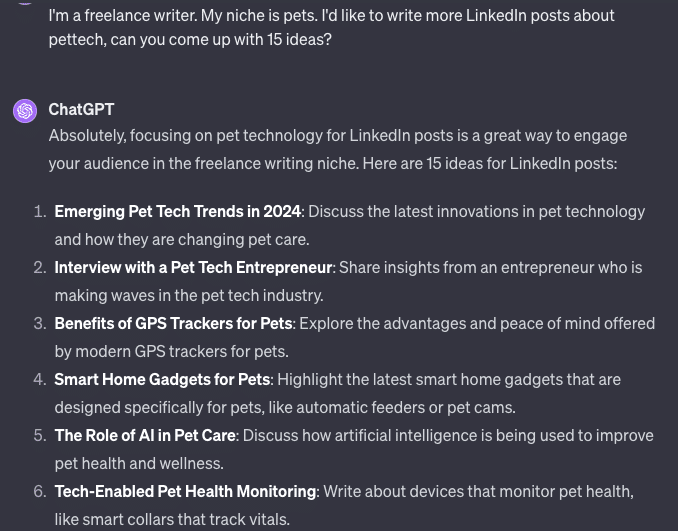
- Leverage AI as a Collaborative Sparring Partner: When severe writer’s block strikes, utilize artificial intelligence writing assistants like ChatGPT. Prompt the tool to generate brainstorming angles or outlines for LinkedIn posts within your specific niche, then infuse your own unique voice, anecdotes, and professional insights to finalize the piece.
Official Statements & Expert Insights
Industry leaders continually emphasize the undeniable commercial value of mastering LinkedIn for independent professionals.

Sean Ogle, founder of Location Rebel, notes the profound shift in platform utility:
"If you want to have a successful freelance business, it’s time to master LinkedIn. Most of the freelancers I talk to say LinkedIn is where they’re getting the majority of their clients these days—more than job boards or cold pitching. If you’re not there building a presence, you’re leaving work on the table."
Similarly, B2B marketing experts highlight that consistency in relationship-building creates an invisible safety net for freelancers. By maintaining visibility through daily engagement and targeted publishing, writers not only secure immediate client contracts but also embed themselves within a resilient network of professional peers, ensuring long-term income stability and a steady stream of lucrative referrals.
Future Outlook
As the digital marketing landscape continues to mature, the barriers to entry for low-tier commodity writing will only increase, driven largely by automated content generation technologies. However, true strategic thought leadership, deep domain expertise, and human-centric storytelling remain exceedingly rare and highly prized.
LinkedIn is uniquely positioned to act as the verification layer for elite freelance writing talent. Hiring managers and corporate procurement teams are moving away from faceless job applications, choosing instead to hire writers whose public profiles and thought-leadership content prove they understand the nuances of a specific industry.
For freelance writers willing to invest a focused 20 to 30 minutes a day into strategic profile optimization, consistent niche publishing, and genuine prospect engagement, the future has never been brighter. By treating LinkedIn as a dynamic B2B asset rather than an optional social media afterthought, independent professionals can permanently escape the feast-or-famine cycle and build a thriving, highly profitable writing business.