In the high-stakes ecosystem of modern digital marketing, visibility is the ultimate currency. Securing prime real estate on Search Engine Results Pages (SERPs) requires precision, strategic foresight, and the deployment of robust analytics tools. Among the industry standard-bearers, Semrush has established itself as an indispensable powerhouse for search engine optimization (SEO) professionals, enterprise marketers, and content strategists alike.
Boasting an expansive database featuring over 24 billion keywords, Semrush provides a comprehensive suite designed to demystify search behavior, analyze competitor architecture, and optimize content workflows. This definitive guide examines the core capabilities of Semrush’s premier keyword research mechanisms—specifically the Keyword Manager, Keyword Magic Tool, and Keyword Gap analysis. By synthesizing actionable strategies, real-world case studies, and advanced filtering parameters, this blueprint equips digital practitioners with the methodology needed to extract high-intent search volume, close competitive gaps, and systematically scale organic traffic.
Detailed Chronology & Framework of Semrush Keyword Research
Implementing a successful keyword research campaign requires a structured, multi-phased approach. Rather than relying on guesswork or surface-level search volumes, modern SEO demands a calculated progression through existing asset evaluation, competitive intelligence, topical expansion, and structural clustering.
Phase 1: Unearthing Low-Hanging Fruit via Existing Keyword Analysis
For websites possessing an established content footprint, the most lucrative starting point is not acquisition, but optimization. By targeting keywords for which a domain already ranks between positions 4 and 15, digital marketers can capture rapid organic traffic gains with minimal friction.
Navigating the Data: Access the Semrush SEO Toolkit and transition directly to the Organic Research >> Positions report. This surfaces every query for which the target domain currently occupies a top-100 ranking.
Applying Advanced Filters: To isolate actionable targets, apply granular filters tailored to the specific business model. Key parameters typically include:
Position: Filter for rankings between 4 and 15 (page one and upper page two).
Search Volume: Set a minimum threshold based on niche viability (e.g., searches exceeding 100 or 500 monthly queries).
Keyword Difficulty (KD): Restrict parameters to non-prohibitive difficulty scores to ensure realistic upward mobility.
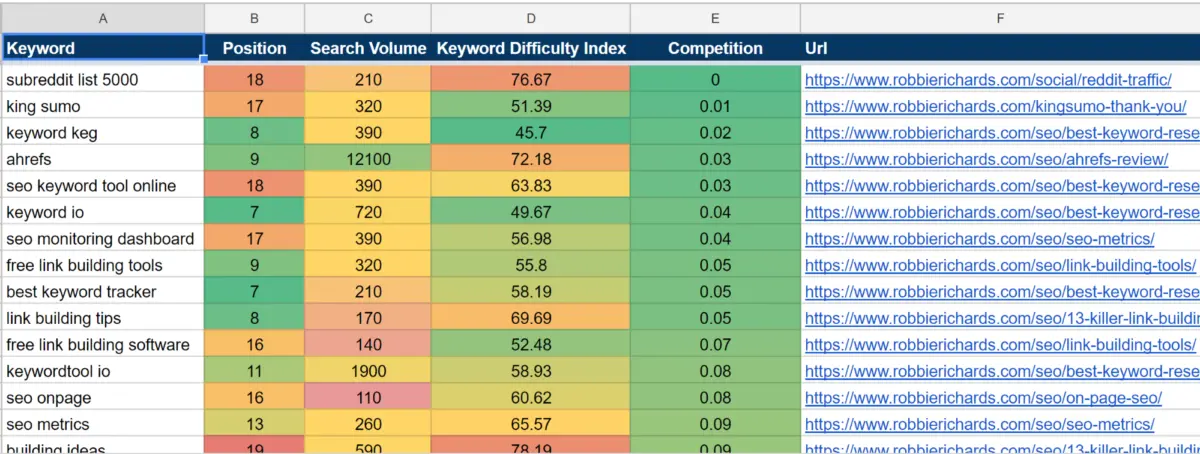
Segmentation and List Building: Export or save the filtered queries directly inside Semrush, categorizing them into distinct operational lists such as Existing Opportunities and New Targets. For analysts preferring external manipulation, exporting this data into an automated spreadsheet template allows for descending volume organization and conditional color-coding, instantly highlighting high-volume, low-competition SERP anomalies.
Phase 2: Decoding Competitor Intelligence and Subfolder Architecture
Dissecting the digital footprint of industry rivals remains one of the fastest routes to high-intent keyword acquisition. Semrush facilitates this through granular subfolder parsing and page-level analysis.
Top Pages Report Methodology: Input a primary competitor’s domain into the SEO Toolkit and open the Organic Research >> Pages report. This inventory exposes the exact URLs driving maximum organic traffic, accompanied by their respective traffic percentages and total keyword counts.
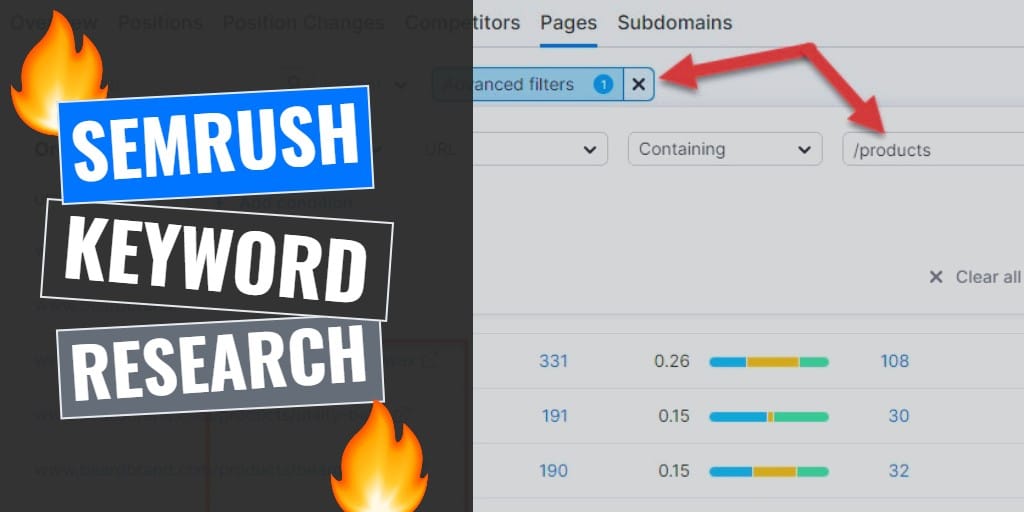
Subfolder Filtering for Precision: E-commerce platforms and specialized service providers often house content within distinct subdirectories. For instance, filtering an e-commerce competitor’s URL structure for /products/ isolates high-intent transactional pages. Similarly, regional legal practices can analyze competitor directories like /legal-services/ to benchmark their own service-page visibility against industry leaders.
Keyword Modifiers: When competitors lack structured subfolders, deploy keyword modifiers (such as "best," "software," "pricing," or "vs") within the broader organic positions report to isolate bottom-of-funnel, high-converting commercial intent queries.
Supporting Context, Metrics, and Strategic Use Cases
To extract maximum value from Semrush’s infrastructure, marketers must look beyond raw search volume and evaluate deeper metrics such as Keyword Difficulty (KD), search intent, and structural gaps.
The Semrush Keyword Gap Tool allows strategists to cross-reference their domain against multiple competitors simultaneously, isolating transactional blind spots.
Missing Keywords Report: Identifies queries for which selected competitors rank within the top 100, but the target domain holds zero presence.
Weak Keywords Report: Highlights terms where the target domain currently ranks lower than the competing entities, signaling content inadequacy or optimization neglect.
PPC-Organic Integration: A unique capability of Semrush is its ability to bridge paid and organic search data. Marketers can identify high-value keywords where organic rankings sit outside the top 3 positions, allowing firms to bid on those exact terms in paid search ("air cover") to capture conversions while organic optimization efforts mature. Conversely, analyzing competitor PPC spend reveals high-intent queries that warrant immediate organic targeting.
Topical Expansion via the Keyword Magic Tool
House within a database exceeding 24 billion terms, the Keyword Magic Tool transforms broad seed phrases into segmented keyword taxonomies. By filtering through buyer-journey stages—particularly the consideration stage (e.g., evaluations, comparisons, and "vs" queries)—marketers can target mid-funnel users actively deciding between competing solutions. Furthermore, extracting question-based modifiers ("how to," "what is," "why do") provides an endless stream of low-competition, informational content ideas that feed top-of-funnel acquisition channels.
Official Statements and Platform Integration
The true architectural strength of Semrush lies in its native tool interoperability. Rather than operating in isolated silos, its modules communicate seamlessly across the marketing workflow.
Industry veterans frequently emphasize the efficiency of these integrations:
"Once you have finished building and refining your target keyword list within Semrush, the platform eliminates friction by allowing you to instantly push selected keywords directly into the Position Tracking tool for real-time ranking oversight, or transfer them to the SEO Writing Assistant to streamline content production and on-page optimization."
This connected ecosystem ensures that data harvested during the research phase directly informs content creation, technical optimization, and performance monitoring without necessitating third-party data exports or fragmented software subscriptions.
Future Outlook: Automated Clustering and the Evolution of SEO
As search engines increasingly prioritize topical authority over isolated keyword targeting, the necessity of sophisticated keyword clustering has reached paramount importance. Semrush’s Keyword Manager addresses this paradigm shift by automating the topical grouping process.
By ingesting raw keyword sets—ranging from dozens to thousands of terms—the platform evaluates SERP overlap and semantic relationships to build coherent content clusters. This functionality flags "high-ranking potential" opportunities (high volume paired with low keyword difficulty) and displays underlying content references, allowing strategists to determine whether to update an existing landing page or deploy a brand-new sub-service asset.
Looking forward, the integration of advanced intent classification and AI-driven content recommendations within platforms like Semrush signals a clear trajectory: keyword research is no longer merely an exercise in finding high-volume search terms. It is a holistic, data-driven mapping of consumer intent, architectural gap analysis, and topical dominance. Marketers who master these integrated workflows will secure sustained, compounding organic visibility in an increasingly competitive digital marketplace.