

Executive Overview
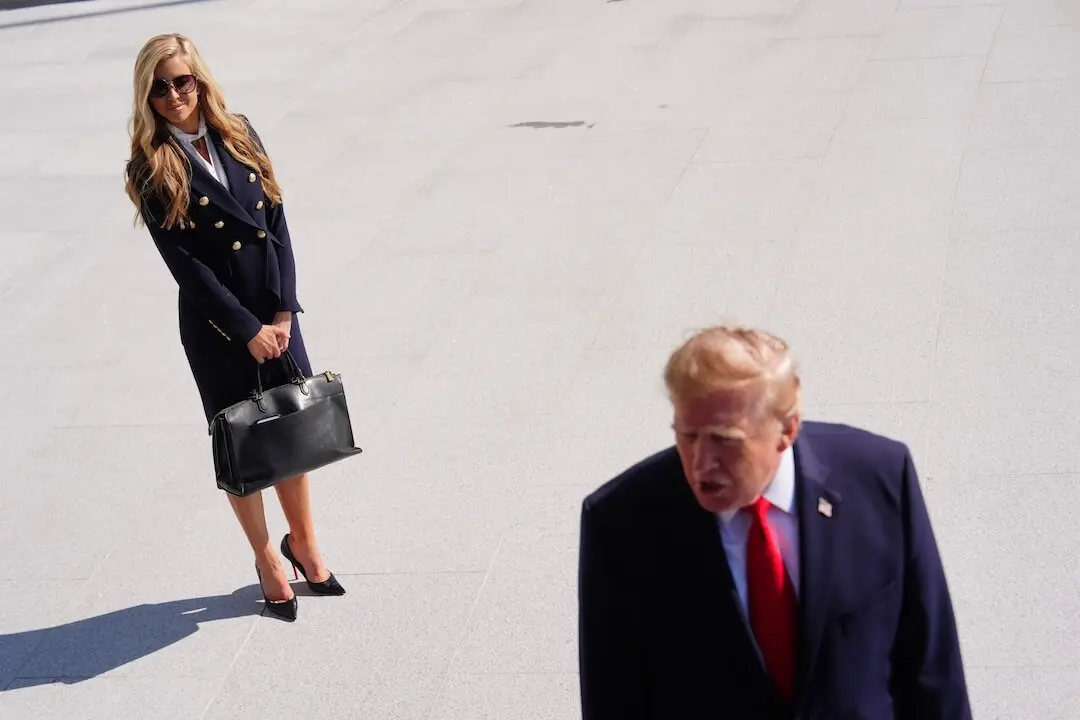
The landscape of modern journalism is undergoing a profound structural and philosophical realignment, marked by an escalating series of confrontations between the press, political figures, and institutional powers. At the national level, the Trump administration’s systematic restructuring of White House press pool access—typified by the exclusion of major outlets like CNN and Politico—has fundamentally altered how presidential movements are chronicled and shared with the public. Concurrently, internal editorial upheavals, high-profile staff exits, and physical violence against reporters in the field underscore an era of unprecedented hostility toward the working press.
From the unprecedented five-day tenure of White House Press Secretary Katie Zacharia to the brutal assault on Washington Post photographer Heidi Levine in the West Bank, and from CBS News correspondent Jan Crawford’s social media controversy to the quiet erosion of transparency at the state and local levels, the boundaries of free expression and access are being aggressively redrawn. This report provides an in-depth examination of these intersecting crises, analyzing the mechanisms of exclusion, the legal battles shaping the future of media access, and the broader implications for democratic accountability.
Detailed Chronology: Key Events and Institutional Flashpoints
The White House Press Pool and the Rise of Alternative Distribution
Over recent months, the battle lines over White House press access have hardened into a predictable yet legally contentious routine. CNN has repeatedly been blocked from traveling on Air Force One as part of the primary White House pool. In response to these exclusions, major television networks—including ABC, CBS, Fox, and NBC—have consistently refused to occupy CNN’s assigned primary slot on exclusion days, standing in solidarity with their industry peers.
To circumvent this unified resistance, the White House has increasingly relied on the conservative network Real America’s Voice. Since late September, when major networks resumed standard pool rotations, the administration has routed the secondary TV pool slot to Real America’s Voice three times during CNN lockouts. Real America’s Voice, known for hosting programs featuring right-wing political figures such as Steve Bannon and Charlie Kirk, announced a free distribution feed (RAVPool.org) on September 24 to share its footage with any interested media and the public. Despite this open-access offer, traditional mainstream outlets have largely declined to incorporate the footage, maintaining a principled barrier against the administration’s attempts to bypass established pool protocols.
This dynamic mirrors previous structural maneuvers by the administration. Following a legal defeat regarding the exclusion of The Associated Press over its refusal to adopt administration-preferred geographic terminology ("Gulf of America"), the White House dismantled dedicated wire-service slots and instituted a secondary print slot, forcing the AP to compete and rotate with dozens of other organizations. Both the AP’s ongoing litigation and a joint federal lawsuit filed by CNN, Politico, and MS NOW remain active in federal courts, where judges have previously intervened to restore portions of restricted press access.
The Five-Day Tenure of White House Press Secretary Katie Zacharia
The administrative turbulence within the executive branch extended directly to its communications department with the historic ouster of White House Press Secretary Katie Zacharia. Zacharia’s tenure came to an abrupt end on Friday, lasting a mere five days and encompassing just a single official briefing—marking what is widely believed to be the shortest term for a White House press secretary in modern history, eclipsing even Anthony Scaramucci’s turbulent 10-day stint as communications director in 2017.
Zacharia’s exit followed a rocky debut briefing and intense public scrutiny regarding credential discrepancies, specifically concerning her public claims to be an attorney despite having failed the California bar exam. Her position became untenable following a series of media appearances on Fox News late in the week. During an interview with Sean Hannity, Zacharia admitted she entered her inaugural briefing with "very little prep time."
Conflicting reports emerged regarding the genesis of those broadcast appearances. Politico sources characterized the Fox News spots as a "sanctioned hit" orchestrated by White House Chief of Staff Susie Wiles to expedite Zacharia’s departure. Conversely, The New York Post published text messages indicating that Zacharia herself had aggressively pushed for the appearances. President Donald Trump remarked that he had encouraged her to reconsider the position and suggested she might remain in the administration in an alternative capacity, though subsequent reports from White House officials confirmed her complete departure from the administration.
Field Reporting Under Fire: The West Bank Attack on Heidi Levine
While institutional battles played out in Washington, the physical risks borne by frontline journalists were violently underscored in the West Bank. On Friday, Washington Post photojournalist Heidi Levine was severely injured during a coordinated assault by a group of masked Israeli settlers. Levine, who was clearly marked with "PRESS" insignia on both the front and back of her protective flak jacket, was documenting Palestinian villagers harvesting olives when the group launched an unprovoked attack.
Recounting the assault from a hospital stretcher, Levine described being swarmed by individuals wielding wooden and metal clubs. Despite pulling her helmet and flak jacket over her head and curling into a defensive posture, she was repeatedly kicked and beaten. The assailants also looted her professional equipment, including her cameras and mobile phone.
Medical evaluations revealed extensive injuries: lacerations across her body, a broken rib, four fractured vertebrae, and severe trauma to her hand that exposed bone and necessitated immediate reconstructive surgery. Matt Murray, executive editor of The Washington Post, issued a stern statement condemning the unwarranted violence and demanding a thorough, transparent investigation by authorities. The Committee to Protect Journalists (CPJ) echoed these demands, with regional director Sara Qudah characterizing the assault as part of a deeply disturbing and escalating pattern of violence and harassment directed at journalists covering the annual olive harvest in the West Bank. Israeli Prime Minister Benjamin Netanyahu stated that the facts of the incident "remain unclear and are under investigation."
Editorial Boundaries and Social Media Fallout at CBS News
Back in the United States, debates over journalistic neutrality and professional conduct reached a head at CBS News. Jan Crawford, the network’s chief legal correspondent, faced intense public and internal backlash after publishing and subsequently deleting a social media post praising a citizen who heckled Michigan Democratic U.S. Senate nominee Abdul El-Sayed during a town hall meeting.
The confrontation involved a voter pressing El-Sayed, who is Muslim, to disavow the Muslim Brotherhood—a demand El-Sayed answered affirmatively before questioning the premise of the interrogation. Crawford’s now-deleted post celebrated the interaction, praising the questioner for executing a "spectacular self own" against the candidate and editorializing on El-Sayed’s response.
The commentary drew immediate condemnation from media critics and internal newsroom observers, who argued that public mockery and political partiality by a senior legal correspondent violated core standards of objective reporting. Crawford issued a public apology on X (formerly Twitter) on Sunday, acknowledging that the post violated CBS News standards. The controversy arrives as CBS News navigates heightened scrutiny regarding its overarching political coverage strategy following institutional leadership changes.
Local Press Access and the Quiet Erosion of Public Records
Beyond national headlines, local and regional newsrooms are fighting parallel battles for transparency that directly impact civic accountability. In February 2025, the Kansas Senate established its Committee on Government Efficiency (COGE), mirroring federal efforts under the Department of Government Efficiency. Reporters at the independent outlet Kansas Reflector submitted public records requests seeking submissions sent to the committee’s public portal.
Although Kansas statutory law mandates that government bodies fulfill or formally explain delays on records requests within three business days, COGE withheld the documents until April 2025—failing to release them until two days after the Reflector published an investigative piece based on leaked copies.
This dynamic is emblematic of a nationwide trend. As local news organizations contract due to economic pressures, public officials increasingly exploit the weakened journalistic infrastructure to stonewall inquiries, delay public records releases, and restrict direct access. Media analysts note that these localized access fights mirror the high-stakes legal and structural battles playing out in Washington, forming a two-front war for public transparency.
Supporting Context & Metrics
The convergence of these events highlights systemic vulnerabilities within contemporary media ecosystems:
- Five Days: The historically brief tenure of former White House Press Secretary Katie Zacharia, highlighting intense volatility within executive communications apparatuses.
- Four Fractured Vertebrae & Broken Rib: The severe physical injuries sustained by Washington Post photojournalist Heidi Levine during a targeted settler attack in the West Bank, emphasizing the physical hazards of conflict-zone reporting.
- Three Exclusions: The number of times the White House has routed secondary TV pool privileges to Real America’s Voice since late September during primary press pool lockouts involving CNN.
- Decentralized Resistance: While major networks (ABC, CBS, Fox, and NBC) continue to reject primary pool replacement slots out of professional solidarity, specialized regional outlets and independent digital networks navigate a fractured landscape of tiered access.
Official Statements
-
On White House Press Exclusions:
"The Fake News has no place demanding a spot in the President’s Oval Office," a White House official stated via email. "The lies they smear are a disservice to the American public and tear at the very fabric of our Democracy. They’re completely capable of reporting from directly outside."
-
On the Assault of Heidi Levine:
"While we are relieved that Heidi has received medical care and is safe, we are outraged by this unwarranted attack on a journalist doing her job and urge a thorough investigation and follow-through from authorities," said Matt Murray, executive editor of The Washington Post.
-
On Editorial Standards:
"I deleted that tweet because it was a violation of CBS News standards," wrote CBS News chief legal correspondent Jan Crawford. "I apologize."
Future Outlook
The trajectory of press-government relations and media ethics points toward a prolonged period of institutional friction. In the federal courts, ongoing litigation spearheaded by CNN, Politico, MS NOW, and The Associated Press will serve as vital constitutional testing grounds, determining whether the executive branch possesses the unilateral authority to restructure or weaponize press pool credentials to marginalize critical reporting.
Simultaneously, the physical safety of journalists operating in volatile international zones like the West Bank remains a pressing humanitarian and professional crisis, demanding stronger accountability mechanisms from governing authorities. Domestically, as local newsrooms continue to face resource constraints alongside institutional stonewalling from public officials, the defense of freedom of information laws will require renewed legal and financial mobilization. Ultimately, the events of this month serve as a stark reminder that the architecture of a free press is neither self-sustaining nor immune to systematic political and physical erosion.