

Executive Overview
The contemporary corporate rush toward artificial intelligence has devolved into a theatrical farce. If modern AI rollouts were adapted for the screen, film critics would dismiss them as utterly implausible, arguing that no corporate leadership team could be so structurally blind. Yet, enterprises across the globe continue to repeat the exact same systemic errors witnessed a decade ago during the dawn of the digital transformation era.
According to digital strategist Paul Boag—author of the seminal 2014 Smashing Magazine publication Digital Adaptation—the parallels between past technological transitions and today’s generative AI craze are striking and deeply concerning. The fundamental flaw blinding organizations today remains identical to the one that crippled digital transformation initiatives years ago: treating a profound cultural and behavioral evolution as a mere IT implementation project.
When senior management signs off on enterprise-wide software licenses, issues generic training memos, and declares the job done, they commit a strategic oversight. AI is not merely a tool; it is an organizational paradigm shift. Left unmanaged from a human perspective, this disconnect breeds employee resistance, fuels the rise of unauthorized "Shadow AI," and creates a culture of fear that paralyzes innovation. To survive the current technological revolution, modern institutions must unlearn the top-down playbook of the past and embrace a human-centric approach prioritizing psychological safety, intrinsic motivation, and organic adoption.
Detailed Chronology: From CMS Rolled-Outs to Enterprise Copilots
To understand how modern enterprises are failing their artificial intelligence strategies, one must examine the historical trajectory of enterprise technology over the past decade.
2014: The Digital Transformation Mirage
During the peak of the digital transformation era, IT departments were tasked with modernizing legacy infrastructures. They rolled out Content Management Systems (CMS), Customer Relationship Management (CRM) platforms, and internal intranets with missionary zeal. Simultaneously, customer-facing teams launched mobile applications and personalization engines.
However, these rollouts were fundamentally disconnected from human reality. Internal systems were notoriously difficult to navigate, built without consulting the employees who had to use them daily. On the consumer side, organizations built digital properties based on internal assumptions rather than authentic user needs. The result was a catastrophic failure rate for digital transformation projects, characterized by sunk costs, entrenched employee resistance, and software that sat idle.
The Present Day: Repeating History with Generative AI
Fast forward to the current AI landscape, and the institutional amnesia is palpable. Enterprise leadership, intoxicated by unrelenting media hype, is purchasing enterprise AI licenses—such as Copilot Studio packages—and pushing them downward with minimal structural preparation.
A standard corporate rollout now looks painfully familiar:
- The Top-Down Edict: C-suite executives mandate that every department integrate AI into their daily workflows to boost productivity metrics.
- The Check-the-Box Training: HR or IT circulates a generic, organization-wide instructional video or webinar detailing basic prompt engineering.
- The Productivity Pressure: Employees are expected to absorb these revolutionary tools instantly while maintaining their existing workloads and meeting identical Key Performance Indicators (KPIs).
- The Institutional Backlash: When employees stumble, make errors, or consume excessive computational tokens, they face administrative reprimands, driving them away from the official tools altogether.
Organizations have successfully recreated the exact conditions that doomed digital adaptation a decade ago, substituting CMS platforms for large language models while ignoring the human element entirely.
Supporting Context & Metrics: The Human Cost of Automated Productivity
The root cause of employee resistance to AI adoption is not technological illiteracy; it is a fundamental misalignment of incentives.
The Productivity Trap
From the perspective of senior leadership, generative AI is an unmitigated triumph because it unlocks massive efficiency gains. Employees can draft reports, analyze datasets, and write code in a fraction of the traditional time.
However, from the worker’s perspective, these efficiency gains translate into a raw deal. Employees remain bound to their standard forty-hour workweeks. The reward for using AI to complete tasks twice as fast is not extra free time or increased compensation; it is simply being assigned twice as much work. Without a clear personal incentive, workers view AI not as a liberating assistant, but as an automated mechanism for intensification—and potentially, redundancy. This dynamic is exacerbated by the relentless headlines predicting mass automation-driven layoffs. No amount of reassuring corporate memos can override the existential anxiety staff feel regarding job security.
Procedural Knowledge and Cognitive Overload
Adopting AI requires individuals to dismantle procedural knowledge built over years, or even decades, of professional practice. Rewiring how one writes, researches, codes, or manages projects requires profound cognitive effort.
Most modern corporate environments, however, are characterized by chronic overwork. Employees are drowning in daily to-do lists, besieged by notifications, and struggling to stay afloat. Expecting these workers to organically master complex new tools without dedicated time, tailored support, or psychological space for experimentation is an exercise in organizational self-deception.
Official Perspectives & Expert Insights
Industry leaders and workplace psychologists increasingly warn that standard technological governance models are actively working against enterprise innovation.
The Rise of Shadow AI
When official corporate tools prove too restrictive or inadequate for specialized workflows, employees do not simply abandon their ambitions; they bypass the IT department entirely. Just as workers once smuggled unauthorized cloud storage solutions like Dropbox into the enterprise during the early 2010s, they are now engaging in Shadow AI.
Staff members are opening personal ChatGPT, Claude, or specialized model accounts on their personal smartphones and unmonitored home laptops to complete daily tasks. This introduces severe enterprise risks:
- Data Leakage: Proprietary corporate data, source code, and client information are being fed into consumer-grade models with zero organizational oversight.
- Compliance Violations: Regulatory frameworks regarding data privacy and intellectual property are routinely breached without audit trails.
When leadership responds to Shadow AI with draconian bans, blocked websites, and disciplinary warnings, they misdiagnose the symptom. Shadow AI is a glowing neon sign pointing directly to the failures of the official tech stack. Rather than attempting to eradicate these workarounds through punishment, progressive organizations are studying them to understand what functional gaps their official toolsets possess.

Harnessing Social Proof Over Top-Down Mandates
Traditional change management relies on convincing the most resistant employees first—a notoriously inefficient strategy. Conversely, pioneering organizations look to internal enthusiasts.
In every enterprise, a subset of employees is already experimenting with generative AI out of sheer intellectual curiosity. By gathering these early adopters, granting them dedicated time to share successful use cases, and letting peer validation drive the narrative, organizations can leverage social proof. People are exponentially more likely to adopt a new workflow when they see a respected peer in a similar role succeeding with it, rather than when a distant executive issues a memo demanding compliance.
Future Outlook: Building an Adaptive, Safe-to-Fail Enterprise
Navigating the AI era successfully requires a radical transformation of corporate culture, governance, and technological rollout strategies. Organizations aiming to thrive over the next decade must embrace several foundational shifts:
1. Cultivating Psychological Safety
Innovation cannot exist in a culture of fear. If employees are terrified that making a minor prompting error or experimenting with a new workflow will negatively impact their annual performance review, they will default to legacy methods. Management must explicitly decouple early AI experimentation from punitive metrics, adjusting KPIs to reward learning, exploration, and operational agility.
2. Streamlining Governance Through Principles
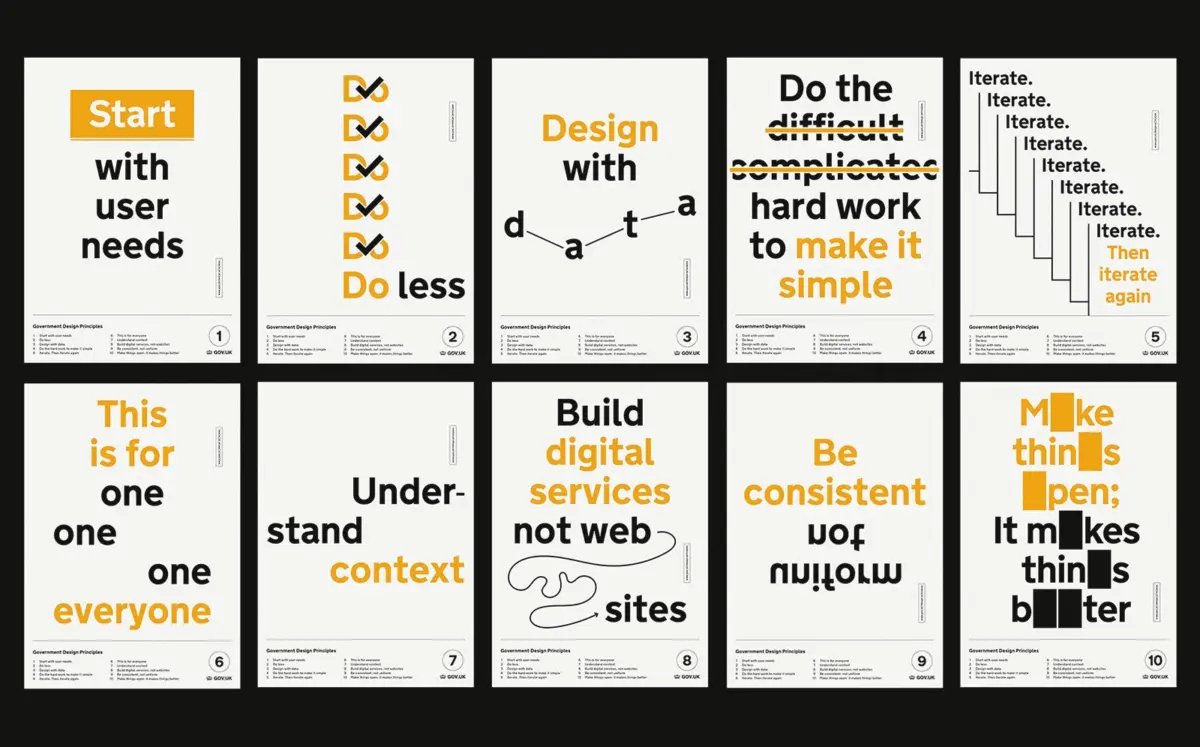
Heavy-handed governance documents spanning dozens of pages do not protect an organization; they merely paralyze it. Enterprises should follow the model established by digital pioneers like the UK government’s design principles: a concise, memorable set of core ethical and operational guidelines that fit on a single page, paired with a culture of trust that empowers employees to apply common sense.
3. Embracing Technological Flexibility
Rigid, centralized IT rollouts that force a single, one-size-fits-all tool onto diverse departments are destined to fail. While a centralized tech stack is desirable for enterprise control, the early phases of AI adoption demand localized experimentation. Organizations must allow multidisciplinary teams—such as UX researchers, developers, and marketers—the autonomy to test specialized toolsets tailored to their unique functional domains.
Conclusion
The window to course-correct enterprise AI adoption is rapidly closing. Treating AI as an IT deployment rather than a profound human and cultural transition guarantees the repetition of past digital transformation failures. By prioritizing psychological safety, aligning incentives with employee well-being, abandoning restrictive governance in favor of trusted principles, and listening to the signals sent by Shadow AI, organizations can transition from farcical rollouts to genuine, sustainable adaptation.