

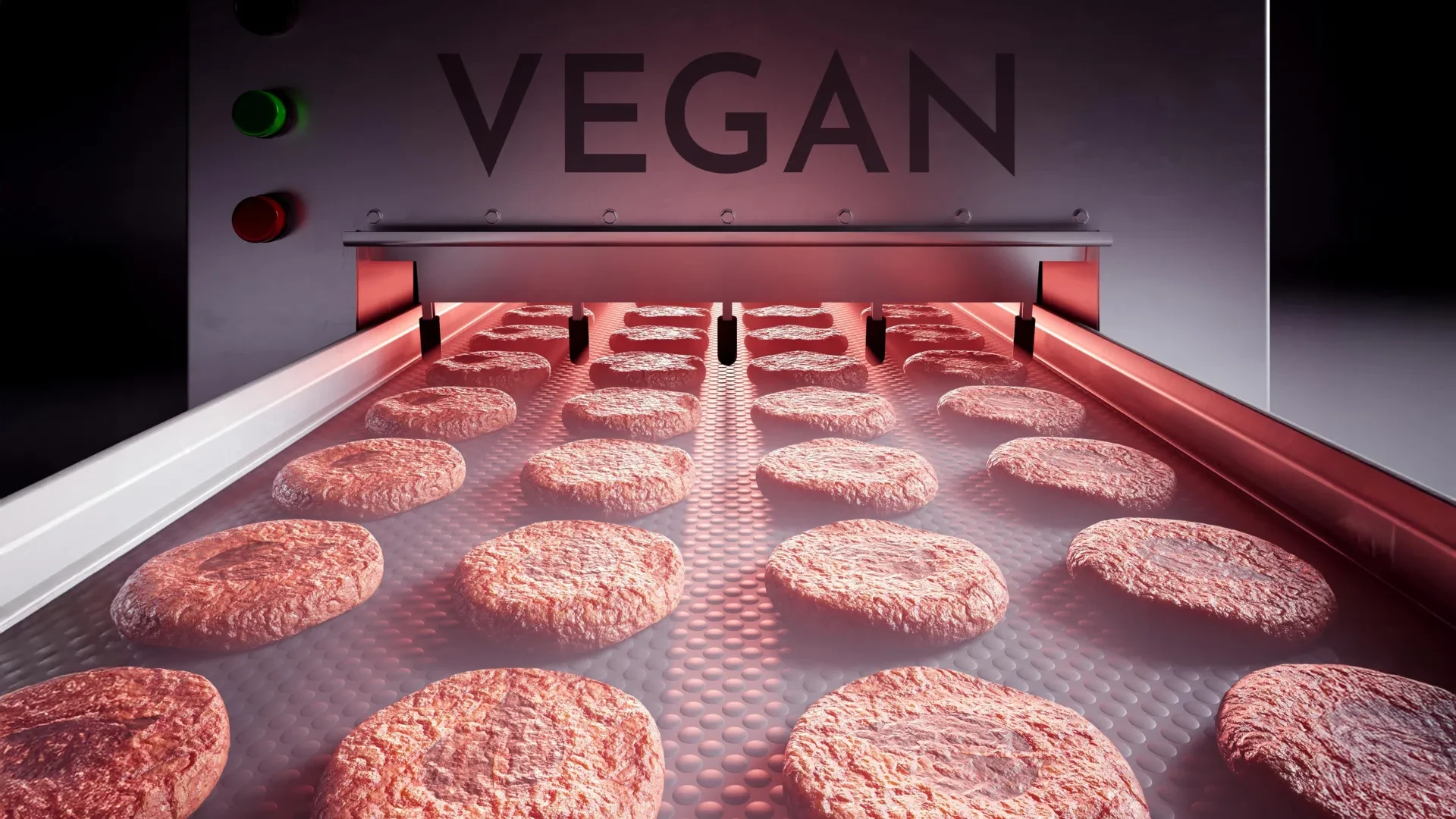
Pantry: Comprehensive Investigation Reveals Mycotoxins Across 212 Plant-Based Foods
Executive Overview
The global pivot toward plant-based diets—driven by environmental consciousness, health optimization, and ethical considerations—has permanently altered modern supermarket aisles. Shelves once dominated by animal proteins are now crowded with pea-protein burgers, soy-based sausages, and oat, almond, and soy beverages. However, a groundbreaking scientific investigation published in the journal Food Control has uncovered an invisible, naturally occurring hitchhiker riding along with this dietary revolution: every single plant-based product tested in a comprehensive UK market survey contained at least one fungal toxin.
The study, a collaborative effort spearheaded by researchers at the University of Parma in Italy alongside academic contributions from Cranfield University, analyzed 212 distinct vegetarian and vegan products. Astoundingly, 100% of the sample pool tested positive for at least one of 19 different mycotoxins—toxic chemical secondary metabolites produced by molds. Many of the items contained multiple contaminants simultaneously.
Before panic ripples through the vegetarian and vegan communities, researchers have issued a vital caveat: every single product tested registered mycotoxin concentrations well below recommended European Union (EU) safety guideline levels. This reassuring detail speaks volumes about the robust food quality controls maintained within the UK food manufacturing sector.
Nevertheless, the findings open a Pandora’s box of complex nutritional questions. Because mycotoxins are chemical substances that do not degrade easily during food processing, and because individuals adhering strictly to plant-based diets often consume multiple grain-, legume-, and seed-derived products daily, the phenomenon of cumulative dietary exposure takes center stage. While an occasional vegan burger or glass of oat milk poses virtually no acute health risk, the long-term, synergistic effects of ingesting a cocktail of low-level mycotoxins over months and years remain a frontier in nutritional toxicology. This investigative report explores the origins of these contaminants, the biochemistry of mycotoxins, expert commentary from leading mycologists, and the urgent call for modernized food safety regulations tailored to the burgeoning plant-based industry.
Detailed Chronology & Methodology of the Study
The path to these revealing findings began as part of a broader European Union-funded initiative known as the Horizon Europe FunShield4Med project (Grant Agreement No. 101079173), which seeks to understand and mitigate chemical and biological hazards in modern agricultural supply chains.
Sourcing the Market Basket
To mirror a realistic consumer experience, researchers targeted mainstream UK supermarkets, procuring a diverse cross-section of commercially available vegetarian and vegan products. The market basket was intentionally broad, capturing two major categories:
- Plant-Based Meat Alternatives (PBMAs): Including vegan burgers, vegetarian chicken pieces, vegan sausages, and minced meat substitutes primarily formulated from soy, wheat gluten, pea protein, and mycoprotein.
- Plant-Based Beverages (PBBs): Encompassing popular dairy substitutes such as oat, almond, rice, and soy milks.
In total, 212 distinct items were cataloged, prepared, and subjected to rigorous laboratory screening using advanced analytical chemistry techniques capable of detecting trace concentrations of fungal metabolites.
Laboratory Detection and Findings
When the mass spectrometry results were compiled, the research team made a striking discovery. Out of 19 targeted mycotoxins—compounds produced by various fungal species including Aspergillus, Penicillium, and Fusarium molds—not a single item in the 212-sample batch came back completely clean. Every product harbored at least one mycotoxin, and a significant proportion featured co-occurrences of multiple toxins within the same matrix.
Despite this universal presence, the quantitative analysis provided a strong counterweight to the initial shock factor. The concentrations of every detected mycotoxin fell safely below the strict regulatory thresholds established by European Union safety guidelines. The Parma and Cranfield research teams credited this to the rigorous sourcing, storage, and processing standards enforced throughout the UK supply chain.
However, detecting baseline safety compliance was only the first step. The true value of the study lies in establishing a baseline dataset for how complex, multi-ingredient manufactured foods carry agricultural contaminants from the farm gate all the way to the kitchen table.
Supporting Context & Metrics: The Science of Mycotoxins
To comprehend why plant-based products are universally susceptible to fungal toxins, one must examine the agricultural origins of vegan and vegetarian ingredients.
Why Plant-Based Foods Harbor Fungal Toxins
Unlike animal-based products—where mycotoxins may occasionally appear as a secondary residue if livestock consumed contaminated feed—plant-based foods are constructed directly from the raw crops most vulnerable to fungal attack. Grains (such as oats, wheat, and rice), legumes (such as soybeans, peas, and lentils), and oilseeds (such as almonds) are routinely exposed to ambient molds while growing in agricultural fields.
Crucially, fungal contamination does not always halt once a crop is harvested. If grains or legumes encounter suboptimal humidity and temperature conditions during post-harvest storage, transit, or silo holding, mold colonies proliferate. These fungi produce mycotoxins as chemical weapons or metabolic byproducts.
Defining Mycotoxins: Chemistry vs. Microbes
It is vital to draw a clear scientific distinction between living microbial pathogens and chemical mycotoxins:
- Bacteria and Viruses: These are living organisms that can multiply within food. Cooking or pasteurization can often neutralize them, though toxins left behind can still pose risks.
- Mycotoxins: These are stable, low-molecular-weight chemical compounds. Their presence does not mean the food is currently growing visible mold, nor does it mean the product is actively spoiling. Once a crop is contaminated in the field or silo, the mycotoxins remain chemically resilient through industrial processing, milling, extrusion, heating, and packaging.
The Cumulative Exposure Puzzle
This chemical resilience creates a unique exposure pathway for consumers who adopt heavily plant-centric diets. A traditional or omnivorous diet distributes risk across a wide array of food groups (meat, dairy, fish, vegetables, and grains). Conversely, a dedicated plant-based diet relies heavily on concentrated fractions of specific crops:
- Morning oat milk in coffee (oats).
- Midday soy-protein wrap (soy and wheat gluten).
- Evening pea-protein burger with almond-flour-based buns (legumes and tree nuts).
While each individual food item contains mycotoxin levels well below legal limits, an individual consuming multiple plant-derived specialty products daily experiences cumulative dietary exposure. The human body is forced to process a cocktail of different mycotoxin molecules derived from varied agricultural origins.
At sufficiently high concentrations, certain mycotoxins are well-documented carcinogens, nephrotoxins (damaging to the kidneys), hepatotoxins (damaging to the liver), and immunosuppressants. While the UK study did not suggest that eating plant-based foods causes these severe pathologies—given the low concentrations observed—it emphasizes that population-wide risk assessments must evolve to account for cumulative dietary patterns.
Official Statements & Expert Analysis
The publication of "Mycotoxin contamination in plant-based beverages and meat alternatives: A survey of the UK market" has generated considerable dialogue within the scientific and agricultural communities.
Balancing Caution with Perspective
Dr. Andrea Patriarca, Senior Lecturer in Mycology at Cranfield University and a leading authority on the subject, offered reassuring perspective while outlining the regulatory challenges ahead. Mycology, the specialized branch of biology dedicated to fungi, yeasts, and molds, views these organisms as ubiquitous components of the natural ecosystem.
"Mycotoxins occur naturally in foods and cannot be completely avoided," Dr. Patriarca explained. "As consumers, we should not be frightened or deterred from enjoying a variety of products. These findings are a testament to the safety and quality standards upheld by food producers, but they also point to structural gaps in how novel, multi-ingredient foods are monitored."
Dr. Patriarca highlighted that while traditional single-ingredient agricultural commodities (such as raw wheat or bulk corn shipments) face strict regulatory oversight and testing protocols at import and milling stages, modern ultra-processed plant-based foods present a complex regulatory blind spot. When a manufacturer blends processed soy isolate, oat flour, pea protein, vegetable oils, and natural flavorings into a single meat alternative, tracing the precise mycotoxin contribution of each raw material becomes exponentially more difficult.
Industry Collaboration and Policy Implications
To address these complexities, researchers from Cranfield University and the University of Parma are actively forging partnerships across the entire food supply chain—engaging agricultural producers, grain storage operators, and major food manufacturers.
The goal is not to demonize plant-based eating, but to implement integrated mycotoxin management systems directly into Good Manufacturing Practices (GMP). By monitoring raw materials rigorously before they enter industrial processing facilities, food companies can minimize baseline contamination levels further down the line. Furthermore, researchers are leveraging their new survey data to advise governmental policymakers and food safety agencies on how to protect vulnerable consumer sub-populations who derive 100% of their daily nutrition from plant sources.
Future Outlook: The Evolution of Plant-Based Food Safety
As the global plant-based foods market continues its exponential expansion—projected to reach tens of billions of dollars globally over the next decade—the scientific community agrees that food safety monitoring must evolve in tandem.
Key Takeaways for Consumers
- Do Not Abandon Plant-Based Diets: Nutritionists and toxicologists alike emphasize that the health benefits of consuming plant-rich diets—including reduced risks of cardiovascular disease, type 2 diabetes, and certain cancers—vastly outweigh the theoretical risks posed by trace, sub-regulatory mycotoxin exposure.
- Embrace Dietary Variety: The principle of a varied diet is the consumer’s best defense. Rotating through different brands, ingredient bases (e.g., swapping soy for pea or hemp protein), and beverage types reduces the likelihood of over-accumulating any single specific mycotoxin.
- Food Safety Standards Work: The UK market survey confirmed that existing regulatory frameworks and industry quality controls are successfully keeping chemical contaminants below mandated safety thresholds.
The Road Ahead for Researchers
The collaboration between the University of Parma and Cranfield University, backed by European Union funding through the Horizon Europe framework, is far from over. Next-phase investigations will focus on:
- Long-Term Dietary Modeling: Simulating various vegetarian and vegan meal plans to calculate precise cumulative mycotoxin burdens over multi-year periods.
- Vulnerable Demographic Analysis: Assessing whether specific groups—such as children raised on strict vegan diets, pregnant individuals, or those with compromised immune systems—exhibit different physiological responses to chronic, low-level mycotoxin exposure.
- Supply Chain Interventions: Developing rapid, cost-effective screening tools for food manufacturers to test incoming raw agricultural ingredients for fungal metabolites before they are processed into consumer goods.
Ultimately, this study should not be viewed as an indictment of the plant-based movement, but rather as a triumph of proactive food science. By shining a light on invisible agricultural contaminants before they pose a public health threat, researchers are ensuring that the future of modern, sustainable eating remains as safe as it is environmentally responsible.
