

Executive Overview
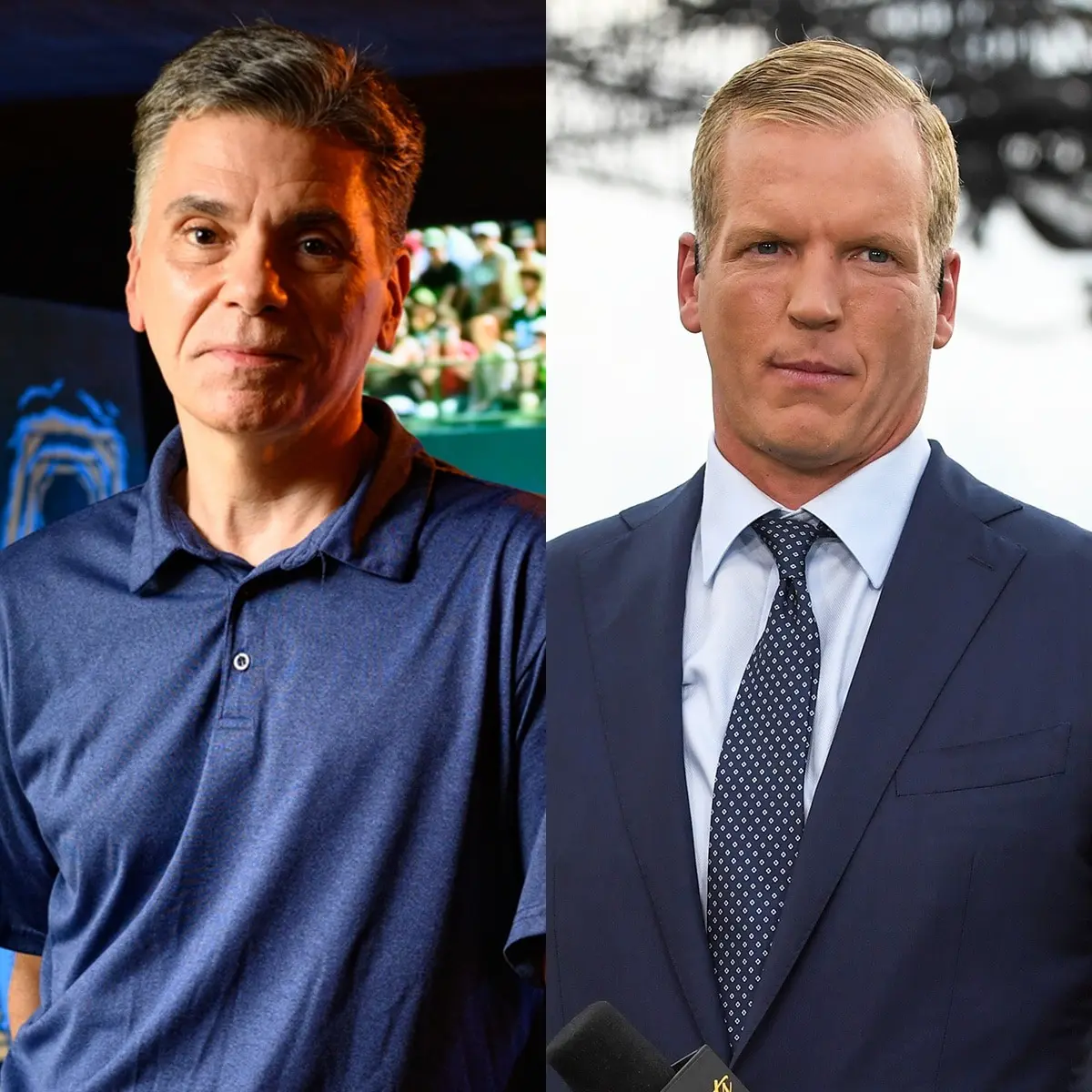
In the modern landscape of sports media, the line between casual banter and corporate liability is increasingly razor-thin. This reality was sharply underscored when longtime sports commentators Mike Florio and Chris Simms triggered a widespread corporate and public backlash during an episode of their widely followed podcast, Pro Football Talk Live (PFT Live).
The controversy erupted following remarks made by the duo regarding New England Patriots head coach Mike Vrabel’s appearance in the wake of the team’s grueling November 15 loss to the Detroit Lions in Munich, Germany. During the November 17 broadcast, Florio and Simms engaged in a conversational segment that heavily alluded to Nazi Germany and the distinct facial hair of Adolf Hitler. The remarks quickly drew the ire of league executives, network distributors, and listeners alike.
The National Football League (NFL) moved swiftly to distance itself from the commentary, issuing a stern rebuke characterizing the remarks as entirely unacceptable. Simultaneously, NBC Sports—which distributes the program—and the hosts themselves issued formal apologies. Yet, the fallout has reignited broader industry conversations regarding accountability, the boundaries of humor in sports commentary, and the sensitivity required when invoking historical atrocities in contemporary broadcasts.
This comprehensive report examines the chronology of the incident, the exact nature of the remarks, the official responses from the NFL and NBC Sports, and the broader implications for sports media ethics moving forward.
Detailed Chronology: From Munich to the Microphone
The Backdrop: Patriots in Munich
To understand the context of the controversy, one must trace the events back to the football field. On November 15, the New England Patriots traveled overseas to face the Detroit Lions in a high-stakes international regular-season matchup held in Munich, Germany. The game resulted in a difficult loss for the Patriots, placing intense scrutiny and pressure on head coach Mike Vrabel and his coaching staff as they navigated the back half of the NFL season.
International games carry unique cultural resonance, often immersing American teams in the local histories and global landscapes of their host cities. However, the intersection of geography, historical context, and sports commentary took a dark and unscripted turn just 48 hours after the final whistle blew in Munich.
The Pro Football Talk Live Broadcast (November 17)
On the Monday morning following the game, Florio and Simms convened for their regular broadcast of Pro Football Talk Live. While reviewing the weekend’s slate of games and dissecting the Patriots’ performance, the conversation inexplicably pivoted from tactical analysis to Vrabel’s physical appearance following the team’s return from Germany.
Chris Simms, a former NFL quarterback for the Denver Broncos, initiated the exchange by commenting on Vrabel’s facial hair.
"He got the German mustache to go along with that right now, too," Simms remarked during the live episode. "So, he was hitting all themes there over in Germany."
Mike Florio, the 61-year-old creator and front-man of Pro Football Talk, immediately leaned into the commentary, adding a layer that left little ambiguity regarding the historical implication.
"If you’re in Germany, you gotta be careful trimming the sides of that thing."
As the conversation continued, Simms chuckled while noting that Vrabel’s appearance abroad might prompt pedestrians on the street to do a double-take.
"Who’s that on the street over there? He put on a few pounds. Hold on, he’s big, holy crap."
Immediate Internal Resistance
Significantly, the offensive nature of the banter was immediately recognized within the production studio. According to on-air disclosures by Florio himself, the show’s producer, Gary Carter, could be heard audibly groaning off-camera in clear disapproval of the direction the conversation was taking.
Rather than heeding the warning of their production team, the hosts chose to brush off the producer’s discomfort on air. Florio acknowledged the reaction dismissively, stating:
"It’s funny, Gary. It was 80 years ago. Let us have some fun, for crying out loud."
This flippant dismissal of the historical weight attached to Nazi imagery and the Holocaust proved to be a critical miscalculation, accelerating public outrage once the clips circulated across social media platforms and digital sports outlets.
Supporting Context & Metrics: The Anatomy of a Media Crisis
The Reach and Influence of Pro Football Talk
The gravity of the incident is amplified by the sheer scale of the platform on which it occurred. Pro Football Talk is not a fringe outlet; it is an established powerhouse in professional football coverage.
- Platform Longevity: Mike Florio founded the brand in 2001, growing it from an independent blog into one of the most widely read and referenced football news sites in the industry. The digital property was later acquired by NBC Sports, cementing its status as an elite media destination.
- Distribution and Synergy: While Florio retains 100 percent equity in the intellectual property, NBC Sports serves as the primary distributor for the PFT Live podcast and video broadcast. This dual-layer corporate structure complicates accountability, placing pressure on both the independent creators and the corporate network.
- Audience Demographics: Reaching millions of dedicated NFL fans across digital, audio, and television formats, the podcast wields substantial influence over league narratives, making careless remarks on the platform uniquely damaging to the NFL’s brand equity.
The Historical Sensitivity of Nazi Imagery in Sports Media
The invocation of Adolf Hitler and Nazi Germany in lighthearted sports banter violates fundamental boundaries of professional journalism and broadcasting standards. In an era marked by rising antisemitism and heightened awareness of historical atrocities, comparing a football coach’s facial hair to that of the architect of the Holocaust is widely viewed as deeply insensitive.
Media ethicists note that while sports talk radio often relies on irreverent humor and hyperbole, invoking the symbols of genocide for comedic effect trivializes historical trauma. The producer’s audible groan during the live broadcast highlights a growing internal pushback within media production rooms against casual hate-adjacent humor, even if the on-air talent fails to read the room.
Official Statements and Corporate Fallout
The NFL’s Swift Condemnation
As the audio clips gained traction online, the National Football League felt compelled to intervene directly. The league has historically maintained a zero-tolerance posture toward offensive public commentary that brings the sport, its coaches, or its partners into disrepute, particularly when touching upon hate symbols and genocide.
In a definitive statement issued to Front Office Sports on November 18, NFL Executive Vice President Jeff Miller pulled no punches:
"We found the remarks inappropriate and offensive."
This swift intervention from the league office underscored the severity with which team executives and league officials viewed the incident, signaling that casual normalization of Nazi-adjacent humor by prominent accredited media members would not be ignored.
NBC Sports’ Response
As the distributor of the podcast, NBC Sports found itself in the crosshairs of the public relations crisis. While Florio retains equity ownership, the network’s association with the program subjected it to immediate calls for disciplinary action or a public stance.
A spokesperson for NBC Sports issued a concise statement to The Athletic:
"On yesterday’s PFT Live show, Mike and Chris made statements that were inappropriate. They have apologized."
While the network stopped short of announcing formal suspensions or terminations, the public reprimand served as an official warning regarding future conduct on the platform.
The Hosts’ Joint Apoptosis and Retraction
Facing mounting pressure from their corporate distributor, the league, and their audience, Florio and Simms released a joint statement via NBC Sports’ official press portal to address the fallout:
"On yesterday’s (Nov. 17) PFT Live show, we made comments that some found offensive and we apologize."
Notably, the joint statement framed the issue around listener perception ("that some found offensive") rather than an outright acknowledgment of the inherent inappropriateness of invoking Hitler’s mustache during a sports broadcast, a semantic choice that drew additional critique from media observers.
As of this writing, representatives for Patriots head coach Mike Vrabel have declined to comment publicly on the matter, choosing instead to keep the team’s focus locked on their upcoming schedule.
Future Outlook: Accountability and the Future of Sports Talk
The Changing Landscape of On-Air Etiquette
The Florio-Simms controversy serves as a watershed moment for sports talk media. For decades, the industry operated under an unwritten rule that anything goes behind the microphone in the pursuit of entertainment. However, the convergence of social media scrutiny, heightened corporate social responsibility, and zero-tolerance policies from major sports leagues like the NFL has permanently shifted the paradigm.
Commentators and podcasters operating under network banners can no longer rely on defensive retorts like "It was 80 years ago" without facing immediate professional and financial consequences. The incident highlights the urgent need for enhanced editorial oversight, sensitivity training, and compliance checks within digital sports broadcasting.
What Lies Ahead for PFT Live?
While Florio and Simms have issued their mandatory apologies and the NFL has registered its official displeasure, the long-term impact on their brand remains to be seen. Advertisers are increasingly sensitive to brand safety, and associating corporate products with casual Nazi allusions is a swift path to sponsorship withdrawal.
Moving forward, PFT Live will operate under intense scrutiny. Every joke, off-the-cuff remark, and historical reference will be weighed against the fallout of this November incident. For the NFL, the swift condemnation reinforces its ongoing commitment to maintaining cultural sensitivity and league dignity across all authorized media channels. Ultimately, this episode will be remembered not just for a misplaced joke about a football coach’s mustache, but as a stark reminder that in modern media, historical atrocities are never punchlines.
