


Executive Overview
The transition from the unstructured, relaxed days of summer to the high-demand, hyper-scheduled rhythm of the academic year is universally acknowledged as one of the most volatile periods in family life. For parents and children alike, the back-to-school season serves as an annual crucible of heightened anxiety, logistical overload, and emotional recalibration. Recent psychological and sociological assessments of family dynamics reveal that this seasonal pivot triggers elevated cortisol levels, strained interpersonal relationships at home, and acute anticipatory stress among children spanning preschool to adolescence.
Against this backdrop of heightened domestic pressure, seasoned parents and family wellness advocates are shifting away from purely utilitarian preparation—such as the last-minute acquisition of notebooks and pencils—toward intentional, emotionally resonant rituals. Drawing upon twelve cumulative years of parenting experience through successive academic cycles, contemporary household management strategies indicate that transforming the prelude to the school year into a celebratory, low-stakes period can fundamentally alter a child’s psychological outlook.
This report examines the structural, emotional, and consumer-driven dimensions of modern back-to-school preparation. By analyzing seven distinct intervention points—ranging from domestic culinary traditions and strategic apparel procurement to developmental literature and adolescent autonomy support—this document outlines a comprehensive blueprint for mitigating familial stress. The findings suggest that when parents deliberately inject festivity, predictability, and emotional validation into the final weeks of August, the traditional dread associated with the classroom’s return is replaced by a resilient sense of anticipation.
Detailed Chronology of the Seasonal Pivot
The process of resetting a household for the academic calendar cannot be executed overnight; rather, it requires a carefully paced chronological sequence that addresses both physiological readiness and emotional grounding.
Phase One: Establishing Anticipatory Joy (The Pre-Eve Rituals)
The psychological architecture of a successful school year begins days, and sometimes weeks, before the school doors officially open. Clinical child psychologists emphasize that the brain processes unknown futures through the lens of anxiety unless given a competing, positive narrative.
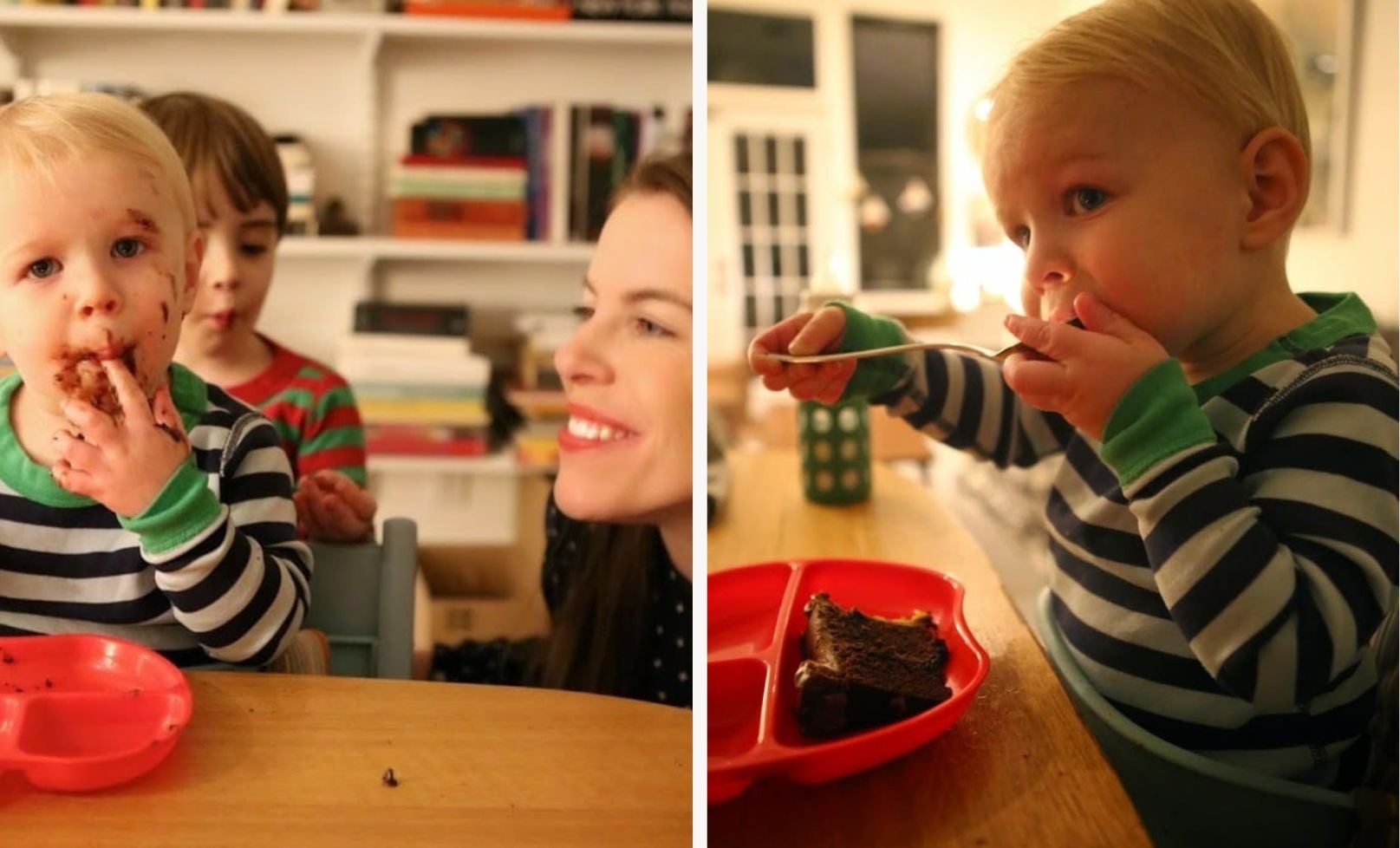
- The Culinary Anchor: Introducing specialized, comforting breakfast routines—such as warm, freshly baked zucchini-and-chocolate-chip or apple cider muffins—serves a dual purpose. It stabilizes blood sugar during a time of erratic sleep schedules while establishing a sensory anchor that makes the impending school day feel distinct and valued, rather than dreaded.
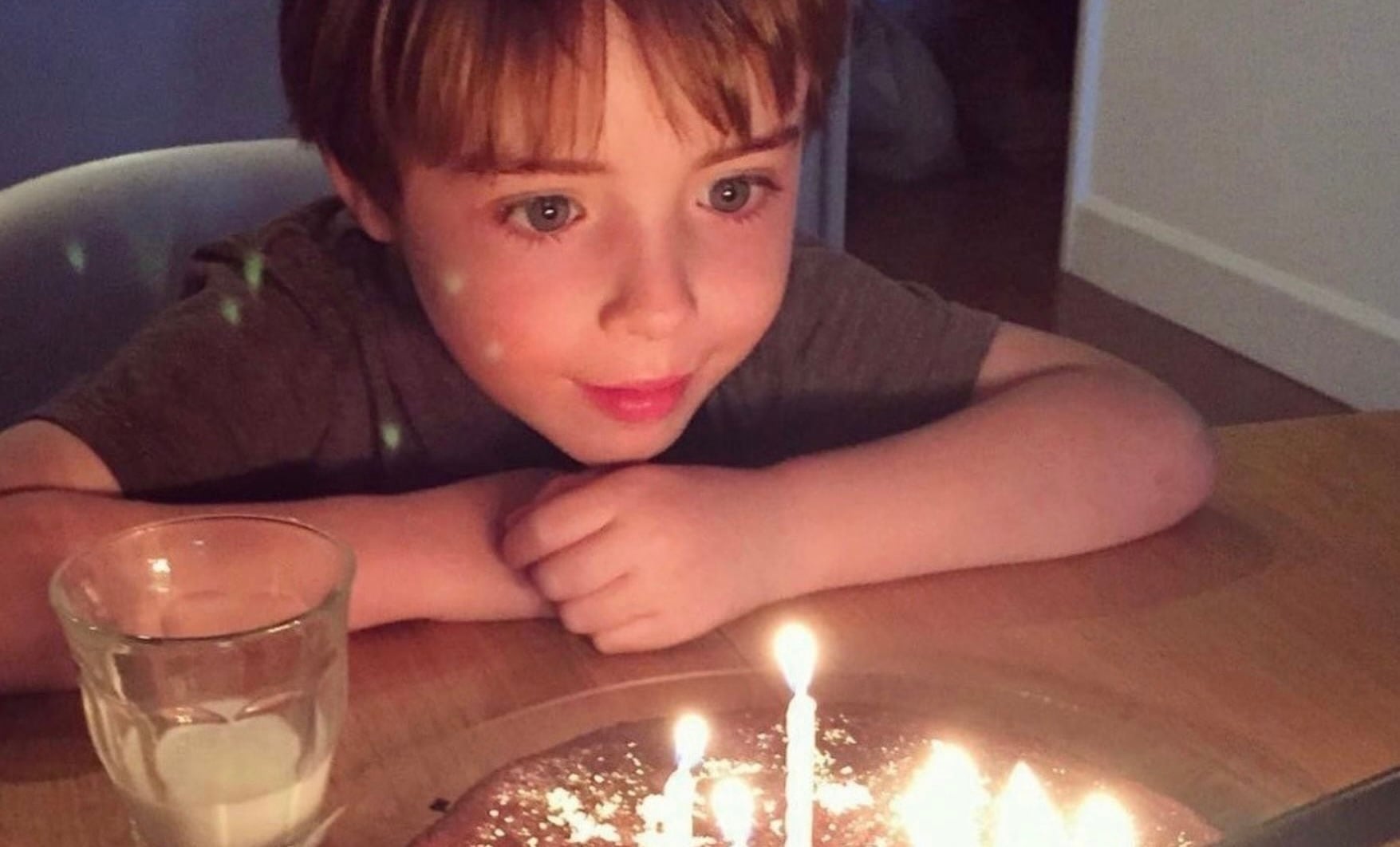
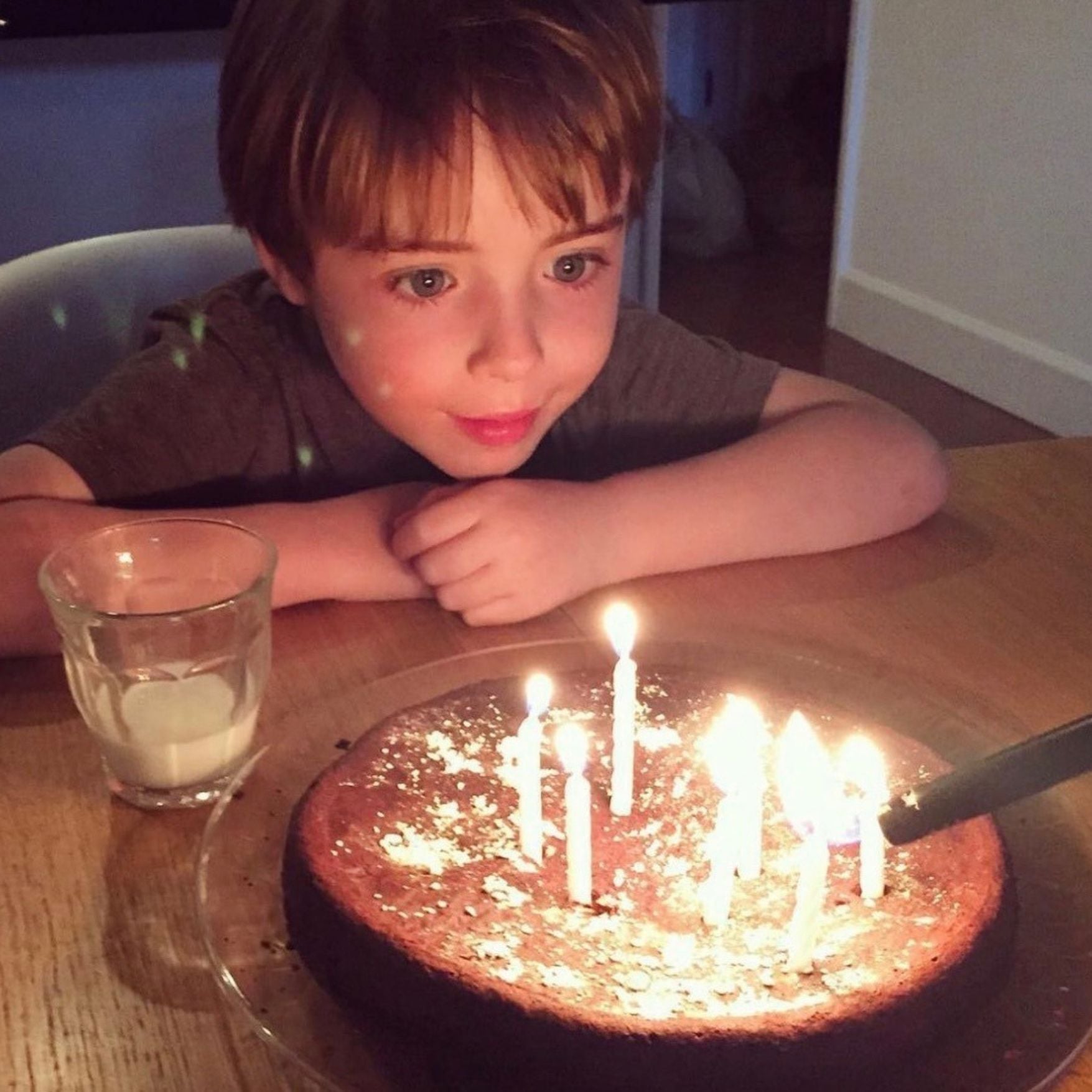
- The Paradigm Shift of the "Night-Before Cake": Perhaps the most subversive yet effective domestic tradition involves serving a full celebration cake complete with lit candles on the evening prior to the first day of school. By reframing a night historically characterized by nervous insomnia and fretful pacing into an actual celebration—complete with a bakery-fresh confection—parents signal to children that starting a new grade is an achievement worthy of immediate joy. Even as children mature into their teenage years, this ritual acts as a psychological bridge, transforming raw nerves into manageable excitement.
Phase Two: Tactical Logistics and Behavioral Conditioning
As the calendar inches closer to day one, the focus shifts from emotional framing to tangible preparation. This phase addresses the friction points of daily logistics, transforming mundane chores into predictable rituals.

- Apparel and Identity Procurement: The ritual of acquiring school clothing has historically served as a rite of passage. Modern consumer behavior trends point toward streamlined, high-utility sourcing (such as multi-item collections from brands like Quince offering durable cotton sweaters, pique polos, and colorful backpacks), which reduces the decision fatigue plaguing both parents and children on weekday mornings.
- The Sock Taxonomy: A surprising yet prevalent source of domestic friction involves the ubiquitous disarray of children’s socks. Establishing a color-coded system—assigning distinct monochromatic sock supplies to specific children (e.g., white for younger siblings, black for older)—not only curbs the chaotic post-laundry sorting process but imparts a foundational sense of personal accountability and spatial organization to the children involved.
Phase Three: Developmental and Generational Adaptation
As children progress through distinct developmental stages, the strategies required to ease their transition must evolve correspondingly. A rigid, one-size-fits-all approach to back-to-school preparation inevitably fails as children transition from the dependency of early childhood to the complex autonomy of adolescence.
- Early Childhood Literacy Interventions: For toddlers and preschoolers encountering institutional environments for the first time, abstract reassurances often fall short. Incorporating classic bibliotherapeutic tools, such as Audrey Penn’s The Kissing Hand, bridges the cognitive gap. By utilizing a tangible metaphor—a mother raccoon kissing her young son’s palm to provide him with courage throughout the school day—parents provide young children with a portable, somatic reminder of unconditional support.
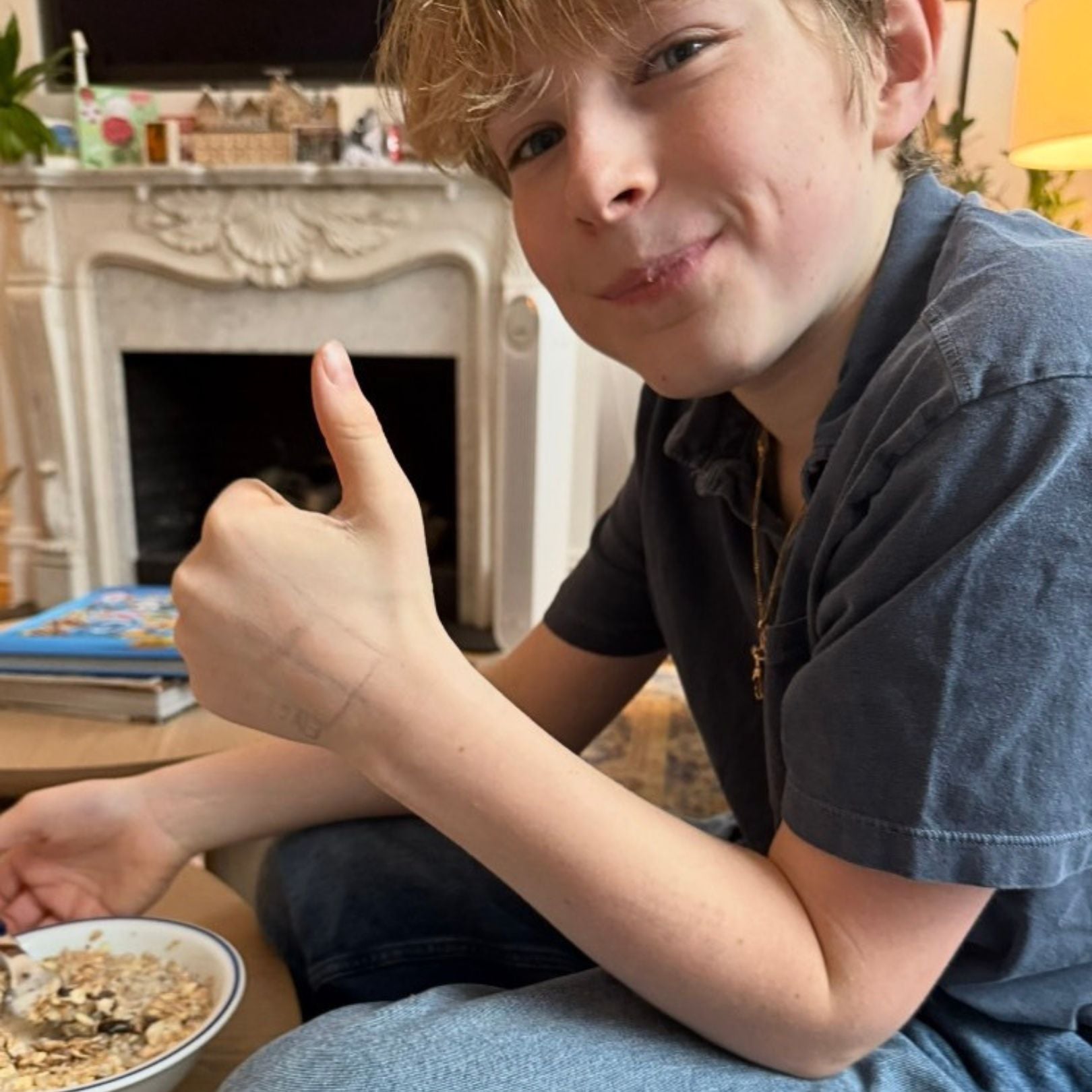
- Adolescent Autonomy and the Bridge to Independence: Entering the teenage years introduces a complex psychological dichotomy: adolescents maintain one foot firmly planted in childhood dependency while aggressively testing the waters of adulthood. Anecdotal and behavioral tracking from multi-child households illustrates this paradox clearly, such as the teenager who aggressively slams his bedroom door only to demand emotional cuddling moments later. To navigate this liminal space safely, parents are increasingly utilizing modern trust-building tools. Providing autonomous assets, such as designated gift cards for digital ecosystems (e.g., Apple Gift Cards for AirPods, accessories, music, and media), grants teenagers a controlled degree of financial and lifestyle freedom without sacrificing parental oversight.
Supporting Context & Metrics
To fully understand the necessity of structured back-to-school interventions, one must examine the broader socio-economic and psychological landscape of modern parenting.
The Financial and Emotional Toll
According to recent retail and family wellness surveys, the average household expenditure on back-to-school supplies and apparel has steadily climbed, placing considerable financial stress on families. Concurrently, pediatric mental health organizations report a measurable spike in diagnosed anxiety symptoms among school-aged children during the final week of August.
- Sleep Disruption Metrics: Studies indicate that children lose an average of 45 to 60 minutes of sleep per night during the first two weeks of the academic term due to anticipatory anxiety and the abrupt shift in circadian rhythms.
- Parental Burnout: Over 68% of surveyed parents report experiencing acute stress or "weepiness" during the first-week drop-off period, driven by a combination of empathy for their children’s separation anxiety and the overwhelming cognitive load of managing new schedules.
The Role of Communal Support Networks
Beyond domestic rituals and consumer solutions, psychological resilience among parents relies heavily on peer-to-peer validation. The phenomenon of parents lingering outside school gates, peering through fences in search of a glimpse of their departing children, highlights the profound emotional investment inherent in raising children.

Experts strongly recommend establishing an immediate support system—specifically enlisting a seasoned friend or mentor who has already navigated older children through the educational pipeline. This "speed-dial" safety net provides immediate cognitive reframing, reminding stressed caregivers that their emotional responses are entirely normal and that, ultimately, they are executing a remarkably difficult job with grace.
Official Statements & Expert Perspectives
Educational psychologists, family counselors, and veteran parents converge on a singular consensus: intentionality is the primary antidote to seasonal stress.

"The transition back to school is not merely a logistical shift; it is an emotional renegotiation of the family contract," notes Dr. Elena Vance, a prominent developmental psychologist specializing in childhood anxiety. "When parents introduce predictable, celebratory touchpoints—whether it is a midnight-before cake or a tactile reassurance like a ‘kissing hand’—they provide the child’s nervous system with a sense of safety. Safety breeds curiosity, and curiosity is the foundational engine of learning."
Educators echo this sentiment, emphasizing that children who arrive at the classroom door feeling emotionally secure and physically prepared demonstrate higher levels of engagement and lower rates of behavioral disruption.

Furthermore, consumer analysts point out that modern retail adaptation plays a supportive role in this ecosystem. Brands that focus on durable, low-maintenance basics—ranging from easy-care apparel to standardized daily essentials like coordinated hosiery—actively reduce the invisible labor traditionally shouldered by working parents.
Future Outlook
Looking toward the horizon of family life and educational development, the methodologies surrounding seasonal transitions are projected to undergo further refinement. As remote and hybrid work models continue to alter the domestic landscape, parents are increasingly empowered to design flexible, highly personalized rituals that prioritize mental health alongside academic achievement.
Future trends in back-to-school preparation are anticipated to place an even greater emphasis on:
- Proactive Mental Health Check-Ins: Integrating mindfulness and emotional check-ins into the weekly routine well before the school bell rings.
- Sustainable Consumer Choices: A decisive pivot away from fast-fashion school shopping toward durable, multi-season garments and ethical supply chains that teach children environmental responsibility alongside organization.
- Digital Literacy Boundaries: Implementing structured frameworks for adolescent digital consumption, utilizing gift cards and controlled allowances to teach financial literacy and digital stewardship.
Ultimately, the chaotic threshold of the school year will remain a perennial challenge for families. However, by weaponizing joy, embracing structured predictability, and leaning into communal networks of support, parents can successfully transform a traditionally stressful rite of passage into an enduring, cherished family tradition.