

Executive Overview
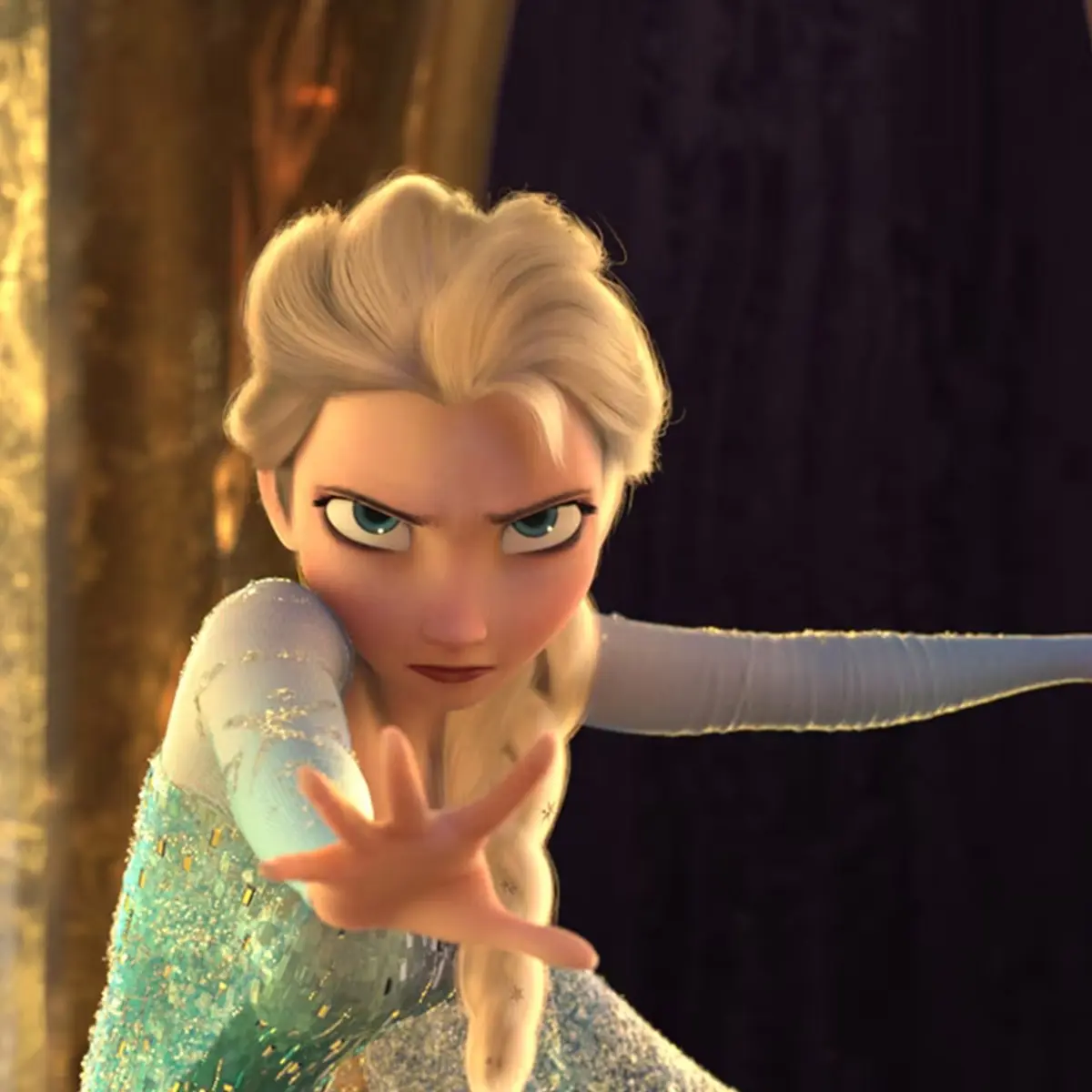
Over a decade after its historic November 2013 theatrical debut, Walt Disney Animation Studios’ Frozen remains an unshakeable juggernaut of modern pop culture. Grossing a staggering $1.31 billion globally upon its initial release, the film successfully thawed box office expectations and birthed an unprecedented multimedia empire. With Frozen 2 expanding the lore in 2019, and both Frozen 3 and Frozen 4 currently in active development at the studio, public fascination with the franchise’s inner workings—and the financial compensation of its principal cast—remains at an all-time high.
Recently, the entertainment industry was set ablaze by viral reports alleging that core voice actors Kristen Bell (Princess Anna), Idina Menzel (Queen Elsa), Jonathan Groff (Kristoff), and Josh Gad (Olaf) were collectively raking in an astronomical $60 million payday for their continued work on the upcoming sequels. However, during an exclusive red-carpet appearance at the Actor Awards, Bell stepped forward to permanently set the record straight, dismissing the sensationalized figures as complete fiction.
Beyond salary speculation, a retrospective look at the making of Frozen reveals a turbulent, near-decade-long developmental journey. Long before it became a billion-dollar cultural touchstone, the film was notorious for being a narrative "fixer-upper." Early iterations featured a one-dimensional, villainous Elsa, an entirely different sisterless dynamic, a vastly different Olaf, and an original ending that left creative teams scrambling to find the emotional core that would eventually captivate the world.
Detailed Chronology: From Hans Christian Andersen to the Kingdom of Arendelle
The genesis of Disney’s Frozen spans nearly a century of false starts, shelved concepts, and creative reinventions.
- 1937–2002 (The Early Development Era): The source material, Hans Christian Andersen’s bleak 1845 fairy tale The Snow Queen, first caught the attention of Walt Disney himself in 1937 as a potential hand-drawn feature. The project languished for decades until a modern adaptation was formally resurrected in 2002. Subsequent attempts to crack the code stalled repeatedly throughout the mid-2000s due to structural issues with the narrative.
- 2008 (The Turning Point): Director Chris Buck (Tarzan) re-entered the fold in 2008, bringing a fresh perspective. However, the story at this stage bore almost no resemblance to the final product. Elsa was conceived as a jilted bride who froze her own heart to avoid feeling pain, rendering her a literal, unfeeling villain. Anna and Elsa were not sisters; they lived in separate parts of the same village, with Anna acting as the moral compass trying to redeem an explicitly evil monarch.
- 2011 (Official Greenlight): Buoyed by the massive commercial success of Tangled (2010), Disney officially commissioned the project under working titles before settling on Frozen.
- 2012 (Historic Leadership): Screenwriter Jennifer Lee was elevated to co-director, marking a monumental milestone in animation history as the first woman to direct a feature-length animated film for Walt Disney Animation Studios.
- November 27, 2013 (The Theatrical Release): Frozen debuted in theaters, instantly shattering box office records, earning widespread critical acclaim, and eventually securing two Academy Awards (Best Animated Feature and Best Original Song for "Let It Go").
- November 2019 (The Sequel Era): Frozen 2 arrived in cinemas, shattering its predecessor’s records to become one of the highest-grossing animated films of all time.
- March 2026 (The Salary Clarification): Amid mounting rumors regarding an impending $60-million franchise payout, Kristen Bell publicly debunked the figures during the Actor Awards, reaffirming her lifelong commitment to the character of Princess Anna.
Supporting Context & Metrics: Decoding the Billion-Dollar Franchise
To fully grasp the magnitude of Frozen, one must examine the hard metrics and complex production hurdles that defined its legacy.
Box Office and Cultural Impact
- Global Box Office: The 2013 original film grossed $1.31 billion worldwide, while its 2019 sequel surpassed expectations to clear $1.45 billion.
- Music Sales: The film’s iconic anthem, "Let It Go"—written by the songwriting duo Robert Lopez and Kristen Anderson-Lopez after an inspirational walk through Prospect Park—sold over 10 million copies in 2014 alone.
- Casting Anomalies: Before landing their historic roles, both Menzel and Bell originally auditioned for Disney’s Tangled alongside actor Santino Fontana (who voiced Prince Hans). In a legendary pre-casting session, Menzel and Lee read through the entire script and sang a deeply emotional, impromptu duet of "Wind Beneath My Wings" as sisters, instantly convincing producers of the emotional gravity the movie could achieve.
Narrative Salvage Operations
The realization that Frozen needed a massive systemic overhaul came down to critical creative pivots:
- The Sisterhood Revelation: When early screenings tested poorly because audiences felt no emotional attachment to a villainous Elsa, art director Michael Giaimo and the creative team proposed a radical fix: What if Anna and Elsa were sisters? This single conceptual shift transformed Elsa from a one-dimensional antagonist into a tragic, multi-dimensional character struggling with isolation and fear.
- The Olaf Problem: Originally conceived as Elsa’s terrifying, primary snow-guard (a role partially inherited by the monster Marshmallow), the character of Olaf was entirely rewritten. The breakthrough occurred when actor Josh Gad improvised the line comparing himself to a "baby unicorn," injecting the character with an innocent, comedic vulnerability that anchored the film’s lighter moments.
- Hidden In-Jokes and Shared Universes: Bell famously ad-libbed Anna’s signature catchphrase, "Wait, what?", and even managed to sneak a slightly risqué lyric ("Why have a ballroom with no balls?") past studio censors during the song recording sessions. Furthermore, minor visual Easter eggs led to the enduring, wild fan theory connecting Frozen, Tangled, and The Little Mermaid—with co-director Chris Buck even playfully suggesting that Arendelle’s shipwrecked King and Queen washed ashore to raise the infant who would grow up to be Tarzan.
Official Statements: Kristen Bell Addresses the Payday Speculation
The financial speculation surrounding the principal voice cast reached a fever pitch following unverified industry reports claiming that Bell, Menzel, Groff, and Gad had secured a cumulative $60 million compensation package for the upcoming third and fourth installments of the franchise.
Speaking directly to Entertainment Tonight correspondent team on the red carpet at the March 2026 Actor Awards, Bell didn’t mince words when addressing the viral rumors:
"I think there’s been a lot misreported about that Frozen deal. No, no, no, no, no—that’s somebody making a lot of things up."
However, the actress was quick to temper her denial with genuine appreciation for her long-standing relationship with the Walt Disney Company, emphasizing that while the multi-million-dollar figures are exaggerated, the role remains a profound professional blessing.
"That said, am I happy to have that job, and does it pay very well because it’s a successful franchise? Yes," Bell added, reflecting on her thirteen-year tenure as Princess Anna. "And I’m so grateful for it, and I will continue to do it for the rest of my life if they’ll have me."
Future Outlook: The Expanding Horizon of Arendelle
As Walt Disney Animation Studios looks toward the horizon, the Frozen franchise shows no signs of slowing down. With Jennifer Lee and her creative successors charting the course for both Frozen 3 and Frozen 4, the studio is currently tasked with maintaining the high standard of emotional storytelling, complex familial dynamics, and culturally transcendent music that defined the first two films.
For the cast, led by Kristen Bell’s unwavering enthusiasm, the icy kingdom of Arendelle is more than just a lucrative professional endeavor—it is a lasting legacy. As long as audiences continue to embrace the timeless themes of love conquering fear, Bell, Menzel, Groff, and Gad stand ready to answer the call, ensuring that the magic of Disney’s defining modern fairy tale will endure for generations to come.
