

Executive Overview
For generations, the boundless, pitch-black expanse of the deep ocean has been viewed by marine scientists as a natural refuge—a remote subterranean sanctuary shielded from the relentless environmental pressures, industrial encroachment, and habitat degradation transforming coastal waters and terrestrial ecosystems. Because the abyss spans immense geographic ranges and remains largely isolated from the immediate surface impacts of human activity, conventional marine biology has long operated under the comforting assumption that deep-sea creatures possess an inherent resilience, capable of weathering sweeping ecological changes.
However, groundbreaking new research led by marine scientists at Florida International University (FIU) shatters this long-held paradigm. Drawing upon an unprecedented twelve-year archive of genetic data, researchers have uncovered alarming, hidden signs of extinction risk in five distinct deep-sea species inhabiting the waters hundreds of meters beneath the surface of the Gulf of Mexico. The findings suggest a quiet, insidious biodiversity crisis is unfolding out of sight in one of the planet’s most extensive and least understood environments.
The study, spearheaded by FIU marine scientist Pedro A. Peres of the renowned Bracken-Grissom Lab, focused on three species of lanternfish and two species of deep-sea shrimp collected across systematic expeditions spanning from 2011 to 2023. By extracting and analyzing the mitochondrial and nuclear DNA of 486 individual specimens, the research team evaluated how population dynamics shifted over time and measured the animals’ physiological capacity to withstand future environmental shocks. Every single species examined displayed genetic markers traditionally associated with heightened extinction risks—most notably, a startling contraction in genetic diversity and remarkably low effective population sizes.
These revelations carry profound implications for global conservation strategies. They demonstrate that tracking mere population abundance—counting visible specimens in localized trawls—is woefully inadequate for assessing the true health of deep-sea ecosystems. As climate change accelerates, warming oceans, shifting oxygen minimum zones, and anthropogenic disasters like the 2010 Deepwater Horizon oil spill threaten to squeeze these already vulnerable populations into shrinking ecological bottlenecks. The FIU study serves as a definitive wake-up call to the scientific community: the deep ocean is not an unassailable fortress, and its silent inhabitants may be far closer to the brink than humanity ever imagined.
Detailed Chronology
To comprehend the magnitude of the FIU team’s discoveries, it is essential to trace the meticulous timeline of research, methodology, and analytical milestones that brought these hidden genetic vulnerabilities to light.
The Foundation: 2011–2023 Specimen Collection
The groundwork for this comprehensive study was laid over more than a decade of rigorous offshore sampling. Between 2011 and 2023, marine researchers embarked on numerous oceanographic expeditions into the Gulf of Mexico. These missions targeted the mesopelagic and bathypelagic zones—depths ranging from 200 to over 1,000 meters beneath the surface, where sunlight dwindles to absolute darkness and water temperatures hover perpetually near freezing.
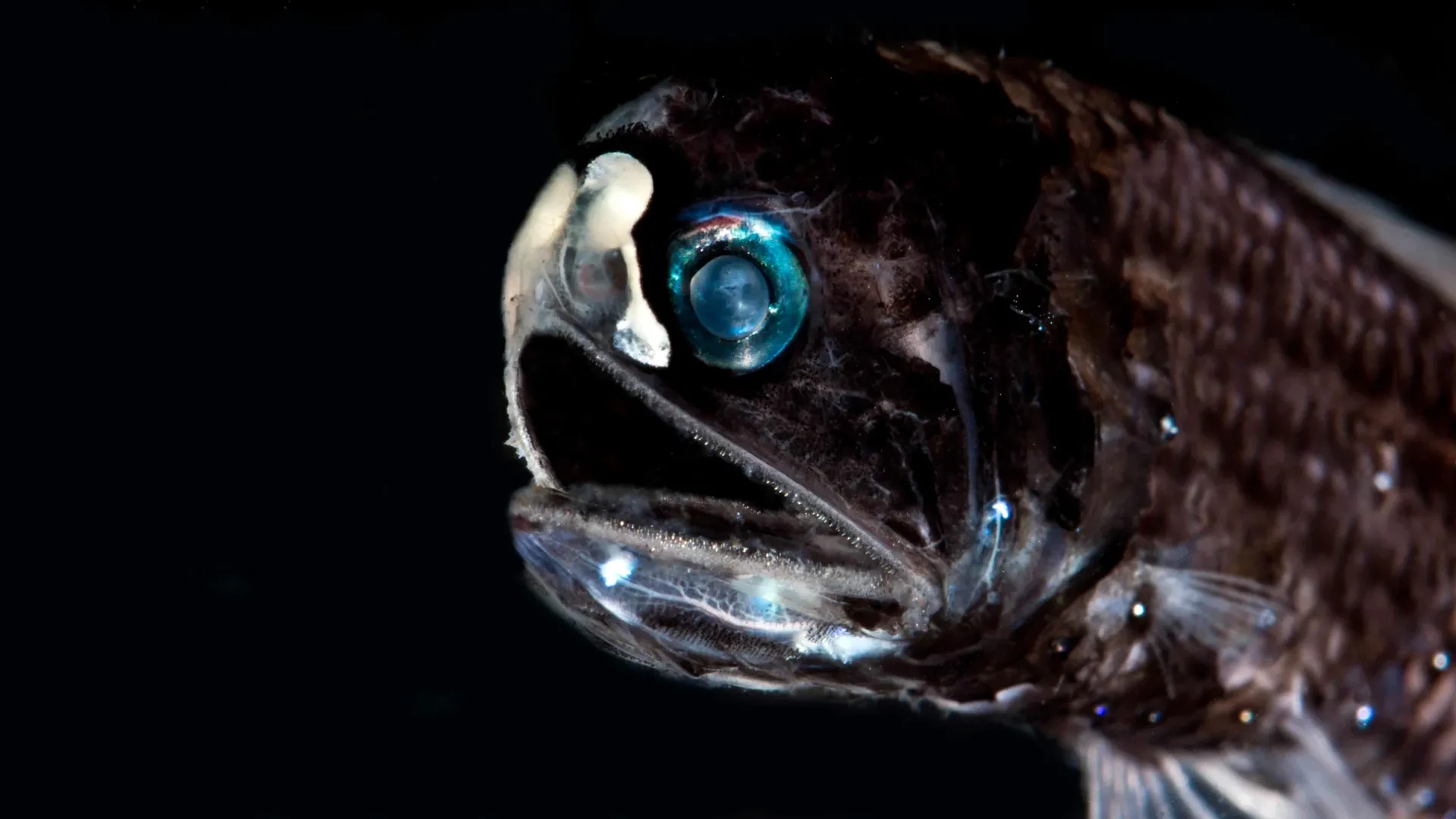
During these cruises, scientists systematically collected specimens using specialized midwater trawls designed to capture fragile deep-sea fauna with minimal physical damage. Among the myriad organisms brought to the surface, the research team isolated five primary target species: three species of shimmering, vertically migrating lanternfish (including Diaphus dumerilii) and two species of specialized deep-sea shrimp. These taxa play vital ecological roles in the biological carbon pump, acting as a crucial trophic bridge by feeding on surface-derived organic matter sinking from above and, in turn, serving as prey for larger pelagic predators such as tunas, billfishes, and marine mammals.
Laboratory Analysis and DNA Sequencing
Once secured, tissue samples from the collected specimens were cataloged, preserved, and transported to the Bracken-Grissom Lab at Florida International University. Over the ensuing months and years, the research team—including co-authors Keith Sellers of FIU and Dr. Tracey T. Sutton of Nova Southeastern University—embarked on a massive genetic sequencing initiative.
The scientists extracted and analyzed DNA from a total of 486 individual specimens. By examining specific genetic loci across these samples, the team could construct high-resolution genealogical profiles. This approach allowed them to reconstruct the historical demography of each species, observe how genetic variance fluctuated year over year, and calculate the effective population sizes of these deep-sea organisms. Crucially, this longitudinal genetic tracking offered a dynamic view of population health that static, point-in-time observational surveys can never achieve.
The 2010 Deepwater Horizon Context
While the genetic dataset spans from 2011 to 2023, the historical shadow of the April 2010 Deepwater Horizon oil spill hangs heavily over the chronology of the region. In the immediate aftermath of the disaster, independent scientific assessments revealed catastrophic localized mortalities and long-term physiological impacts across deep-sea coral communities and pelagic fauna residing within the plume zones.
The FIU research team integrated this historical timeline into their analysis, seeking to determine whether the genetic anomalies they observed in the 2011–2023 window bore any scars from the unprecedented industrial catastrophe. While a direct causal link between the oil spill and the specific genetic shifts could not be definitively proven within the scope of the genetic models, the chronological alignment provided a chilling realization: the Gulf’s deep-sea ecosystems were subjected to massive environmental stress at the exact moment their underlying genetic resilience was already compromised.
Supporting Context & Metrics
The empirical data gathered by Peres, Bracken-Grissom, and their colleagues challenge foundational dogmas in marine ecology. To understand why these new findings have sent shockwaves through the scientific community, one must examine the specific metrics and ecological principles at play.
The Illusion of Abundance and Geographic Scale
Historically, deep-sea conservation science has labored under the assumption of "marine hyper-dispersal." Because the deep ocean is a continuous, interconnected fluid medium devoid of obvious physical barriers (such as mountains or rivers that fragment terrestrial habitats), scientists naturally assumed that deep-sea species maintained massive, panmictic (freely interbreeding) populations distributed across entire ocean basins.
However, the FIU study shatters this comforting narrative by parsing the difference between census population size and effective population size ($Ne$).
- Census Population Size: The total number of individual organisms physically present in a given area. When oceanographers deploy nets and acoustic sensors, they often encounter millions of lanternfish and shrimp, leading to the assumption that these populations are thriving.
- Effective Population Size ($Ne$): The number of breeding individuals in a population who successfully pass on their genetic material to the next generation.
The genetic data revealed that all five examined species possessed remarkably low effective population sizes relative to their visible abundance. This indicates that despite millions of animals swimming in the Gulf’s twilight zone, the actual pool of reproducing adults driving genetic continuity is dangerously restricted. Consequently, these populations are highly susceptible to inbreeding depression and random genetic drift, both of which erode adaptive potential over time.
Quantifying Loss: The Case of Diaphus dumerilii
The most striking metric to emerge from the laboratory analysis centered on Diaphus dumerilii, a prominent species of lanternfish. Over the concise twelve-year sampling window, this single species exhibited an approximate 8% reduction in overall genetic diversity.
In evolutionary biology, genetic diversity is accumulated and lost over immense stretches of geological time. Witnessing an 8% contraction in a mere decade is an evolutionary flash flood. To put this into perspective, this rate of genetic erosion matches or exceeds the declines documented in critically endangered terrestrial and coastal species—such as certain populations of rhinos, large cats, and island-endemic birds—that are subjected to intense, immediate anthropogenic pressures.
Habitat Projections for 2050 and 2100
Beyond examining past genetic drift, the research team deployed advanced ecological niche and climate modeling to forecast how shifting oceanographic conditions will impact deep-sea habitats in the decades to come.
By analyzing variables such as deep-water temperature, salinity, dissolved oxygen concentrations, and nutrient fluxes under standard climate change scenarios, the models generated stark projections for the mid- and late-21st century:
- Severe Habitat Contraction: Four out of the five studied species face staggering habitat losses in the Gulf of Mexico.
- Up to 70% Loss: Under worst-case carbon emission trajectories, suitable deep-sea habitats for these vulnerable species could shrink by as much as 70% by the year 2100.
As climate change drives ocean warming and expands oxygen minimum zones (OMZs) at mid-depths, deep-sea species will be squeezed into increasingly narrow vertical and horizontal bands of tolerable environment. Populations already crippled by low genetic diversity will lack the physiological plasticity required to adapt to these rapidly shifting parameters, setting the stage for localized extinctions or cascading ecosystem collapses.
Official Statements & Expert Perspectives
The gravity of these findings has drawn strong commentary from the researchers and broader academic circles, emphasizing the urgent need for a paradigm shift in how humanity manages and monitors oceanic life.
"This challenges the idea that deep-sea species are naturally more resilient because they occupy such vast environments," stated Pedro A. Peres, lead author of the study and a marine researcher at the Bracken-Grissom Lab. "It shows how much we can miss when we look only at population abundance without considering their genetic diversity and long-term viability."
Peres highlighted that the traditional reliance on visual and trawl-based abundance surveys creates a false sense of security. An ocean basin can appear teeming with life on the surface, yet the underlying genetic health of those populations can be hollowed out.
Dr. Heather Bracken-Grissom, assistant director of the Institute of Environment’s Coastlines and Oceans Division at FIU and co-author of the study, elaborated on the biological mechanisms that make genetic diversity non-negotiable for survival:
"Genetic diversity provides the variation populations need to adapt to changing conditions, resist disease, and recover from environmental disturbances," Bracken-Grissom explained. "When that diversity disappears, a species can also lose the ability to withstand future threats."
Addressing the historical context of industrial accidents in the Gulf, Peres pointed out that the interaction between inherent genetic vulnerability and sudden environmental shock creates a ticking time bomb for marine biodiversity:
"Our results suggest some deep-sea populations may have already been genetically vulnerable before the Deepwater Horizon oil spill," Peres noted. "This has important implications for understanding the consequences of environmental disturbances. Events such as oil spills may affect populations that already have limited genetic resilience."
Reflecting on the broader methodological shortcomings of current marine conservation policy, Peres issued a stark warning to the international scientific community:
"This study serves as a wake-up call for the scientific community, highlighting the urgent need to integrate genetic monitoring into biodiversity assessments and emphasizing the importance of long-term monitoring to better understand and detect changes in marine populations over time."
Future Outlook
The revelations brought to light by Peres, Bracken-Grissom, and their co-authors—Keith Sellers and Tracey T. Sutton—mark a definitive turning point in marine conservation science. The narrative that the deep ocean is an untouchable sanctuary impervious to human folly has been decisively dismantled. As climate change continues to re-engineer ocean chemistry, temperature gradients, and circulation patterns, the hidden inhabitants of the Gulf of Mexico face a future fraught with unprecedented peril.
Addressing this silent crisis will require an immediate transformation in how environmental policy and conservation frameworks operate. Several critical pathways emerge from the study’s conclusions:
- Integration of Genomic Monitoring: Traditional biodiversity assessments that rely solely on counting specimens or mapping spatial distributions are no longer sufficient. International regulatory bodies, national marine agencies (such as NOAA), and academic institutions must institutionalize longitudinal genetic monitoring as a standard metric of ocean health. Tracking effective population sizes and allele frequencies can reveal extinction risks years before physical population collapses become visible.
- Revisiting Industrial and Extraction Policies: The finding that deep-sea populations may have entered the Deepwater Horizon disaster with pre-existing genetic vulnerabilities demands a stricter precautionary approach toward offshore oil and gas extraction, deep-sea mining proposals, and commercial fishing in mesopelagic zones. Environmental impact assessments must rigorously evaluate subsurface genetic baselines before industrial permits are granted.
- Proactive Climate Mitigation and Habitat Protection: With climate models predicting up to 70% habitat loss for key deep-sea species by 2100, marine spatial planning must expand beyond shallow coastal waters. Establishing deep-sea marine protected areas (MPAs) that safeguard critical vertical migration corridors and stable bathypelagic refugia will be vital to giving these vulnerable populations a fighting chance.
- Expanded Interdisciplinary Collaboration: The complexity of the deep ocean necessitates closer collaboration between geneticists, oceanographers, climate modelers, and fisheries scientists. Only through a unified, multidisciplinary approach can humanity hope to decode the invisible threads holding deep-sea ecosystems together before they snap.
Ultimately, the deep ocean covers the vast majority of our blue planet, yet it remains one of the most neglected frontiers of conservation. The FIU study reminds us that out of sight does not mean out of reach. If we fail to heed the warning written in the DNA of the Gulf’s lanternfish and shrimp, we risk losing the foundational biodiversity of Earth’s largest living space—quietly, irreversibly, and before we even realize what we have lost.
