

Executive Overview
For decades, the global biomedical research community has chased a biological Holy Grail in the ongoing war against metabolic disease and obesity: the selective activation of brown adipose tissue (BAT). Unlike its ubiquitous and stubborn counterpart, white adipose tissue—which serves primarily as a passive reservoir for excess caloric storage—brown fat is a specialized, metabolically active furnace. Its primary biological directive is non-shivering thermogenesis, a process by which it directly combusts calories to generate heat.
Epidemiological and clinical observations have consistently demonstrated that individuals harboring higher volumes of metabolically active brown fat naturally trend toward leaner physiques, superior insulin sensitivity, and a radically reduced risk of cardiometabolic pathologies. Consequently, pharmaceutical pipelines have flooded with candidates designed to pharmacologically trick the human body into igniting this internal furnace, bypassing the necessity for physical interventions like cold exposure.
However, a groundbreaking clinical investigation led by researchers at the University of Basel and University Hospital Basel has delivered a sobering reality check to the field. Published in the high-impact journal Cell Metabolism, the study evaluated whether stimulating a specific molecular target—the beta2 adrenergic receptor—could successfully switch on human brown fat.
The findings are as confounding as they are paradigm-shifting: while administration of the beta2 adrenergic receptor agonist fenoterol dramatically escalated whole-body energy expenditure, advanced molecular imaging revealed that it accomplished this feat without activating brown fat. This unexpected physiological disconnect shatters a long-held assumption in metabolism research: that systemic spikes in calorie burning directly correlate with brown fat recruitment. Furthermore, it underscores the staggering complexity of human energy homeostasis, revealing that leveraging brown fat as a therapeutic weapon against obesity will require far more sophisticated pharmacological strategies than previously imagined.
Detailed Chronology of the Basel Investigation
To untangle the intricate relationship between pharmacological interventions and human thermogenesis, a multidisciplinary team spearheaded by Professor Matthias Betz designed a rigorous, controlled clinical trial. The investigative trajectory was structured to directly compare the body’s natural adaptive thermogenic mechanisms against targeted drug-induced stimulation.
Phase I: Designing the Comparative Framework
The research team recruited a cohort of 11 healthy human volunteers, establishing a tightly controlled experimental environment to monitor metabolic shifts in real-time. The core objective was to map the physiological footprint of two distinct metabolic stressors:
- The Natural Benchmark: Mild cold exposure, the evolutionarily conserved trigger for brown fat recruitment and thermogenesis.
- The Pharmacological Candidate: The administration of fenoterol, an established medication known to specifically stimulate beta2 adrenergic receptors—pathways hypothesized to mediate lipolysis and energy dissipation.
By deploying advanced metabolic chambers and high-resolution medical imaging, the investigators sought to observe whether the drug could mirror the metabolic signature of cold-induced thermogenesis.
Phase II: The Intervention and High-Resolution Imaging
During the experimental trials, participants were subjected to controlled cold environments to establish a baseline of natural brown fat activation. In separate sessions, the volunteers received targeted doses of fenoterol. Throughout both interventions, the research team continuously tracked systemic energy expenditure using indirect calorimetry, measuring oxygen consumption and carbon dioxide production to quantify precise caloric burn rates.
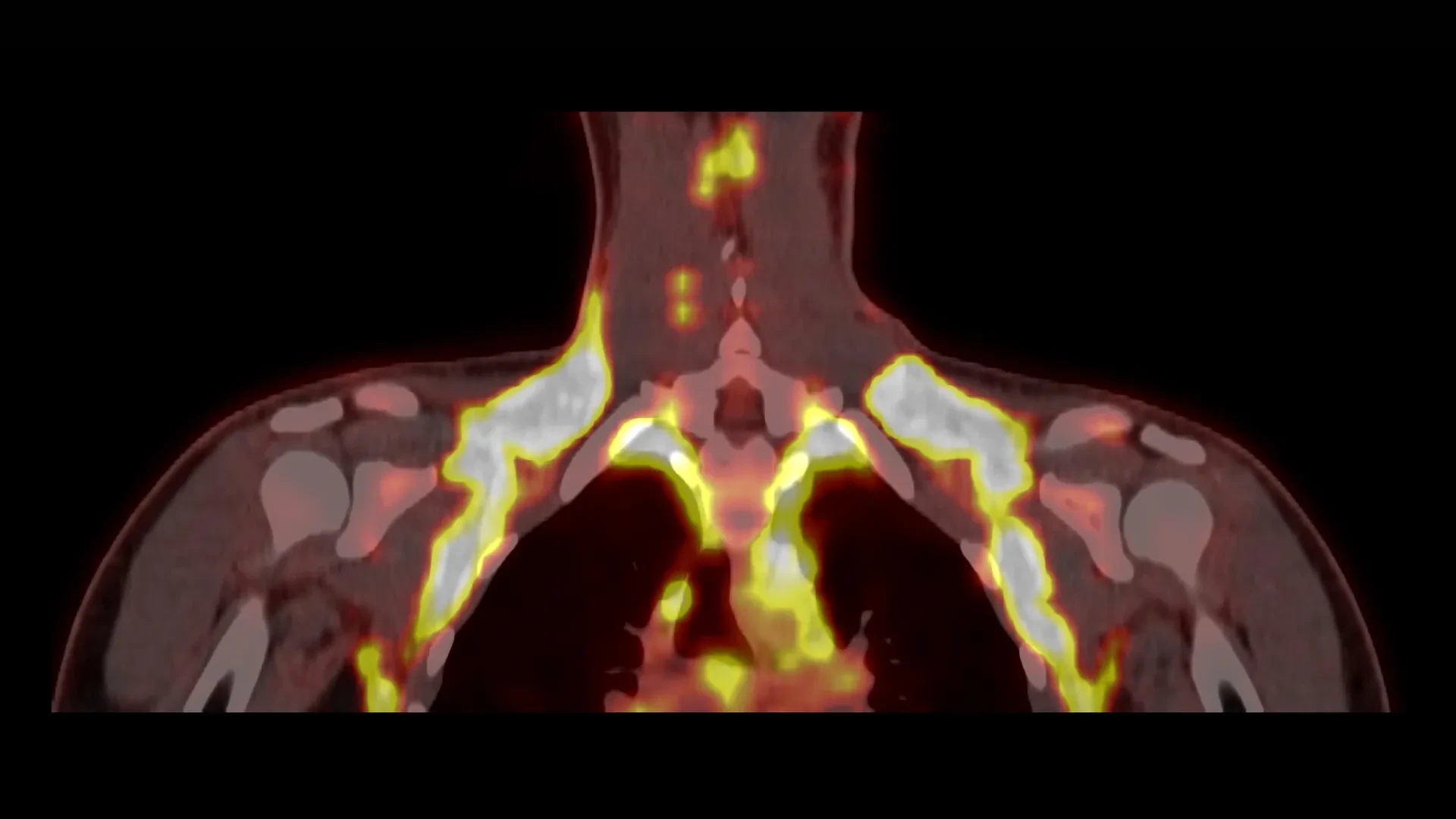
To definitively locate where the calories were going, the team utilized Positron Emission Tomography combined with Computed Tomography (PET/CT) scans. This cutting-edge imaging technology utilized radiolabeled glucose analogues (such as 18F-FDG) to map cellular glucose uptake across the body. Because activated brown fat is a voracious consumer of glucose and fatty acids to fuel thermogenesis, the scans provided an unambiguous visual readout of whether the tissue was actually turning on.
Phase III: Unveiling the Paradox
The initial physiological data appeared uniformly promising: both mild cold exposure and fenoterol administration successfully induced a pronounced surge in overall energy expenditure. The participants’ bodies were undeniably burning through calories at an accelerated rate under both conditions.
However, when the PET/CT scan data was analyzed, a stark physiological divergence emerged. While cold exposure triggered massive, unmistakable glucose uptake within classic brown fat depots (such as the supraclavicular region in the neck and shoulders), the fenoterol trials told a completely different story. Despite the high levels of systemic calorie burning, the scans showed virtually no targeted activation of brown adipose tissue.
The drug had successfully forced the body to burn more energy, but it had done so while leaving the brown fat largely dormant.
Supporting Context & Metrics: Decoding the Metabolic Machinery
To fully grasp the magnitude of the University of Basel findings, one must examine the fundamental biology of human adipose tissue and the historical context of anti-obesity pharmacotherapy.
White vs. Brown vs. Beige Fat: A Physiological Primer
The human body contains multiple distinct types of fat tissue, each serving evolutionary roles that have become mismatched with modern, calorie-dense environments:
- White Adiposocytes: Comprising the vast majority of human fat mass, white adipose tissue (WAT) stores surplus chemical energy as triglycerides. In times of famine, this storage is lifesaving. In an era of sedentary lifestyles and hyper-palatable foods, it drives the global obesity epidemic. Beyond storage, WAT acts as an endocrine organ, secreting inflammatory cytokines and hormones like leptin.
- Brown Adiposocytes (BAT): Rich in iron-containing mitochondria (which impart the characteristic brown coloration) and expressing high levels of Uncoupling Protein 1 (UCP1), brown fat disrupts the normal cellular process of ATP production. Instead of channeling nutrient oxidation into cellular energy currency, UCP1 short-circuits the mitochondrial proton gradient, dissipating the energy entirely as heat.
- Beige Adiposocytes: Discovered more recently, beige (or "brite") cells reside within white fat depots but possess the capacity to take on brown-fat-like thermogenic properties under specific stimuli, such as chronic cold exposure or targeted pharmacological signaling (a process often referred to as the "browning" of white fat).
| Adipose Tissue Type | Primary Function | Mitochondrial Density | Key Protein Marker | Impact on Metabolic Health |
|---|---|---|---|---|
| White Fat (WAT) | Energy storage, endocrine signaling | Low | Perilipin | Promotes metabolic syndrome when overexpanded |
| Brown Fat (BAT) | Non-shivering thermogenesis, heat generation | Extremely High | UCP1 | Protective; correlates with leanness and insulin sensitivity |
| Beige Fat | Inducible thermogenesis within white depots | Moderate to High | UCP1, CD138 | Promising therapeutic target for adaptive energy burn |
The Historical Quest for Thermogenic Drugs
The pharmaceutical industry has long recognized the potential of targeting thermogenesis. In the 1930s, the compound 2,4-dinitrophenol (DNP) was widely marketed as a weight-loss drug. DNP worked by uncoupling mitochondrial oxidative phosphorylation—the ultimate metabolic accelerator. However, because DNP acted indiscriminately across every cell in the body without regulatory feedback loops, it frequently led to fatal hyperthermia, severe cataracts, and organ failure, resulting in its swift ban by the U.S. Food and Drug Administration (FDA).
Subsequent decades saw attempts to harness beta-adrenergic receptors (particularly beta3 receptors, which are prominently expressed on rodent brown and white fat). While beta3 agonists showed immense promise in pre-clinical rodent models—dramatically reducing fat mass and reversing insulin resistance—human clinical trials were largely disappointing. Rodents possess massive, highly active depots of brown fat throughout adulthood, whereas adult humans retain far lower, highly variable quantities. This fundamental interspecies physiological divergence rendered many animal-validated anti-obesity drugs ineffective or unsafe in human trials.
The Beta2 Receptor Hypothesis
The Basel team focused their efforts on the beta2 adrenergic receptor because prior pharmacological data suggested it played a modulatory role in human energy mobilization. By testing fenoterol—a selective beta2 agonist traditionally used as a bronchodilator in respiratory medicine—the researchers sought to determine if this specific adrenergic pathway could serve as a clean, direct switch for human brown fat thermogenesis. The revelation that beta2 stimulation ramps up whole-body energy expenditure independently of brown fat activation forces a total reassessment of how systemic metabolic rate is measured and manipulated in clinical research.
Official Statements and Expert Analysis
The implications of the Basel study extend far beyond a single failed drug trial; they challenge core assumptions held by clinical endocrinologists and pharmaceutical developers worldwide.
Reflecting on the unexpected outcomes of the dual experiments, Professor Matthias Betz offered critical perspective on the disconnect between total energy expenditure and tissue-specific activation:
"We were surprised that energy expenditure increased strongly with fenoterol even though we could not detect a comparable activation of brown fat. Our study demonstrates definitively that a systemic increase in energy expenditure does not automatically equate to the recruitment or activation of brown adipose tissue."
This insight exposes a major methodological blind spot in historical metabolic research. For years, clinical trials measuring systemic oxygen consumption or carbon dioxide production assumed that rising energy expenditure during drug administration signaled successful targeting of thermogenic tissues like BAT or skeletal muscle. The Basel data proves that whole-body calorimetry alone cannot pinpoint the cellular source of caloric combustion.
When pressed on where the unaccounted-for energy was actually being consumed during fenoterol administration, Betz noted the complexity of human musculature and metabolic networking:
"Exactly where this additional energy is being consumed remains an open mystery. We suspect that fenoterol may accelerate energy consumption across alternative peripheral tissues—potentially driving sub-clinical metabolic cycling within skeletal muscle beds or stimulating futile lipid cycling within white adipose tissue itself."
This uncertainty highlights a vital frontier in physiological research: mapping the intricate cross-talk between the central nervous system, endocrine signals, skeletal muscle, and diverse fat depots.
Future Outlook: Implications for Next-Generation Weight Loss Therapeutics
The landscape of obesity treatment has undergone a tectonic shift in recent years, dominated by the runaway success of incretin-based therapies such as GLP-1 receptor agonists (e.g., semaglutide and tirzepatide). These medications have revolutionized clinical management by powerfully suppressing appetite, leading to substantial and sustained weight loss for millions of patients worldwide.
However, these therapies are not without physiological limitations. When the human body experiences rapid, significant caloric restriction and weight loss, a deeply ingrained evolutionary survival mechanism kicks in: adaptive thermogenesis. Sensing a perceived famine, the brain aggressively downregulates thyroid hormone output, reduces sympathetic nervous system tone, and suppresses basal metabolic rate. Consequently, patients often find their weight loss plateauing, requiring continuous medication adherence, or experiencing rapid weight regain (rebound obesity) the moment treatment ceases.
The Holy Grail: Dual-Action Synergy
To permanently conquer metabolic adaptation, researchers agree that the next generation of anti-obesity pharmacotherapy must move beyond single-modality appetite suppression. The ultimate clinical goal is a combination therapy that simultaneously suppresses central appetite signals while peripherally driving up energy expenditure.
As Professor Betz articulated regarding the strategic horizon for pharmaceutical development:
"Ideally, we could combine a reduction in appetite with an actionable increase in energy expenditure to counteract metabolic slowdown. But to achieve this safely and effectively, we first need a vastly superior, granular understanding of how human brown adipose tissue is regulated at the molecular and receptor level."
The Path Forward: Multi-Receptor Targeting
The University of Basel findings strongly indicate that human brown fat is not controlled by a simple, single-switch mechanism akin to an on/off light switch. Unlike laboratory mice, which rely on single adrenergic pathways to trigger thermogenesis, human brown adipocytes appear to require a complex, synergistic concert of multiple concurrent biological signals, receptor interactions, and environmental cues to achieve full metabolic activation.
Future drug discovery pipelines will likely pivot toward:
- Multi-Target Agonists: Developing compounds designed to co-stimulate several distinct G-protein coupled receptors simultaneously, mimicking the multifaceted physiological shock of cold exposure without inducing systemic cardiovascular strain (such as dangerous tachycardia or elevated blood pressure, which often plague broad adrenergic stimulators).
- Targeted Tissue Delivery: Utilizing advanced nanoparticle or antibody-drug conjugates to deliver thermogenic agents directly to adipose depots, minimizing off-target systemic side effects in cardiac and vascular tissue.
- Precision Metabolic Phenotyping: Utilizing advanced metabolomic and imaging technologies in early-phase clinical trials to definitively track cellular energy sinks, ensuring that future drugs are actually engaging the tissues researchers intend to target.
While the path to harnessing brown fat has proven significantly more arduous than early preclinical models suggested, the insights generated by the University of Basel team provide an indispensable foundation. By mapping the boundaries of what single-receptor pharmacology can and cannot achieve, researchers are one step closer to decoding the body’s complex metabolic machinery—bringing modern medicine closer to therapies that can melt away pathological fat while preserving metabolic health.
