

Executive Overview
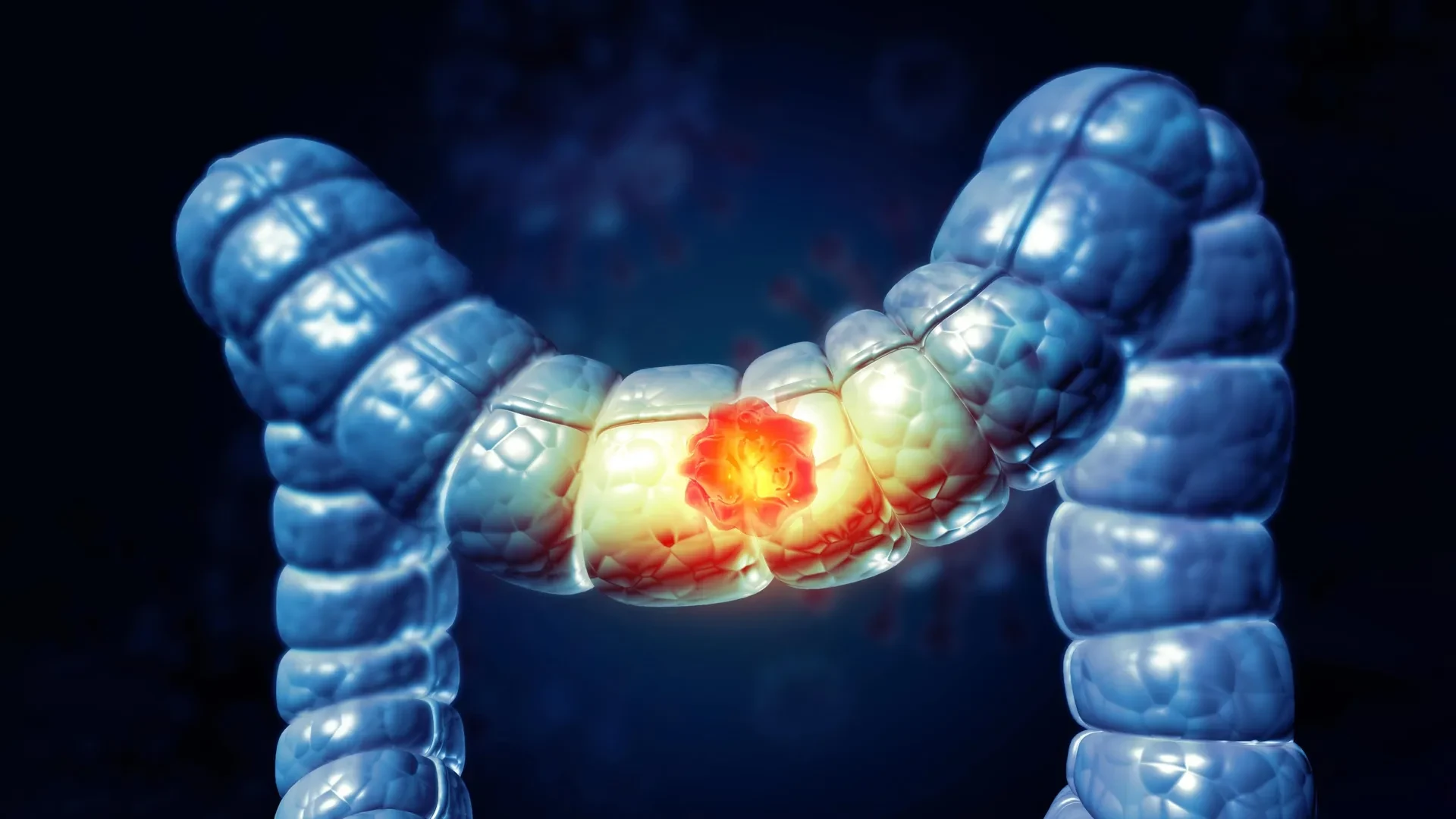
Colorectal cancer remains one of the most formidable challenges in modern oncology. While primary tumors of the colon and rectum are frequently treatable—and often successfully excised through surgery—the true lethality of the disease lies in its ability to metastasize. Most colon cancer fatalities occur not from the primary tumor itself, but when malignant cells break away, travel through the bloodstream, and colonize distant vital organs, with the liver serving as the most frequent and dangerous destination.
For decades, the precise biological triggers that enable this metastatic cascade have remained elusive. Traditional oncological research has heavily prioritized identifying distinct genetic mutations that separate primary tumors from metastatic ones. Yet, these genetic screens have frequently come up empty, pointing instead to a different mechanism: metastasis is often driven not by new genetic mutations, but by epigenetic shifts—alterations in which genes are dynamically switched on and off.
In a landmark study published in the prestigious journal Science, a multi-institutional team led by researchers at the Massachusetts Institute of Technology (MIT), Harvard Medical School, the Dana-Farber Cancer Institute, and the University Hospital Essen has unveiled a critical missing link. The researchers have discovered that colorectal cancer cells successfully spread by hijacking a biological program normally reserved for tissue healing and regeneration.
At the center of this hijacking operation is a master regulatory protein called YAP1. Under normal physiological conditions, YAP1 is deployed to help the body rebuild intestinal tissue following severe injury or infection. However, cancer cells co-opt this regenerative pathway to multiply, escape the local tissue environment, and establish deadly secondary colonies in the liver.
Crucially, the research team also established a direct biochemical link between diet and this metastatic pathway. Experiments in mouse models revealed that a high-fat diet can stimulate this dangerous process by increasing the cellular production of specific fatty molecules known as ceramides. These lipids strip away the cellular restraints that normally keep YAP1 inactive, unleashing the regenerative program and supercharging the tumor’s capacity to spread.
By pinpointing this actionable pathway, the discovery opens the door to an entirely new class of targeted therapies. If pharmaceutical researchers can successfully develop drugs that inhibit the enzymes responsible for ceramide production or block YAP1 activity, they may be able to disarm colorectal cancer’s deadliest complication—offering a profound new lifeline to patients worldwide.
Detailed Chronology
To understand how this breakthrough unfolded, it is necessary to examine the step-by-step investigative path taken by the researchers, tracking the journey from initial epigenetic hypothesis to preclinical validation and human data analysis.
Phase I: Shifting the Focus from Mutations to Epigenetics
Historically, cancer biology has been dominated by the hunt for genetic drivers—specific DNA mutations that transform healthy cells into aggressive, metastatic beasts. However, gastrointestinal pathologist and senior study author Omer Yilmaz and his colleagues observed a puzzling clinical reality: many patients with stage 2 or stage 3 colorectal cancer undergo successful primary tumor resection, yet up to one-third of them eventually suffer a metastatic recurrence.
When researchers sequenced the DNA of these primary tumors versus their matched metastases, they frequently failed to find a defining mutational signature unique to the metastatic cells. Recognizing that genetics alone could not fully explain the phenomenon, Yilmaz’s team pivoted toward epigenetics—the study of reversible changes in gene activity that occur without altering the underlying DNA sequence.
Phase II: Leveraging Advanced Organoid and Mouse Models
To interrogate these epigenetic programs, the research team utilized cutting-edge experimental models. They cultured tumor organoids—sophisticated, miniature three-dimensional tissues grown directly from cells harvested from colorectal cancer patients. Concurrently, they deployed diverse mouse models representing various genetic subtypes of colon and rectal cancers.
By analyzing gene expression patterns across these human-derived organoids and murine models, the scientists searched for common traits among cells that displayed high metastatic potential. A distinct and recurring molecular signature quickly emerged: a massive surge in the activity of pathways governed by the transcription factor YAP1.
Phase III: Connecting Diet, Lipids, and Molecular Unleashing
With YAP1 identified as the common denominator, the researchers sought to understand what environmental or metabolic cues activate it during cancer progression. Given the well-documented epidemiological links between Western-style diets, obesity, and gastrointestinal cancers, the team turned their attention to dietary fat.
When mice bearing colon tumors were placed on a high-fat diet, the researchers observed a dramatic acceleration in tumor aggressiveness. Specifically, the colon cancer cells exhibited significantly elevated YAP1 activity compared to mice fed a standard, healthy diet.
Deepening their biochemical analysis, the team discovered the intermediate molecular messenger: ceramides. A high-fat diet was found to directly stimulate the enzymatic machinery responsible for synthesizing ceramides. These lipid molecules act as molecular disruptors, dismantling a regulatory brake system that normally keeps YAP1 sequestered and inactive inside the cell. Once this restraint is lifted, YAP1 translocates directly into the cell nucleus, where it turns on the genes that drive tissue regeneration—and, by extension, cancer metastasis.
Phase IV: Therapeutic Interventions and Human Validation
Armed with a mechanistic understanding of the pathway, the researchers tested whether interrupting it could halt metastasis. Using both genetic targeting of YAP1 and pharmacological or genetic suppression of ceramide-producing enzymes, they effectively shut down the pathway. The result was stark: treated mice experienced a dramatic reduction in the ability of colon cancer cells to seed and grow metastases in the liver.
Finally, the team validated their preclinical findings against human clinical data. Analyzing RNA sequencing data from colorectal cancer patients, they confirmed that the YAP1 regenerative program is hyperactive in human metastatic lesions. Furthermore, patients with a higher body mass index (BMI) demonstrated elevated expression of these YAP1-regulated genes, directly correlating with poorer overall survival rates and highlighting how systemic metabolic states can influence tumor behavior.
Supporting Context & Metrics
To fully appreciate the significance of this discovery, it is vital to examine the epidemiological landscape of colorectal cancer, the biology of tissue regeneration, and the metabolic metrics underpinning the study.
The Colorectal Cancer Landscape
Colorectal cancer is one of the most commonly diagnosed malignancies globally, accounting for hundreds of thousands of deaths each year. In the United States, the majority of patients are diagnosed at stages 2 or 3, before the disease has visibly disseminated to distant anatomical sites.
- Surgical Outcomes vs. Recurrence: While surgical resection remains the gold standard for localized primary tumors, metastatic recurrence plagues approximately 33% of patients diagnosed at these intermediate stages.
- Primary Target Organs: Once malignant cells escape the primary intestinal wall via the circulatory or lymphatic systems, they exhibit a strong organotropic preference for the liver, followed closely by the lungs.
The Biological Paradox of Tissue Regeneration
The human intestine possesses a remarkable capacity for self-repair. Following severe injuries, chemical insults, or acute infections, the gut lining undergoes rapid regeneration. During these emergency scenarios, a rare population of transient, fetal-like progenitor cells emerges to rebuild the damaged mucosal barrier.
Under normal physiological conditions, this regenerative program is tightly controlled and self-limiting; once the tissue is repaired, the program shuts down. However, the MIT-led study reveals that colorectal cancer cells effectively "hack" this evolutionary safety valve. By constitutively expressing the transcriptional machinery of wound healing—orchestrated by YAP1—tumor cells trick their local environment into treating them as an unceasing wound that requires continuous repair, migration, and expansion.
Dietary Lipids and Metabolic Metrics
The intersection of dietary fat, lipid metabolism, and oncology is an increasingly intense area of biomedical research. Ceramides are a family of waxy lipid molecules composed of sphingosine and a fatty acid. While they play essential structural and signaling roles in healthy cellular membranes, an overaccumulation of specific ceramides can disrupt normal metabolic signaling.
- Obesity Correlation: Human data analyzed in the study revealed that patients with higher BMIs exhibited accentuated activity of the YAP1 regenerative gene signature.
- Prognostic Impact: High expression levels of these YAP1-associated genes strongly correlated with poorer clinical prognoses and reduced survival times, providing a molecular explanation for why obesity is epidemiologically linked to aggressive colorectal cancer progression and poorer therapeutic responses.
Official Statements
The collaborative nature of this international study brought together leading minds in cancer biology, metabolism, and clinical pathology. Below are key insights from the primary architects of the research:
-
On the Druggability of the Pathway:
"We’ve found a pathway that we think is druggable. If we shut down the enzymes that make ceramides, tumor cells can’t switch on this regenerative program, and they largely fail to seed metastases in the liver," stated Dr. Omer Yilmaz, director of the MIT Stem Cell Initiative, professor of biology at MIT, member of the Koch Institute for Integrative Cancer Research, and gastrointestinal pathologist at Beth Israel Deaconess Medical Center.
-
On the Lack of Mutational Drivers for Metastasis:
"Many studies have looked for a genetic driver of metastasis and come up empty. There isn’t a defining mutational signature that separates metastatic cells from the primary tumor, which points to metastasis being driven largely by changes in which genes are switched on and off, rather than by new mutations," Yilmaz explained, underscoring the vital importance of epigenetic and metabolic regulation over pure genetics.
-
On the Hijacking of the Wound-Healing Response:
"The regenerative program that we described is generally observed in the gut when there is severe injury or infection and the gut needs to regenerate. We see the tumor cells hijack this program to drive metastatic progression," noted MIT postdoctoral researcher and co-lead author Dr. Swagata Goswami.
-
On the Nuances of Obesity and Cancer Progression:
"We don’t think that the YAP1 program is specific to obesity. It’s just that it becomes accentuated in obesity, and that may account for why obesity is known to drive the progression of colorectal cancer," Yilmaz added, clarifying how systemic metabolic states amplify preexisting oncogenic vulnerabilities.
Future Outlook
While the discovery of the ceramide-YAP1 axis represents a monumental leap forward in our understanding of cancer metastasis, translating these insights from the laboratory bench to the oncology clinic will require careful, methodical development.
Pharmaceutical Challenges and Drug Development
The immediate translational goal for the research consortium is the development of targeted pharmacological inhibitors against DEGS1 and DEGS2—the specific enzymes responsible for synthesizing ceramides in human tissues. By blocking these enzymes, researchers hope to chemically starve tumor cells of the lipid signals required to unlock the YAP1 regenerative program.
However, drug developers face a delicate balancing act. Because ceramides perform vital, housekeeping functions in healthy tissues throughout the human body, any therapeutic agent designed to inhibit their production must exhibit exceptional selectivity. Broadly shutting down ceramide synthesis could cause unintended systemic toxicities, necessitating the creation of tumor-specific delivery systems or highly localized enzyme inhibitors.
Dietary Guidelines and Patient Advice
Given the clear link between high-fat diets, ceramide accumulation, and accelerated metastasis in animal models, patients and clinicians naturally wonder whether immediate dietary modifications could alter disease trajectories.
The research team urges caution, emphasizing that their current findings—while robustly demonstrated in preclinical organoid and murine models—are not yet sufficient to formulate specific, evidence-based dietary guidelines for individuals already diagnosed with colorectal cancer. Clinical trials will be required to determine whether dietary interventions can synergize with pharmacological treatments in human patients.
Broadening the Oncological Horizon
Beyond colorectal cancer, the implications of this study may extend far beyond the gastrointestinal tract. Many solid tumors hijack developmental and regenerative pathways to survive harsh microenvironments and colonize distant organs. By establishing a concrete, biochemically tractable link between dietary lipids, metabolic enzymes, epigenetic master regulators, and metastatic spread, this MIT-led research provides a powerful blueprint for future investigations across multiple cancer types. As drug discovery efforts ramp up targeting the ceramide-YAP1 axis, oncology may soon possess a powerful new weapon designed to stop cancer dead in its tracks before it can complete its deadly journey.
