

Executive Overview
The digital publishing landscape is undergoing a quiet, yet profound, structural shift. As the social media era—characterized by algorithmic volatility, shrinking referral traffic, and monetization models dependent on programmatic ad-tech—continues to alienate independent publishers, a growing contingent of media entrepreneurs is turning its gaze toward a more intimate, resilient medium: the email inbox.
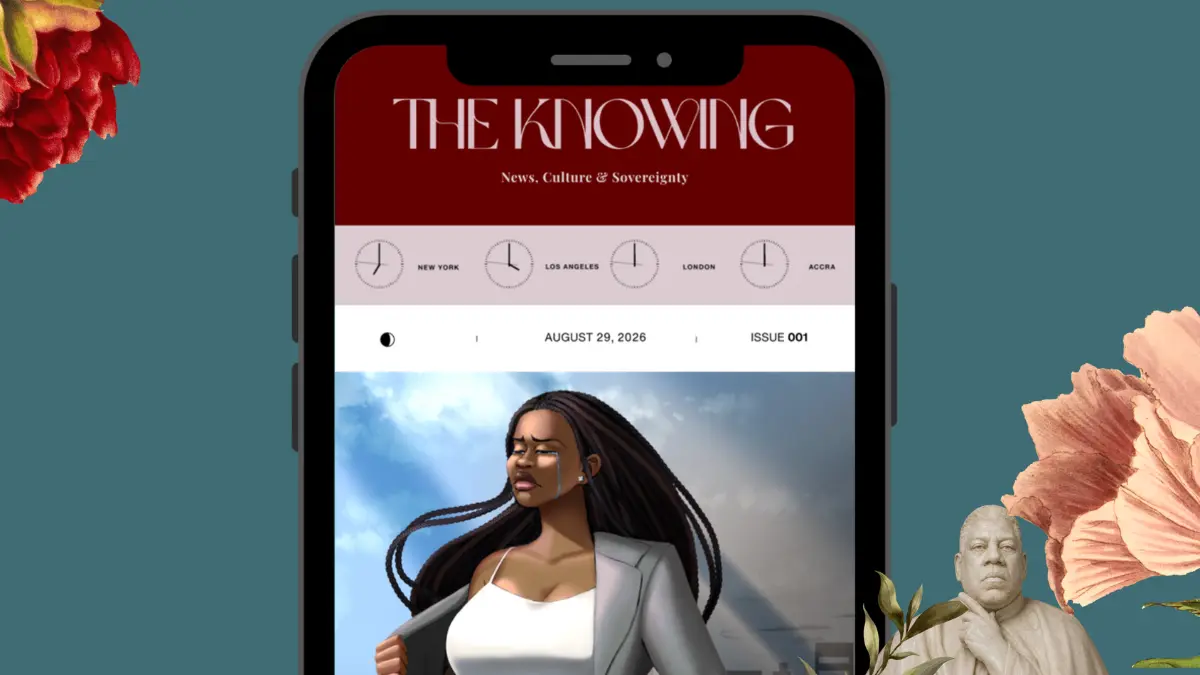
Enter The Knowing (TK), a newly launched media startup designed to capture the attention, loyalty, and cultural alignment of young Black audiences. Positioned at the intersection of premium journalism, contemporary culture, and beauty, TK is not merely another newsletter competing for space in a crowded digital ecosystem. Rather, it is an ideological and commercial enterprise engineered to reclaim autonomy for Black creators and audiences alike.
At the helm of this venture is founder and editor Geneva S. Thomas, a seasoned media executive whose extensive resume spans legacy publishing giants such as People and Entertainment Weekly, digital strategy roles at Condé Nast and Paramount, and a recognizable stint on Bravo’s Blood, Sweat & Heels. Thomas brings a rare hybrid of institutional media savvy and entrepreneurial urgency to TK.
Guided by the foundational motto—"News, culture and sovereignty"—The Knowing enters the market with an explicit mandate: to restore credibility, depth, and structural balance to Black-owned digital media. In an era where mainstream digital publications have frequently commodified Black culture while underinvesting in sustainable, independent infrastructure, TK’s launch marks a significant moment of resistance and reinvention. This in-depth report explores the genesis of The Knowing, profiles its leadership, analyzes the broader macroeconomic trends driving the "inbox economy," and evaluates what this ambitious startup means for the future of specialized journalism.
Detailed Chronology: From Legacy Media to the Birth of The Knowing
The Pre-Launch Era: Recognizing the Void in Modern Media
The conceptual framework for The Knowing did not materialize overnight; it is the culmination of decades of observation, frustration, and strategic incubation by Geneva S. Thomas. Over a career spanning more than fifteen years in the upper echelons of traditional and digital media, Thomas witnessed firsthand the systemic limitations of legacy publishing houses.
While working across high-profile brands—including editorial stints at People and Entertainment Weekly, and high-level digital strategy execution at Condé Nast and Paramount—Thomas observed a persistent cyclical pattern: mainstream media entities routinely sought to capture the lucrative spending power and cultural influence of Black youth, yet consistently failed to grant Black editors, journalists, and strategists true institutional ownership or editorial sovereignty. Stories concerning Black culture, identity, and beauty were frequently filtered through a gaze that prioritized broad, non-Black advertiser comfort over nuanced, authentic storytelling.
Simultaneously, the digital media landscape of the late 2010s and early 2020s experienced a series of seismic shocks. The "pivot to video" era, followed by the capricious algorithm updates of social media conglomerates like Meta and X (formerly Twitter), decimated the traffic models of numerous digital-native publications. Independent Black-owned digital outlets, many of which lacked the multi-million-dollar safety nets of venture-backed media monoliths, were hit hardest by these systemic shifts.
It was against this backdrop of platform instability and editorial compromise that the blueprint for The Knowing was forged. Thomas recognized that to build a sustainable, trusted voice for young Black audiences, she needed to bypass the traditional gatekeepers entirely. The solution lay in creating a direct, unmediated relationship with the reader—housed securely within the inbox.
The Strategic Blueprint and Launch
In the months leading up to its official debut, TK operated in a stealth incubation phase, quietly securing operational foundations, aligning with strategic advisors, and defining its core editorial pillars. Unlike startups that chase rapid, venture-backed hyper-growth at the expense of editorial integrity, TK was structured around a sustainable, community-first ethos.
When the startup officially unveiled its mission to the public via an industry press release, it immediately commanded the attention of media observers. The announcement crystallized TK’s core objective: to “restore credibility and balance in Black-owned digital media.”
Rather than diluting its focus to appeal to a generic mass market, TK deliberately carved out a distinct triad of coverage areas:
- News: Rigorous, contextualized reporting on sociopolitical and economic issues impacting young Black communities, delivered without the sensationalism or superficiality common in modern click-driven media.
- Culture: An intelligent, critical exploration of art, entertainment, digital trends, and identity, written by cultural critics who live and breathe the movements they analyze.
- Beauty: A redefined approach to beauty journalism that moves beyond product placement to examine the intersections of aesthetics, wellness, consumer economics, and self-sovereignty.
By launching directly into the inbox, TK positioned itself within a rapidly expanding sector of the media economy that values depth over breadth and direct audience relationships over algorithmic dependency.
Supporting Context & Metrics: The Economics of the Inbox and the State of Black Media
To fully appreciate the strategic brilliance and timing of The Knowing’s launch, one must examine the broader macroeconomic and industry-wide trends currently reshaping digital journalism.
The Resurgence of Email as a Publishing Platform
For years, the conventional wisdom of digital publishing dictated that growth required massive scale, viral social media distribution, and reliance on programmatic display advertising. However, the chickens have come home to roost for the ad-driven web. Privacy changes (such as Apple’s Mail Privacy Protection and App Tracking Transparency), the impending deprecation of third-party cookies, and the monetization struggles of social platforms have left media companies scrambling for predictable revenue models.
In response, the newsletter format has transitioned from a rudimentary marketing tool into the core product of modern publishing. According to recent data from digital media analytics firms, consumer appetite for curated, niche newsletters has skyrocketed. Readers are increasingly fatigued by the chaotic, ad-saturated environments of open-web websites and are actively seeking sanctuary in their email inboxes.
| Publishing Model | Audience Relationship | Revenue Dependency | Platform Vulnerability |
|---|---|---|---|
| Traditional Open-Web | Transient (Search/Social) | Programmatic Advertising / Impresssions | High (Algorithmic Shifts) |
| The Inbox Model (TK) | Direct & Permeant | Subscriptions / Direct Sponsorships | Low (Owned Subscriber Lists) |
For a startup like The Knowing, the inbox offers distinct competitive advantages:
- Zero Intermediaries: There is no algorithm between TK and its subscribers. Every dispatch lands directly in front of the reader, guaranteeing 100% reach to its audience base without pay-to-play amplification fees.
- Higher Engagement Metrics: Email open rates and click-through rates consistently outperform social media engagement metrics, signaling a deeper, more intentional level of readership.
- Data Sovereignty: By owning its subscriber database, TK maintains total control over its audience insights, enabling more effective monetization through targeted brand partnerships, premium subscriptions, and community events.
The Landscape of Black-Owned Digital Media
Despite the cultural ubiquity of Black culture—which routinely drives global trends in music, fashion, language, and politics—Black-owned media enterprises have historically faced severe undercapitalization. Venture capital funding data consistently reveals a stark disparity: Black founders receive a microscopic fraction of total VC dollars deployed annually, with media startups facing even steeper financing hurdles.
Historically, when Black-focused digital publications achieved scale, they were frequently acquired by larger, non-Black media conglomerates, often resulting in editorial dilution, layoffs, or the eventual shuttering of the brand. This structural vulnerability has created a persistent vacuum in independent, authoritative journalism tailored specifically to young Black demographics.
The Knowing steps into this exact vacuum. By centering the concept of "sovereignty" in its manifesto, TK addresses not just the content of media, but the ownership structures behind it. Economic independence allows TK to pursue investigations, cultural critiques, and beauty features free from the corporate compromises that plague mainstream legacy outlets.
Official Statements and Leadership Vision
The architectural integrity of The Knowing is anchored by the extensive industry experience and visionary clarity of its founder. While the startup’s public communications have emphasized its collective mission, the personal philosophy of Geneva S. Thomas serves as the driving force behind the brand’s identity.
Geneva S. Thomas on the Mission of TK
In internal strategy documents and inaugural editorial statements, Thomas has underscored that The Knowing is much more than a publication—it is a corrective intervention in an industry that has long profited from Black cultural output while marginalizing Black editorial leadership.
"We are not here to chase transient viral moments or pander to algorithms that do not understand our community," Thomas noted in early communications regarding the launch. "The Knowing was built out of a profound necessity to carve out an uncompromised space where young Black audiences can find journalism that respects their intelligence, honors their culture, and speaks to their reality with uncompromising authenticity."
Thomas’s unique background positions her perfectly to execute this vision. Having navigated the rigid corporate hierarchies of Condé Nast, Paramount, People, and Entertainment Weekly, she understands the structural machinery of mainstream media from the inside out. Furthermore, her visibility as a public figure—bolstered by her tenure on Bravo’s Blood, Sweat & Heels—grants her a built-in platform and a keen understanding of personal branding, media optics, and audience engagement in the digital age.
Industry peers have noted that Thomas’s leadership style bridges the gap between old-school journalistic rigor and new-school digital agility. By assembling a team that shares her commitment to editorial independence, Thomas has ensured that TK possesses both the creative horsepower and the strategic discipline required to survive and thrive in a notoriously unforgiving media climate.
Future Outlook: Challenges and Opportunities for The Knowing
As The Knowing embarks on its journey, the startup faces a landscape defined by both immense opportunity and formidable challenges. Navigating the months and years ahead will require a delicate balance of editorial excellence, financial prudence, and community cultivation.
Navigating the Monetization Matrix
While the inbox-first model offers superior audience retention, scaling revenue requires diversification. To ensure long-term viability, TK will likely need to deploy a hybrid monetization strategy:
- Tiered Sponsorships: Partnering with aligned, values-driven brands seeking authentic access to young, affluent Black consumers.
- Premium Subscriptions: Introducing paywalled deep-dives, exclusive audio programming, or specialized analytical reports for dedicated readers willing to pay for premium value.
- Experiential and Community Events: Translating the digital community into physical and virtual spaces through live panels, cultural summits, and interactive workshops centered around beauty, culture, and media literacy.
Scaling Without Compromise
One of the greatest perils facing independent media startups is the pressure to scale prematurely. When venture capital or rapid expansion enters the picture, founders often feel compelled to dilute their editorial voice to appeal to a broader, more generic demographic.
For TK, maintaining its sharp, uncompromising focus on young Black audiences will be its greatest asset. The strength of the brand lies precisely in its specificity. By resisting the urge to be everything to everyone, TK can cement its status as an indispensable daily ritual for its core readership.
The Broader Industry Ripple Effect
The success or failure of The Knowing will carry implications that extend far beyond its own subscriber base. If TK proves that a proudly independent, Black-owned, inbox-centric media startup can achieve financial sustainability and cultural resonance, it will serve as a powerful blueprint for a new generation of media entrepreneurs. It could inspire a wave of specialized digital publications that reject the broken paradigms of social media dependency in favor of direct ownership and editorial sovereignty.
Conclusion
The launch of The Knowing arrives at a critical juncture in the evolution of digital journalism. As audiences grow increasingly weary of algorithmic noise and corporate-diluted content, the appetite for trusted, independent, and culturally resonant voices has never been higher.
Under the seasoned leadership of Geneva S. Thomas, TK has positioned itself at the vanguard of the inbox economy. By anchoring its mission in the pillars of news, culture, and sovereignty, the startup is doing more than launching a newsletter—it is laying the groundwork for a more equitable, balanced, and sustainable future for Black-owned digital media. As the publication builds its readership and expands its footprint, it stands as a testament to the enduring power of independent journalism and the unyielding demand for authentic representation in the digital age.