

Executive Overview
The infant nutrition sector has historically operated as an entrenched, highly consolidated duopoly characterized by clinical marketing, institutional trust, and conservative creative playbooks. For decades, legacy conglomerates dominated supermarket shelves with functional, sterile messaging that prioritized pediatric endorsement over emotional resonance, leaving little room for cultural conversation, lifestyle integration, or modern parental empathy.
Enter Bobbie. Founded with the mission to build a disruptive, organic alternative modeled after breast milk, the brand has steadily challenged category conventions. From provocative out-of-home campaigns featuring culinary icon Molly Baz in Times Square to high-profile advocacy partnerships with cultural powerhouses like Cardi B aimed at dismantling feeding shame and maternal inequity, Bobbie has consistently pushed the boundaries of how a legacy-adjacent product category communicates with its consumer base.
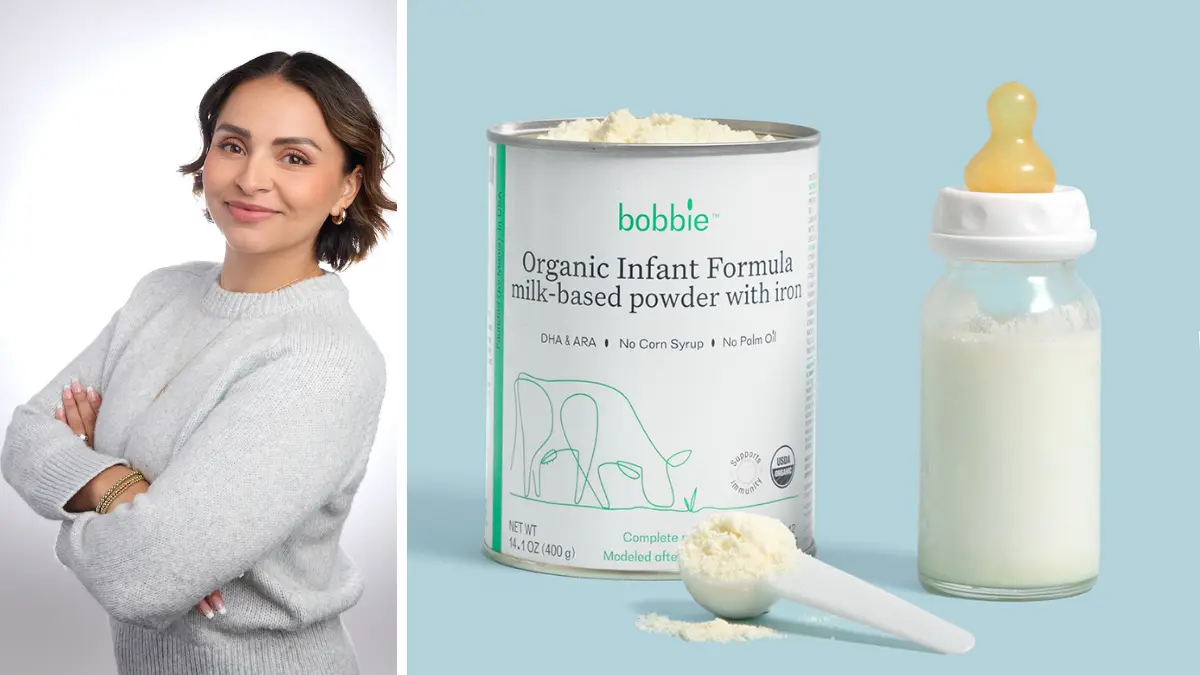
Now, the company is preparing for its next phase of enterprise scaling. In a strategic move signaling its transition from a high-growth startup to a category-redefining market leader, Bobbie has appointed Stacey Andrade-Wells—formerly the Chief Marketing Officer at hydration juggernaut Liquid I.V.—as its inaugural Chief Growth Officer (CGO). Andrade-Wells brings a pedigree of hyper-growth brand building, having spearheaded memorable, culturally resonant campaigns such as Liquid I.V.’s viral "singing toilet" Super Bowl debut.
In this comprehensive journalistic feature, we examine the structural shifts within the infant formula landscape, analyze the strategic implications of Andrade-Wells’s appointment, explore the lessons learned from her tenure at the vanguard of functional beverage marketing, and investigate why mainstream consumer packaged goods (CPG) brands continue to miss the mark when attempting to authentically connect with today’s millennial and Gen Z parents.
Detailed Chronology: From Category Stagnation to the Rise of Bobbie
The Structural Inertia of Infant Nutrition
For the better part of a century, the global infant formula market was defined by a distinct lack of disruption. Governed by stringent regulatory frameworks, high barriers to entry, and an inherent consumer aversion to risk—after all, parents are feeding their newborns—legacy brands enjoyed insulated market shares. Marketing departments within these multinational corporations relied on a predictable, risk-averse playbook: white coats, clinical jargon, hospital discharge bag partnerships, and muted pastel branding that emphasized scientific validation while largely ignoring the emotional, psychological, and physical realities of modern parenthood.
This institutionalized approach created a pervasive vacuum in brand storytelling. While other CPG verticals—from personal care to pet food—underwent rapid modernization through direct-to-consumer (D2C) innovation, clean-label transparency, and culturally fluent digital marketing, the nursery remained stubbornly archaic. Parents were treated as patients rather than consumers, and feeding choices were frequently clouded by societal judgment and the persistent, toxic dichotomy of "breast is best" versus formula feeding.
Bobbie’s Entry and Cultural Positioning
Founded in 2018 by Laura Modi and Sarah Hardy, Bobbie emerged precisely to dismantle this dichotomy. Positioning itself as a disruptor built by moms, the company engineered an organic, European-style recipe designed to bridge the gap between breast milk and formula. However, product formulation was only half the battle; the true innovation lay in Bobbie’s uncompromising brand voice.
Bobbie recognized that modern parents—predominantly millennials and Gen Z consumers who value authenticity, inclusivity, and radical transparency—felt alienated by legacy messaging. The brand leaned into cultural conversations with unvarnished courage:
- The Molly Baz Collaboration: Bobbie teamed up with celebrity chef and cookbook author Molly Baz for a visually striking, tongue-in-cheek campaign in the heart of Times Square, normalizing the realities of feeding choices and injecting culinary-grade aesthetic and humor into a traditionally clinical space.
- The Cardi B Partnership: In a blockbuster cultural alliance, Bobbie joined forces with Grammy Award-winning artist Cardi B to tackle maternal inequity and fight the deep-seated societal shame surrounding infant feeding methods. By leveraging Cardi B’s unfiltered platform, Bobbie successfully elevated a private, often isolating parental struggle into a public, destigmatizing dialogue.
These initiatives transformed Bobbie from a mere e-commerce subscription service into a genuine lifestyle brand, proving that even highly regulated, functional categories could achieve mainstream cultural relevance.
The Strategic Pivot: Bringing in Enterprise Growth Muscle
Despite its creative successes, scaling a disruptive brand past the early-adopter threshold requires a distinct operational gear. Transitioning from a cult-favorite challenger brand to an enterprise-level market leader demands sophisticated omnichannel distribution, disciplined unit economics, advanced data infrastructure, and precision-tooled brand architecture.
Recognizing this inflection point, Bobbie’s leadership initiated a search for executive talent capable of orchestrating this evolution. The result is the creation of the Chief Growth Officer role and the subsequent appointment of Stacey Andrade-Wells. By bringing in an executive with a deep background in scaling hyper-growth functional brands, Bobbie is signaling its ambition to capture significant market share from legacy conglomerates and cement its position as the definitive modern authority in infant nutrition.
Supporting Context & Metrics: The Anatomy of Modern CPG Disruption
The Playbook from Liquid I.V.
To understand the trajectory Bobbie aims to chart under Andrade-Wells, one must examine her recent tenure at Liquid I.V., a brand that fundamentally redefined the functional hydration category before and after its acquisition by Unilever.
Under Andrade-Wells’s marketing leadership, Liquid I.V. transcended its functional utility as an electrolyte powder to become a cultural staple. The brand mastered the art of "edgy" humor and cultural omnipresence, culminating in high-risk, high-reward creative bets such as the brand’s unforgettable "singing toilets" Super Bowl marketing activation. That campaign—audacious, memorable, and entirely unexpected for a hydration brand—demonstrated Andrade-Wells’s core philosophy: functional products do not require boring, clinical marketing.
+-------------------------------------------------------------------+
|               THE LIQUID I.V. TO BOBBIE PLAYBOOK                  |
+-------------------------------------------------------------------+
|  PHASE 1: Product Validation & Clean-Label Formulation            |
|           (Focus on superior ingredients and trust)               |
+-------------------------------------------------------------------+
|  PHASE 2: Bold, Culturally Fluent Creative Disruption             |
|           (Breaking category norms via humor, shock, & advocacy)  |
+-------------------------------------------------------------------+
|  PHASE 3: Omnichannel Scaling & Enterprise Growth                 |
|           (Bridging digital-native roots with mass retail)        |
+-------------------------------------------------------------------+
Key strategic takeaways from Andrade-Wells’s playbook that directly apply to Bobbie include:
- Daring to Polarize: Embracing creative work that elicits a strong emotional response rather than defaulting to safe, middle-of-the-road messaging that appeals to everyone and connects with no one.
- Elevating Everyday Utilities: Turning routine consumption habits (such as hydration or infant feeding) into lifestyle statements through superior design, cultural partnerships, and community-building.
- Balancing Performance and Brand: Marrying rigorous, data-driven growth marketing with long-term brand equity investments to ensure sustainable, profitable scaling across both digital and physical retail footprints.
Why Legacy Brands Are Missing the Mark with Modern Parents
The broader CPG landscape in baby care reveals a widening chasm between legacy incumbents and modern consumer expectations. According to industry analyses, today’s parents—millennials and Gen Zers who are having children later in life—approach parenting through the lens of holistic wellness, mental health awareness, and digital connectivity.
Yet, traditional formula marketing continues to rely on paternalistic tropes. Major market research indicates several critical areas where legacy brands consistently fail:
- The Empathy Gap: Legacy campaigns often present an idealized, unachievable standard of motherhood, alienating parents who experience postpartum depression, feeding difficulties, or logistical fatigue.
- Opaque Ingredient Narratives: While modern consumers demand absolute transparency regarding supply chains, sourcing, and nutritional profiles, legacy brands frequently hide behind complex chemical nomenclature and dense institutional endorsements.
- Outdated Digital Communities: Traditional brands view digital channels merely as transaction engines or static broadcast towers, whereas modern parents seek peer-to-peer validation, safe spaces for vulnerability, and authentic community engagement.
Bobbie’s strategic advantage lies in its native understanding of these pain points. By positioning the brand as an empathetic co-pilot rather than an authoritarian expert, Bobbie has built an intrinsic level of trust that traditional television spots and pediatrician pamphlets can no longer buy.
Official Statements and Industry Insights
In her first official remarks following her appointment, Stacey Andrade-Wells sat down with ADWEEK to discuss her transition, the strategic vision driving her move to Bobbie, and the core philosophies she intends to implement.
Reflecting on why she chose to leave the high-flying world of functional hydration for infant formula, Andrade-Wells emphasized the transformative potential of the mission:
"The opportunity to join Bobbie wasn’t just about applying a playbook from functional beverages to another category; it was about stepping into an industry that is arguably one of the most ripe for emotional and cultural disruption in all of consumer goods. For decades, parents have been underserved, patronized, and shamed by a system that prioritizes corporate comfort over human empathy. Bobbie is changing that narrative at its root. I saw an incredible foundation built on relentless advocacy and product integrity, and my role is to operationalize that energy into the next phase of exponential, enterprise-level growth."
Discussing the vital lessons harvested from her landmark experiences at Liquid I.V.—including the audacious Super Bowl singing toilet campaign—Andrade-Wells noted the necessity of taking calculated creative risks in saturated markets:
"At Liquid I.V., we learned that if you want to stand out in a sea of sameness, you cannot be afraid to raise eyebrows. Whether it’s singing toilets or provocative out-of-home installations in Times Square, modern consumers reward brands that possess a point of view, a sense of humor, and a willingness to break the fourth wall. In the baby category, there is an outdated assumption that because the product is delicate, the marketing must be timid. That is a fallacy. Parents are dynamic, modern individuals who appreciate wit, brutal honesty, and creative boldness just as much as anyone else."
Addressing the systemic disconnect between traditional CPG marketers and contemporary parents, Andrade-Wells pointed to a fundamental failure of listening:
"Brands miss the mark because they market at parents rather than walking alongside them. The legacy playbook treats feeding choices as a clinical test you either pass or fail. The reality is that modern parenting is messy, beautiful, exhausting, and beautifully imperfect. If your brand architecture doesn’t hold space for that complexity, you become irrelevant. Our objective at Bobbie is to ensure that every touchpoint—from digital acquisition to retail shelf presence—validates the human experience of parenting rather than adding to its burden."
Future Outlook: The Road Ahead for Bobbie Under Andrade-Wells
As Bobbie looks toward the remainder of the decade, the appointment of Stacey Andrade-Wells as Chief Growth Officer marks a critical turning point. The company faces a dynamic and competitive landscape, with legacy giants attempting to launch organic sub-brands and new D2C entrants seeking to capture niche demographics.
To maintain its competitive edge and achieve its ambitious growth targets, Bobbie’s future strategy under Andrade-Wells will likely focus on three core pillars:
1. Omnichannel Expansion and Retail Dominance
While Bobbie originated as a digital-first, subscription-led brand, capturing mainstream market share requires a seamless physical retail presence. Scaling distribution into major national grocery and pharmacy chains without diluting the brand’s premium positioning will be a primary focus for Andrade-Wells. Drawing on her extensive experience with mass-market retail scaling at Liquid I.V., her leadership will be instrumental in optimizing the synergy between digital customer acquisition and brick-and-mortar velocity.
2. Deepening Cultural and Advocacy Initiatives
Bobbie has proven that cultural relevance is a potent driver of organic brand equity. Under the guidance of its new CGO, the brand is expected to expand its advocacy footprint, tackling systemic issues surrounding maternal health, paid family leave, and feeding equality. By embedding the brand into larger socio-cultural conversations, Bobbie will continue to differentiate itself from competitors that treat social responsibility as an afterthought rather than a core business tenet.
3. Data-Driven Personalization and Community Ecosystems
As digital privacy standards evolve and consumer acquisition costs rise across traditional social media platforms, building proprietary, high-engagement community ecosystems is paramount. Andrade-Wells’s growth strategy will likely leverage advanced data analytics to deliver hyper-personalized consumer journeys, transforming transactional customers into lifelong brand advocates who support one another through the complex journey of early parenthood.
Conclusion
The infant nutrition sector is no longer immune to the forces of modern brand disruption. Consumers have spoken, and they are rejecting the sterile, guilt-inducing marketing of the past in favor of transparency, empathy, and uncompromising quality. With Stacey Andrade-Wells stepping into the role of Chief Growth Officer, Bobbie has armed itself with a proven heavyweight in cultural marketing and enterprise scaling. As the brand prepares for its next chapter, the message to the wider CPG establishment is clear: the nursery is getting a makeover, and the future belongs to brands that treat parents not as patients, but as empowered equals.