

Executive Overview
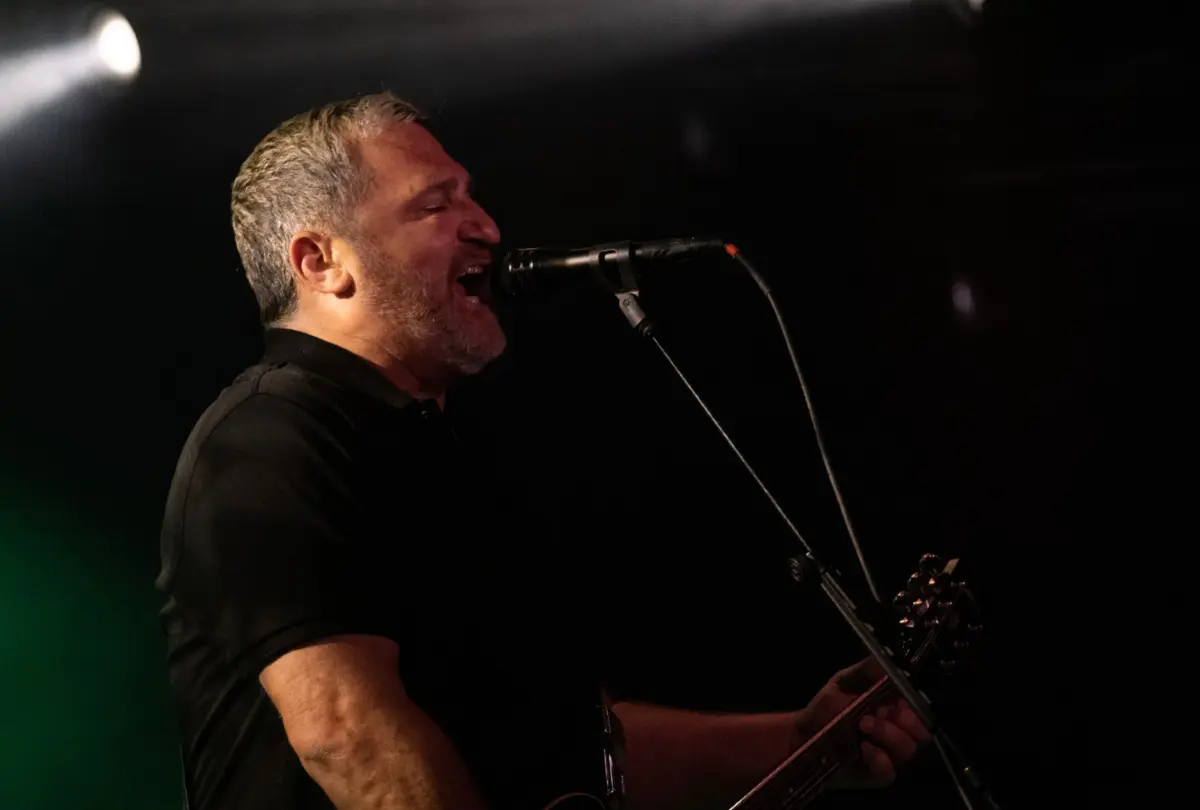
Marking four decades since their initial formation in 1986, alternative rock stalwarts The Afghan Whigs have returned with their latest studio album, Soft Control. Frontman Greg Dulli, alongside longtime bassist John Curley, proves that forty years of musical evolution, personal upheaval, and rock-and-roll attrition have done nothing to dull the band’s razor-sharp edge.
Soft Control synthesizes the group’s trademark soul-meets-classic-rock aesthetic with the modern R&B and electronic hallmarks Dulli honed during his tenure with The Twilight Singers and The Gutter Twins. Boasting a stellar lineup that includes musical multi-instrumentalist Rick T. Nelson, former Blind Melon guitarist Christopher Thorn, and new powerhouse drummer Bryan Lee Brown, the record showcases some of the most commanding vocal performances of Dulli’s career. Elevated by meticulous production and a brighter, more expansive sonic palette, the album demonstrates that Dulli’s enduring creative spark remains as potent as ever.
Detailed Chronology: 40 Years of "Planet Whigs"
While the band’s timeline features a prominent thirteen-year hiatus, Dulli and Curley officially celebrate the 40th anniversary of the ensemble’s inception. Over the decades, The Afghan Whigs have charted a singular course through the American underground and alternative landscape. A comprehensive look back at their discography highlights their remarkable trajectory:
- 1988 – Big Top Halloween: Out of print and largely shrouded in myth, the band’s debut sounds heavily indebted to The Replacements. While its reputation outpaces its actual sonic footprint, it remains a historical artifact of a young band searching for its voice.
- 1990 – Up In It: A visceral explosion of youth, testosterone, and clenched teeth released via Sub Pop. It captured the raw, abrasive energy of the emerging alternative explosion.
- 1992 – Congregation: The true birth of "Planet Whigs." Merging gritty guitar rock with classic soul sensibilities, tracks like "Turn On The Water" and their inspired cover of Jesus Christ Superstar’s "The Temple" laid the foundational brickwork for their signature sound.
- 1992 – Uptown Avondale (EP): A bold, punk-rock appropriation of the Motown ethos, shifting the epicenter of soul music from Detroit to Ohio. It featured haunting renditions of songs by Freda Payne and others.
- 1993 – Gentlemen: The commercial and critical breakthrough. Recorded at Ardent Studios in Memphis, this devastating exploration of heartbreak, betrayal, and emotional damage became one of the definitive alternative albums of the 1990s.
- 1996 – Black Love: A dark, cinematic noir masterpiece. More ambitious and layered than its predecessor, it culminated in a triumphant three-song mini-opera ("Bulletproof," "Summer’s Kiss," and "Faded") that offered ecstatic redemption.
- 1998 – 1965: The final release of the band’s "v1" era. Eschewing the overarching concepts of its predecessors, 1965 functioned as a collection of standalone, highly cinematic, and intensely commercial rock songs.
- 2014 – Do to the Beast: Following a 2012 reunion, the reconstituted Whigs returned with a heavy, driving record that bridged the sonic gap between Dulli’s post-Whigs projects and the band’s classic output.
- 2017 – In Spades: Recorded live in the studio for the first time since the 1990s, this vibrant release served as a bittersweet memorial for stalwart guitarist Dave Rosser, who passed away the same year.
- 2022 – How Do You Burn?: An ambitious collection defined by crunching, heavy guitars and deep, driving rhythms.
- 2026 – Soft Control: The latest chapter, introducing a brighter, more rhythmically diverse sound and showcasing Dulli’s revitalized vocal delivery.
Supporting Context & Metrics: The Evolution of a Sound
The longevity of The Afghan Whigs is rooted in a unique structural dynamic. Operating under an ethos reminiscent of The Fall’s late leader Mark E. Smith—who famously quipped that if it is him and someone else on bongos, it is still The Fall—Dulli functions as a benevolent dictator. The group’s "v2" era post-breakup successfully merges classic rock arrangements with the electronic textures and R&B pacing developed during Dulli’s work with The Twilight Singers and The Gutter Twins.
Soft Control stands out for its sonic brightness. While not explicitly optimistic or happy, the album abandons the suffocating darkness of earlier masterworks in favor of expansive arrangements. Tracks like the opening synth-driven "Jungle Roux" and the pulsing, bass-heavy "My Lover" (inspired by Edwyn Collins’ 1994 hit "A Girl Like You") highlight the band’s ability to blend contemporary production with vintage soul.
Meanwhile, rhythm section anchor John Curley and new drummer Bryan Lee Brown provide an unbreakable backbone, allowing tracks like "House of I" and "Duvateen" to oscillate effortlessly between quiet storm intimacy and arena-sized crescendos.
Official Statements: Greg Dulli on Voice, Craft, and Longevity
In an extensive interview, Greg Dulli opened up about the physiological and creative changes that shaped Soft Control. Most notably, Dulli’s vocals are pushed higher and clearer in the mix than ever before—a production choice spearheaded by co-producer and guitarist Christopher Thorn (formerly of Blind Melon).
"On this album, I will say my vocals are probably louder than they’ve been on any record I’ve been a part of," Dulli noted. "And that’s Christopher Thorn. So he’s the one who really pushed my voice in the mixes."
Dulli also reflected on how his approach to vocal maintenance has evolved over the decades, shedding the reckless habits of his youth:
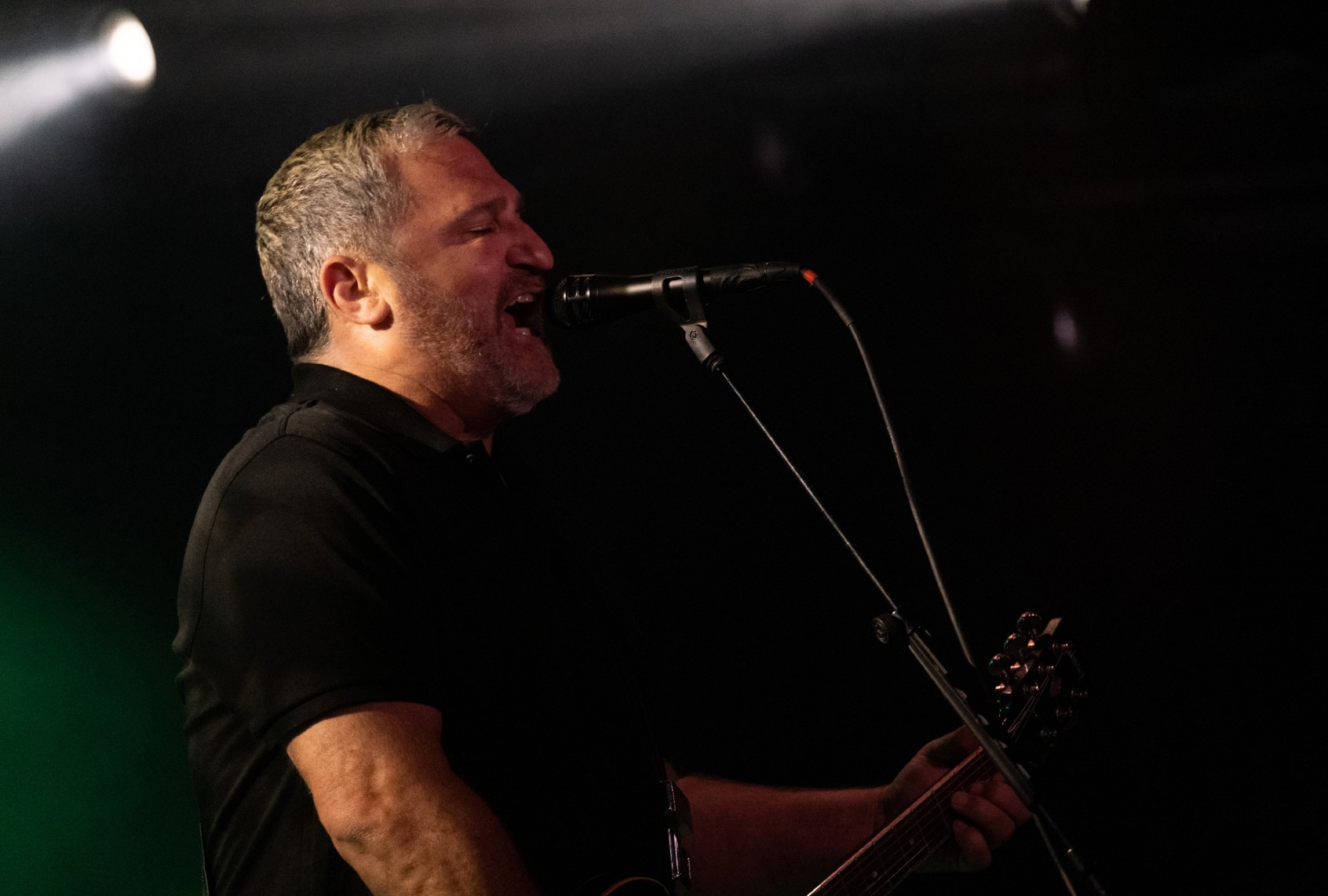
"I definitely used the classic tea and honey. I add cayenne pepper to my tea and honey, though. I do that because someone told me, rightly or wrongly, that it opens the capillaries in your vocal cords and is beneficial, and I’ve been doing it for 20 years. And I also warm my voice up now, where in the old days, I never warmed my voice up. I just smoked and drank and misbehaved and went out there and winged it."
He credits late collaborator Mark Lanegan with pushing him to elevate his technical skill:
"I would say that my voice began to improve when I started singing with Mark Lanegan. Because if you’re singing with Mark Lanegan and something’s off, you’re the problem, because that dude had perfect pitch… So doing that, having to keep up with that guy, I had to work on my singing. And so that was a big step."
When asked how he continues to create vital art in a turbulent world, Dulli pointed to the intrinsic, therapeutic value of songwriting:
"I have written songs since I was a teenager. It has been a passion of mine; it’s been an escape of mine. It’s been a way to entertain myself, console myself, turn myself on. So when you have something like that in your life, and it does all of these different things for you, and it still does decades later, there, that is the gift. It is the gift I give myself because all these things are all for me until I’m done with it and then I turn it over and then it’s not mine anymore."
Future Outlook: The 2026 Touring Cycle
With Soft Control now available worldwide, The Afghan Whigs are preparing to take the new material on the road. Following a spring warmup tour designed to break in new drummer Bryan Lee Brown, the band will embark on an extensive itinerary spanning the UK and Europe in early September, followed by U.S. dates in November.
Because of the limited number of dates, Dulli admits that expanding the live setlist requires a careful balancing act, though fans can expect major additions. "We don’t have a ton of shows, so learning 35 songs is kind of, like — I don’t know about that," Dulli explained. "But we’re definitely bringing like eight more songs into the show, both new ones and old ones. So it’ll be a different show than we did in the spring."
As Soft Control proves, four decades into their career, The Afghan Whigs are not interested in resting on legacy. By continuously refining their craft, embracing fresh creative partnerships, and leaning into the undeniable power of Dulli’s voice, the band remains a vital, uncompromised force in modern rock music.