

Executive Overview
In recent years, a distinct socio-political narrative has taken root across the American right and the broader Make America Great Again (MAGA) movement. This ideology champions an idealized, nostalgic vision of 1950s-era nuclear family life—complete with homemakers in aprons, large broods of children, and the assertion that parenting is an inherently effortless, purely joyful vocation. Within this framework, public figures, commentators, and influencers frequently project a sanitized aesthetic of motherhood designed to counter what they characterize as "feminist propaganda" that frames child-rearing as oppressive.
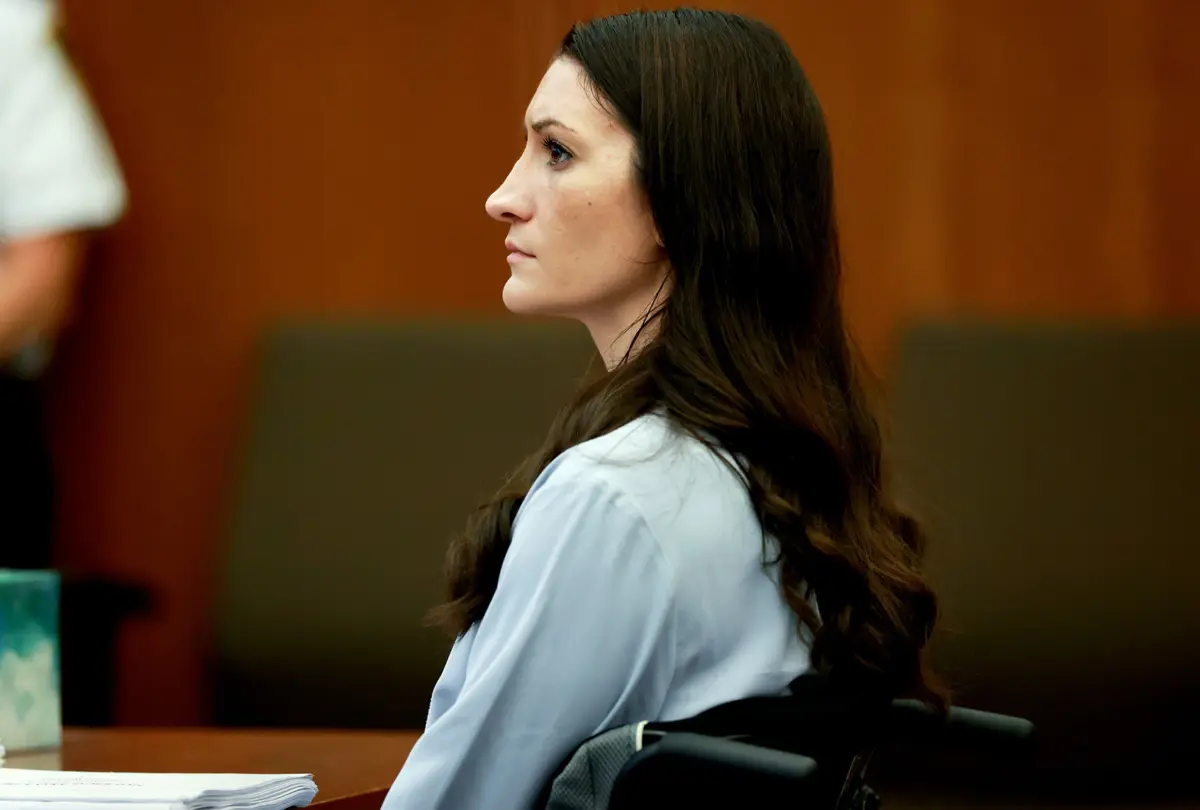
However, this carefully curated ideological construct has collided with the harsh, complex realities of modern mental health, most notably brought to the forefront by high-profile legal cases and nationwide conversations surrounding maternal mental health. The ongoing trial of Lindsay Clancy in Massachusetts—who stands accused of killing her three children in 2023 amid a severe episode of postpartum psychosis—has inadvertently shattered the right-wing myth of effortless domesticity. Rather than quietly ignoring the tragedy, the case has catalyzed a massive public outpouring of maternal rage, frustration, and exhaustion from women who feel systematically gaslit by society.
In response, prominent right-wing commentators like Matt Walsh and Jack Posobiec have launched aggressive rhetorical counter-offensives, dismissing postpartum depression as "selfish," "lazy," or a symptom of cultural entitlement. These vitriolic backlashes have exposed a deep internal fracture on the right. While figures like Ben Shapiro and Meghan McCain have stepped forward to affirm the clinical reality of postpartum disorders out of fear of alienating female voters, the movement remains fundamentally hostile to the structural investments—such as universal childcare, subsidized healthcare, and equitable domestic labor reform—required to actually support mothers. Ultimately, this dynamic reveals a profound contradiction: a movement demanding high birth rates while simultaneously denying the physical, emotional, and systemic burdens borne by those who bear them.
Detailed Chronology and the Catalyst of the Clancy Trial
The intersection of far-right family politics and the stark reality of maternal mental health crystallized around a series of legal and cultural milestones stretching from 2023 to the summer of 2026.
- January 2023: The tragedy involving Lindsay and Patrick Clancy unfolds in Duxbury, Massachusetts. Lindsay Clancy, a labor and delivery nurse suffering from severe postpartum psychiatric complications, strangles her three young children before attempting suicide. The incident immediately sparks intense public shock, but also sets the stage for a prolonged legal and cultural reckoning over the limits of maternal mental healthcare.
- Late 2025: Leading up to the trial, the MAGA political apparatus doubles down on natalist messaging. Figures such as the late Turning Point USA founder Charlie Kirk and his wife, Erika Kirk, heavily promote the concept of marrying young and having large families, publicly brushing off the financial and systemic stresses of parenting as left-wing exaggerations.
- Mid-2025 to Early 2026: Online culture wars intensify. MAGA commentators amplify "tradwife" aesthetics across social media platforms like X (formerly Twitter), contrasting the image of a smiling mother in a sunlit kitchen against corporate working women. During this period, prominent voices like Katie Miller, wife of White House deputy chief of staff Stephen Miller, post widely circulated content framing motherhood as the pinnacle of female fulfillment, explicitly warning women against viewing traditional gender roles as oppressive.
- August 2026: As Lindsay Clancy’s high-profile murder trial begins at Plymouth Superior Court, the legal defense focuses squarely on a not-guilty-by-reason-of-insanity plea anchored in postpartum psychosis. Rather than serving as an isolated legal footnote, the trial becomes a massive cultural lightning rod. Millions of women take to social media, using the trial as a conduit to express suppressed rage regarding the realities of postpartum isolation and the lack of societal support.
- Late August 2026: The cultural clash boils over. Conservative media personality Matt Walsh publishes inflammatory posts on social media labeling claims of postpartum depression as "selfish" and indicative of a societal unwillingness to sacrifice personal desires for children. This triggers an avalanche of similar commentary from right-wing influencers who dismiss suffering mothers as "crybabies" or victims of modern feminist discontent.
- Current Developments (Late August 2026): The extremist pushback prompts immediate damage control from more pragmatic figures on the right, including Ben Shapiro and Meghan McCain, who publicly rebuke dismissals of postpartum disorders. However, the fundamental refusal of conservative leadership to back systemic policy solutions—such as paid family leave or subsidized childcare—leaves the ideological paradox completely unresolved.
Supporting Context & Metrics: The Scale of Maternal Distress
To understand why the right-wing narrative has sparked such intense backlash, it is necessary to examine the actual clinical data surrounding maternal mental health, which stands in stark contrast to the idyllic tropes promoted by social media influencers.
Clinical Prevalence of Postpartum Disorders
While conditions like postpartum psychosis—the severe psychiatric emergency central to the Clancy trial—are relatively rare, affecting approximately 1 in 1,000 births, broader perinatal mood and anxiety disorders (PMADs) are alarmingly common. According to data from the American Psychological Association and the American Board of Professional Psychology:
- Postpartum Depression and Anxiety: Approximately 1 in 6 new mothers experience clinical postpartum depression or generalized anxiety disorders.
- Undndiagnosed Suffering: Studies indicate that up to 50% of women suffering from postpartum depression go undiagnosed due to social stigma, inadequate postpartum screening protocols, and a cultural expectation that mothers should naturally endure emotional distress in silence.
- Systemic Care Deficits: The United States maintains one of the highest maternal mortality rates among developed nations, with mental health conditions and suicide accounting for a significant percentage of postpartum deaths occurring up to a year after birth.
The Economic and Labor Reality
The socio-economic landscape inhabited by modern parents further undermines the "easy motherhood" myth promoted by the MAGA movement:
- The Second Shift: Bureau of Labor Statistics data consistently show that women in dual-income households continue to shoulder the vast majority of unpaid domestic labor and childcare responsibilities, compounding physical and mental exhaustion.
- Lack of Structural Safety Nets: Unlike nearly all other industrialized nations, the United States lacks federally mandated paid family leave, forcing parents back into the workforce weeks after giving birth—a reality that directly contradicts the romanticized imagery of leisurely domesticity peddled by right-wing influencers.
Official Statements and Ideological Divisions
The fallout from the Clancy trial and the ensuing commentary exposed deep fissures within the conservative movement, dividing hardline commentators from pragmatic political strategists.
Hardline Dismissals: The Matt Walsh and Jack Posobiec Faction
The initial conservative response to women speaking out about postpartum struggles was characterized by sharp skepticism and outright hostility toward modern psychiatric diagnoses.
Matt Walsh set the tone for the hardline faction with his commentary on social media, writing:
"Many claims of postpartum depression are selfish and the result of parents unwilling to subordinate our own needs and desires for the sake of children."
This sentiment was rapidly amplified by other prominent right-wing figures. Jack Posobiec and various MAGA commentators echoed the narrative, suggesting that women complaining of postpartum distress were merely suffering from nostalgia for "mimosa brunches" and a distaste for hard work. Katie Miller sought to thread the needle by acknowledging the condition while minimizing its impact, writing:
"Clinical postpartum depression is not inevitable… life is better, richer, and fuller with kids. Don’t let fear of the unknown keep you from having kids."
Pragmatic Pushback: The Ben Shapiro and Meghan McCain Faction
Recognizing that wholesale dismissal of maternal mental health alienated a vital demographic of voters—particularly suburban women—other right-wing figures moved quickly to distance themselves from the hardline rhetoric.
Ben Shapiro publicly rebuked his Daily Wire colleague, asserting that postpartum disorders are indisputably real and that anyone denying their clinical validity is acting like a "moron." Simultaneously, media figures like Meghan McCain warned the conservative ecosystem that misogynistic commentary regarding maternal suffering would permanently fracture the right’s electoral coalition. Candace Owens attempted an alternative conservative pivot, bypassing the psychiatric reality of postpartum psychosis by attributing the condition instead to criticisms of "Big Pharma" and psychiatric medications.
Future Outlook: The Unresolved Paradox of Conservative Natalism
The fierce ideological battle over postpartum disorders highlights a fundamental and perhaps insurmountable contradiction at the heart of the modern right’s family policy agenda.
As the demographic crisis of declining birth rates dominates conservative anxieties, political leaders and media influencers are desperate to encourage marriage and child-rearing. However, their proposed solutions are trapped in a performative loop of cultural nostalgia. By insisting that motherhood is naturally effortless and painting struggling mothers as lazy, selfish, or corrupted by feminist ideology, the hard right reveals a profound unwillingness to confront the material conditions that make modern parenting so difficult.
Moving forward, this dynamic points toward several critical trajectories:
- Deepening Political Alienation: Dismissing maternal trauma as a character flaw alienates the very women the right relies upon for electoral stability—specifically married women and suburban mothers.
- The Policy Vacuum: While conservative figures may occasionally offer rhetorical course-corrections to soften the blow of hardline commentary, they remain ideologically opposed to the actual structural interventions required to alleviate maternal burnout. Without advocacy for universal healthcare, expanded mental health infrastructure, paid family leave, and affordable childcare, rhetorical sympathy remains entirely hollow.
- Continued Cultural Fracturing: High-profile cases like the Lindsay Clancy trial will continue to serve as cultural pressure valves. As long as societal pressures push mothers to the brink while dominant political movements gaslight their experiences, maternal mental health will remain a volatile and deeply contested front in the American culture wars.
Ultimately, the right’s inability to admit that postpartum disorders are real stems from a deeper fear: acknowledging the genuine agony and sacrifice of motherhood requires admitting that the idealized 1950s nuclear family never truly existed as a sanctuary of ease, and that raising the next generation demands far more than romanticized slogans and digital filters.