

Executive Overview
The intersection of media regulation, First Amendment jurisprudence, and digital accountability has reached a critical flashpoint. As the United States approaches high-stakes midterm elections, federal regulatory bodies are aggressively stepping into arenas traditionally governed by editorial independence and journalistic self-regulation. Led by Federal Communications Commission (FCC) Chair Brendan Carr, the agency has issued sharp warnings to broadcasters regarding the airing of "Fake Polls and Suppression Polls," invoking prohibitions against news distortion and broadcast hoaxes. This regulatory intervention arrives amid heightened political polarization, an unprecedented legal challenge by ABC and parent company The Walt Disney Co. against the FCC, and a sweeping $25 billion privacy penalty handed down against Meta in New Mexico.
Concurrently, the broader media industry is grappling with profound systemic shifts. Traditional print outlets are facing severe operational strains—exemplified by massive staff departures at Christianity Today—while regional newsrooms, notably in Alaska, are pioneering novel collaborative models to survive economic contraction and cover complex political races. Adding to the dynamic media ecosystem, figures like CNN anchor Jake Tapper are bridging journalism and the arts through multi-year graphic novel projects. This report provides an authoritative, in-depth analysis of these intersecting developments, examining their structural impacts on journalism, constitutional protections, and the public trust.
Detailed Chronology and Core Developments
The FCC Polling Warnings and Regulatory Precedent
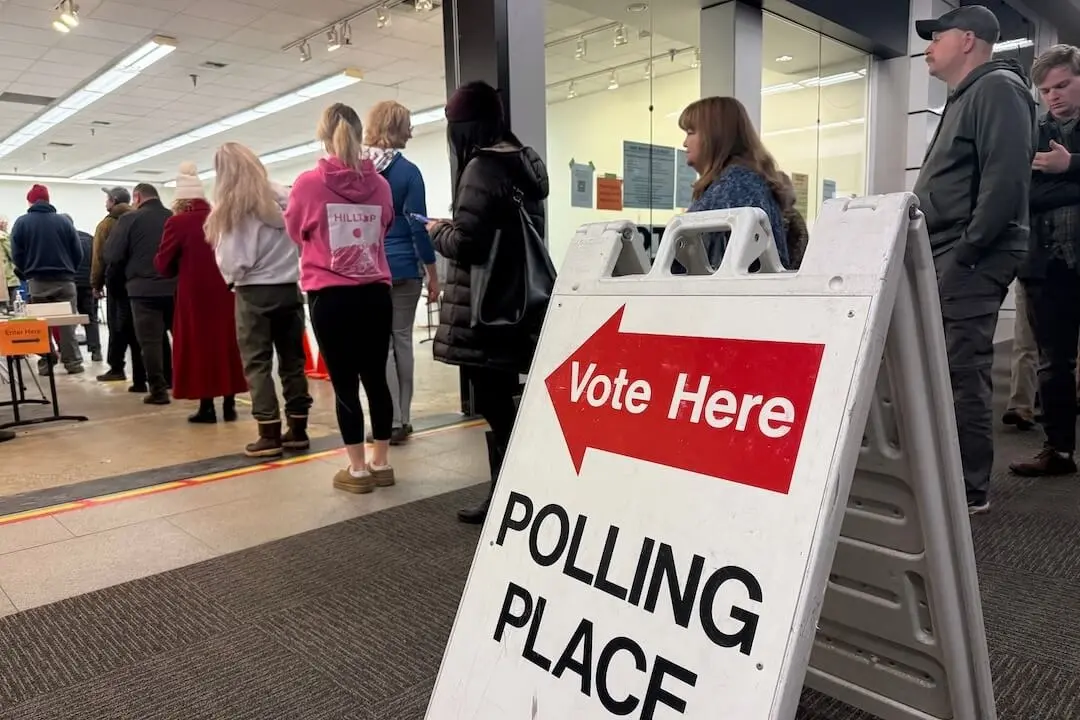
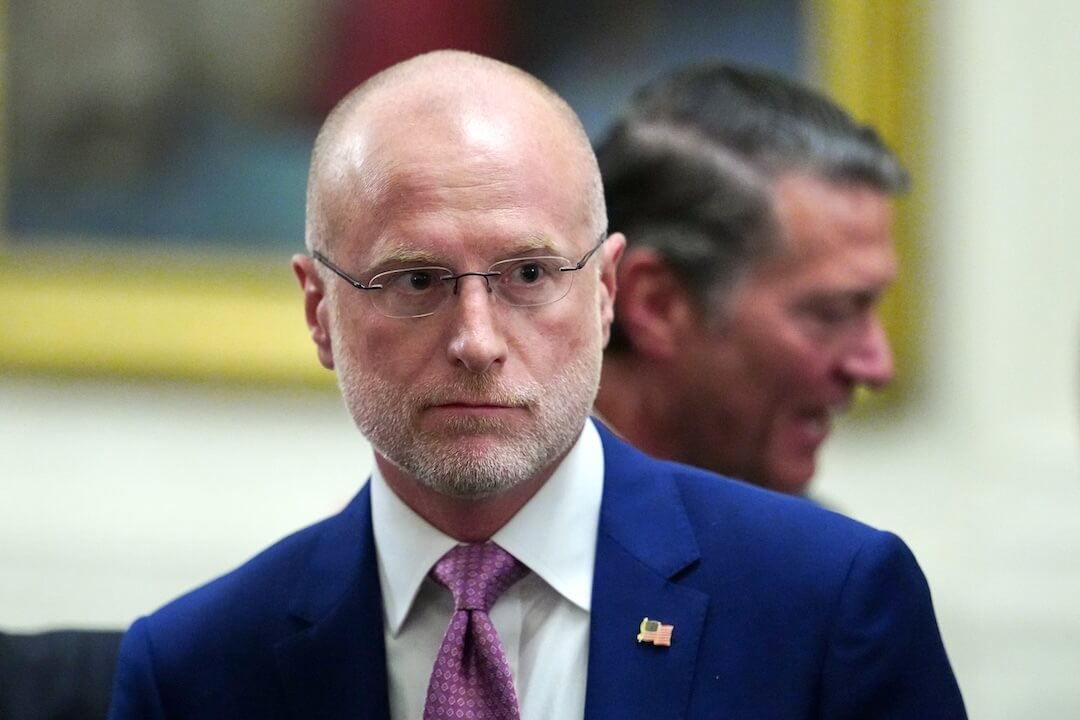
The regulatory landscape surrounding political reporting shifted sharply when FCC Chair Brendan Carr issued a public warning on social media and through official channels. Carr cautioned broadcasters that airing unverified or intentionally falsified political surveys could violate their regulatory obligations, directly threatening their federal broadcasting licenses.
While Carr did not single out specific networks or polls by name, the warning closely followed an admission by "Wedgewood Polls"—a newly launched polling firm—that it had completely fabricated political surveys. These manufactured data sets had successfully infiltrated mainstream news organizations and major polling aggregators before being scrubbed due to emerging data integrity questions. Wedgewood defended its actions as a "social experiment" designed to expose vulnerabilities within the modern polling industry.
Invoking federal statutes prohibiting news distortion and broadcast hoaxes, Carr argued that a "significant surge" in manipulative polling is intentionally designed to alter voter turnout and enthusiasm. However, press freedom advocates and legal scholars immediately flagged profound First Amendment concerns.
The Disney-ABC Lawsuit and FCC Independence
The tension between the FCC and major broadcast networks extends far beyond polling compliance. In August, ABC and The Walt Disney Co. filed a landmark federal lawsuit against the FCC, alleging that the agency violated the company’s First Amendment rights by retaliating against its news and entertainment programming.
According to the legal filing, the FCC initiated early license renewal reviews—years ahead of schedule—for eight ABC-owned stations. Industry observers and network executives argue these regulatory pressures were engineered to appease President Donald Trump, who has frequently criticized network coverage, late-night comedy, and public polling.
During a public appearance at Media Trends Live in New York City, FCC Commissioner Anna Gomez—the lone Democrat on the five-member commission—delivered a scathing assessment of the agency’s current trajectory. Gomez predicted that ABC would likely prevail in its federal lawsuit, praising Disney for defending its constitutional protections.
"I can tell you that I’m very glad Disney found its courage because I’ve said this time and time again: capitulation breeds capitulation, but courage inspires courage," Gomez stated. "I have never seen an FCC that’s less independent than this FCC. Clearly, everything is at the direction of the White House, and that’s really problematic."
Supporting Context, Metrics, and Industry Impacts
Big Tech Accountability: Meta’s Record-Breaking $25 Billion Penalty
Outside the sphere of broadcast regulation, accountability measures hit major technology platforms with historic force. A New Mexico state judge ordered Meta to pay a staggering $25 billion penalty following a jury verdict that found the company committed 43 million violations of state consumer protection laws.
The litigation, rooted in revelations from the Cambridge Analytica scandal, highlighted what the presiding judge termed a "systematic pattern of deception at the core of Facebook’s business model." This financial penalty eclipses the landmark $5 billion settlement Facebook reached with the Federal Trade Commission (FTC) in 2019 by a factor of five. Legal experts suggest this verdict could establish a powerful blueprint for state-level enforcement actions against technology giants utilizing consumer protection statutes. Meta has announced its intention to appeal the decision.
Evolving Press Models: The Crisis at Christianity Today and Alaskan Collaboration
While regulatory and legal pressures mount at the national level, legacy print and digital publications face profound internal structural challenges. Over a 14-month period, Christianity Today—founded in 1956 by evangelical leaders including Billy Graham—has lost more than half of its staff through layoffs and resignations. Former staff members and departing editors have raised serious alarms regarding the erosion of editorial independence under CEO Nicole Massie Martin and COO Thomas Addington.

According to reporting by The New York Times and essays published by former deputy editor Bonnie Kristian, financial pressures and sensitivity to donor and subscriber feedback have led executive leadership to slow down or outright suppress investigative journalism. With subscriber counts dropping from roughly 80,000 a decade ago to just over 50,000 today, the publication’s leadership has increasingly steered away from controversial topics, raising critical questions about the viability of independent religious journalism in an era of financial contraction.
Conversely, regional journalism in Alaska is offering an inspiring blueprint for survival through radical collaboration. As detailed by media observers, the state’s massive geographic expanse and limited economic resources have forced competing newsrooms to abandon traditional cutthroat rivalry.
Organizations such as the Alaska Beacon, The Anchorage Press, and the Anchorage Daily News routinely share editorial memos, co-host political debates, and cross-publish reporting via the nonprofit Alaska News Coalition. This cooperative framework has proven essential for covering high-stakes midterm elections—including a heavily scrutinized Senate race featuring a ballot quirk involving a candidate sharing the name of incumbent Senator Dan Sullivan—despite logistical hurdles like servicing remote, non-road-connected bush communities.
Narrative Expansion: Jake Tapper’s Graphic Novel Debut
In other media developments, CNN anchor and lead Washington correspondent Jake Tapper is expanding the boundaries of traditional journalism by making his graphic novel debut. Set for publication on June 1, 2027, by Top Shelf Productions, The Butcher: The Decades-Long Hunt for Klaus Barbie, One of the World’s Most Notorious Killers represents a three-year labor of love for the journalist. Tapper researched source material across four languages (German, English, Spanish, and French) and personally illustrated every panel of the book, which chronicles the pursuit of the convicted Nazi war criminal who evaded justice for decades.
Official Statements and Legal Analyses
The debate over the FCC’s jurisdictional boundaries regarding polling data has drawn sharp divides between regulators, legal defenders of the press, and commissioners.
- Brendan Carr, FCC Chair: Defending the agency’s stance on social media, Carr emphasized that broadcasters hold a public trust obligation. "Many journalists and broadcasters have been amplifying or airing these Polls without regard to basic journalistic ethics and without informing the public that those Polls lack a scientific, accurate, or even real basis… Broadcasters are prohibited by the terms of their federal licenses from engaging in News Distortion or promoting Broadcast Hoaxes."
- Seth Stern, Chief of Advocacy, Freedom of the Press Foundation: Strongly rebuking Carr’s warnings, Stern highlighted the clear constitutional perils of federal oversight over news reporting. "FCC policies about hoaxes and distortions must be applied narrowly to avoid clashing with the Constitution, if they can be constitutionally applied at all… The law under which the FCC operates expressly prohibits censorship and meddling with free speech."
- Anna Gomez, FCC Commissioner: Addressing the standard required for regulatory penalties, Gomez noted that establishing news distortion demands proof of a "deliberate misrepresentation of something of significant importance," clarifying that an inaccurate poll naturally fails to meet that threshold.
Future Outlook
As the midterm elections draw closer, the broader implications of these converging storylines will profoundly shape the American media ecosystem.
- Constitutional Showdowns in Federal Courts: The ongoing litigation between ABC/Disney and the FCC is poised to set a historic legal precedent regarding executive branch influence over independent regulatory agencies and the absolute limits of the First Amendment in broadcasting.
- The Weaponization of Information Integrity: Regulatory scrutiny over polling data, galvanized by instances of fabricated surveys like Wedgewood Polls, creates a regulatory tightrope. While combating disinformation is a stated priority, the chilling effect on news organizations reporting on unfavorable or volatile polling metrics remains a persistent threat to free expression.
- Economic Adaptation and Collaboration: The stark contrast between the institutional decay at publications like Christianity Today and the collaborative triumphs of Alaskan news coalitions underscores an inescapable industry truth: future journalistic survival relies heavily on structural innovation, shared resources, and an unyielding commitment to editorial integrity independent of political and commercial pressures.