

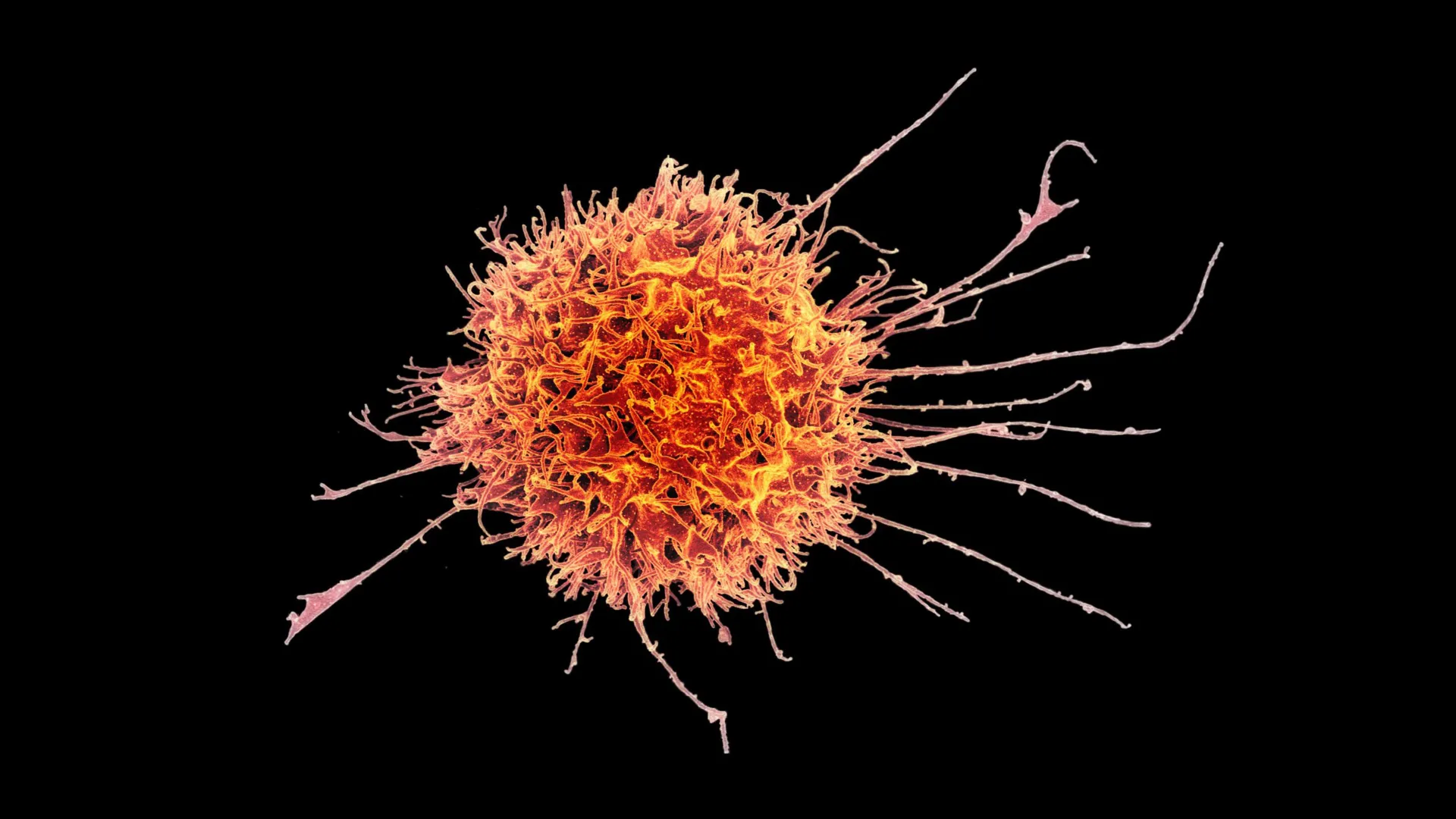
In the relentless war against oncology, immunotherapy has long held status as a beacon of modern medical hope. Treatments harnessing the patient’s own immune system have radically transformed prognoses for liquid tumors—cancers originating in the blood and lymphatic systems, such as leukemias and lymphomas. Yet, solid tumors have remained an intractable fortress. These dense, physical masses of malignant cells actively erect biological barriers that physically exclude patrolling immune cells, while simultaneously releasing immunosuppressive signals that neutralize whatever defenses manage to breach the perimeter.
Now, a team of pioneering researchers at Stanford Medicine, in collaboration with esteemed academic institutions including Ohio State University and the Washington University School of Medicine, has engineered a strategic breakthrough that could rewrite the rules of solid tumor engagement. Published in the journal Science Translational Medicine, their study details an innovative method to reprogram natural killer (NK) cells—the body’s rapid-response immune sentinels—into specialized, tissue-resident destroyers capable of infiltrating, surviving, and actively dismantling solid tumors.
Led by Dr. John Sunwoo, the Edward C. and Amy H. Sewall Professor in the School of Medicine, the research team successfully transformed circulating human blood NK cells into aggressive, localized tissue-resident killers. When tested in preclinical animal models, these engineered cells significantly slowed the progression of aggressive solid tumors, particularly when paired with existing monoclonal antibody therapies.
Crucially, this approach promises a seismic shift in manufacturing logistics. Unlike chimeric antigen receptor (CAR) T-cell therapies and other current cellular interventions—which are notoriously labor-intensive, exquisitely expensive, and must be individually manufactured from each patient’s own cells—these modified NK cells do not typically trigger allogeneic immune rejection. Consequently, they lay the technological groundwork for "off-the-shelf," cryopreserved therapeutic batches. This opens the door to rapid-deployment immunotherapy that can be stored in clinical freezers and administered to multiple patients on demand, bypassing weeks of agonizing wait times. With a Phase I clinical trial targeting advanced squamous cell carcinoma slated for submission to the U.S. Food and Drug Administration (FDA) by the end of the year, this paradigm-shifting discovery stands at the threshold of human translation.
Detailed Chronology: Unraveling the Tissue-Resident NK Cell Paradox
To understand the magnitude of the Stanford breakthrough, one must trace the chronological evolution of how immunologists view the body’s cellular defense mechanisms.
The Shift from Blood to Tissue Immunology
Since their discovery in the 1970s, natural killer cells earned their moniker through an innate capacity to rapidly identify and obliterate aberrant cells—such as those transformed by malignancy or viral invasion—without requiring prior sensitization or specific antigen presentation. For decades, however, the overwhelming focus of human immunology remained anchored on the bloodstream. Researchers cataloged and manipulated circulating B cells, T cells, and conventional NK cells as they transited the vascular highway.
Yet, a growing body of bioinformatic and cellular research revealed a fundamental limitation: circulation is merely transit. For most immune cells, the true theater of war is inside the tissues. Over time, circulating lymphocytes migrate into peripheral organs—such as the skin, liver, lungs, and mucosal linings—where they anchor themselves and morph into distinct "tissue-resident" populations tailored to their local microenvironments.
Deciphering Conflicting Evidence
For years, the scientific community struggled to reach a consensus on the exact physiological role of tissue-resident natural killer (trNK) cells. Published studies offered wildly conflicting narratives. Some laboratories reported that trNK cells acted as potent executioners of diseased cells, while others observed that they exhibited feeble cytotoxicity or even actively suppressed local immune responses.
Dr. Sunwoo and his colleagues hypothesized that these contradictions arose because trNK cells are cellular chameleons. Depending on the precise microenvironmental cues and signaling gradients they encounter upon entering a tissue, they can differentiate into entirely different functional sub-populations.
In certain biological contexts, immunosuppressive trNK cells are vital for human survival. For instance, in the uterine lining during early pregnancy, specialized trNK cells prevent the maternal immune system from attacking fetal tissue, safeguarding placental development. However, for oncology, nature’s tolerogenic brake must be converted into an aggressive weapon.
Engineering the "Goldilocks" Cellular Recipe
To solve this puzzle, the Stanford team—featuring co-lead authors Dr. Nina Horowitz, Dr. Imran Mohammad, and Dr. June Ho Shin—begun isolating circulating natural killer cells from human blood donors. They subjected these cells to controlled, systematic combinations of biochemical signals to observe what drives the tissue-resident transition without inducing dysfunction.
A primary candidate in this signaling matrix was transforming growth factor-beta (TGF-$beta$), a ubiquitous signaling protein frequently hijacked by tumor microenvironments to suppress immune activity. The researchers discovered that the cellular response to TGF-$beta$ is governed by an exquisite, narrow threshold reminiscent of the classic fairy tale:
- Too little signal: The NK cells fail to adopt a tissue-resident phenotype.
- Too much signal (or prolonged exposure): The cells successfully become tissue-resident, but they descend into an exhausted, inhibited, and functionally defunct state incapable of tumor destruction.
- The "Goldilocks" dose: Precisely calibrated, transient exposure to TGF-$beta$ yields tissue-resident natural killer cells armed with maximal cytotoxic potency against malignant targets.
Crucially, the team discovered that soluble TGF-$beta$ alone was insufficient. Direct physical contact with epithelial tumor cells that provided a brief, active burst of the signaling protein was required to trigger the correct developmental switch.
Phenotypic Profiling: Identifying the Ultimate Killer
With a reproducible protocol established to generate these hyper-aggressive cells, the team performed deep phenotypic profiling to distinguish them from their exhausted counterparts.
Both populations displayed classic tissue-resident surface markers, namely CD49a and CD103. However, only the hyper-functional, cancer-destroying cells expressed CD39. Furthermore, molecular analysis revealed that these superior killer cells were densely packed with the intracellular machinery required for execution: significantly elevated concentrations of perforin (a pore-forming protein) and granzyme A (a cytotoxic protease delivered directly into target cells through those molecular perforations).
Supporting Context & Metrics
The quantitative and structural parameters defining this breakthrough highlight its translational readiness.
Preclinical Efficacy in Solid Tumors
The newly minted cytotoxic tissue-resident natural killer cells were subjected to rigorous validation pipelines:
- In Vitro Organoids: In laboratory assays, the modified cells successfully navigated and infiltrated complex 3D tumor organoids grown in culture dishes.
- In Vivo Murine Models: When injected into mice bearing solid tumors—specifically models derived from human melanoma and head and neck squamous cell carcinoma—the engineered cells systematically localized to the tumor core and suppressed growth over multi-week observation windows.
- Synergistic Power: The most profound metric of success emerged when the cellular therapy was combined with cetuximab, an FDA-approved monoclonal antibody utilized in metastatic colorectal cancer and advanced head and neck squamous cell carcinoma. While cetuximab monotherapy yields modest clinical results, a single combined dose of the antibody and the engineered trNK cells completely suppressed tumor growth over a 30-day period. Crucially, control mice succumbed to disease progression, whereas subjects receiving the combination therapy maintained robust health without apparent systemic toxicity or adverse side effects.
Manufacturing Scalability Metrics
To transition from benchtop success to commercial viability, therapeutic modalities must clear high economic and logistical hurdles. The Stanford process addresses this bottleneck directly:
- Batch Production Yield: Natural killer cells harvested from a single human blood donor can be expanded and processed to yield approximately 20 distinct treatment doses within a rapid two-week production window.
- Cryopreservation Stability: Because allogeneic NK cells do not induce severe graft-versus-host disease in the predictable manner of allogeneic T cells, the final product can be frozen (cryopreserved) without loss of function.
- Accessibility: This eliminates the bespoke manufacturing delay inherent to autologous therapies (which require harvesting, shipping, modifying, and re-infusing a patient’s own cells over several weeks), transforming cellular immunotherapy into an accessible, shelf-stable commodity.
Official Statements
The clinical implications of this research have drawn praise from across the academic and biomedical research sectors.
Reflecting on the striking clarity of the laboratory results, Dr. John Sunwoo, senior author of the study and the Edward C. and Amy H. Sewall Professor in the School of Medicine, emphasized the visual and empirical impact of the data:
"We show that these tissue-resident natural killer cells infiltrate into the solid tumors much better than conventional natural killer cells. It was very reproducible, very striking and very clear."
Highlighting the historic blind spot in immunological research that his team sought to correct, Sunwoo noted the paradigm shift toward localized tissue environments:
"For a long time, the study of immunology and disease in humans was concentrated on the blood immune cells. With the advancement of tools and bioinformatics, we are now starting to look more at what’s going on in tissue. For most immune cells, the tissue is where the action is."
Explaining the delicate biochemical tuning required to manufacture the cells, Sunwoo compared the process to precise biological calibration:
"It’s a Goldilocks kind of thing where if you give just enough of a TGF-$beta$ signal, then the natural killer cells become tissue resident with strong toxic activity against malignant cells. If you give too much TGF-$beta$, they’re still tissue resident, but they’re inhibited and dysfunctional, and they don’t kill. You need it to be presented to the natural killer cells in just the right amount and in just the right manner."
Looking toward the commercialization and democratization of cell therapy, Sunwoo underscored the ultimate goal of patient accessibility:
"It would be almost an off-the-shelf drug. It could make cell therapy much more accessible to a wider variety of patients… They’ll be cryopreserved, so we can make a bunch of doses and give it to different patients. There would be no delay."
Commenting on the safety profile observed in preclinical murine trials, Sunwoo maintained an appropriately rigorous scientific caution while acknowledging the promising results:
"Even at day 30, when the other mice were sick, the mice that received the combination seemed very healthy… This was just proof of concept."
Future Outlook & Clinical Roadmap
With the preclinical phase successfully concluded, the Stanford Medicine team is aggressively accelerating its translational timeline.
The Upcoming Phase I Clinical Trial
Dr. Sunwoo and his multidisciplinary collaborators are actively preparing an Investigational New Drug (IND) application to submit to the U.S. Food and Drug Administration. Pending regulatory clearance, the research group anticipates launching a Phase I clinical trial by the end of the year.
This initial human trial will evaluate the safety, pharmacokinetics, and preliminary efficacy of the combination therapy—integrating the engineered cytotoxic tissue-resident natural killer cells with cetuximab—in human patients suffering from advanced head and neck squamous cell carcinoma.
Intellectual Property and Broad Oncology Applications
To ensure the technology can be scaled for widespread clinical adoption, Sunwoo has developed and filed patent applications for the proprietary manufacturing and expansion protocols used to generate massive quantities of cytotoxic tissue-resident natural killer cells.
Should the upcoming clinical trials demonstrate safety and efficacy in head and neck cancers, the clinical roadmap will naturally expand. Solid tumors such as melanoma, non-small cell lung cancer, colorectal carcinomas, and pancreatic adenocarcinoma—all of which notoriously resist current immunotherapeutic approaches due to physical stromal barriers and immunosuppressive microenvironments—represent prime candidates for this platform.
By successfully bridging the gap between circulating immunology and tissue-resident cellular engineering, the Stanford team has not only solved a decades-old biological riddle but has also charted a viable course toward universal, accessible, and potent cellular therapies for solid tumors.
