

Executive Overview
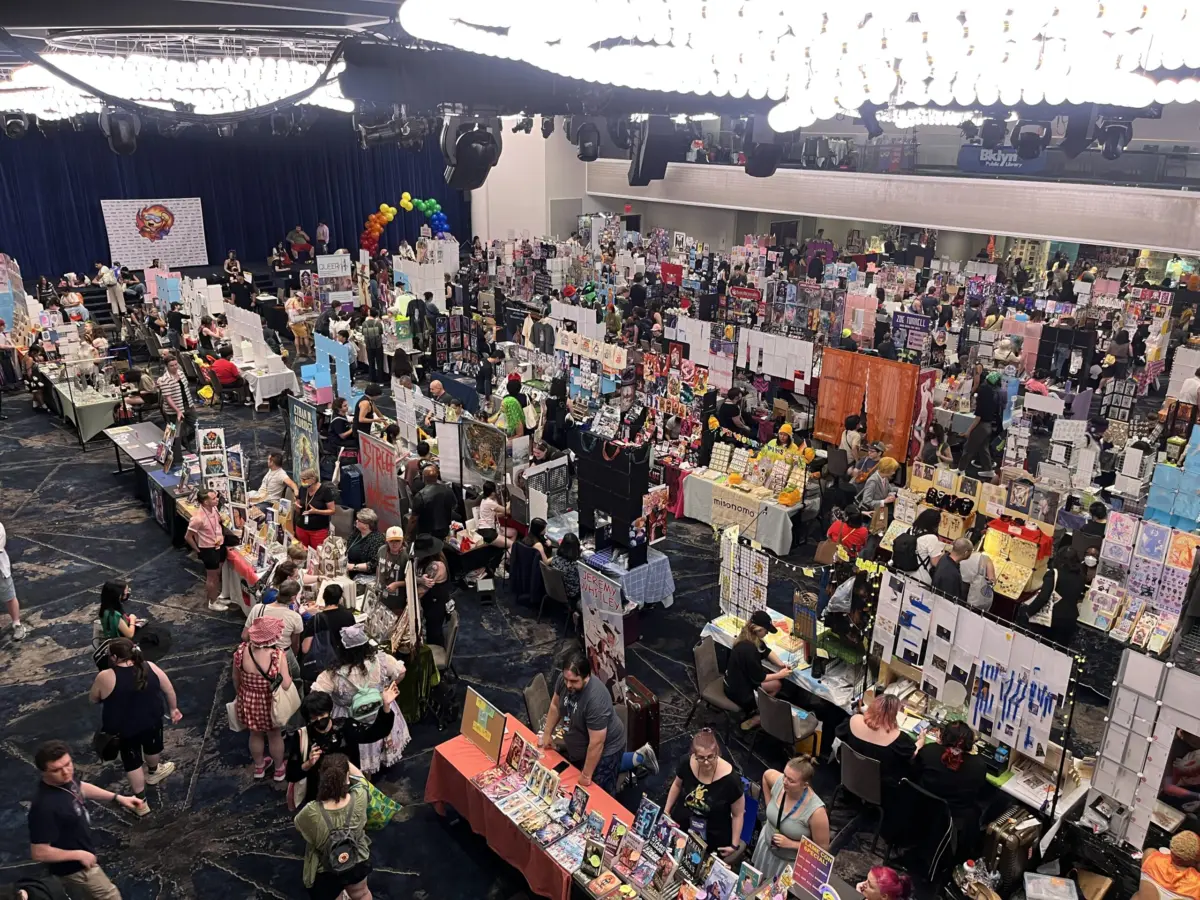
On August 15 and 16, 2026, the fifth floor of the Marriott Marquis in Manhattan’s Times Square was transformed into the epicenter of LGBTQ+ pop culture as Flame Con held its annual convention. Featuring a sprawling exhibit hall, specialized panel rooms, interactive gaming spaces, portfolio review suites, and a marquee cosplay competition, the gathering offered a comprehensive window into the evolving dynamics of modern queer fandom.
However, the defining story of Flame Con 2026 lay not just in the vibrant display of fan enthusiasm, but in a subtle yet definitive shift in audience priorities. Just twenty-four hours before Flame Con opened its doors, Marvel Studios had taken the stage at Disney’s flagship D23 convention to unveil the cast for its long-anticipated X-Men feature film reboot. Historically, an announcement of this magnitude would have sent shockwaves of excitement through a convention heavily populated by comic book fans. Yet at Flame Con, the reaction to Disney’s corporate revelation was surprisingly muted.
This subdued response underscored a major paradigm shift within the culture: queer fandom is no longer defined by an anxious reliance on Hollywood studio press releases or corporate IP validation. Instead, the focus of the community has migrated toward self-determined, creator-owned narratives, niche subgenres such as queer sports romance, indie webcomics, and self-generated media. While legacy franchises like the X-Men maintain a cherished place in the community’s historical lineage, the modern queer fandom ecosystem is increasingly building, publishing, and sustaining its own creative infrastructure.
Detailed Chronology of Events
+-----------------------------------------------------------------------------------+
|                               FLAME CON 2026 TIMELINE                             |
+------------------------------------+----------------------------------------------+
| Pre-Con (Friday, Aug 14)           | Marvel Studios unveils X-Men reboot at D23   |
+------------------------------------+----------------------------------------------+
| Saturday Morning (Aug 15)          | • X-Men Cosplay & Amazing Digital Circus      |
|                                    | • Comics Reading Comics (Scarlet Witch)      |
|                                    | • Mutant Studies 101 Panel (2003 storylines) |
+------------------------------------+----------------------------------------------+
| Saturday Mid-Day / Afternoon       | • Cerebro Panel: "Did You Hear About         |
|                                    |   Mimi Green" reveal (Dark Horse)            |
|                                    | • Main Stage: Shane & Ilya Workout Session   |
|                                    | • Heated Rivalry & Pop Culture Analysis      |
+------------------------------------+----------------------------------------------+
| Saturday Evening                   | • Drawfee Live Interactive Drawing Event     |
+------------------------------------+----------------------------------------------+
| Sunday Early Afternoon (Aug 16)    | • Heated Rivalry / Red, White & Royal Blue   |
|                                    |   Fan Crossover Meetup                       |
+------------------------------------+----------------------------------------------+
| Sunday Late Afternoon              | • Queer Modern Romance Panel                 |
|                                    | • Mentorship Suites & Agent Workshops        |
+------------------------------------+----------------------------------------------+
Friday, August 14: The Pre-Convention Prelude
The narrative of Flame Con 2026 was unintentionally framed the day prior. On August 14, Disney hosted its D23 expo, utilizing its massive promotional apparatus to reveal the primary cast for Marvel Studios’ cinematic X-Men reboot. While online fan spaces dissected the casting choices, the impending gathering in Times Square demonstrated a distinct detachment from corporate studio marketing, setting the stage for a convention centered on grassroots artistic autonomy.
Saturday, August 15: Day One Highlights
The convention officially opened on Saturday morning across the fifth-floor concourse of the Marriott Marquis. Early hours saw a steady influx of attendees, with cosplay ranging from classic superhero ensembles to contemporary animation. Notably, characters from the hit indie animated series The Amazing Digital Circus appeared in numbers rivaling traditional X-Men costumes, signaling the rising dominance of independent digital media among younger fan demographics.
- Morning Programming & Panel Tracks: Programming kicked off with "Comics Reading Comics," a main-stage event featuring queer comedians conducting dramatic, camp-infused readings of classic Marvel titles featuring Scarlet Witch. Simultaneously, secondary panel tracks engaged deeply with niche comic history; hosts of the podcast Mutant Studies 101 led a analytical dissection of an obscure 2003 X-Men comic narrative, demonstrating that fan appreciation for legacy IP remains rooted in critical engagement rather than passive consumerism.
- Mid-Day Spotlight – Cerebro and Dark Horse: Early Saturday afternoon saw a packed room for the panel hosted by Cerebro, an influential X-Men-focused podcast. Host Connor Goldsmith, alongside artist Josh Cornillon, presented their upcoming Dark Horse Comics project, Did You Hear About Mimi Green. Moderated by author Anthony Oliveira, the session focused on the transition from media commentary to primary creation, exploring the title’s body-horror satire of corporate media structures.
- Afternoon – The Heated Rivalry Phenomenon: Saturday afternoon saw a major shift toward romance literature. Cosplayer Heather Boddy led a main-stage core workout designed around the athletic regimens of fictional hockey players Shane Hollander and Ilya Rozanov—the protagonists of Rachel Reid’s gay romance novel Heated Rivalry and its television adaptation. Later in the afternoon, cultural commentator Ezra Crimmen delivered a keynote presentation detailing Heated Rivalry’s broader societal impact, analyzing how the sports novel has influenced professional athletic organizations and traditional publishing houses alike.
- Evening Showcase – Drawfee Live: The main stage concluded Saturday’s programming with a live, high-energy session of the popular YouTube show Drawfee. Hosts Nathan Yaffe, Jacob Andrews, and Julia Lepetit took real-time prompts submitted via Google Forms by over 100 audience members. The team illustrated unorthodox character mashups—ranging from Scooby-Doo to Gandalf—under strict, comedy-driven artistic constraints.
Sunday, August 16: Day Two Highlights
Sunday’s schedule shifted focus toward industry access, professional development, and genre literature analysis.
- Early Afternoon – Literary Crossovers & Meetups: Community-led programming opened Sunday with a combined fan meetup bringing together enthusiasts of Rachel Reid’s Heated Rivalry and Casey McQuiston’s bestselling novel Red, White & Royal Blue, illustrating the deep crossover appeal within modern queer romance subgenres.
- Mid-Afternoon – "Queer Modern Romance" Panel: Moderated by Michele Kirichanskaya (Ace Notes), this panel featured romance authors Page Powars (But I Hate Him), Adeline Kon (Just Between Us), Casey McQuiston (Red, White & Royal Blue, One Last Stop), and Ally North (Bloom Town). The panelists interrogated market pressures, publishing biases, comp-title mechanics, and the urgent necessity for expanded diversity within romantic fiction.
- All-Day Professional Mentorship Suites: Throughout Sunday, Flame Con prioritized creator infrastructure. BOOM! Studios Executive Editor Tea Fougner hosted individual portfolio reviews in dedicated mentorship suites. Concurrently, writer Klaudia Amenabar moderated an informational session featuring literary agents Claire Draper (Au Literary Management), Shannon Lechon (Azantian Literary), and Maria Regina Napolitano (KT Literary), offering emerging creators actionable guidance on contract negotiation and agency representation.
Supporting Context & Industry Metrics
Flame Con 2026 highlighted several structural shifts currently re-shaping the broader publishing and media landscapes. Chief among these is the unprecedented commercial surge of queer romance and sports fiction, alongside a changing pipeline for screen adaptations.
+------------------------------------------------------------------------------------+
|                         QUEER ROMANCE & ADAPTATION ECOSYSTEM                       |
+-----------------------------------+------------------------------------------------+
| Institutional Engagement          | • Ottawa Senators: Official custom jerseys     |
|                                   |   benefiting LGBTQ+ rec leagues                |
|                                   | • Boston Red Sox / Harlequin: MLB-hosted       |
|                                   |   "Heated Rivalry Night" promotional event     |
+-----------------------------------+------------------------------------------------+
| Cross-Media Adaptation Pipeline   | • Heated Rivalry (Rachel Reid): Hit TV Series  |
|                                   | • Check, Please! (Ngozi Ukazu): TV Optioning   |
+-----------------------------------+------------------------------------------------+
| Creator-to-Publisher Pipeline     | • Fan Podcasts (Cerebro) -> Original Dark      |
|                                   |   Horse Comic Titles                           |
|                                   | • Webcomics / Self-Publishing -> Traditional   |
|                                   |   YA/Adult Imprints                            |
+-----------------------------------+------------------------------------------------+
The Commercial Ascendance of Queer Sports Romance
The overwhelming presence of Rachel Reid’s Heated Rivalry at Flame Con reflects a major transformation in literary publishing. Once considered a niche subgenre, queer sports romance has crossed over into mainstream commercial viability.
This shift is increasingly forcing legacy sports institutions to respond:
- National Hockey League (NHL): While overall NHL corporate engagement has been historically slow, individual franchises have begun capitalizing on the trend. As highlighted during Ezra Crimmen’s presentation, Canada’s Ottawa Senators officially manufactured and marketed custom jerseys featuring the names and numbers of Reid’s fictional characters, directing all proceeds to local LGBTQ+ recreational hockey leagues.
- Major League Baseball (MLB): Broadening the trend beyond hockey, Major League Baseball’s Boston Red Sox announced a partnership with romance publisher Harlequin to host a dedicated "Heated Rivalry Night" at Fenway Park, integrating romantic fiction marketing into traditional athletic venues.
- Screen Adaptation Pipelines: The success of Heated Rivalry’s television adaptation has created a rising tide for similar properties. Most notably, Ngozi Ukazu’s long-running, critically acclaimed webcomic Check, Please!—which follows a college ice hockey player navigating identity and romance—was formally optioned for television development earlier this year, demonstrating how digital-first queer IP is converting into mainstream screen adaptations.
Publishing Dynamics and Demographic Gaps
Despite the commercial success of male-centered gay romance titles, the "Queer Modern Romance" panel highlighted clear structural imbalances within traditional publishing:
- Comp Title Friction: Authors navigating traditional publishing often face restrictive "comp title" (comparable title) algorithms. Author Adeline Kon revealed that marketing Just Between Us—a Young Adult graphic novel about competitive figure skaters—drew online friction for referencing Heated Rivalry due to age-category differences, despite sharing identical plot dynamics regarding high-level athletic rivals.
- The Sapphic Publishing Deficit: While gay male romance has secured significant market real estate, panelist Casey McQuiston emphasized that sapphic (woman-loving-woman) and non-binary romantic narratives remain underrepresented by major trade publishers, limiting the diversity of experiences available to mainstream readers.
Official Statements and Panel Insights
The panels at Flame Con 2026 served as a platform for creators, authors, and commentators to critique industry standards and share perspectives on artistic independence.
On Moving Beyond Corporate IP and Fan Commentary
Speaking at the Cerebro panel, host Connor Goldsmith addressed the transition from discussing established superhero franchises to launching an original body-horror media satire, Did You Hear About Mimi Green, with Dark Horse Comics.
"When the people in this room heard ‘Oh, those two guys from the X-Men podcast I love so much are doing a comic book,’ I don’t think anyone in a million years would think this is what that comic would look like."
— Anthony Oliveira, Panel Moderator"That was part of the goal. It was important for both of us that this doesn’t look like anything else on the stands right now."
— Connor Goldsmith & Josh Cornillon, Creators of ‘Did You Hear About Mimi Green’
Closing the panel, Goldsmith underscored the gratitude felt by fan-creators whose audiences follow them into original work:
"It means a lot that people who listened to us talk about other people’s stuff showed up for our own stuff."
— Connor Goldsmith, Host of Cerebro
On Sports Institutions and Cultural Adaptations
During his analytical presentation on sports fiction, Ezra Crimmen evaluated the professional sports world’s delayed recognition of queer fan demographics:
"The NHL’s response to Heated Rivalry‘s massive success has been delayed, if not nonexistent. The Ottawa Senators remain an exception by actively connecting the fictional phenomenon to real-world community support through LGBTQ+ rec leagues."
— Ezra Crimmen, Cultural Commentator
On Market Trends and Literary Empathy
At the "Queer Modern Romance" panel, authors pushed back against writing solely for commercial algorithms, calling on publishers to diversify their catalogs beyond established trends.
+------------------------------------------------------------------------------------+
|                         PANEL HIGHLIGHT: QUEER MODERN ROMANCE                      |
+---------------------+--------------------------------------------------------------+
| Panelist            | Key Takeaway / Direct Quote                                  |
+---------------------+--------------------------------------------------------------+
| Adeline Kon         | "People were mad because it's YA, but my book is about two   |
| (*Just Between Us*) | characters who are rivals at the top of their sports... I    |
|                     | wanted my voice and people with my background to be          |
|                     | represented, too."                                           |
+---------------------+--------------------------------------------------------------+
| Casey McQuiston     | "Isn't the whole point of books empathy and curiosity, and   |
| (*Red, White &      | learning about experiences, living vicariously, and escaping |
|  Royal Blue*)       | your own point of view?"                                     |
+---------------------+--------------------------------------------------------------+
Addressing the disparity between gay male romance popularity and the relative scarcity of mainstream sapphic titles, Casey McQuiston strongly advocated for broader artistic horizons:
"That bums me out, because isn’t the whole point of books empathy and curiosity, and learning about experiences, living vicariously, and escaping your own point of view?"
— Casey McQuiston, Author of Red, White & Royal Blue and One Last Stop
Future Outlook
The takeaways from Flame Con 2026 suggest a distinct evolution in the relationship between queer audiences, independent creators, and corporate media conglomerates.
                  EVOLVING QUEER MEDIA ECOSYSTEM

 [ Legacy Corporate Model ]              [ Emerging Grassroots Model ]
 +-----------------------+              +---------------------------+
 | • Corporate Top-Down  |              | • Fan-to-Creator Pipeline |
 | • Studio Press Releases              | • Original Indie Comix    |
 | • Franchise IP Focus  |              | • Niche Romance Subgenres |
 +-----------+-----------+              +-------------+-------------+
             |                                        |
             v                                        v
 (Passive Fan Consumption)               (Community-Driven Creation)
1. Shift from Corporate IP Reliance to Independent Creators
The apathy displayed toward high-profile corporate announcements—such as Marvel’s X-Men casting at D23—indicates that major entertainment studios no longer hold a monopoly on queer fan engagement. While superhero canon will always retain historical value, audiences are increasingly directing their time, attention, and financial resources toward creator-owned projects like Did You Hear About Mimi Green, original graphic novels, and digital-first webcomics.
2. Deepening Crossovers Between Sports and Romance Media
As professional athletic organizations like Major League Baseball and specific NHL teams partner with romance publishers, the boundary between sports culture and romantic fiction will likely continue to blur. The successful television options for titles like Heated Rivalry and Check, Please! demonstrate that mainstream production companies are beginning to view queer sports fiction as a reliable source of adaptable intellectual property.
3. Maturation of the Fan-to-Creator Infrastructure
Flame Con’s emphasis on portfolio reviews, literary agency guidance, and self-publishing workshops reflects a broader trend: fan communities are constructing their own professional development pipelines. By equipping attendees with the tools to pitch, publish, and distribute original work, events like Flame Con are transforming fans into independent media producers. As these creator-driven networks mature, the broader pop culture landscape will continue to be reshaped from the ground up by original queer voices.
