

Executive Overview
In a landmark clinical study that could reshape modern periodontal care, an international team of researchers has discovered that a daily regimen of omega-3 fatty acids combined with low-dose acetylsalicylic acid (ASA)—commonly known as aspirin—performs nearly as well as potent antibiotic therapies in treating severe periodontitis. Published in the prestigious Journal of Periodontology, the yearlong trial evaluated 109 patients and found that the non-antibiotic regimen achieved clinical success rates virtually identical to those of a standard, multi-drug antibiotic protocol.
The findings arrive at a critical juncture for global public health. As antimicrobial resistance (AMR) accelerates into one of the most formidable threats of the twenty-first century, healthcare sectors across disciplines are urgently seeking ways to curtail unnecessary antibiotic prescriptions. Periodontitis, a rampant chronic inflammatory condition affecting millions worldwide, has traditionally relied heavily on systemic antibiotics like metronidazole and amoxicillin to manage advanced infections. This new research demonstrates that modulating the human body’s own inflammatory and immune response can yield comparable therapeutic outcomes without fueling the global crisis of bacterial resistance.
Supported by the São Paulo Research Foundation (FAPESP), the study was a collaborative triumph involving prominent institutions, including the Albert Einstein Israelite Hospital, Guarulhos University (UNG), the University of Taubaté (UNITAU), and the Ribeirão Preto School of Dentistry at the University of São Paulo (FORP-USP) in Brazil, alongside the Harvard School of Dental Medicine in the United States. While experts urge cautious optimism and emphasize that further research is required before clinical guidelines are rewritten, the trial establishes a scientifically rigorous framework for an entirely new paradigm in dental therapeutics.
Detailed Chronology of the Clinical Investigation
To understand the magnitude of this breakthrough, it is essential to trace the progression of the clinical trial and the foundational science that preceded it. The journey from animal models to a rigorous human trial reflects a meticulously planned scientific progression.
The Preclinical Foundation: Insights from Animal Models
Long before human participants were enrolled, the research consortium explored the biological plausibility of using omega-3 fatty acids to combat periodontal destruction. In an earlier investigation supported by FAPESP and published in Scientific Reports, scientists examined the effects of omega-3 supplementation on periodontal disease progression in rat models.
The preclinical results were striking. The data revealed that omega-3 supplementation significantly suppressed both localized inflammation and destructive alveolar bone loss associated with periodontal disease. Crucially, this protective effect was amplified when omega-3 intake was paired with physical exercise. While animal studies cannot automatically be extrapolated to human physiology due to metabolic and immune differences, this foundational work provided undeniable proof of concept: omega-3 fatty acids directly influence the complex inflammatory pathways that drive oral tissue degradation.
Designing the Human Trial: A Four-Arm Comparative Study
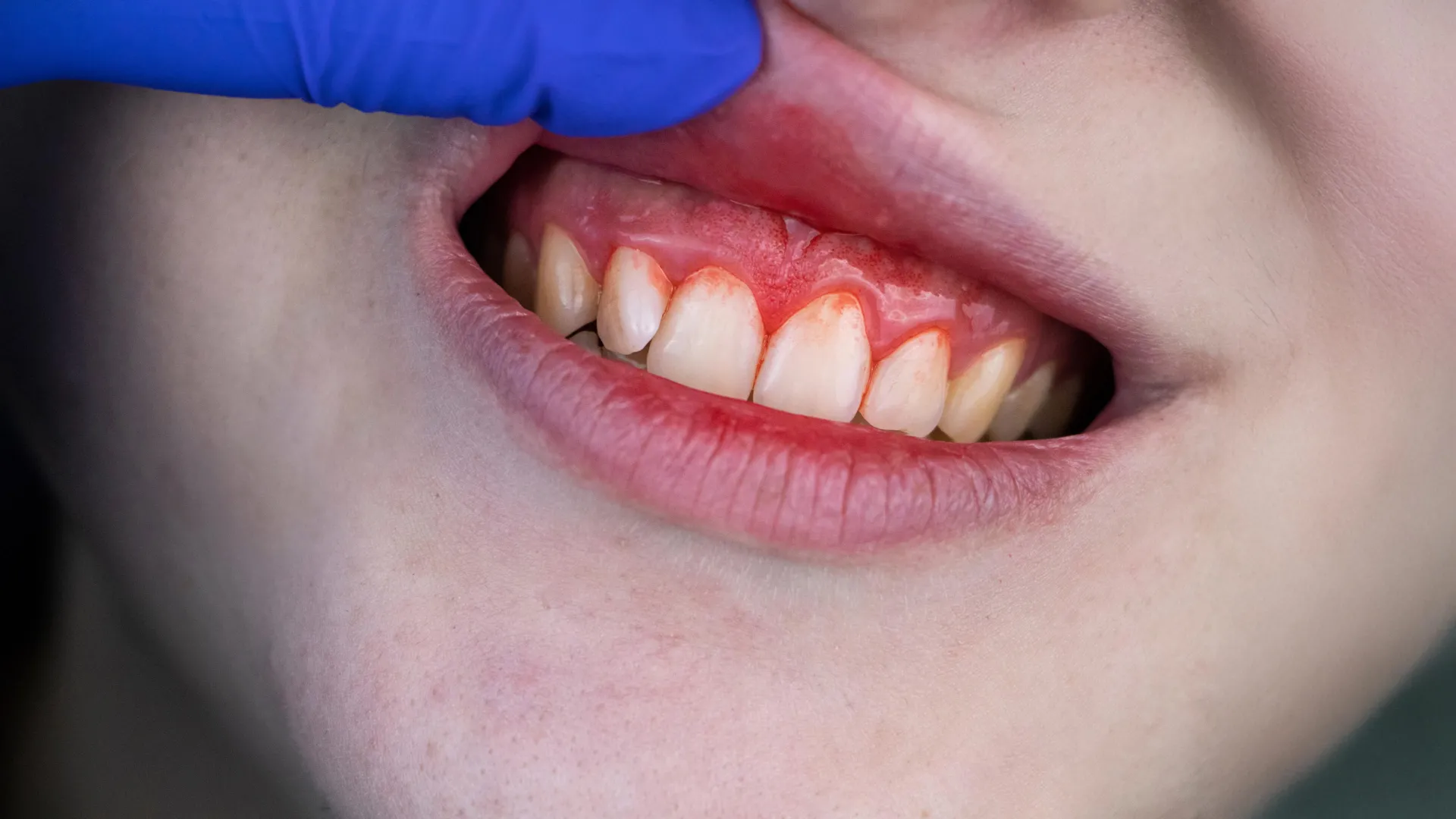
Building upon these promising preclinical indicators, the researchers launched a rigorous, randomized clinical trial encompassing 109 human subjects diagnosed with advanced, severe periodontitis. Periodontitis is far more than a localized gum infection; it is a destructive inflammatory disease triggered by pathogenic bacteria accumulating beneath the gumline. These bacteria form deep periodontal pockets—biological reservoirs that are exceptionally difficult to sanitize—gradually eroding the alveolar bone that anchors teeth in place and ultimately leading to tooth loss.
The 109 participants were divided into four distinct treatment arms to rigorously evaluate and compare therapeutic strategies:
- The Control Group (Standard Treatment + Placebos): All participants in the study underwent subgingival instrumentation, commonly known as scaling and root planing. This mechanical procedure is the gold standard for physical removal of bacterial biofilms, calculus, and toxins from below the gumline. The control group received scaling paired with inert placebos designed to mimic the appearance of antibiotics, omega-3, and ASA capsules.
- The Antibiotic Group (Scaling + Metronidazole & Amoxicillin): In addition to mechanical scaling, this cohort received a combination of metronidazole and amoxicillin—a pharmaceutical protocol backed by extensive historical evidence for managing aggressive periodontal infections—administered three times daily for 14 days.
- The Omega-3 and ASA Group (Scaling + Omega-3 & Aspirin): This experimental cohort received mechanical scaling alongside a daily regimen of three grams of omega-3 fatty acids and a low-dose aspirin taken consistently for six months.
- The Combination Group (Scaling + Antibiotics + Omega-3 & ASA): The final group received a comprehensive approach, taking the two-week course of systemic antibiotics while simultaneously maintaining the six-month omega-3 and low-dose aspirin regimen.
Evaluation Timelines and Patient Tracking
The research team tracked the cohort meticulously, scheduling clinical evaluations at baseline, 3 months, 6 months, and 12 months post-treatment. The primary clinical endpoint—the benchmark for treatment success—was strictly defined as patients retaining no more than four remaining deep periodontal pockets across their dentition. Deep pockets signify active, unmanaged disease reservoirs; reducing them below this threshold indicates successful disease arrest and tissue stabilization.
Supporting Context & Metrics
The quantitative data generated at the conclusion of the 12-month evaluation period offered profound insights into the efficacy of host-modulation therapy versus traditional antimicrobial interventions.
Key Trial Metrics and Outcomes
- Sample Size: 109 human participants diagnosed with severe, advanced periodontitis.
- Duration of Observation: 12 months, with clinical checkpoints at 3, 6, and 12 months.
- Control Group Success Rate (Scaling + Placebo): Only 23.1% of participants reached the clinical target of having four or fewer remaining deep periodontal pockets. This stark metric underscores the limitations of mechanical scaling alone in severe, advanced cases.
- Antibiotic Group Success Rate (Scaling + Metronidazole/Amoxicillin): Approximately 58% of patients achieved the target clinical endpoint, reinforcing why systemic antibiotics have historically been relied upon for stubborn periodontal disease.
- Omega-3 and ASA Group Success Rate (Scaling + Omega-3 & Low-Dose Aspirin): 57.7% of participants successfully reached the clinical target—a statistical dead-heat with the traditional antibiotic protocol.
- Combination Group Results: Curiously, combining antibiotics with the omega-3 and ASA regimen produced no synergistic or additional clinical benefit over either standalone protocol.
The Prolonged Therapeutic Tail
One of the most astonishing discoveries of the trial was the longevity of the therapeutic effect observed in the omega-3 and ASA group. Supplementation with omega-3 and aspirin was intentionally ceased at the six-month mark. Yet, when researchers evaluated the patients at the 12-month mark—six full months after cessation of the active supplement regimen—the clinical improvements remained stable and equivalent to outcomes seen immediately post-treatment.
This sustained efficacy points to a fundamental shift in host response dynamics. Rather than exerting a transient chemical presence like a pharmaceutical drug, altering the body’s inflammatory response appears to reset tissue homeostasis, permitting prolonged self-repair and sustained resistance against recurring bacterial onslaught.
The Biological Mechanism: Resolving vs. Blocking Inflammation
To grasp why this non-antibiotic intervention succeeded, one must look closely at how omega-3 and low-dose aspirin function at a molecular level. Conventional anti-inflammatory drugs typically block specific inflammatory pathways, sometimes dampening the immune system indiscriminately.
Omega-3 fatty acids, however, behave differently. They serve as essential biochemical precursors for the synthesis of specialized pro-resolving mediators (SPMs). These molecules do not merely suppress inflammation; they actively instruct the body’s immune cells to bring inflammatory episodes to a natural close, clear cellular debris, and aggressively drive tissue regeneration.
Low-dose acetylsalicylic acid (ASA) was deliberately integrated into the protocol because pharmacological research indicates it acts as a catalytic enhancer, triggering the biosynthesis of these inflammation-resolving molecules. By combining omega-3 with low-dose aspirin, the researchers successfully coaxed the human body into regaining control over the stubborn, chronic inflammation that characterizes advanced periodontitis.
Official Statements from Lead Researchers
The implications of the study have drawn acclaim from the international dental research community. Principal investigators and leading dental surgeons have shared their insights regarding the trial’s significance for clinical practice.
Nádia Cristina Castro dos Santos, first author of the study and a professor and researcher at Albert Einstein Israelite Hospital, emphasized the paradigm shift represented by host-modulation therapy:
"Patients with severe disease have very deep pockets, which act as reservoirs for bacteria associated with the disease. It’s a very challenging condition to treat. The use of antibiotics isn’t considered the gold standard of treatment. Although metronidazole and amoxicillin yield good results in the most severe cases, their use should be evaluated on a case-by-case basis due to risks related to bacterial resistance and possible adverse effects."
Reflecting on the unexpected parity between the pharmaceutical antibiotic regimen and the dietary-supplement-plus-aspirin protocol, Castro dos Santos noted:
"We imagined that the combination of antibiotics and omega-3 would be most effective in controlling periodontitis in these patients. We also believed that the results for the group that used omega-3 with ASA would be slightly lower than those for the antibiotic group. The result was surprising because the two therapies performed very similarly, paving the way for it to become a treatment option for these patients."
Dr. Magda Feres, lead author of the study, full professor at the Harvard School of Dental Medicine, and faculty member in the Graduate Program in Dentistry at UNG, underscored the immense clinical relief this discovery offers specific patient populations:
"The combination of omega-3 and low-dose aspirin achieved clinical benefits comparable to those of the metronidazole and amoxicillin protocol, opening up a real alternative for those who can’t take antibiotics, especially patients with allergies or intolerance to these medications."
Addressing the macro-level implications for global health and the escalating crisis of antimicrobial resistance, Feres added:
"Demonstrating that it’s possible to treat severe periodontitis by modulating the body’s own response is new and relevant information that helps preserve antibiotics for when they are truly indispensable."
Future Outlook and Next Steps in Periodontal Research
While the findings published in the Journal of Periodontology represent a major milestone in dental medicine, the research team issues a firm reminder that the medical community must proceed with cautious optimism. Transitioning from a single clinical trial to widespread, routine clinical application requires extensive further investigation.
Broadening Demographic and Clinical Scope
The current clinical trial deliberately focused on a tightly controlled cohort: patients who did not present with significant systemic comorbidities or concurrent oral pathologies. To establish whether these stellar results can be generalized, subsequent clinical trials must evaluate broader, more diverse patient populations. This includes individuals with systemic conditions such as type 2 diabetes, cardiovascular diseases, or autoimmune disorders—comorbidities that frequently complicate periodontal management and alter inflammatory profiles.
Microbiological and Mechanistic Analyses
Beyond tracking clinical markers such as pocket depth and attachment loss, researchers are currently conducting deep microbiological analyses on samples gathered during the trial. These laboratory studies aim to map out precisely what happens to subgingival microbial communities over the course of treatment. Preliminary metagenomic data suggest that host-modulation therapies may selectively suppress pathogenic bacterial species closely linked to periodontal degradation while fostering the proliferation of commensal microorganisms associated with pristine gingival health.
Preserving Antibiotic Stewardship
As the medical and dental fields grapple with multi-drug resistant "superbugs," every therapeutic avenue that reduces reliance on systemic antimicrobials is of paramount importance. By proving that host-modulation therapy—harnessing the biological power of omega-3 fatty acids and low-dose aspirin—can match the clinical efficacy of systemic antibiotics in severe periodontitis, this international research consortium has charted a viable path forward.
Until further studies establish definitive guidelines, omega-3 and aspirin cannot yet replace antibiotics as a universal first-line defense. Nevertheless, the study offers an inspiring glimpse into a near future where clinicians can successfully tame severe oral infections by working in harmony with the human body’s own regenerative systems—safeguarding human health while protecting the efficacy of vital antibiotics for generations to come.
