

Executive Overview
For generations, the metric of a chef’s success was tethered directly to the physical boundaries of the dining room. A career in gastronomy meant mastering the brigade system, sweating over a hot range for fourteen-hour shifts, and hoping that a glowing review from a legacy food critic might fill the dining room for a few extra months. Today, however, that traditional paradigm has fundamentally fractured.
As highlighted by leading culinary figures at the recent Chef’s Table Festival in Park City, Utah, a modern chef needs far more than a restaurant—they need a distinct point of view. The contemporary culinary landscape has evolved into an expansive, cross-disciplinary arena where master practitioners routinely transcend the kitchen. They are stepping seamlessly into the worlds of high fashion, international geopolitics, medical science, avant-garde design, and digital media.
This cultural shift demonstrates that food is no longer an isolated sensory experience confined to the plate. Instead, it serves as a powerful medium for storytelling, cultural preservation, and social activism. By leveraging digital platforms to reach millions, collaborating with haute couture fashion houses, and treating global travel as essential culinary research, today’s most influential chefs are rewriting the rules of hospitality. In doing so, they are actively transforming how modern diners discover, consume, and connect with food culture.
Detailed Chronology: The Evolution of the Culinary Vanguard
To understand how the modern chef evolved from a back-of-house artisan into a globally recognized cultural polymath, one must examine the shifting milestones of the industry over the past three decades:
- The Late 1990s and Early 2000s (The Television Boom): Chefs first broke out of their physical kitchens en masse through the proliferation of cable television networks like the Food Network. Culinary icons became household names, transforming cooking from a blue-collar trade into an aspirational, accessible art form. However, the relationship remained largely observational; viewers watched from afar, and the restaurant remained the ultimate and sole destination.
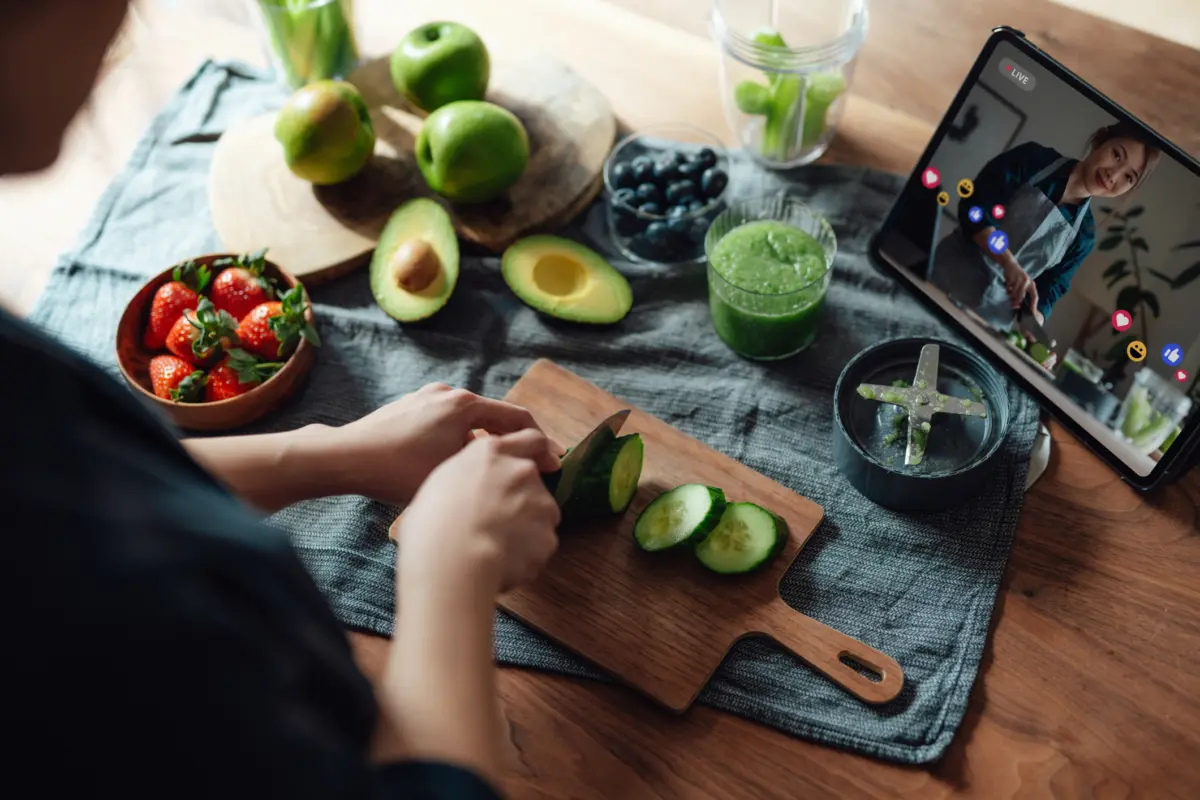
- The 2010s (The Rise of Social Media and Digital Democratization): As smartphones saturated the global market, platforms like Instagram and YouTube democratized food media. Chefs no longer required traditional gatekeepers—such as major television networks or legacy print publishers—to build an audience. They could broadcast their processes, personalities, and philosophies directly to consumers in real time, shifting the power dynamic of restaurant marketing.
- The Mid-2010s to 2020s (Cross-Disciplinary Collaborations): High-profile chefs began partnering with unexpected industries. Culinary visionaries started curating menus for major art installations, designing sustainable tableware, and collaborating with luxury fashion brands. Food intersected with global design, proving that a chef’s aesthetic sensibilities extended well beyond plating.
- The 2026 Chef’s Table Festival (The Cultural Convergence): Culminating at the recent gathering in Park City, Utah, over 70 of the world’s most prominent culinary artists officially solidified a new era. Panels dedicated to fashion, medicine, travel, and social media proved that the modern chef views themselves not merely as a restaurateur, but as an educator, historian, activist, and storyteller.
Supporting Context & Perspectives: Redefining the Craft
At the heart of this cultural shift is an expansive definition of what it means to cook and feed an audience. At the Park City festival, chefs unpacked how these diverse influences directly shape their daily operations and long-term creative visions.
The Digital Zeitgeist and Accidental Signatures
Social media has fundamentally altered how diners choose where to eat. Diners no longer visit a restaurant simply looking for a pleasant evening out; they are frequently driven by a specific, highly publicized dish they discovered online.
Yet, as acclaimed chef Kwame Onwuachi of New York’s renowned restaurant Tatiana pointed out, cultural phenomena are rarely born from sterile, calculated test-kitchen trials. Onwuachi’s now-iconic short rib pastrami suya was created out of sheer logistical necessity when his team needed an additional meat dish for a New York Times photoshoot with just one week’s notice.
"We were slicing it at the photoshoot, hoping it was edge-to-edge red," Onwuachi recalled. "That was the first time we made it… The signature ends up being something you work the least on."
Despite its frantic origins, the dish captured the public imagination, transforming from a quick fix into a vital pillar of urban culinary identity. It underscores a modern reality: digital platforms amplify dishes overnight, turning spontaneous kitchen experiments into global cultural touchstones.
Health, Heritage, and Healing
Beyond digital virality, chefs are increasingly using their platforms to educate the public on health, wellness, and ancestral ingredients. Brandon Jew, speaking on the panel "The World’s Most Influential Food," discussed his intentional incorporation of traditional Chinese medicinal ingredients into contemporary dishes. During the festival, Jew collaborated on a unique chrysanthemum and sea coconut donut, utilizing an approachable format to introduce diners to unfamiliar, health-boosting elements.
"I want to teach people that they are medicinal and taste good," Jew stated. For Jew and his peers, social media and public platforms provide a crucial microphone to demystify cultural ingredients, bridge culinary divides, and preserve historical traditions that might otherwise fade from modern diets.
Fashion, Design, and Dignity
The boundary lines separating haute couture from high gastronomy have grown increasingly porous. Chefs are regularly invited into the upper echelons of the fashion world to translate textile artistry into edible narratives. Onwuachi curated the menu for the landmark 2025 Met Gala, themed "Superfine: Tailoring Black Style," using food to parallel the historical celebrations of Black history and culture being showcased through clothing.
Similarly, chef Massimo Bottura has spent decades extending his culinary philosophy beyond the restaurant door through initiatives like his Reffettorio projects. By integrating high-end design, art, and discarded food to feed populations experiencing poverty and homelessness, Bottura champions a philosophy rooted in human dignity.
"Cooking is an act of love," Bottura emphasized. "Sharing beauty is important when you want to rebuild the dignity of the people."
Travel as Empirical Research
For the modern chef, global travel is not a luxury vacation; it is rigorous, foundational research. Chef Matt Conroy described his immersive journeys through Mexico, where he witnessed firsthand the immense labor, generational techniques, and profound depth required to craft traditional dishes like authentic moles—complex profiles that casual international diners often take for granted.
Walking through local markets, breathing in charcoal smoke, and observing indigenous cooking methods allowed Conroy to internalize flavor profiles that cannot be replicated in a textbook. This sentiment was echoed by Chef Isabel Coss, who noted that a chef’s culinary identity is inherently composite: "We’re a compound of our travels, lives, and experiences."
Official Statements and Industry Insights
The transformation of restaurant culture is supported by leading voices across the global culinary community who see these multidisciplinary expansions not as a distraction from the kitchen, but as its natural evolution.
- Chef Brandon Jew on Digital Advocacy:
"A chef used to need a restaurant. Now, they need a point of view… Social media is an opportunity to reach other people and tell the stories that we may not otherwise get to."
- Chef Norbert Niederkofler on Holistic Sustainability and Engagement:
Discussing his innovative book Cook the Mountain—bound in dried apple skin and printed on apple paper—Niederkofler emphasized the necessity of cross-industry storytelling."We have to tell stories and involve people in things like this because people will see we’re not just cooks." He noted that such initiatives successfully draw younger, more deeply engaged diners who are eager to invest time into the overall dining narrative.
- Chef Nancy Silverton on the Core Purpose of Hospitality:
Speaking during the festival’s fashion and culture panel, Silverton grounded the avant-garde movement in timeless human emotions:"You have to create a place that creates a memory for people. We want to feed the soul and create a place people want to be when they’re happy, when they’re sad, that’s what a restaurant should be."
Future Outlook: What the Shift Means for the Next Generation
As we look toward the future of global dining, the traditional boundaries separating the hospitality industry from broader cultural spheres will likely continue to dissolve. The archetype of the isolated chef-proprietor silently laboring behind kitchen swinging doors is rapidly giving way to the modern culinary polymath.
- Holistic Consumer Expectations: Diners of the future will demand transparency, sustainability, and cultural narrative. Eating out will no longer be evaluated merely by flavor profiles and service speed, but by a restaurant’s ethical footprint, digital storytelling, and active participation in social discourse.
- Cross-Industry Partnerships: Expect to see deeper, more permanent integrations between gastronomy and adjacent creative industries. Fashion houses, architectural firms, medical researchers, and travel collectives will regularly co-create dining experiences that challenge our perceptions of nourishment.
- The Redefinition of Success: Culinary academies and mentorship programs will increasingly incorporate media training, sustainability education, and cultural history into their curricula. Aspiring chefs will be taught that technical knife skills are merely the baseline; true industry leadership requires a coherent personal philosophy and an ability to communicate it across diverse global platforms.
Ultimately, as Kwame Onwuachi succinctly observed, the future of food is inextricably tied to human emotion and holistic design: "It’s not always just about food. It’s about experience." By embracing travel, digital media, fashion, and social advocacy, today’s chefs are ensuring that the restaurant remains one of our society’s most vibrant and vital cultural stages.
