

Executive Overview
In what is rapidly becoming one of the most tumultuous pre-production cycles in modern West End history, the highly anticipated revival of Stephen Sondheim and James Lapine’s Sunday in the Park with George has been thrown into complete disarray. Just weeks before tickets were scheduled to go on public sale, the production has lost its two marquee headliners.
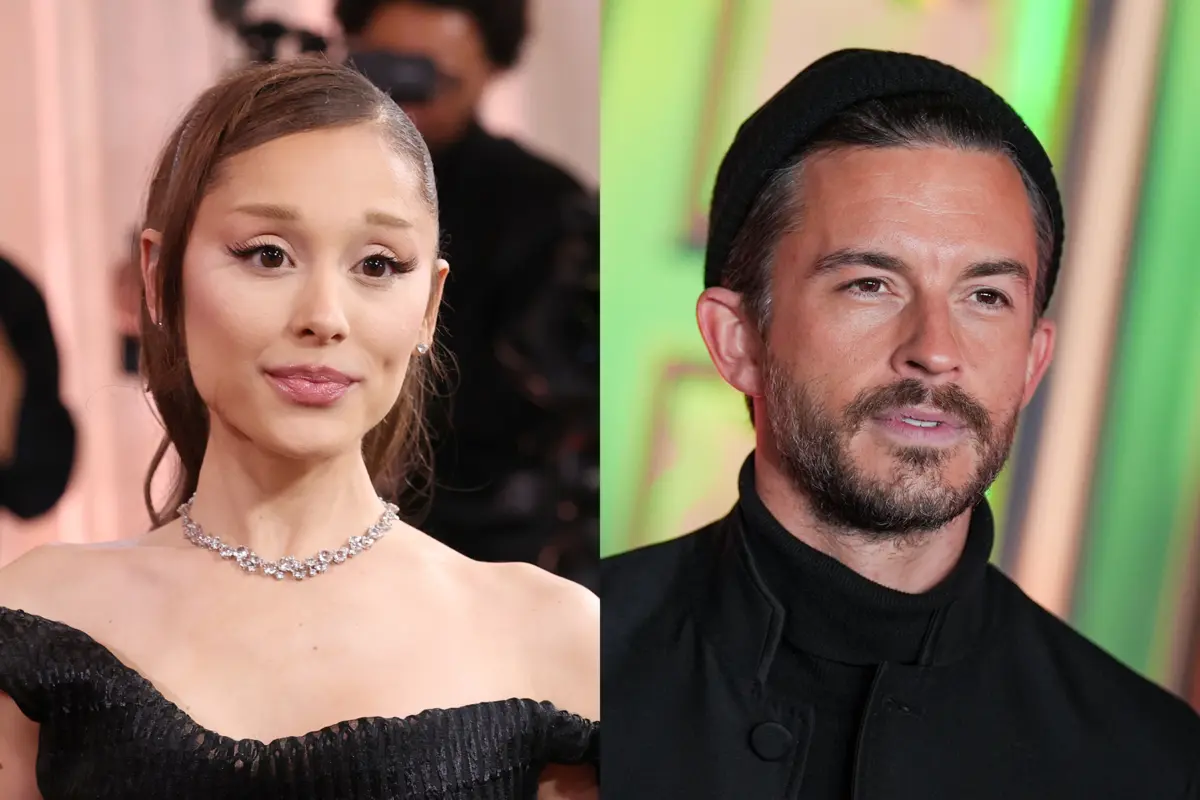
Following the departure of global pop superstar Ariana Grande, Bridgerton breakout and Olivier Award-winning stage actor Jonathan Bailey announced on Tuesday that he is officially stepping away from the project. The dual exits of Bailey and Grande—who recently captivated global audiences together in Jon M. Chu’s cinematic adaptation of Wicked—leave the multimillion-dollar London production entirely without its central pairing.
The revival, which was slated to begin previews in the summer of 2027, was set to feature Bailey as the fictionalized Pointillist master Georges Seurat and Grande as his devoted mistress, Dot. The Pulitzer Prize-winning masterpiece, inspired by Georges Seurat’s iconic 1884 painting A Sunday Afternoon on the Island of La Grande Jatte, relies profoundly on the chemistry, vocal agility, and dramatic gravity of its two leads.
Despite losing the star power that guaranteed immediate box office dominance and global media attention, producers have doubled down on their commitment to the staging. In official statements released Tuesday, representatives for the production confirmed that the premiere timeline remains intact. However, the creative team is currently forced to completely pivot, reshaping the staging to accommodate a yet-to-be-cast company while navigating the fallout of losing two of the entertainment industry’s most bankable and critically acclaimed talents.
This comprehensive report examines the timeline of the double departure, the personal and professional loyalties binding Bailey and Grande, the rich theatrical history of the musical they left behind, and the high-stakes future facing the West End production.
Detailed Chronology: The Unraveling of a West End Phenomenon
To understand the magnitude of this theatrical crisis, one must trace the timeline of events that systematically dismantled what was supposed to be the theatrical event of the decade.
The Vision and Initial Announcement
When whispers of a major West End revival of Sunday in the Park with George first began circulating in theatrical circles, industry insiders and fans alike were electrified. The pairing of Jonathan Bailey—whose theatrical chops have been proven on both London and Broadway stages, most notably in Company—with Ariana Grande, whose vocal prowess and genuine reverence for musical theater are well-documented, felt like a casting coup.
The production was envisioned as a monumental anchor for the West End season, drawing international tourism, driving unprecedented ticket demand, and bridging the gap between commercial pop culture and high art. Rehearsals were mapped out years in advance to accommodate the dizzying schedules of both stars, with a target preview window set for the summer of 2027.
Phase One: Ariana Grande Steps Back
The first blow to the production came unexpectedly in early 2026, when representatives for Ariana Grande announced that the pop icon would be stepping back from public-facing work following the conclusion of her current touring commitments.
The announcement followed mounting concern from fans, industry peers, and media outlets regarding the relentless physical and emotional toll of Grande’s schedule. For months, cultural commentators had noted the intense public scrutiny surrounding the artist, amplified by her high-profile film work and grueling promotional obligations.
In a statement released by her team, representatives noted: "She looks forward to finishing the tour and ending it on a high note, both healthily and happily, and then taking a much-deserved break from public-facing work and appearances, which has led to endless, ongoing public scrutiny."
At the time, producers of Sunday in the Park with George expressed immediate solidarity with their star. In an official release, they stated that Grande’s decision "cannot have been an easy decision, and she makes it with our complete understanding and support." While producers initially expressed optimism about recasting the role of Dot while keeping Bailey anchored to the production, the delicate ecosystem of the revival had already begun to shift.
Phase Two: Jonathan Bailey’s Solidarity Exit
Though producers hoped to salvage the production by securing a new co-star for Bailey, rumors swirled regarding the deep creative and personal bond between Bailey and Grande. Having forged an unbreakable friendship on the massive, emotionally demanding sets of the Wicked films, the actors operated as a packaged artistic unit in the minds of many fans.
Those rumors were confirmed on Tuesday, when Jonathan Bailey officially announced his departure from the production. In a heartfelt joint statement released by his team and the show’s producers, Bailey made it clear that his exit was motivated by unwavering loyalty to his friends, coupled with the realization that the specific artistic alchemy he envisioned was inextricably linked to his original collaborators.
With both George and Dot vacant, the production finds itself stripped of its foundational pillars just as marketing campaigns and ticketing operations were poised to ramp up.
Supporting Context & Metrics: The Weight of Sunday in the Park with George
To fully grasp why this double departure has sent shockwaves through the theater community, one must examine the towering legacy of the musical itself and the unique demands it places upon its performers.
A Masterpiece of Form and Content
Sunday in the Park with George first premiered on Broadway in 1984 at the Booth Theatre, featuring a groundbreaking score and lyrics by Stephen Sondheim and a visionary book by James Lapine. The musical explores the complexities of artistic creation, the sacrifices required in pursuit of genius, and the delicate balance between work and human connection.
Act I fictionalizes the creation of Georges Seurat’s masterwork, observing the artist as he isolates himself from society—and his mistress, Dot—to experiment with chromoluminarism (Pointillism). Act II jumps forward a century to 1984, following Seurat’s great-grandson, also an artist, struggling with similar crises of commercialism and creative burnout.
The original Broadway production was a critical darling, earning 10 Tony Award nominations and winning two (Best Scenic Design and Best Lighting Design), alongside the 1985 Pulitzer Prize for Drama—a rare and prestigious honor for a musical. The original roles of George and Dot were immortalized by Mandy Patinkin and Bernadette Peters, setting an impossibly high artistic bar for anyone daring to step into their shoes.
The Commercial and Cultural Stakes in the West End
West End revivals of Sondheim work—particularly Sunday in the Park with George—are high-risk, high-reward ventures. Unlike blockbuster jukebox musicals that rely on familiar pop catalogs, Sondheim’s intricate, dissonant, and intellectually demanding scores require specialized performers capable of navigating complex vocal arrangements while delivering raw emotional vulnerability.
The inclusion of Bailey and Grande was designed to mitigate the traditional financial risks of mounting a complex, high-art musical. Their involvement guaranteed:
- Global Media Coverage: Outlets ranging from traditional theater publications to mainstream celebrity glossies tracked every phase of the production.
- Instant Box Office Momentum: The anticipated ticket-sale launch was projected to shatter West End records for advance booking revenue.
- Generational Crossover Appeal: By blending Bailey’s prestige theater credentials with Grande’s massive, dedicated global fanbase, the production promised to introduce a complex modernist musical to an entirely new demographic of younger theatergoers.
Without these stars, the production faces the daunting task of generating identical box office excitement using purely theatrical prestige—a challenge in an increasingly volatile economic climate for live entertainment.
Official Statements and Industry Reactions
The fallout from Tuesday’s announcement has prompted a flurry of statements from the artists, their representatives, and the production team, highlighting the deep mutual respect involved in the split.
Jonathan Bailey’s Full Statement
In his official address to the public and the theater community, Bailey reflected on the intimate nature of the project and his reasons for stepping away:
"Ari is one of my dearest friends, and my support for her is unwavering. Marianne is extraordinary and one of my longest collaborators and friends. After much consideration, I have decided to also step back from Sunday in the Park with George.
This brilliant, introspective musical has been a real passion project for me, and I feel incredibly lucky to have shared in its journey with this team. Among many things, the story explores the deep connection between George and Dot, a beautiful, devoted pairing, and I so look forward to seeing what the team, and the two actors who will now take on these roles, will create with it."
The Production Team’s Response
Faced with the monumental task of rebuilding their cast from scratch, the production team released an authoritative statement addressing the path forward:
"The creative team is reshaping the production around a new company while preserving the ambition and artistic integrity of Stephen Sondheim and James Lapine’s musical."
Insiders close to the production note that while morale among the creative staff was temporarily shaken by the double exit, producers are determined to honor Sondheim’s legacy by maintaining the artistic standard of the staging. The decision to keep the 2027 premiere timeline intact signals confidence in the underlying strength of the material and the robust pool of international talent available for casting.
Future Outlook: Where Does the Production Go From Here?
As the dust settles on Tuesday’s shocking announcement, the immediate future of the West End revival of Sunday in the Park with George hangs in the balance. Several key questions and challenges lie ahead for the creative team:
1. The Casting Conundrum
The most pressing priority for producers is identifying a new creative pairing to anchor the production. Finding performers who possess the vocal stamina, acting depth, and commercial draw of Bailey and Grande is no small feat. Theater critics and fans have already begun speculating on potential successors from both the West End and Broadway stages. Names frequently tossed around by industry insiders include accomplished actor-singers with strong Sondheim pedigrees, though producers have confirmed that no official frontrunners have been named at this time.
2. Redefining the Marketing Strategy
With the loss of its pop-culture headliners, the production’s marketing strategy must pivot. Instead of relying on the star power of Grande and Bailey to drive ticket sales, the campaign will likely lean heavily into the artistic prestige of the creative team, the timeless brilliance of Sondheim’s score, and the thematic relevance of the musical in the modern digital age.
3. Preserving Artistic Integrity
Ultimately, Sunday in the Park with George is a piece about artistic sacrifice and the uncompromising nature of creative vision. In a strange twist of art imitating life, the production team must now embody the very resilience and dedication that Georges Seurat displayed on his canvas. By reshaping the production around a new company without compromising the ambition of the original text, the creative team has an opportunity to craft a revival defined not by the stars who left, but by the raw theatrical power of the artists who will ultimately step into the light.
As casting discussions continue behind closed doors, the theater world watches with bated breath, waiting to see who will pick up the brush and paint the next chapter of this storied West End revival.
