

Executive Overview
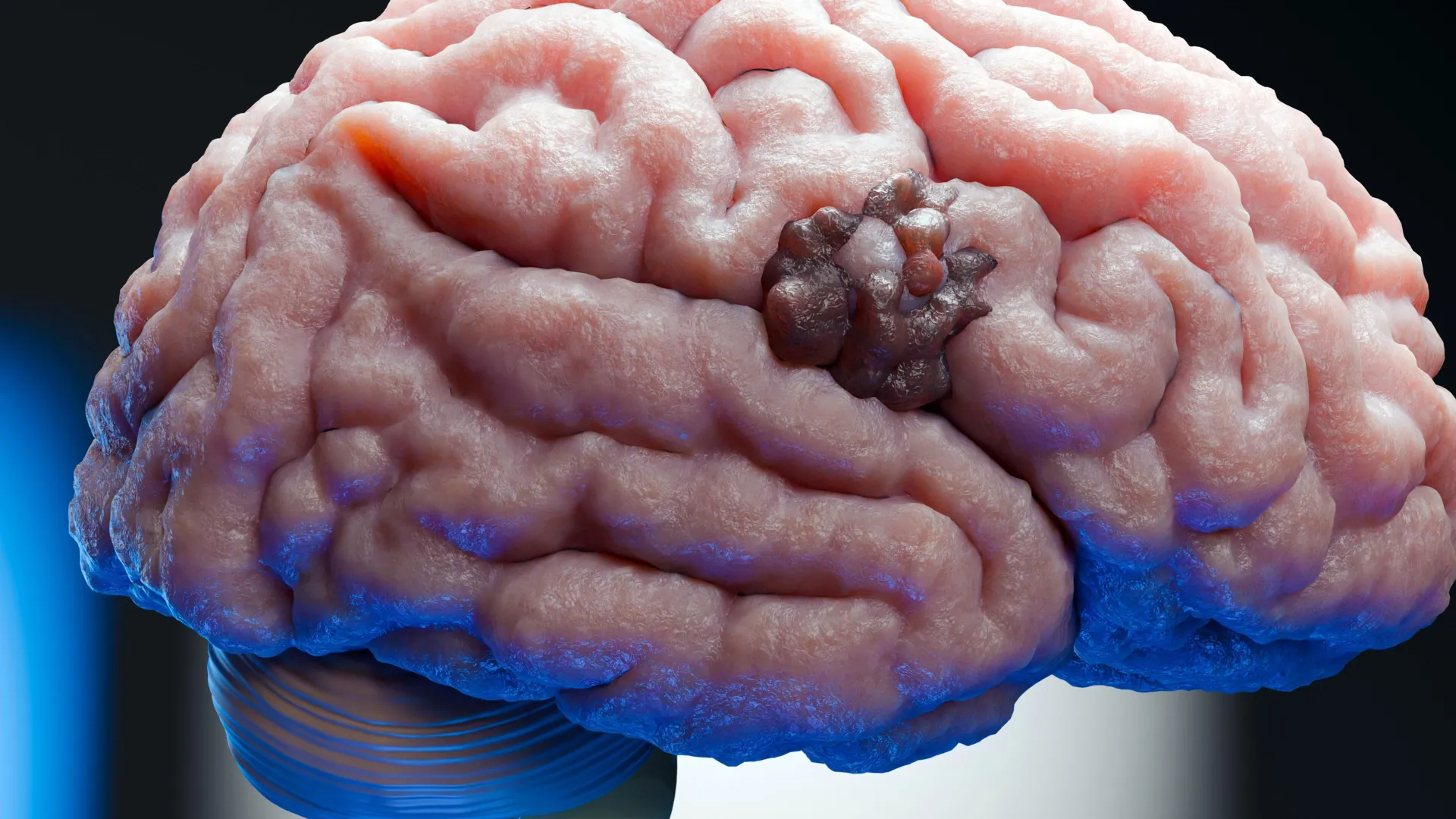
Glioblastoma (GBM) remains one of the most treatment-resistant and lethal forms of human cancer. For decades, the therapeutic landscape for patients diagnosed with this aggressive brain tumor has remained stubbornly static. Despite aggressive surgical resections, high-dose radiation, and intensive chemotherapy regimens, glioblastoma tumors almost invariably recur. Their notorious resilience stems from an extraordinary ability to withstand DNA damage, evade apoptosis (programmed cell death), and continuously adapt to hostile microenvironments.
Now, a team of pioneering researchers at The Ohio State University Comprehensive Cancer Center – Arthur G. James Cancer Hospital and Richard J. Solove Research Institute (OSUCCC – James) has uncovered a critical chink in the cancer’s armor. By focusing on a specific regulatory enzyme known as protein phosphatase 2A (PP2A)—and the molecular inhibitors that hijack it—the research team has identified a promising new therapeutic target: a protein designated as SET.
Rather than proposing an entirely new cytotoxic agent from scratch, the OSUCCC – James team has mapped out a strategy designed to sensitize glioblastoma cells to existing therapies. In preclinical models, suppressing the SET protein effectively prevented tumor development and crippled the cancer’s capacity to repair itself following radiation and chemotherapy.
Published in the May 2026 issue of the peer-reviewed journal Cancer Letters, this landmark study illuminates a vital biological pathway that researchers hope to exploit pharmaceutically. While clinical translation remains on the horizon, the discovery offers renewed hope for transforming how oncologists approach one of medicine’s most formidable adversaries.
Detailed Chronology of the Discovery
To understand the magnitude of the Ohio State team’s findings, one must trace the biological mechanisms that allow glioblastoma to outsmart modern medicine. The investigation began with a deep dive into cellular signaling pathways, specifically targeting enzymes that dictate whether a cancer cell lives, dies, or repairs itself after therapeutic onslaught.
Targeting the Master Regulator: PP2A
At the center of the researchers’ investigation is protein phosphatase 2A (PP2A), a critical tumor-suppressor enzyme. In healthy cellular environments, PP2A acts as a molecular brake, negatively regulating various signaling pathways that drive cell growth, division, and survival. However, in glioblastoma and many other aggressive cancers, this tumor-suppressor function is subverted.
Glioblastoma cells systematically disarm PP2A to ensure their own survival. To achieve this, the cancer cells deploy a triad of inhibitory proteins: ANP32A, CIP2A, and SET. By binding to PP2A, these proteins effectively neutralize its tumor-suppressive activity, allowing unchecked cellular proliferation and conferring high resistance to treatment-induced damage.
Unmasking SET
While analyzing the trio of PP2A inhibitors, the researchers discovered that SET exerted a uniquely powerful influence on tumor formation and survival. When the OSUCCC – James team experimentally blocked or suppressed SET in rigorous laboratory and animal models, the results were striking:
- Tumor development was fundamentally prevented.
- A significantly lower percentage of cancer cells survived initial stress.
- The remaining glioblastoma cells exhibited an acute vulnerability to radiation therapy, losing their typical capacity to recover from DNA double-strand breaks.
Interfering with the related inhibitory proteins (ANP32A and CIP2A) similarly yielded heightened radiation sensitivity, confirming that the entire PP2A-suppression axis represents a unified vulnerability in glioblastoma biology.
Exploring Drug Repurposing Pathways
With the biological mechanism validated in preclinical settings, the research team turned their attention toward translational possibilities. How does one safely inhibit SET or restore PP2A activity in a living human brain?
As part of their exploratory phase, the researchers examined an existing, FDA-approved antipsychotic medication known to possess secondary pharmacological properties capable of increasing PP2A activity. While this finding provides valuable proof-of-concept data and offers a tangible roadmap for future pharmaceutical development, the research team issues an emphatic warning: the drug is not currently optimized for glioblastoma treatment and must not be taken for this purpose outside of a controlled clinical trial.
Instead, the discovery serves as a vital stepping stone, demonstrating that PP2A-targeting drugs are pharmacologically achievable and worthy of rigorous clinical evaluation.
Supporting Context & Metrics: The Scale of the Glioblastoma Crisis
To fully appreciate the urgency driving the research at OSUCCC – James, one must examine the epidemiological and clinical realities of glioblastoma.
The Clinical Burden of GBM
Glioblastoma accounts for the majority of primary malignant brain tumors in adults. According to neuro-oncology data:
- Incidence: Approximately 12,000 new cases of glioblastoma are diagnosed in the United States each year, representing roughly 15% of all primary brain tumors.
- Prognosis: Despite maximal therapy—typically consisting of surgical resection followed by concurrent temozolomide chemotherapy and localized radiation—the median overall survival rate remains stubbornly low, hovering around 12 to 18 months.
- Five-Year Survival: Fewer than 7% of patients diagnosed with glioblastoma survive past five years.
The Problem of Therapeutic Resistance
The primary barrier in glioblastoma treatment is not necessarily an inability to deliver initial therapy, but rather the tumor’s sophisticated adaptive biology. Glioblastoma is characterized by profound cellular heterogeneity; a single tumor contains diverse subclones of cells with varying genetic mutations. When subjected to radiation or chemotherapy, the most vulnerable cells may die, but treatment-resistant subpopulations invariably survive, mutate further, and drive aggressive recurrence.
Furthermore, glioblastoma cells possess robust DNA damage response (DDR) mechanisms. When radiation shatters their DNA, these cells rapidly activate repair proteins, allowing them to bounce back stronger. By identifying SET and its role in suppressing PP2A, the Ohio State team has identified a master switch governing these survival and repair pathways. Shutting down SET removes the cancer’s biological safety net, rendering standard-of-care treatments significantly more lethal to the tumor.
Official Statements and Expert Insights
The implications of the study have drawn praise from leading figures in the neuro-oncology and radiation oncology communities, highlighting both the promise of the discovery and the cautious methodology guiding its next phases.
"Glioblastoma is hard to treat because it can adapt and survive," explained Dr. Arnab Chakravarti, chair of radiation oncology at the OSUCCC – James and senior author of the study.
Dr. Chakravarti emphasized that the primary goal of this research is not to discard existing paradigms, but to amplify their effectiveness:
"Our findings suggest that restoring PP2A activity may make glioblastoma cells less able to survive treatment. That gives us a clear path to test whether this approach can make radiation and chemotherapy more effective for patients with GBM."
Addressing the translational roadmap and the excitement surrounding the investigation of existing pharmacotherapies, Dr. Chakravarti maintained a grounded, scientific perspective:
"This is an important first step. By understanding how SET and related PP2A blockers help GBM survive treatment, we can test ways to block that protection and make current therapies more effective."
Independent oncologists and researchers not directly involved in the study have echoed these sentiments, noting that targeting protein-protein interactions—such as the binding of SET to PP2A—has historically been challenging from a drug-design perspective. However, validating SET as a master driver validates the pursuit of small-molecule inhibitors or peptide-based disruptors specifically engineered to break this molecular embrace.
Future Outlook: The Road to Clinical Trials
While the findings published in Cancer Letters mark a major milestone in neuro-oncology research, the path from bench to bedside requires rigorous, methodical progression.
Phase-by-Phase Advancement
- Target Validation & Optimization: Preclinical experiments have established that suppressing SET thwarts tumor development and sensitizes cancer cells to radiation. The next phase involves designing and testing highly specific pharmacological inhibitors that can target SET or its binding sites without inducing systemic toxicity in healthy tissues.
- Blood-Brain Barrier Penetration: Any therapeutic agent designed to treat glioblastoma must successfully cross the blood-brain barrier (BBB)—a tightly regulated physiological border that protects the brain but frequently blocks life-saving drugs. Researchers at OSUCCC – James are currently evaluating how effectively PP2A-activating compounds and SET-suppressing agents penetrate this barrier in animal models.
- Clinical Trial Design: Once candidate molecules are optimized and safety profiles are established in preclinical toxicology studies, the team aims to design phase I human clinical trials. These trials will likely test SET-inhibiting strategies or PP2A-restoring drugs in combination with standard temozolomide chemotherapy and fractionated radiation therapy for newly diagnosed glioblastoma patients.
Institutional Support and Funding
This vital research effort has been made possible through sustained financial backing from premier national health agencies and institutional endowments. The study was supported by competitive research grants from the National Institutes of Health (NIH), the National Cancer Institute (NCI), and The Ohio State University Comprehensive Cancer Center.
As funding continues to flow into translational neuro-oncology, the scientific community remains cautiously optimistic. By shifting the focus from simply attacking cancer cells to dismantling the sophisticated defensive machinery they use to survive, researchers at the OSUCCC – James have opened a promising new frontier in the ongoing war against glioblastoma.
