

Executive Overview
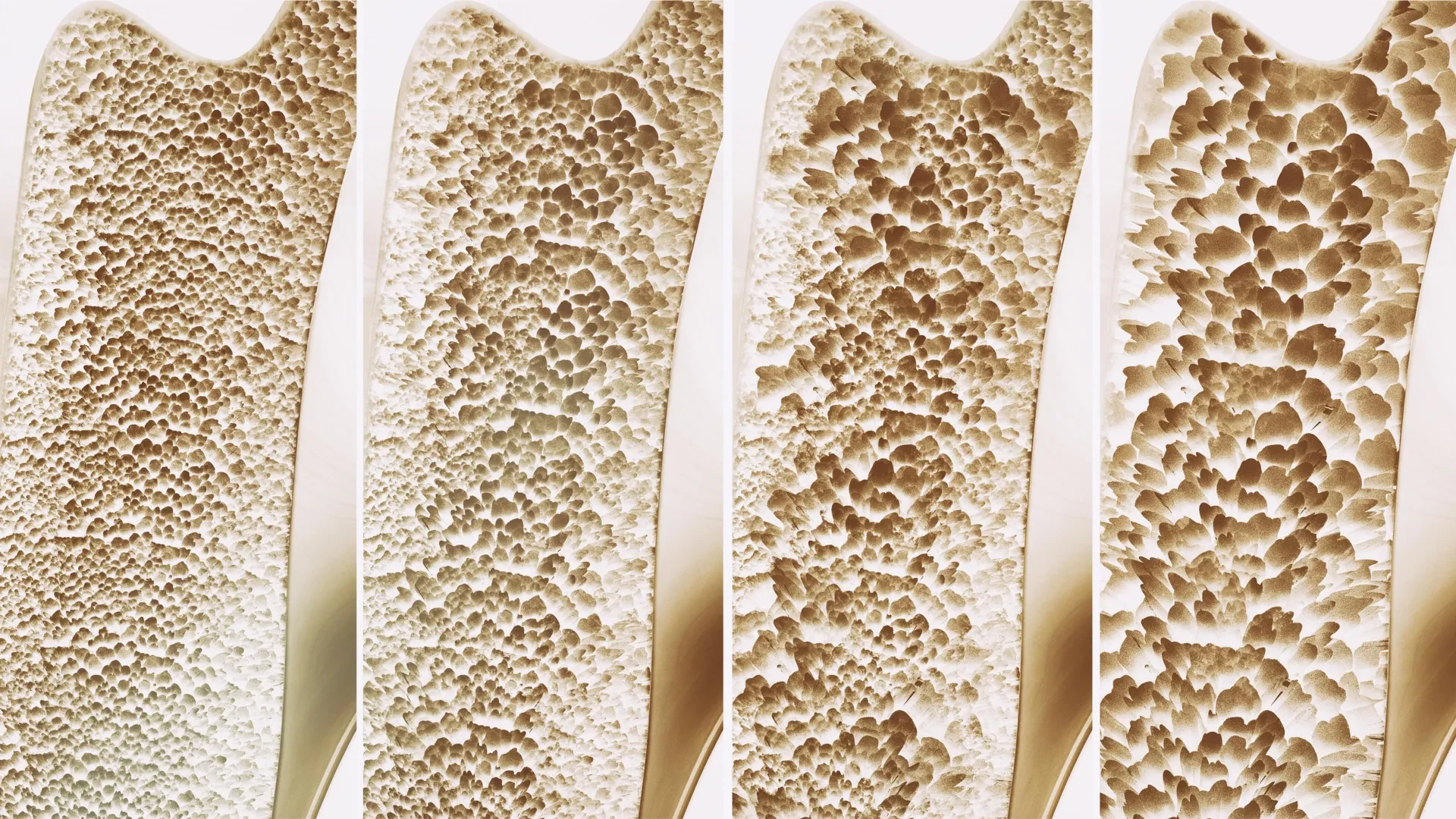
Osteoporosis remains one of the most insidious medical challenges of the modern aging society. Often termed the "silent thief," the condition quietly degrades skeletal architecture, stripping bones of their density and microstructural integrity long before a catastrophic fracture signals its presence. In Germany alone, an estimated six million individuals—predominantly postmenopausal women—live with the daily vulnerability of fragile bones. Globally, the statistics are similarly sobering, translating into hundreds of millions of fractures annually, steep healthcare expenditures, and devastating losses in patient independence and quality of life.
For decades, the therapeutic arsenal available to clinicians has been constrained. While existing treatments can slow bone resorption or modestly stimulate formation, they frequently carry cumulative long-term side effects, lose efficacy over time, or present complicated administration regimens that hinder patient compliance. The medical community has therefore faced an urgent imperative: identify novel biological targets capable of preserving or actively rebuilding bone architecture safely over extended therapeutic windows.
Now, a team of pioneering researchers at Leipzig University has broken new ground. By focusing on a little-understood cellular surface sensor known as GPR133—an adhesion G protein-coupled receptor (aGPCR)—the research team has illuminated a fundamental mechanism governing skeletal health. Their findings demonstrate that GPR133 is intimately involved in orchestrating the delicate cellular choreography between bone formation and bone resorption.
More importantly, the team successfully utilized a computer-screened stimulator compound, AP503, to activate this receptor, yielding dramatic increases in bone strength in both healthy and osteoporotic animal models. Compounding the significance of this discovery, previous work by the same group revealed that AP503 simultaneously strengthens skeletal muscle. This dual-action capability opens the tantalizing prospect of a single therapeutic intervention capable of combatting the simultaneous degradation of both bone and muscle—a dual curse of advanced age known medically as sarcopenic osteoporosis.
This in-depth report explores the chronological development of the Leipzig study, unpacks the complex biological mechanics of GPR133, evaluates the supporting metrics and context of the aging crisis, highlights official statements from the lead investigators, and gazes into the horizon of clinical translation.
Detailed Chronology: From Orphan Receptors to Translational Breakthroughs
The journey toward identifying GPR133 as a master regulator of skeletal integrity is rooted in a decade-long institutional commitment to understanding one of the most enigmatic protein families in human biology: adhesion G protein-coupled receptors (aGPCRs).
A Decade of Dedication: The Leipzig GPCR Initiative
For more than ten years, Leipzig University has functioned as an international epicenter for the study of GPCR activation and signaling. This sustained focus materialized prominently through Collaborative Research Center 1423 (CRC 1423), titled "Structural Dynamics of GPCR Activation and Signaling." While classical GPCRs—such as those targeted by beta-blockers or antihistamines—have been heavily studied in pharmacology, aGPCRs have historically remained elusive "orphan receptors."
Characterized by unusually long, complex extracellular domains tethered to traditional seven-transmembrane signaling units, aGPCRs act as mechanical sensors. They sit on the plasma membrane of cells, perpetually poised to translate physical forces, fluid shear stress, and microenvironmental cues from neighboring cells into intracellular biochemical signals. Despite their theoretical importance in developmental biology and tissue homeostasis, tools to activate or inhibit these receptors pharmacologically were virtually nonexistent.
The Identification of GPR133 and the AP503 Breakthrough
Within this broader institutional quest, the Rudolf Schönheimer Institute of Biochemistry at Leipzig’s Faculty of Medicine zeroed in on GPR133. The team hypothesized that because aGPCRs are exquisitely sensitive to mechanical stress—a primary driver of skeletal remodeling—they might play an unappreciated role in how bones adapt to physical loads.
The investigative timeline accelerated significantly with two pivotal milestones:
- Genetic Validation: Researchers observed that when the gene encoding GPR133 is impaired or mutated, experimental murine models exhibit rapid, early-onset loss of bone density. The skeletal phenotype of these knockout mice bore a striking resemblance to human osteoporosis, confirming that functional GPR133 is an absolute prerequisite for maintaining skeletal mass.
- Computational Screening and AP503: Recognizing the potential therapeutic value of the receptor, the team sought a chemical key to unlock it. Through advanced computer-assisted screening techniques, they identified a small molecule designated AP503. This compound acts as a specific stimulator of GPR133, effectively mimicking the natural mechanical or biochemical processes that turn the receptor "on."
Preclinical Validation and Muscle Synergy
With AP503 in hand, the Leipzig researchers, led by Professor Ines Liebscher and Dr. Juliane Lehmann, embarked on in vivo testing. The results, published in high-impact scientific literature, exceeded expectations. Administration of AP503 not only enhanced bone strength in healthy mice but successfully rescued and significantly reinforced bone architecture in mice suffering from induced, osteoporosis-like bone loss.
Crucially, this skeletal breakthrough built directly upon an earlier discovery by the same group: that AP503 activation also fortifies skeletal muscle tissue. By bridging these two distinct lines of inquiry—bone biology and myology—the Leipzig chronology shifted from a narrow academic discovery regarding an orphan receptor to a sweeping translational narrative with profound implications for geriatric medicine.
Supporting Context & Metrics: The Dual Crisis of Bone and Muscle Aging
To fully appreciate the weight of the Leipzig findings, one must examine the macroeconomic and epidemiological realities of the aging populations across Europe and the industrialized world.
The Scale of the Osteoporosis Epidemic
Osteoporosis is not merely a cosmetic or isolated structural issue; it is a systemic public health crisis. In Germany alone, approximately six million people live with the condition. Because bone loss accelerates dramatically following the cessation of ovarian estrogen production during menopause, women bear the disproportionate burden of the disease.
Globally, the numbers are staggering:
- Fracture Incidence: Worldwide, 1 in 3 women and 1 in 5 men over the age of 50 will experience an osteoporotic fracture in their remaining lifetime.
- Economic Impact: The direct medical costs associated with osteoporotic fractures run into the tens of billions of dollars annually in the European Union and the United States combined, driven by acute surgical interventions, long-term nursing care, and rehabilitation.
- Morbidity and Mortality: Hip fractures, in particular, carry a severe prognosis. Up to 20% to 30% of older adults die within one year of sustaining a hip fracture, frequently due to secondary complications such as deep vein thrombosis, pulmonary embolism, or pneumonia, alongside a catastrophic loss of independent mobility.
The Interplay of Bone and Muscle: Sarcopenic Osteoporosis
For decades, medical specialists treated bone health (the domain of endocrinologists and rheumatologists) and muscle health (the domain of geriatricians and sports medicine physicians) as entirely separate silos. However, contemporary biomedical research views the skeleton and the skeletal musculature as a single, highly integrated functional unit—the musculoskeletal system.
Muscles and bones engage in constant biochemical and mechanical crosstalk:
- Mechanical Loading: Muscle contractions exert powerful physical forces on the skeleton. These mechanical vectors are essential for stimulating bone-forming cells (osteoblasts) through mechanotransduction—precisely the kind of physical sensing that GPR133 appears to mediate.
- Paracrine Signaling: Muscles secrete signaling molecules called myokines, while bones secrete osteokines. These factors cross-regulate the health, regeneration, and metabolism of both tissues.
As humans age, a simultaneous decline occurs: bones lose mineral density and microarchitectural trabecular struts (osteoporosis), while muscles lose mass, cross-sectional area, and contractile force (sarcopenia). When these two conditions co-exist—termed sarcopenic osteoporosis—the patient enters a vicious downward spiral. Weak muscles fail to provide the mechanical stimulation necessary to maintain bone density, while fragile bones limit the physical activity required to preserve muscle mass. Furthermore, frail muscles fail to cushion the body during a fall, while brittle bones shatter upon impact.
It is against this sobering backdrop that the Leipzig discovery shines. A therapeutic modality like AP503, capable of concurrently reinforcing bone strength and invigorating skeletal muscle tissue through a single receptor target (GPR133), represents a paradigm shift from single-target palliative care to holistic tissue preservation.
Official Statements and Mechanistic Insights
The biological mechanisms uncovered by the Leipzig University team provide a fascinating look into how cellular surface sensors translate physical realities into structural adaptation.
Decoding the Receptor Mechanics
Inside human bone tissue, a perpetual war of renewal is fought between two primary cell lineages:
- Osteoblasts: The master builders of the skeleton. These cells synthesize collagen matrices and orchestrate mineralization, laying down fresh, robust bone tissue.
- Osteoclasts: The demolition crew. These large, multinucleated cells resorb old or micro-damaged bone tissue by secreting acids and enzymes, breaking down the mineral matrix as part of the skeleton’s continuous remodeling cycle.
In a healthy young skeleton, osteoblastic bone formation and osteoclastic bone resorption are kept in meticulous equilibrium. In osteoporosis, that balance is catastrophically disrupted; osteoclast activity outpaces osteoblast synthesis, leading to porous, brittle bone.
According to the Leipzig investigators, GPR133 serves as a critical sensory switchboard within this microenvironment. The receptor responds to physical forces (such as mechanical strain) and direct biochemical interactions between neighboring bone cells.
"Activation of GPR133 encourages the activity of osteoblasts while reducing the activity of osteoclasts. This shifts the balance toward stronger and more durable bone," the research team notes. By imitating this natural activation process, the computer-screened molecule AP503 pharmacologically tips the cellular scales back in favor of bone accumulation, offering a mechanism that both stops destructive bone loss and actively encourages structural reinforcement.
Perspectives from the Lead Investigators
The human and scientific dimensions of the discovery were underscored by the study’s primary architects at the Rudolf Schönheimer Institute of Biochemistry.
"If this receptor is impaired by genetic changes, mice show signs of loss of bone density at an early age—similar to osteoporosis in humans. Using the substance AP503, which was only recently identified via a computer-assisted screen as a stimulator of GPR133, we were able to significantly increase bone strength in both healthy and osteoporotic mice."
— Professor Ines Liebscher, Lead Investigator, Rudolf Schönheimer Institute of Biochemistry, Leipzig University
Professor Liebscher’s remarks emphasize the precision of the discovery: by moving from genetic validation in knockout models to targeted pharmacological stimulation with AP503, the team successfully bridged basic molecular biology and applied pharmacology.
Dr. Juliane Lehmann, the study’s lead author, highlighted the broader systemic implications of the findings, particularly regarding the aging demographic landscape:
"The newly demonstrated parallel strengthening of bone once again highlights the great potential this receptor holds for medical applications in an aging population."
— Dr. Juliane Lehmann, Lead Author, Rudolf Schönheimer Institute of Biochemistry, Leipzig University
Dr. Lehmann’s observation points to the dual utility of targeting GPR133. Because AP503 has now been shown in successive studies to fortify both skeletal muscle and bone tissue, it addresses the interconnected frailty syndrome that plagues millions of seniors, offering a streamlined therapeutic avenue where two age-related pathologies can be treated simultaneously.
Future Outlook: Translating Discovery into Clinical Reality
While the identification of GPR133 and the success of AP503 in murine models mark a watershed moment in bone and muscle research, the path from preclinical triumph to human pharmacy shelves is rigorous, methodical, and multi-phased.
Ongoing and Future Research Directions
The research team at Leipzig University is not resting on its laurels. Buoyed by their success within Collaborative Research Center 1423, the scientists are actively pursuing several expansive follow-up initiatives:
- Mapping the Receptor’s Broader Universe: Researchers are continuing to examine GPR133’s wider physiological functions throughout the human body. Because adhesion GPCRs are expressed in various organ systems, mapping off-target expressions or secondary functions is essential for ensuring pharmacological safety.
- Expanding Disease Applications: Beyond postmenopausal osteoporosis and age-related sarcopenia, the team is investigating whether AP503 or derivative molecules could find utility in other degenerative musculoskeletal conditions, such as disuse-induced bone atrophy (e.g., in bedridden patients or astronauts) or traumatic bone fracture healing.
- Pharmacological Optimization: Medicinal chemists are working to refine the molecular structure of AP503. Optimizing its pharmacokinetics, bioavailability, metabolic stability, and dosing profiles will be critical steps before advancing toward formal preclinical safety trials in non-human primates.
The Horizon of Geriatric Medicine
If subsequent translational phases proceed successfully, the clinical ramifications will be profound. Current osteoporosis medications—such as bisphosphonates, denosumab, or anabolic agents like teriparatide—each come with specific limitations. Some can only be used for strict, limited timeframes due to atypical fracture risks or osteonecrosis of the jaw, while others focus exclusively on halting resorption without building new tissue.
A small-molecule stimulator targeting an adhesion GPCR like GPR133 introduces an entirely novel pharmacodynamic class. By engaging the body’s native mechanosensory pathways to simultaneously stimulate bone-building osteoblasts, suppress bone-resorbing osteoclasts, and invigorate skeletal muscle fibers, therapies derived from this research could redefine the standard of care for aging populations.
For the millions of individuals facing the silent, debilitating progression of osteoporosis and muscle wasting, the work being conducted inside Leipzig University’s laboratories represents more than academic triumph—it offers a tangible beacon of hope for a future where aging does not automatically mean the loss of strength, mobility, and independence.
