

Executive Overview
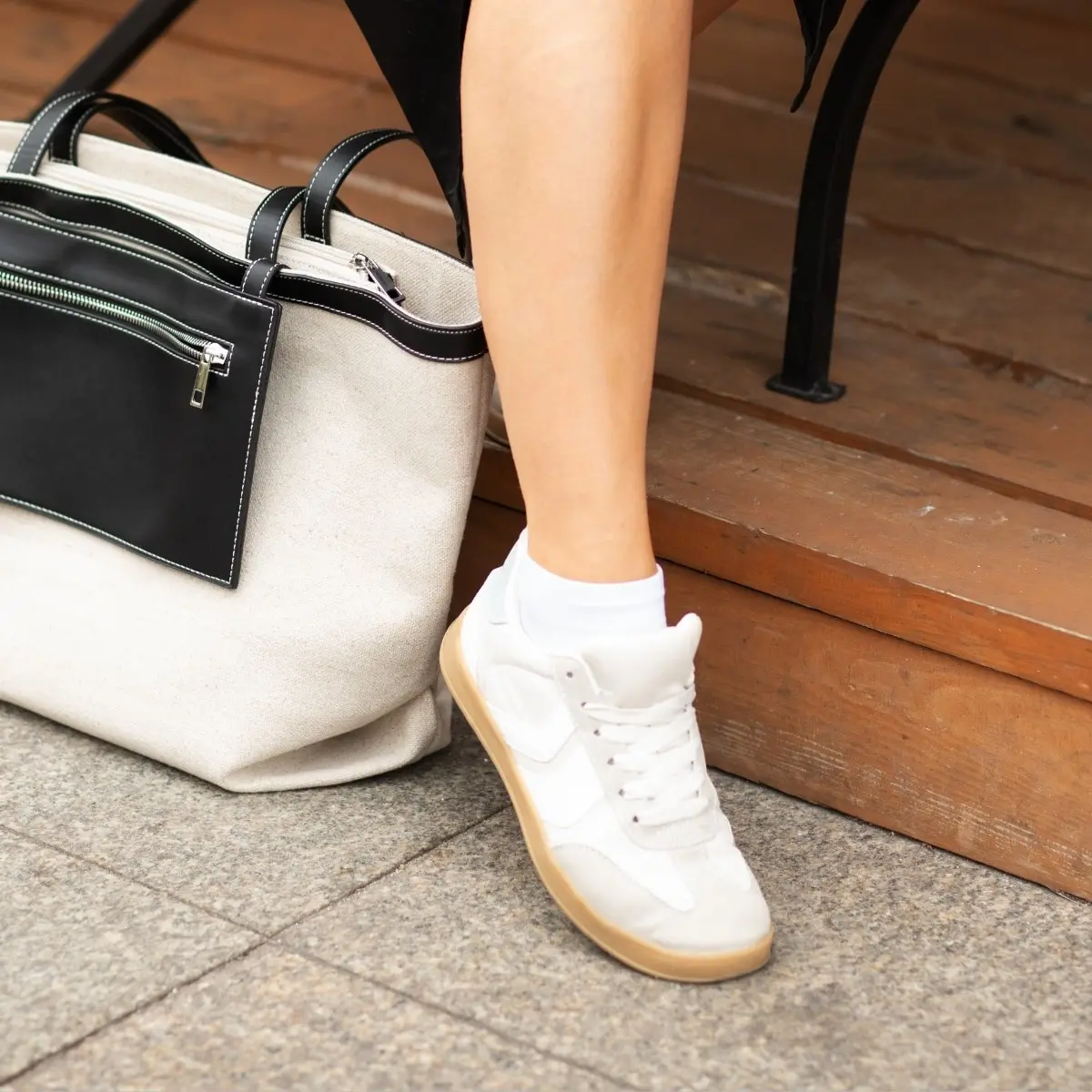
As the crisp air of autumn settles in and wardrobes transition from breezy summer linens to rich textures, layered knits, and tailored outerwear, one enduring fashion constant remains: the white sneaker. Far from being relegated to warmer months or strictly athletic pursuits, the crisp, clean white sneaker has evolved into the absolute backbone of modern transitional dressing. It is the ultimate sartorial equalizer—capable of grounding a voluminous trench coat, dressing down a sharp pantsuit, or lending a touch of effortless cool to a slip dress and chunky cardigan combination.
However, the white sneaker landscape of today is vastly different from the minimalist leather low-top dominance of the mid-2010s. The contemporary market reflects a diverse, highly segmented consumer desire for footwear that marries rigorous orthopedic support with avant-garde aesthetic statements. This season’s standout offerings span a wide spectrum: from retro-inspired 1980s basketball silhouettes and sustainable luxury low-tops to experimental split-toe Tabi designs, ballet-sneaker hybrids, and hyper-cushioned walking shoes engineered for all-day urban commuting.
Behind this footwear renaissance lies a fundamental shift in lifestyle habits. Post-pandemic consumer psychology has permanently prioritized comfort without sacrificing polish. Shoppers no longer view practicality and high fashion as mutually exclusive; instead, they demand contoured footbeds, memory foam sock-liners, breathable mesh uppers, and shock-absorbing midsoles wrapped in premium leathers, rich suedes, and vintage-washed canvases.
To help consumers navigate this crowded market, style editors and footwear analysts have meticulously evaluated the current retail landscape. By synthesizing customer reviews, material quality assessments, ergonomic testing, and emerging runway trends, this comprehensive report explores the best white sneakers for fall. Whether you are searching for an affordable everyday basic, an office-appropriate leather trainer, or a conversation-starting statement piece, the definitive guide to autumn’s most versatile footwear awaits.
Detailed Chronology: The Evolution of the White Sneaker from Athletic Utility to High Fashion
To understand why white sneakers dominate autumn fashion cycles, it is essential to trace how a utilitarian athletic shoe transformed into an indispensable luxury and streetwear staple over the past century.
The Athletic Beginnings (Early-to-Mid 20th Century)
The journey of the white sneaker began on tennis courts, basketball hardwood, and running tracks. In 1917, the Converse Rubber Corporation introduced the Converse All Star, forever changing athletic footwear. Shortly after, brands like K-Swiss developed specialized leather tennis training shoes—such as the iconic ST329—designed to provide lateral stability and durability for athletes. Similarly, Adidas and Puma began developing low-profile leather and canvas trainers for soccer players and runners. During this era, white was chosen for practical and aesthetic reasons on the court, but shoes were strictly confined to sporting arenas and recreational spaces.
The Casual Revolution and Subculture Adoption (1970s–1990s)
The transition from pure athletics to everyday fashion began in the late 20th century. Skateboarding subcultures in Southern California adopted canvas slip-ons and lace-up shoes—most notably Vans—for their grip and durability. Meanwhile, hip-hop artists and urban youth culture embraced basketball silhouettes like the Nike Air Force 1 and classic Adidas trainers, styling them with oversized denim and tracksuits as statements of authenticity and cultural identity. Tennis icons also popularized minimalist leather court shoes, setting the stage for smart-casual integration.
The Minimalist Uniform and Athleisure Boom (2010s)
The modern era of the white sneaker truly crystallized in the early 2010s. Propelled by the rise of tech-company dress codes, the "athleisure" movement, and a broader cultural shift toward minimalism, clean white leather low-tops became the universal uniform of creative professionals and fashion insiders alike. Brands like Common Projects proved that a luxury price tag could be commanded for an unadorned white sneaker, while eco-conscious labels like Veja disrupted the market by emphasizing transparency, organic cotton, and wild Amazonian rubber.
The Contemporary Era: Maximalism, Hybrids, and Ergonomics (Present Day)
Today, the white sneaker market exists in a state of delightful contradiction. While the sleek minimalist low-top remains a permanent closet staple, it now shares the spotlight with a wave of diverse, boundary-pushing designs. Consumers are simultaneously embracing chunky, late-1980s retro runners (such as the New Balance 550), ballet-sneaker hybrids that fuse delicate straps with athletic soles, avant-garde split-toe Japanese-inspired trainers, and heavily cushioned orthopedic walking shoes disguised in stylish colorways. The modern white sneaker is no longer just a shoe; it is a canvas for personal expression, technological innovation, and uncompromising physical comfort.
Supporting Context & Metrics: The Anatomy of Autumn Footwear Preferences
Analyzing consumer search trends, retail data, and ergonomic standards reveals why specific design elements are driving purchasing decisions this season.
The Ergonomic Imperative
According to retail analytics from major footwear marketplaces, search terms incorporating comfort-related keywords—such as "arch support," "memory foam insole," "cushioned midsole," and "all-day wear"—have surged by over 45% year-over-year. Modern consumers are increasingly rejecting stiff, unyielding shoes in favor of advanced footbed engineering. Key technological features dominating the market include:

- Cooling Memory Foam: Found in brands like Skechers (e.g., Belmont Alluring Charm and Arch Fit D’Lites), these insoles conform to the unique contours of the foot while dissipating heat during long days of walking.
- Shock-Absorbing Midsoles: Essential for urban commuters navigating concrete pavements, reducing impact stress on joints.
- Breathable Mesh and Technical Uppers: Materials like those utilized in Allbirds Tree Runners allow for thermal regulation, ensuring feet remain comfortable as temperatures fluctuate between crisp autumn mornings and warm indoor heating.
Materiality and Sustainability
Autumnal wardrobes call for textures that complement heavy fabrics like wool, tweed, and denim. Consequently, retail data indicates a strong preference for mixed-media white sneakers. Smooth full-grain leathers are frequently paired with buttery suede overlays, metallic hardware (such as rose gold accents), and vintage off-white or cream midsoles that impart a broken-in, heritage feel straight out of the box. Furthermore, sustainable credentials remain a powerful purchase driver; consumers actively seek out brands utilizing bio-based synthetics, recycled polyester, and ethically sourced leather.
Curated Market Selection: The Best White Sneakers for Fall
To curate a wardrobe that transitions seamlessly through autumn, footwear experts and editors have highlighted the standout models available on the market today, categorized by their distinct style profiles and comfort engineering.
1. The Everyday Innovators & Comfort Icons
- Skechers Belmont Alluring Charm Sneaker: Featuring low-profile styling elevated by subtle suede accents and sophisticated rose gold hardware, these sneakers feature cooling memory foam insoles that make them a premier choice for daily errands and casual office environments.
- Dr. Scholl’s Shoes Women’s Time Off Sneaker: A viral sensation beloved on social media platforms, these vintage-inspired platform sneakers deliver exceptional cushioning and support, earning rave reviews for being among the most comfortable all-day wear options available.
- Allbirds Tree Runners: The ultimate choice for breathability, utilizing foot-hugging merino wool lining and bouncy cushioning wrapped in a lightweight, sustainable mesh upper.
- Cole Haan Grand Crosscourt Traveler Sneaker: A perennial crowd-favorite that translates athletic comfort into a sleek, dress-code-friendly low-top silhouette engineered for perpetual motion.
2. Heritage Court & Vintage Classics
- Reebok Club C 85 Vintage Shoes: Imbued with a rich tennis heritage, these soft leather shoes come in pristine white and warm off-white shades, offering unmatched versatility and reliable underfoot cushioning.
- Adidas VL Court 3.0 Low Shoes: A stellar alternative to ultra-popular low-profile styles, boasting pebbled leather uppers, contrasting soles, and the brand’s iconic three-stripe detailing.
- K-Swiss ST329 CMF: Originally engineered as a rigorous tennis training shoe, this model delivers superior stability via a robust leather upper, textile collar lining, and memory foam sock-liner, accented with playful pops of hot pink.
- Veja Campo Leather Sneakers: A global favorite among fashion editors, these premium leather low-tops combine sustainable luxury with chic aesthetic touches, including subtle metallic finishes, color-blocked logos, and suede heel tabs.
3. Bold Statements & Avant-Garde Silhouettes
- New Balance 550 Sneakers: Channeling late-1980s basketball nostalgia, this chunky silhouette adds instant architectural weight and street-style credibility to autumn outfits.
- Nike Air Rift Sneakers: A playful, boundary-pushing fusion of traditional Mary Janes and Tabi-inspired split-toe design, secured with velcro straps for a truly fashion-forward edge.
- Converse Chuck Taylor All Star Lift High Top Platform Sneaker: A timeless basketball classic updated with a chunky platform sole that adds height while pairing effortlessly with midi dresses, tailored trousers, and distressed denim.
- Puma Women’s Speedcat Sneaker: A sleek, slender sporty trainer crafted from soft, stark white leather that captures the ongoing obsession with low-profile, racing-inspired footwear.
- Vans Classic Slip-On Core Classics: The quintessential lace-free canvas option that delivers an effortless, laid-back aesthetic ideal for pairing with heavier autumn layers to create visual contrast.
Official Statements & Industry Perspectives
Industry leaders and retail authorities emphasize that the modern footwear consumer views versatility as the ultimate luxury.
Dr. Helena Vance, a senior footwear ergonomist and biomechanics researcher, notes a profound shift in consumer expectations: "Ten years ago, consumers were willing to endure significant physical discomfort for the sake of a sharp silhouette. Today’s shopper expects absolute parity between high-end aesthetics and orthopedic-grade comfort. The brands winning market share are those successfully embedding memory foam, arch support, and shock absorption into sleek, low-profile designs without compromising on visual appeal."
Meanwhile, prominent fashion editors from leading lifestyle publications highlight the strategic role of white sneakers in transitional styling. According to senior fashion director Marcus Thorne: "A white sneaker is no longer a lazy styling choice; it is a deliberate stylistic punctuation mark. Whether worn beneath a sharp, tailored wool suit for the office or paired with a romantic silk slip dress and an oversized trench coat, the right white sneaker acts as a bridge between formality and ease. It grounds an outfit, making high fashion feel approachable, wearable, and entirely modern."
Future Outlook: What’s Next for Autumn Footwear Trends?
As the fashion industry looks toward upcoming seasons, the trajectory of white sneakers points toward deeper technological integration, circular economy manufacturing, and continued stylistic hybridization.
1. Advanced Sustainable Engineering
The push toward closed-loop manufacturing will accelerate. Consumers can expect an influx of white sneakers crafted from entirely biodegradable plant-based leathers (derived from cactus, apple peels, and mycelium), recycled ocean plastics, and bio-pu soles. Brands that can deliver pristine white aesthetics while maintaining strict carbon-neutral supply chains will dominate the next decade of retail.
2. The Rise of Smart-Comfort Hybrids
The boundary between athletic performance gear and luxury leisurewear will continue to dissolve. Future white sneakers will likely incorporate even more advanced responsive cushioning technologies traditionally reserved for marathon running shoes, embedded subtly within understated, boardroom-appropriate leather and suede uppers.
3. Hyper-Customization and Modular Design
As personalization becomes a core pillar of modern retail, industry forecasts suggest a growing market for modular footwear—sneakers featuring interchangeable straps, customizable heel tabs, and modular cushioning inserts that allow wearers to adapt a single pair of shoes to varying weather conditions, dress codes, and comfort needs throughout the day.
Conclusion
Ultimately, the enduring reign of the white sneaker lies in its chameleon-like ability to adapt to changing cultural moments while remaining fundamentally effortless. As autumn settles in and wardrobes demand both warmth and sophistication, investing in a meticulously chosen, high-comfort pair of white sneakers is not merely a fashion choice—it is a masterclass in modern sartorial efficiency.
