

Executive Overview
Music has long been heralded as a universal language, capable of bridging cultural divides, processing grief, and eliciting profound joy without a single translation dictionary. Yet, the most potent moments in music history often bypass formal language altogether. Enter the "non-lexical vocable"—those wordless utterances, syllables, and emotive bursts such as the "ba-dee-ya" of Earth, Wind & Fire, the "na-na-na" of The Beatles, or the ethereal "ah-OOO-uh" of The Breeders.
Far from being mere melodic filler, these vocalizations represent a sophisticated form of somatic expression. They bypass cognitive linguistic processing to target our emotional centers directly. Recent scientific inquiries into human neurology and physiology reveal that group singing—particularly when anchored by simple, repetitive, non-lexical vocables—acts as a natural, entirely free antidepressant. It synchronizes heart rates, triggers neurological pleasure centers, and fosters an immediate, barrier-shattering sense of community among strangers. This report explores the enduring cultural legacy, biological mechanisms, and psychological necessity of the non-lexical vocable in modern human society.
Detailed Chronology: The Evolution of Wordless Anthems in Popular Music
While wordless sounds have existed since the dawn of human vocalization and folk traditions, the modern recording industry codified the non-lexical vocable into pop-culture touchstones across several distinct eras:
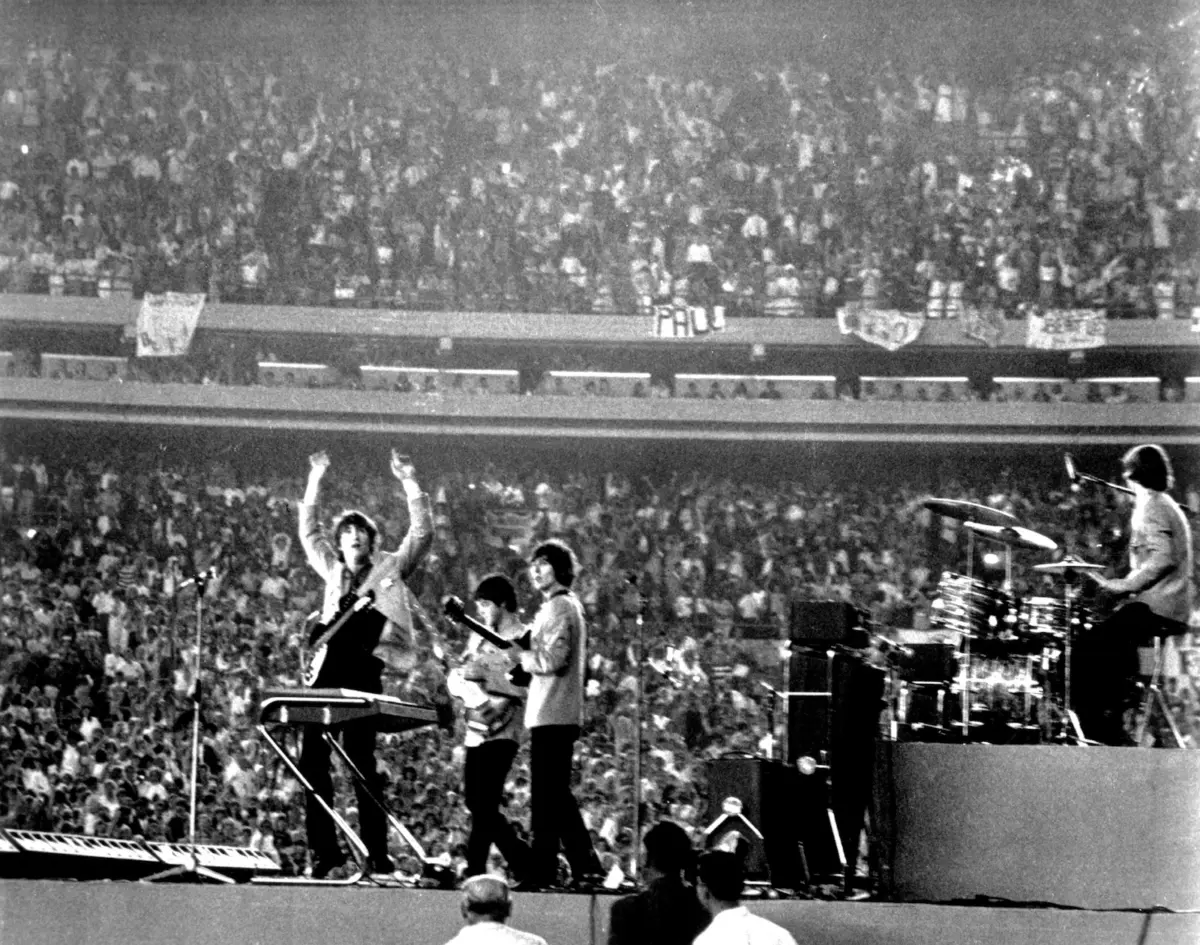
- The Mid-20th Century Singsong (1960s): The Beatles revolutionized stadium-scale participation with the closing refrain of "Hey Jude" (1968). By appending a soaring, cyclical "na-na-na-na-na-na, na-na-na-na, hey jude" outro, the band transformed a personal ballad into a universal communal chant. Shortly after, Steam’s 1969 hit "Na Na Hey Hey Kiss Him Goodbye" repurposed the concept into a taunting, rhythmic sports anthem, demonstrating how the same vocables could shift tone from comfort to aggressive camaraderie.
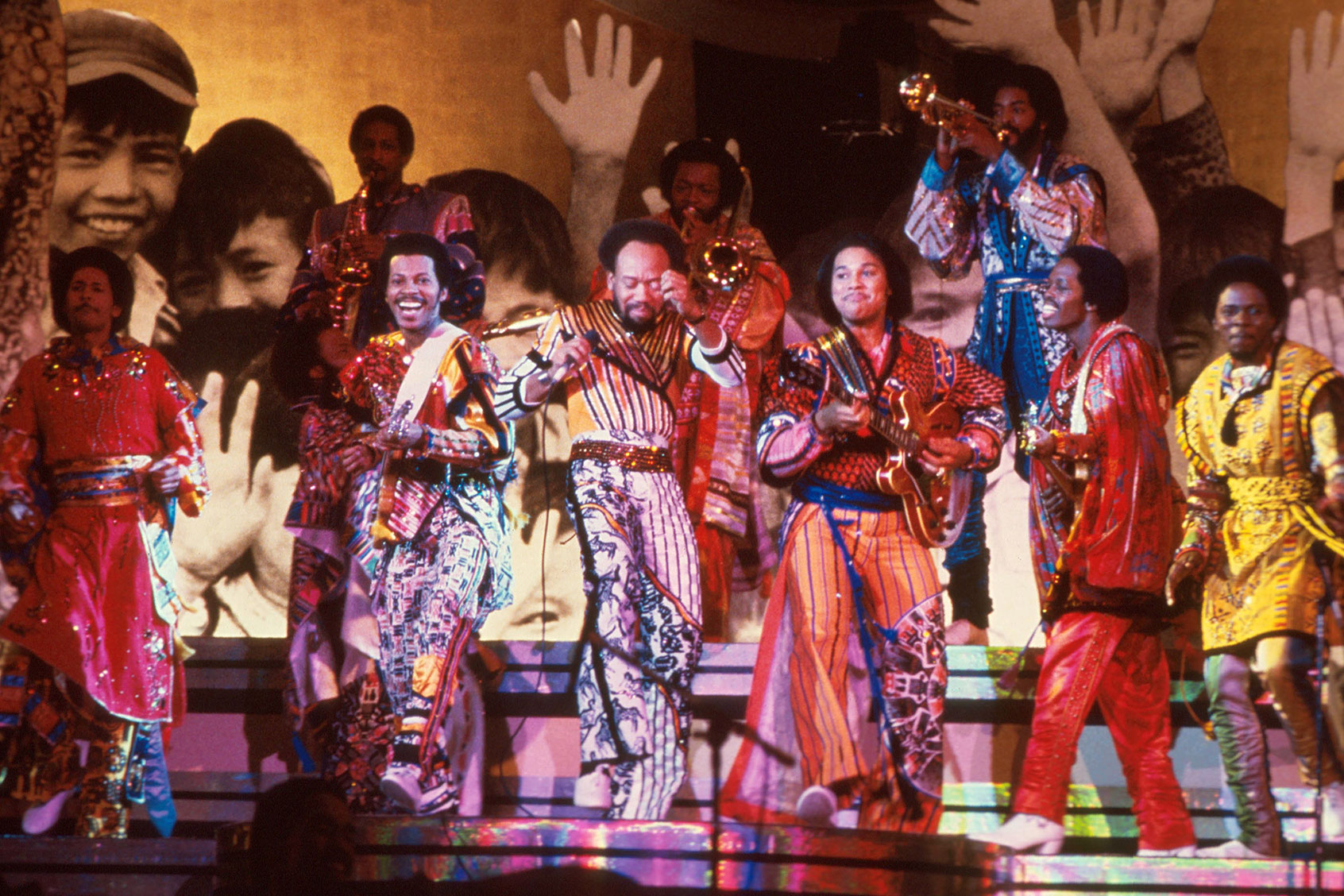
- The Disco and Funk Revolution (1970s): In September 1978, Earth, Wind & Fire recorded "September," featuring one of the most infectious hooks in music history: "Ba-dee-ya, dancing in September." Co-writer Allee Willis famously recalled asking Maurice White what "ba-dee-ya" meant, to which White dismissively replied, "Who the f*** cares?" It sounded right, and nearly half a century later, it continues to dictate collective human jubilation.
- The Alternative Rock Wave (1990s): Indie and alternative mainstays like The Breeders embraced non-lexical vocables to anchor their sprawling, noisy compositions. Tracks like 1993’s "Cannonball" relied on Kim Deal’s iconic track-topping soundcheck ("Ah-OOO-uh, ah-OOO-uh") and the syncopated "ba-ba-ba-ba" of "Fortunately Gone," proving that alternative grit and pop accessibility could merge seamlessly through wordless vocal hooks.
- The Modern Stadium Era (2000s–Present): Today, touring acts across genres deliberately utilize audience call-and-response segments built around vocables. Whether it is a football stadium roaring the "Hey Jude" refrain or a festival crowd harmonizing with modern indie acts, the tradition remains the most reliable mechanism for transforming a passive audience into an active choir.
Supporting Context & Metrics: The Science of Singing Together
Why do strings of nonsense syllables possess such profound psychological weight? The answer lies at the intersection of evolutionary biology, neurology, and cardiology.
The Inner Ear and the Brain’s Pleasure Center
According to insights compiled by Chorus America and researchers at the University of Manchester, group singing activates a tiny organ in the inner ear known as the sacculus. The sacculus is uniquely wired to respond to frequencies of the human voice, creating a direct neural bridge between the music we hear and make, and the brain’s dopaminergic pleasure centers. When we vocalize without the cognitive burden of remembering complex lyrical syntax, the sacculus helps flood the system with endorphins.
Cardiovascular Synchronization
A landmark 2013 study published by Swedish researchers uncovered the physical mechanics behind the "soothing effect" of group singing. The study monitored participants singing in unison and discovered that structured, repetitive melodies cause the hearts of the singers to accelerate and decelerate simultaneously. This cardiovascular entrainment creates a literal, physical heartbeat synchronization among strangers, dissolving social anxiety and isolation.
Cognitive Accessibility
Renowned composer Randall Thompson once famously posited an axiom for artistic accessibility: “If a piece is too difficult for amateurs to sing, the chances are that it is not good enough.” Non-lexical vocables epitomize this philosophy. By stripping away complex language, socioeconomic barriers, and linguistic differences, vocables democratize musical participation. Anyone, regardless of musical training or native tongue, can step into a crowd and immediately contribute to the sonic architecture of the room.
Official Statements and Expert Perspectives
Cultural historians, legendary performers, and scientists alike have long recognized the unique power inherent in these wordless sonic expressions.
- Lionel Richie, reflecting on Earth, Wind & Fire (via Questlove’s documentary): Discussing the stagecraft of Maurice White, Richie noted the sheer electricity of a live performance: "When he turned the microphone to the audience, they knew exactly what to sing." That instant, wordless alignment is what separates a standard concert from a transcendent communal ritual.
- Ralph Johnson, Percussionist for Earth, Wind & Fire: Speaking on the ambiguous nature of their biggest hit’s signature hook, Johnson emphasized that "ba-dee-ya" is designed to be a blank canvas: "It can mean whatever you want it to mean."
- Stevie Wonder on the Universal Appeal of "September": Wonder has frequently observed that tracks built on jubilant, non-lexical foundations resonate across generations and cultures precisely because their joy “transcends language and cultural barriers.” When a crowd sings along, Wonder notes, "You feel good celebrating that spirit."
Future Outlook: Preserving Human Connection in a Digital Age
As society grows increasingly digitized and atomized—with individuals consuming curated, algorithmic media in isolation—the live music experience has taken on a sacramental quality. The collective shouting of "na-na-na" or "ba-dee-ya" in a crowded meadow, stadium, or club is no longer just a fun concert trick; it is an act of reclaiming our shared humanity.
Looking forward, cultural analysts predict that communal music-making will remain one of our most resilient defenses against urban loneliness and cultural fragmentation. As long as artists continue to craft songs that invite us to drop our verbal armor and simply hum, sigh, and shout in unison, the non-lexical vocable will endure as the ultimate, free emotional medicine.
Next time you find yourself at a live show—perhaps on the 21st night of September, or wrapped in the distorted warmth of an alternative rock revival—resist the urge to overthink. Drop your inhibitions, forget the lyrics, and let the wondrous power of the vocable carry you. We can all use a bit more joyous nonsense in a world that takes itself far too seriously.
