

Executive Overview
For over a decade, Moz has stood as an institutional pillar in the search engine optimization (SEO) industry. Celebrated for its all-in-one SEO toolset, Moz has historically provided digital marketers, agencies, and enterprise organizations with a reliable suite of features: keyword research, site crawls, backlink analysis, rank tracking, local listing management, citation clean-up, and inline SERP insights via its signature SEO Toolbar.
However, the digital marketing ecosystem is evolving at a breakneck pace. Modern search algorithms, shifting data privacy regulations, and rising user expectations mean that a "one-size-fits-all" approach to SEO software is no longer universally viable. While Moz remains a quality platform, a growing segment of digital marketers is looking elsewhere.
Why the migration away from Moz? Common pain points include pricing structures that may feel prohibitive for smaller operations, data limits on lower-tier plans that restrict large-scale audits and extensive keyword reporting, and user interface (UI) preferences that favor specialized, standalone platforms over broad suites.

Whether you are seeking a comprehensive, enterprise-grade powerhouse like Semrush, a beginner-friendly suite like Mangools, a cost-effective free entry point like Ubersuggest, or a hyper-focused, single-purpose tool for link building and technical auditing, the market is rich with viable alternatives. This comprehensive guide evaluates the top free and paid Moz alternatives, categorizes their primary use cases, and details how they measure up against Moz.

Detailed Chronology: The Evolution of SEO Toolsets and the Rise of Alternatives
The SEO software industry has undergone a radical transformation since its inception. In the early days of search engine optimization, practitioners relied on fragmented, single-purpose utilities—a desktop crawler here, a manual backlink checker there.

- The Early Era (Late 2000s – Early 2010s): Moz (originally SEOmoz) pioneered the concept of community-driven, consolidated SEO education and tooling. Metrics like Domain Authority (DA) became industry benchmarks, anchoring Moz as an indispensable hub for practitioners.
- The Consolidation Phase (Mid 2010s): As search engines grew more sophisticated, incorporating machine learning, intent-driven queries, and complex local algorithms, software suites expanded. Competitors like Semrush and Ahrefs aggressively scaled their databases, moving from simple rank checkers into massive, multi-tool digital marketing ecosystems.
- The Modern Specialization Era (Present Day): Today’s market is characterized by a dual-track ecosystem. On one hand, all-in-one giants offer hundreds of integrated tools spanning SEO, PPC, content marketing, and social media. On the other hand, specialized software (such as AccuRanker for velocity tracking, Surfer SEO for content optimization, and Screaming Frog for deep technical spiders) has raised the bar for what users can expect from niche applications. This maturity gives marketers unprecedented freedom to build customized, high-performance tech stacks rather than relying on a single platform.
Supporting Context & Metrics: Comparing the Titans
To understand how alternative tools stack up against Moz, it is essential to look at the underlying data infrastructure. Scale, crawl speed, and database size often dictate a tool’s effectiveness in competitive markets.

Comprehensive Feature and Data Comparison
| Tool | Primary Category | Database Scale / Key Metric | Best Suited For |
|---|---|---|---|
| Moz Pro | All-in-One | ~500M Keywords, ~718M Backlink Domains | General SEO, local citation management |
| Semrush | All-in-One | 24B+ Keywords, 1.6B Referring Domains | Enterprise SEO, multi-channel marketing, PPC |
| Mangools | Beginner / All-in-One | Streamlined 5-tool suite, Majestic metrics integration | Beginners, small businesses, budget-conscious teams |
| Ubersuggest | Free / Freemium | 6B+ Keywords, limited free tier queries | Free users, casual bloggers, basic audits |
| Ahrefs | Backlink & Content | Largest live backlink index, second-most active crawler | Link builders, advanced technical SEOs |
| AccuRanker | Rank Tracking | On-demand, real-time rank updates | Agencies, enterprise rank monitoring |
| Screaming Frog | Technical Audit | Desktop-based spider (unlimited site size) | Deep technical site audits |
| Surfer SEO | Content Analysis | NLP-driven SERP analysis & content editor | Content marketers, copywriters, on-page optimization |
Deep Dive: The Top All-in-One, Beginner, and Free Alternatives
1. Best All-in-One Moz Alternative: Semrush
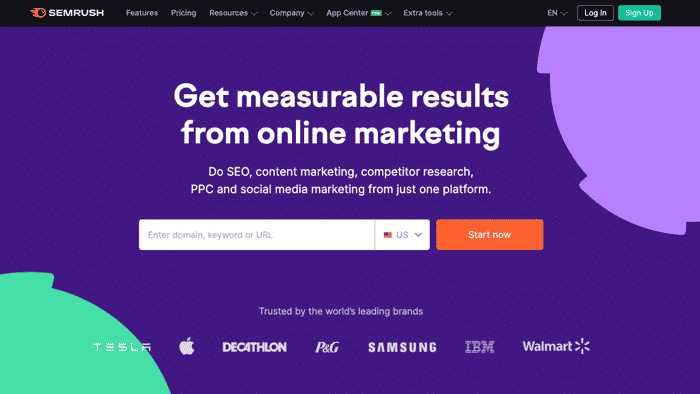
For organizations looking to match or exceed Moz’s capabilities, Semrush stands out as the premier industry alternative. Boasting over 55 advanced tools, Semrush supports competitor analysis, keyword research, rank tracking, technical audits, on-page SEO, backlink analysis, and comprehensive PPC management.

- Massive Data Scale: Semrush tracks over 24 billion keywords, 142 geo-locations, and 808 million domain profiles, supported by a backlink database comprising trillions of links.
- Traffic Analytics: Unlike Moz, Semrush offers deep Traffic Analytics that grant a backstage pass to competitors’ entire digital strategies. Users can analyze organic, paid, referral, and social traffic channels for up to 200 websites in a single batch report—a massive time-saver for agency benchmarking.
- Position Tracking: Providing granular location data down to the zip-code level across desktop and mobile, Semrush ensures highly accurate rank tracking.
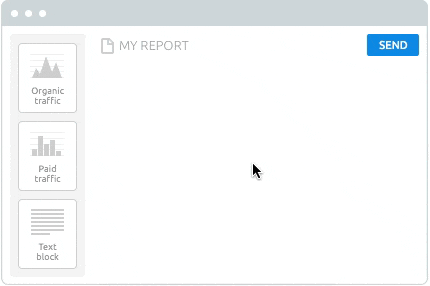
- White-Label Reporting: Custom drag-and-drop report builders integrate native Semrush analytics with external sources like Google Analytics, Search Console, and Google Business Profile.
2. Best Moz Alternative for Beginners: Mangools
If Semrush feels overwhelming or carries too steep a price tag, Mangools offers a streamlined, exceptionally user-friendly 5-in-one toolset that appeals to both novices and seasoned professionals.

- UI and Usability: Mangools boasts arguably the cleanest, most intuitive user interface in the SEO software market, making data extraction painless.
- Core Toolkit: The suite includes KWFinder (keyword research), SERPChecker (SERP analysis), SERPWatcher (rank tracking), LinkMiner (backlink analysis), and SiteProfiler (high-level domain metrics).
- Data Integration: LinkMiner integrates Majestic’s renowned Trust Flow and Citation Flow metrics, giving users instant credibility indicators for link prospects.
3. Best Free Moz Alternative: Ubersuggest
For bootstrapped startups, freelancers, or casual bloggers needing a zero-cost entry point, Ubersuggest (developed by Neil Patel) is a capable freemium option.

- Core Capabilities: Provides access to keyword ideas, traffic overviews, backlink data, and site audit reports.
- Limitations & Value: The free tier imposes caps—such as 100 keyword results per search—yet it remains surprisingly robust for baseline research. Paid tiers range affordably from $29 to $99 per month for users requiring higher query volumes.
Single-Purpose Powerhouses: Specialized Alternatives
Many marketers prefer to bypass heavy all-in-one suites in favor of specialized, best-in-class tools built for isolated tasks.

Backlink Analysis: Ahrefs Site Explorer
Ahrefs operates the second-most active web crawler after Google, possessing the largest index of live backlinks on the web. While it functions as a comprehensive platform, its Site Explorer is the gold standard for backlink prospecting, lost-link tracking, organic traffic estimation, and historical link growth analysis.

Rank Tracking: AccuRanker
For teams requiring instantaneous, on-demand rank checks rather than scheduled daily batch updates, AccuRanker is the world’s fastest standalone rank tracker. It allows professionals to monitor thousands of keywords across major search engines and directly correlate ranking movements with organic traffic and conversions.

Technical Audits: Screaming Frog & Sitebulb
- Screaming Frog SEO Spider: A desktop-installed crawler that extracts data on titles, meta descriptions, headings, broken links, duplicate content, and site speed. It is endlessly configurable and handles sites of virtually any size.
- Sitebulb: An exceptional auditing tool for those who prefer visual data. Sitebulb translates complex technical errors into color-coded graphs, offering contextual hints that explain why an issue matters and how to fix it.
Content Analysis: Surfer SEO
Surfer SEO approaches on-page optimization through a data-driven lens. By analyzing top-ranking competitors using Natural Language Processing (NLP), its Content Editor provides real-time scoring, target keyword frequencies, word counts, and structural guidelines to ensure content is comprehensively optimized before publication.

Local SEO: BrightLocal
While Moz offers commendable local tools, BrightLocal is widely considered a dedicated market leader for local marketing. It automates citation building, cleanup and removal, online review generation, reputation management, and local rank tracking across multi-location businesses and SMBs alike.

Future Outlook: The Next Generation of SEO Tooling
As artificial intelligence, semantic search, and Zero-Click search results continue to reshape the digital landscape, the requirements placed on SEO software are shifting rapidly.

- AI-Driven Content and Intent Modeling: Future SEO tools will increasingly rely on machine learning to decode search intent, predicting shifts in user behavior before rankings drop. Tools like Surfer SEO and Semrush are already integrating AI writing assistants and predictive analytics into their core workflows.
- Cross-Channel Attribution: The artificial boundary between SEO and paid media (PPC) is dissolving. Modern toolsets will lean further into unified marketing dashboards that blend organic search data with social, referral, and paid acquisition metrics.
- Real-Time Data Processing: As search engines update algorithms continuously rather than rolling out massive, discrete core updates, the demand for real-time tracking (exemplified by tools like AccuRanker) will become the baseline industry standard.
Conclusion: Which Moz Alternative Should You Choose?
Moz remains a respected, all-in-one veteran in the SEO space, prized for its classic metrics and localized toolset. However, your choice of alternative should be dictated by your specific operational needs and budget:

- If you need an all-in-one enterprise replacement with unmatched data depth, choose Semrush.
- If you want an affordable, intuitive suite that is easy to master, go with Mangools.
- If you require a zero-cost starting point, try Ubersuggest.
- If your focus is strictly on world-class link building, leverage Ahrefs.
- If you need bulletproof technical crawling, deploy Screaming Frog or Sitebulb.
Evaluate your current bottlenecks, test out free trials where available, and build a stack that empowers your team to scale efficiently in an increasingly competitive search environment.