

Executive Overview
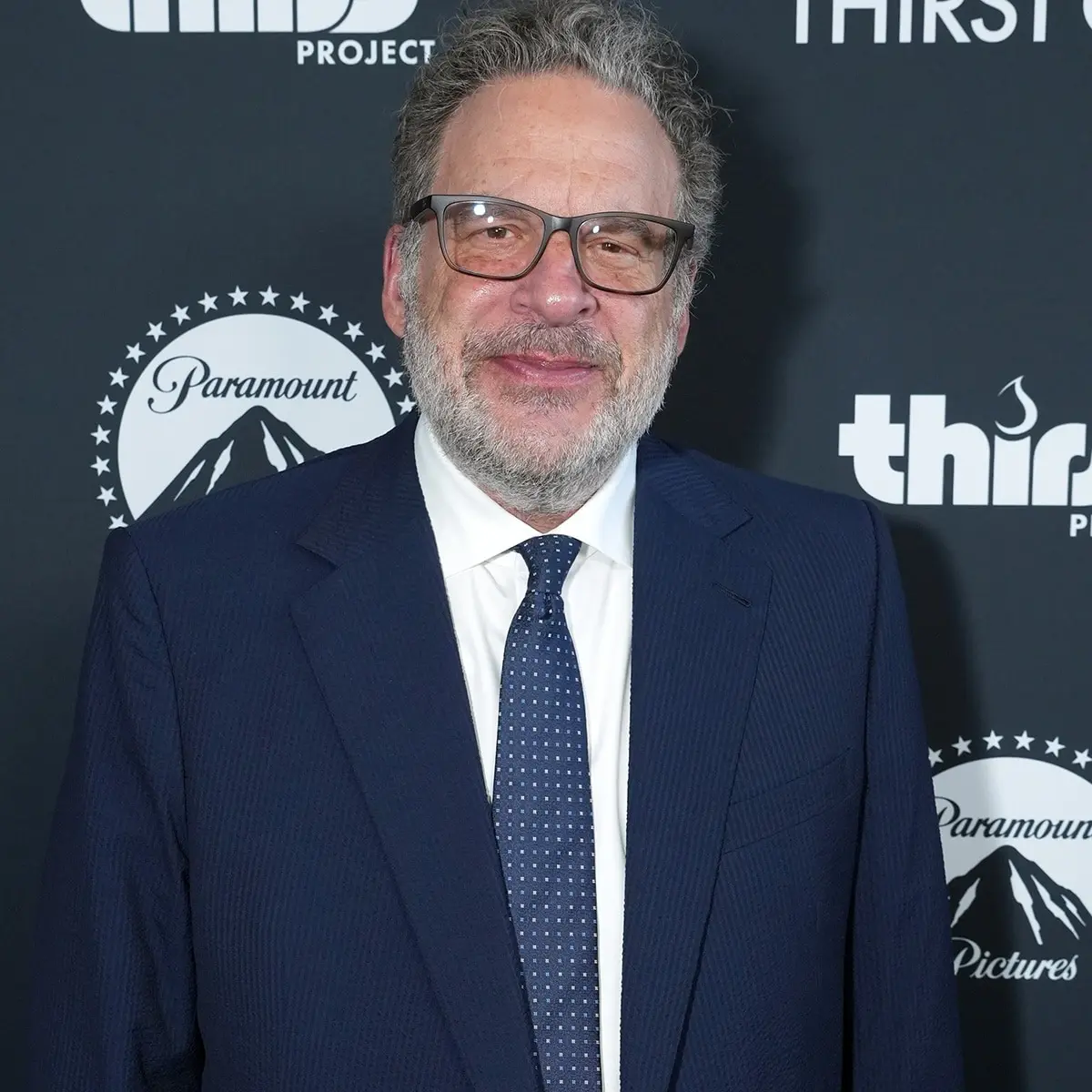
Nearly five years after a flurry of workplace complaints and subsequent human resources investigations forced his abrupt departure from the hit ABC sitcom The Goldbergs, Emmy-nominated actor and comedian Jeff Garlin is offering a remarkably candid look back at his turbulent final seasons. Speaking candidly on an episode of The Daily Beast’s Obsessed podcast, the 64-year-old Curb Your Enthusiasm alum attributed much of his erratic behavior, severe professional friction, and eventual exit to a condition he did not yet understand: undiagnosed bipolar disorder.
Garlin’s reflections shed new light on a messy Hollywood parting of ways that played out in the public eye. During his nine seasons portraying the beloved yet abrasive patriarch Murray Goldberg, Garlin admits he was deeply unhappy with both his personal performance and the production environment. Furthermore, his unmanaged symptoms manifested in ways that severely strained relationships with his castmates—most notably Wendi McLendon-Covey, who played his on-screen wife.
While Garlin has expressed deep remorse for his past actions, noting that he is a fundamentally changed and more enlightened person today through medication and dialectical behavior therapy (DBT), the fallout continues to reverberate. McLendon-Covey’s swift, icy public response to his podcast appearance indicates that wounds from that era remain unhealed, exposing the complex and often messy reality of navigating acute mental health crises within high-pressure entertainment environments.
Detailed Chronology: From Sitcom Strains to HR Investigations and Exit
To understand the weight of Garlin’s recent admissions, it is necessary to trace the timeline of events that culminated in his departure from The Goldbergs in late 2021.
The Climate on Set (2018–2021)
By the later seasons of ABC’s long-running family comedy, tension behind the scenes was mounting. Garlin has since clarified that his internal state during this period was volatile. As he described during his podcast interview, his untreated bipolar disorder locked him into punishing cycles:
"Being bipolar, I was either one of three things: Dark, dark, dark, dark, didn’t talk and look at anyone. Happy to the point of mania—never turning off my thing. Or mean. Really, really mean."
This volatility directly impacted his day-to-day interactions with crew members and fellow actors. McLendon-Covey, whom Garlin praises today as one of the greatest actors he has ever worked with, frequently tried to reassure him, telling him he was doing a great job. At the time, however, Garlin’s internal depression and self-loathing completely blocked him from internalizing her support.
The HR Investigations and Departure (Late 2021)
In November 2021, reports surfaced that Garlin was the subject of human resources investigations over physical and verbal conduct that made personnel uncomfortable—behavior that Garlin himself acknowledged at the time was tied to what he called "silly" behavior and a misunderstanding of what constitutes appropriate workplace boundaries.
By December 2021, it was officially confirmed that Garlin was exiting The Goldbergs ahead of the show’s conclusion, reaching a mutual agreement with Sony Pictures Television to cut short his time on the series. His character, Murray Goldberg, was unceremoniously written off, eventually being confirmed dead in the premiere of the show’s milestone 10th and final season.
At the time, the parting was framed by trade publications as a mix of behavioral concerns and creative fatigue. However, Garlin’s recent disclosures add a vital medical context to the timeline, revealing that an official bipolar diagnosis arrived toward the tail end of his run on the ABC sitcom—too late to salvage his relationship with the production or save his role.
Official Statements and the Post-Podcast Clash
The narrative presented by Garlin during his podcast appearance was met with immediate pushback from his former co-star, revealing a stark chasm in how the two actors remember the tumultuous final years of the production.
Jeff Garlin’s Perspective of Accountability and Regret
During his Obsessed podcast interview, Garlin was careful to emphasize personal accountability while simultaneously framing his actions through the lens of a medical condition he could not control at the time.
"I actually empathize with her because, at the time, I was undiagnosed bipolar," Garlin shared. "I was miserable on the show and I was miserable with my performance… I just got to the point where I had to quit, and she was very resentful."
Despite acknowledging that his exit "was a bit dramatic," Garlin maintained that he harbors no ill will toward McLendon-Covey, even in the face of her ongoing coldness.
"If she wanted to continue the resentment, that’s her. To me, I don’t have resentment towards her even saying things about me," Garlin stated. "I actually love her and I appreciate that she’s one of the greatest actors I’ve ever worked with. That will not be lost on me."
Wendi McLendon-Covey’s Sharp Rebuttal
Garlin’s olive branch was met with skepticism. Following the publication of the interview, The Daily Beast shared snippets of the conversation on its official Instagram account. McLendon-Covey—who famously characterized Garlin’s departure in a 2023 interview as "a long time coming"—did not hesitate to make her feelings known in the comments section.
"Huh," the Bridesmaids star wrote concisely, before following up with a more pointed statement: "Let’s just say I remember things very differently."
Furthermore, McLendon-Covey suggested that other members of The Goldbergs cast and crew would corroborate her recollection of events, signaling that Garlin’s behavior may have had a more widespread impact on the set than a simple medical diagnosis can neatly summarize. Representatives for both actors declined to offer further elaboration when approached for comment by industry outlets.
Supporting Context & Metrics: The Broader Landscape of Celebrity Mental Health
Garlin’s public reckoning with bipolar disorder is far from an isolated incident in the entertainment industry. The unique pressures of child stardom, grueling shooting schedules, public scrutiny, and isolation have historically fostered environments where mental health struggles go unmanaged for years.
To contextualize Garlin’s journey, it is helpful to look at how a growing cohort of public figures are dismantling the traditional stigmas surrounding psychiatric diagnoses, therapy, and neurodiversity.
The Rise of Accountability and Transparency
In recent years, major cultural figures across music, film, and television have stepped forward to detail their own intersections with mental health crises:
- Gucci Mane (Radric Davis): In his October 2025 memoir, Episodes: The Diary of a Recovering Mad Man, the influential rapper revealed his diagnoses of schizophrenia and bipolar disorder following a severe mental health episode in 2020. Motivated by the impending birth of his child, Gucci Mane committed to lifelong therapy and medication management to ensure stability for his family.
- Selena Gomez: The pop superstar and actress has been intensely transparent about her battle with bipolar disorder, noting in interviews with outlets like WSJ Magazine how volatile mood swings derailed her life for weeks at a time prior to receiving proper psychiatric medication.
- Dwayne "The Rock" Johnson: As one of Hollywood’s most bankable action stars, Johnson has frequently used his platform to discuss male depression, emphasizing that mental health issues do not discriminate based on physical strength or professional success.
- Lorde: The Grammy-winning artist opened up about undergoing alternative therapies, including MDMA and psilocybin treatment, to combat severe stage fright and the lingering impacts of an eating disorder, marking a shift toward more holistic and non-traditional therapeutic interventions among elite musicians.
These disclosures point toward a broader industry shift: mental health is increasingly being recognized not as a personal failure or a mere character flaw, but as a legitimate medical condition requiring structured intervention, long-term therapeutic support, and institutional accommodation.
Future Outlook
For Jeff Garlin, the path forward involves a daily commitment to stability, medication management, and dialectical behavior therapy. While he readily admits that he harbors deep regrets regarding how he treated his colleagues during his final years on The Goldbergs, he maintains that the person who walked off the set in late 2021 is fundamentally different from the man sitting in the interview chair today.
"I have regrets," Garlin confessed. "Not a lot of them I could have controlled, but I still have regrets on a lot of my behavior in terms of being a jerk."
As Hollywood continues to grapple with the intersection of workplace safety, human resources protocols, and mental health accommodations, Garlin’s story serves as both a cautionary tale and a narrative of redemption. It underscores the vital importance of early psychiatric diagnosis in high-stress work environments, while simultaneously reminding us that apologies and therapeutic breakthroughs do not automatically erase the historical impact of unmanaged behavioral crises on collaborative peers.
Whether Garlin and McLendon-Covey will ever bridge the gap in their differing memories remains to be seen. However, by shining a light on the uncomfortable realities of performing under the heavy cloud of unmanaged bipolar disorder, Garlin has added an important, albeit messy, chapter to the ongoing cultural conversation surrounding mental wellness in the entertainment industry.