
Executive Overview
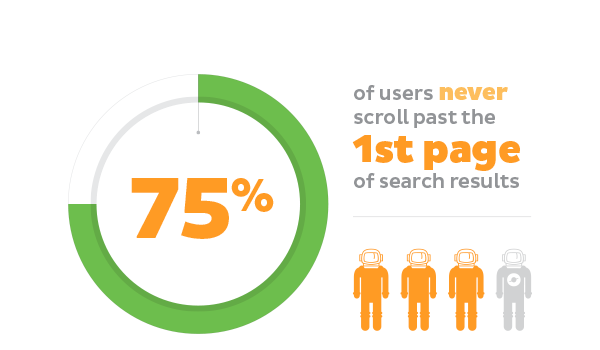
In the modern digital economy, visibility is currency. With over 3.5 billion searches executed daily, Google remains the undisputed gateway to consumer attention, market share, and brand equity. Yet, the brutal reality of search engine behavior leaves little room for digital obscurity: a staggering 75% of users never scroll past the first page of search engine results pages (SERPs). As the legendary Copyblogger founder Brian Clark famously quipped, "The best place to hide a dead body is page 2 of the Google search results."
Achieving and maintaining a position on Google’s front page is no longer just a technical exercise; it is an existential requirement for business survival. However, the battlefield has fundamentally shifted. The modern SERP is no longer a simple list of ten blue links. It is a highly competitive, multifaceted digital real estate market dominated by Paid Per Click (PPC) advertisements, Local Map Packs, Featured Snippets, People Also Ask carousels, and Google Shopping modules.
For many businesses—particularly those operating in high-competition industries or against established enterprise brands—ranking their own root domain on the first page can feel like an impossible uphill battle. This comprehensive guide explores thirteen advanced, data-driven strategies to secure front-page visibility. By mastering tactical content optimization, exploiting structural search behaviors, executing "Barnacle" and "Parasite" SEO, and aligning link-building initiatives with rigorous page-level metrics, organizations can systematically dismantle barriers to entry and capture high-intent traffic with or without relying solely on their own web properties.
Detailed Chronology: The Evolution and Mechanics of Modern SERPs
To understand how to dominate the modern search landscape, one must first trace the evolution of Google’s user interface and algorithmic priorities. Over the past decade, Google has aggressively evolved from a text-based query matcher into an answer engine designed to satisfy user intent directly on the results page.

The Rise of SERP Real Estate Fragmentation
In the early days of search engine optimization (SEO), securing a top-ten ranking guarantee steady organic traffic. Today, the introduction of rich snippets and paid placements pushes traditional organic results further down the screen. A modern search for a commercial or local query triggers a complex ecosystem:

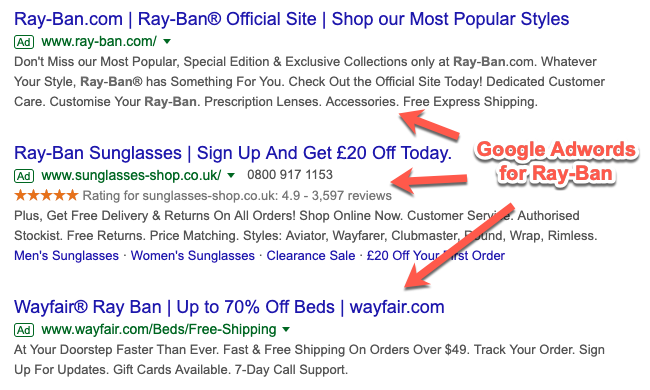
- PPC Advertisements: Paid text ads occupy the absolute highest visibility real estate at the top (and bottom) of the page, siphoning off high-intent commercial clicks.
- Local Map Packs: For geographically tethered queries, Google injects interactive local business listings directly into the upper fold, bypassing traditional organic listings entirely.
- Featured Snippets (Position Zero): By extracting and displaying concise answers directly from web pages, Google satisfies user queries without requiring a click-through to the source website—though winning this spot yields unmatched authority and click-through rate (CTR) gains.
- Related Questions (People Also Ask): Expandable accordions capture additional user intent queries, keeping users engaged within the Google ecosystem longer.
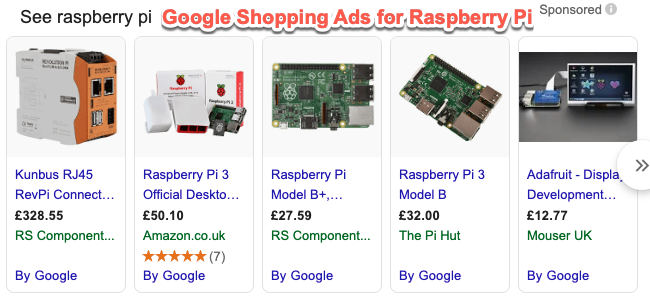
- Google Shopping Modules: Visually rich product carousels dominate e-commerce queries, capturing high-converting shoppers instantly.
According to aggregate data from MozCast’s Feature Graph, these non-organic SERP features consume a vast majority of the above-the-fold viewport across millions of tracked keywords. Consequently, modern SEO strategies must evolve past simplistic keyword rankings. Marketers must conduct exhaustive SERP analysis for every target term to determine whether their own web page is even the optimal vehicle to capture attention, or if alternative publishing models are required.

Supporting Context & Metrics: Decoding the Ranking Signals
Before deploying specific optimization tactics, digital strategists must master the foundational metrics that dictate algorithmic favor. Search engines evaluate hundreds of ranking signals, but empirical data from leading SEO authorities—such as Ahrefs and Semrush—consistently points to a hierarchy of dominance.
Page-Level Backlink Authority vs. Domain Authority
While overall domain-level authority establishes a baseline of trust, contemporary studies reveal that page-level backlink metrics exhibit the strongest direct correlation with first-page rankings. Specifically, the number of unique referring domains pointing directly to a specific URL remains a primary catalyst for breaking into the top ten.

Furthermore, qualitative link distribution matters immensely. SEO frameworks dictate that securing one natural editorial backlink from ten distinct, relevant websites holds vastly more algorithmic weight than acquiring ten links from a single domain.
Search Intent Alignment
Content quality is rendered obsolete if it fails to match the underlying search intent. Modern algorithms categorize queries into distinct intents:

- Informational: Users seeking knowledge, tutorials, or definitions (e.g., “how to grow a tomato”).
- Commercial/Investigational: Users comparing products or reading reviews prior to a purchase (e.g., “best keyword tracker”).
- Transactional: Users ready to execute a purchase or engage a service (e.g., “buy Sony 4K TV”).
Failing to match the dominant content type (e.g., deploying a product category page when the SERP exclusively rewards long-form, multi-author listicles) results in structural misalignment that technical optimization alone cannot fix.

Official Strategies: 13 Ways to Secure Front-Page Visibility
========================================================================
THE 13-STEP FIRST-PAGE BLUEPRINT
========================================================================
[1] Leverage Existing Low-Hanging Fruit Keywords
[2] Identify and Eliminate Keyword Cannibalization
[3] Steal Position Zero via Featured Snippets
[4] Dominate the Local Map Pack
[5] Target Low-Competition, High-Intent Long-Tail Keywords
[6] Deploy Barnacle SEO on High-Authority Platforms
[7] Execute Parasite SEO for Ultra-Competitive Markets
[8] Accurately Match Content Type to SERP Realities
[9] Qualify Targets Using Page-Level Link Signals
[10] Build Page-Level Authority Through Smart Link Acquisition
[11] Expand Organic Footprint via Semantic Secondary Keywords
[12] Embrace a Mobile-First Indexing Mindset
[13] Supplement Organic Campaigns with Targeted PPC & Paid Listings
========================================================================
1: Start with Your Existing Keyword Opportunities (Quick Wins)
Many digital marketers waste endless hours creating brand-new content while ignoring the goldmine sitting dormant within their existing site architecture. By identifying URLs currently languishing on the bottom of page one or page two (positions 6 through 20) for high-value terms, you can execute a rapid content relaunch strategy to drive immediate traffic gains.

The Process:

- Input your root domain into Semrush and navigate to the Organic Research > Positions report.
- Apply a custom position filter for Positions 6–20.
- Layer on secondary filters, such as a minimum search volume threshold (e.g., 100+ searches/month), a maximum Keyword Difficulty (KD) ceiling (e.g., under 49%), and a word count of 3+ to isolate high-intent queries.
- Export the data into a CSV and prioritize optimizing your bottom-of-funnel "money" keywords first, working your way up to informational queries.
- Update the content with fresher data, enhanced multimedia, improved readability, and expanded topical depth, then re-index via Google Search Console for near-instant algorithmic re-evaluation.
2: Find (and Eliminate) Keyword Cannibalization
Keyword cannibalization occurs when multiple pages on the same domain compete for the exact same search query. This internal civil war dilutes backlink equity, confuses search crawlers regarding which page to prioritize, and frequently results in lower overall rankings—or the suppression of both pages entirely.

The Solution:

- Export your complete organic position report from Semrush.
- Run the dataset through a cannibalization-detection spreadsheet template that groups matching keywords by multiple competing URLs.
- Remediation: If the competing pages serve identical intent, merge them into a single, comprehensive canonical resource and implement a 301 redirect from the deprecated URL. If a competing page provides zero unique value, prune it entirely.
3: Steal Position Zero with Featured Snippets
Ranking #1 is phenomenal, but capturing Position Zero (the Featured Snippet) allows you to bypass traditional organic placement altogether. Studies by Ahrefs indicate that the URL occupying Position Zero steals approximately 8.6% of clicks away from the #1 organic result.
Execution Tactics:
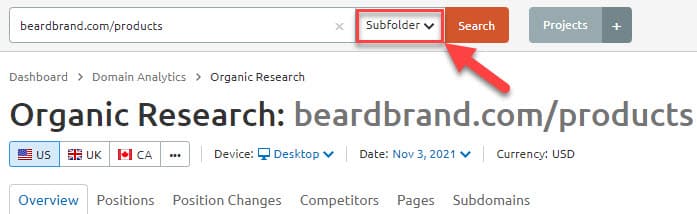
- Existing Opportunities: Filter your Semrush organic reports to display keywords where your domain ranks on the first page, but a competitor holds the featured snippet.
- Content Formatting: Audit the winning snippet’s structure (paragraph, bulleted list, or table) and restructure your corresponding section to deliver a cleaner, more concise, direct answer directly beneath a matching H2 or H3 heading.
4: Get Ranked in the Google Map Pack
For location-sensitive businesses, capturing a slot in the Google Map Pack is non-negotiable. Google filters these results based on physical or inferred user location, making local visibility vital even without explicit "near me" modifiers.

Core Ranking Drivers (per official Google guidelines):

- Relevance: How closely your Google Business Profile (GBP) matches a searcher’s query. Ensure complete category optimization and rich keyword descriptions.
- Distance: Physical proximity to the user or search location focus.
- Prominence: Offline visibility amplified by online signals, review velocity, citation consistency, and domain authority.
5: Target Low-Competition, High-Intent Long-Tail Keywords
Long-tail keywords—search queries consisting of three or more words—typically exhibit lower monthly search volume individually, but possess exponentially higher conversion intent. Because broad head terms are fiercely guarded by enterprise giants, long-tail targeting offers an efficient path to early first-page rankings. Use Semrush’s Keyword Magic Tool or competitor organic gap analyses to extract niche question-based queries (e.g., “how to fix yellow leaves on tomato plants”) and build dedicated sub-topics around them.

6: Use Barnacle SEO to "Attach" Your Website to Existing Giants
When competing against monopolistic directories like TripAdvisor, Yelp, Avvo, or Zillow is unfeasible, stop competing and start piggybacking. Barnacle SEO involves attaching your brand visibility to high-authority third-party platforms that already dominate page-one real estate.

- Identify forum threads (e.g., Reddit, Quora) or industry-specific directories ranking in your niche.
- Establish authoritative profiles, participate constructively in high-traffic discussions, and provide hyper-relevant, value-adding resources that link back to your core web properties.
7: Use Parasite SEO for Ultra-Competitive Keywords
Similar to Barnacle SEO, Parasite SEO involves publishing native, high-value content directly on high-authority media sites or publishing platforms (e.g., LinkedIn Articles, Medium, Business News Daily, or industry authority blogs) to rank for hyper-competitive "money" keywords. By leveraging the parent domain’s immense trust and domain rating, you can rank within days for keywords that would take your own nascent domain years to capture organically.

8: Match Your Content Type to the SERP Realities
A primary reason SEO campaigns fail is a fundamental mismatch between the target keyword and the published content format. If searchers typing “interactive infographic” are universally presented with long-form list articles by Google’s algorithm, attempting to rank a product landing page is futile. Always review the top ten SERP results prior to writing content to confirm whether the preferred format is a listicle, a how-to guide, a product category page, or a video asset.

9: Accurately Qualify Targets with Page-Level Link Signals
Do not target keywords blindly. Use Semrush’s SERP Analysis report to evaluate the competing URLs currently occupying the top ten spots. Examine their Page Authority Score and the exact number of unique Referring Domains pointing to those specific pages. If your target URL cannot reasonably match or surpass those link profiles—and you cannot identify a glaring gap in content quality or topical depth that you can exploit—pivot your efforts to lower-difficulty terms.

10: Build Page-Level Authority to Outrank Big Brands
To unseat established market leaders, you must systematically build page-level authority through aggressive, ethical link acquisition.

- Competitor Backlink Replication: Filter your competitors’ backlink profiles for high-quality, text-based follow links, and conduct targeted outreach to those same referring domains.
- Backlink Gap Analysis: Uncover referring domains linking to multiple competitors while ignoring your site, representing high-probability prospecting targets.
- Internal Page-Rank Distribution: Boost newly published pages instantly by weaving contextual, highly relevant internal links from your site’s most powerful, backlink-heavy legacy pages.
11: Expand Your Organic Footprint with a Single Asset
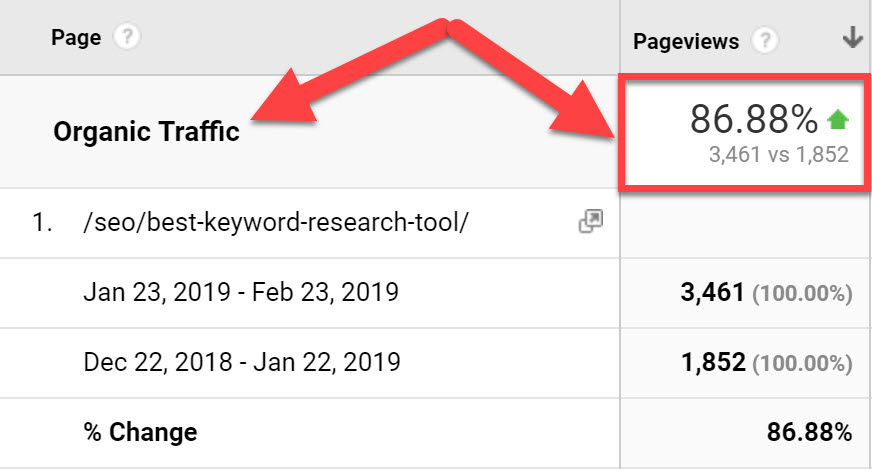
Comprehensive content assets can rank for thousands of secondary semantic keywords simultaneously. For instance, a single in-depth guide on fitness or industrial equipment can derive 85%+ of its total organic traffic not from the primary head term, but from an expansive long-tail footprint. Use semantic keyword clustering tools to map out related modifiers, synonyms, and sub-topics, ensuring your content addresses the entire semantic ecosystem of a subject.

12: Embrace a Mobile-First Mindset
Google’s mobile-first indexing means the crawler evaluates and ranks the mobile version of your website, not your desktop build. A sluggish, poorly formatted mobile experience will drag down rankings across all devices.

- Run pages through Google’s Mobile-Friendly Test and monitor the Mobile Usability report in Search Console.
- Optimize site speed aggressively using Google PageSpeed Insights and GTmetrix to eliminate render-blocking scripts, compress images, and streamline mobile UX.
13: Pay to Play (PPC, Local Ads, and Paid Review Directories)
Organic SEO is a long-term play. If immediate cash flow and SERP visibility are mandatory, deploy a paid acquisition strategy to bridge the gap:

- Google Ads & Local Service Ads: Capture immediate above-the-fold visibility for high-intent transactional queries.
- Paid Review Sites: Secure featured listings on high-ranking directories (e.g., G2 for SaaS, Avvo for legal, Capterra) that already capture millions of monthly organic visitors looking for trusted recommendations in your vertical.
Future Outlook: The Next Frontier of Search Dominance
As search engines incorporate artificial intelligence, generative summaries (such as Google’s Search Generative Experience), and conversational query processing, the definition of "ranking" will continue to evolve. Traditional blue links will increasingly share space with synthesized AI answers that pull data from structured, authoritative sources.

However, the core fundamentals outlined in this playbook remain timeless:

- Uncompromising User Intent Alignment: Satisfying what the user actually wants, faster and more thoroughly than anyone else.
- Technical Excellence: Ensuring rapid mobile loading speeds, clean architecture, and rapid indexation.
- Strategic Visibility Expansion: Leveraging both direct domain optimization and third-party authority ecosystems (Barnacle and Parasite SEO) to capture attention wherever the modern consumer looks.
By methodically executing these thirteen strategies, digital marketers and business owners can transform SEO from a guessing game into a predictable, scalable revenue engine capable of dominating Google’s first page in any industry.