

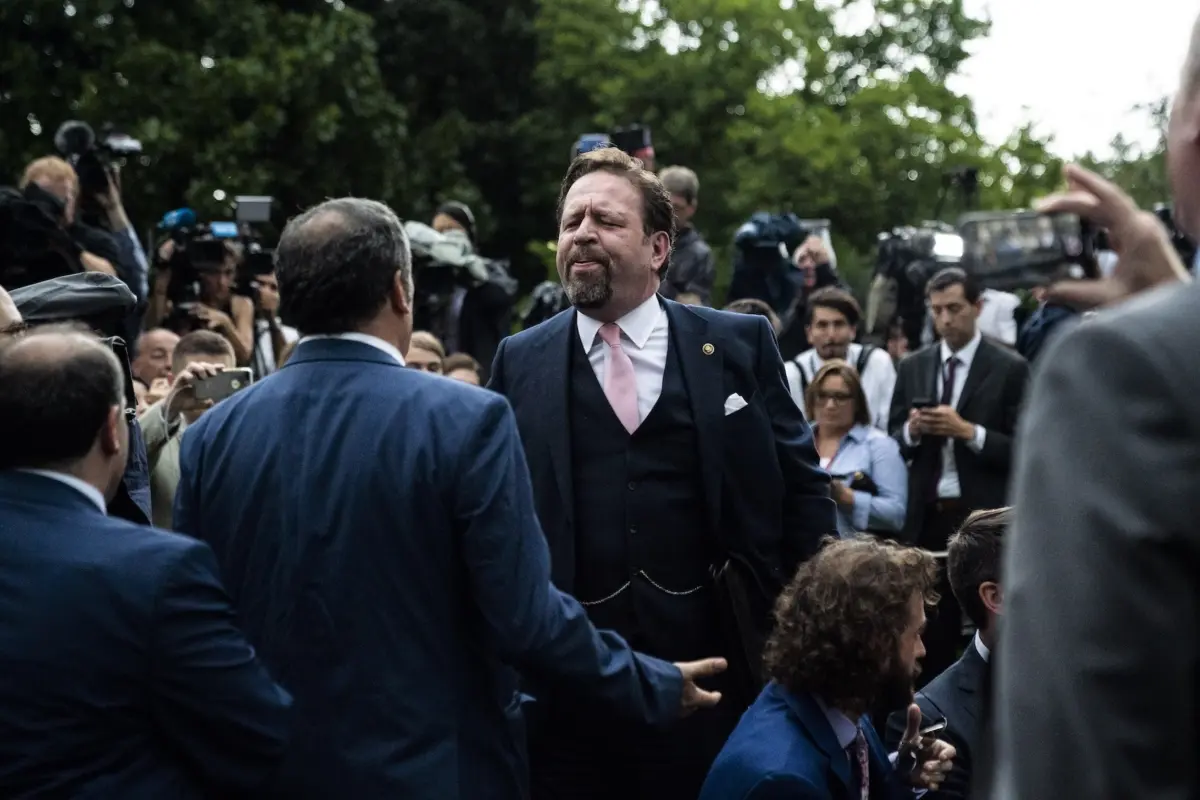
The fragile architecture of the American press corps faced an unprecedented stress test as the White House engaged in a high-stakes standoff over First Amendment rights and institutional press access. In the pre-dawn hours, federal District Court Judge Timothy Kelly granted a temporary restraining order forcing the administration to restore press credentials to CNN, Politico, and MS NOW. These credentials had been abruptly revoked the previous week by President Donald Trump following coverage he deemed unfavorable.
However, the legal victory immediately collided with executive defiance. Secret Service and White House officials initially blocked the reinstated journalists from entering the complex, even as foreign state-controlled media outlets were welcomed inside. For a brief, volatile window, the administration appeared willing to court a severe constitutional crisis by ignoring a direct federal court order. By noon, the administration backed down, conceding to the rule of law.
This latest clash highlights a recurring theme of the Trump administration: the weaponization of bureaucratic access as a punitive tool against independent journalism. Yet, it also marks a watershed moment of collective pushback. For years, the burden of fighting administrative censorship fell primarily on individual journalists like Jim Acosta and Brian Karem, both of whom endured high-profile credential revocations during Trump’s first term. By targeting major media institutions en masse this time, the administration inadvertently galvanized a unified front across the press corps—proving that collective defense remains the ultimate bulwark against executive overreach.
Detailed Chronology
The escalation began unceremoniously when President Trump summarily stripped CNN, Politico, and MS NOW of their White House press passes, citing personal grievances and generalized dissatisfaction with their reporting. Rather than accepting the exclusion, the targeted news organizations mobilized quickly, retaining First Amendment attorney Ted Boutrous to challenge the move in federal court.
The Courtroom Showdown
On Wednesday, Judge Timothy Kelly presided over a critical half-hour hearing regarding the plaintiffs’ request for a temporary restraining order. Throughout the proceedings, references to historic legal battles—specifically Karem v. Trump—echoed through the courtroom. Legal counsel for the administration trotted out sweeping, novel claims, arguing that routine reports—some dating back several months—had somehow compromised national security.
Legal observers noted the absurdity of the defense’s argument, particularly given that the primary reporter holding White House credentials had recently renewed them after the publication of the disputed articles. Judge Kelly quickly saw through the administration’s justifications. Citing established legal precedents regarding due process violations, Kelly promised a swift ruling and issued a 14-day restraining order within hours of the hearing’s conclusion.
Pre-Dawn Chaos and Executive Defiance
Despite the federal court order, Thursday morning brought chaotic scenes to the gates of the White House. As the workday began, federal security officials refused entry to the reinstated journalists. In a stark display of favoritism, administration officials permitted Chinese state media representatives to enter the complex, openly praising them as more agreeable than the independent Washington press corps.
For several hours, the administration stood in blatant defiance of the judiciary. Legal experts warned that ignoring a judicial mandate crossed the threshold from administrative friction into an acute constitutional crisis. However, facing mounting legal pressure and the threat of contempt proceedings, the administration reversed course by midday, finally granting the reporters physical entry to the Brady Press Briefing Room.
Supporting Context & Metrics
To fully understand the gravity of the recent standoff, one must examine the legal framework established during prior administration conflicts. The concept of White House press pass revocation as a constitutional violation was largely codified during earlier legal challenges involving individual journalists.
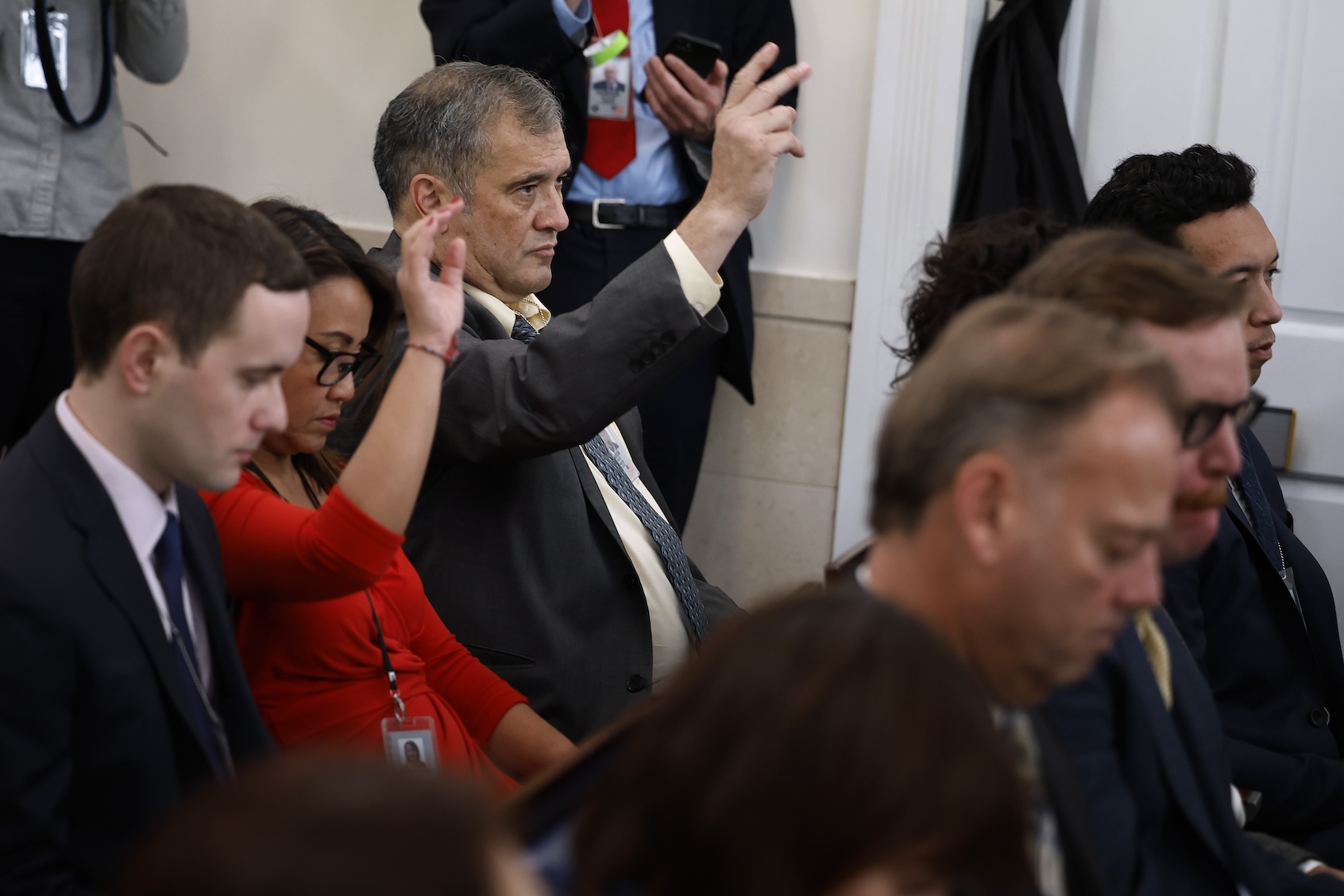
- The Legal Track Record: Attorney Ted Boutrous boasts a formidable record when litigating press access cases against the Trump administration, establishing critical legal safeguards around the Fifth Amendment’s due process clause.
- Precedent of Karem v. Trump: In 2019, journalist Brian Karem had his credentials suspended following a Rose Garden altercation involving administration officials. U.S. District Judge Rudolph Contreras—and later the D.C. Circuit Court of Appeals—ruled that stripping a reporter of their credentials without notice, a hearing, or defined standards violates due process. This ruling established a binding precedent for the D.C. Circuit.
- Speed of Judicial Intervention: While Karem’s legal battle required nearly three weeks of exclusion before a resolution was reached, Judge Kelly’s decisive intervention in the current case compressed the timeline to mere hours, signaling a zero-tolerance approach by the judiciary toward arbitrary administrative lockouts.
- The Shift in Strategy: During Trump’s initial term, credential revocations were surgical, targeting specific adversarial reporters (such as Acosta and Karem). By shifting the strategy to target entire institutional news organizations simultaneously, the administration inadvertently unified a historically competitive and fragmented press corps.
Official Statements
The legal battle drew sharp commentary from both the bench and the legal advocates defending the freedom of the press. The arguments centered on the constitutional boundaries of executive discretion versus the protected rights of journalists to gather news without administrative interference.
Attorney Ted Boutrous forcefully articulated the core legal violation during court proceedings:
"No official can deprive Plaintiffs of those interests on a whim — with no notice, no process, and no warning — as the President did here."
Boutrous maintained that White House access, once granted as a standard operational facility for the press, constitutes a protected liberty interest under the Due Process Clause of the Fifth Amendment. Consequently, arbitrary confiscation without administrative procedures or transparent criteria is entirely unconstitutional.
The administration’s defense, presented by Justice Department attorneys, attempted to frame the credential revocations as a matter of national security and operational discretion. However, these arguments crumbled under judicial scrutiny when attorneys failed to produce credible evidence linking routine, published journalism to genuine security risks.
Meanwhile, external reactions from veteran White House correspondents highlighted a long-overdue awakening within the press corps. Reflecting on the solidarity displayed by media pools refusing to normalize executive bullying, veteran reporters emphasized that solidarity is the only effective defense against systemic suppression.
Future Outlook
The resolution of this immediate legal crisis—marked by the implementation of Judge Kelly’s temporary restraining order—provides a vital reprieve for the independent media, but it does not signal a permanent end to executive hostility toward the press.
As the political landscape heads toward high-stakes midterm elections, analysts anticipate that tensions between the executive branch and independent news organizations will intensify. The administration’s willingness to briefly defy a federal court order serves as a chilling indicator of how far executive officials may push constitutional boundaries to control the information ecosystem.
Long-term implications of this legal battle will likely reverberate across future administrations. By cementing the principle that White House press credentials cannot be revoked arbitrarily without rigorous due process, the judiciary has fortified a critical line of defense for the First Amendment. However, legal safeguards alone are insufficient. The events of this past week underscore that the preservation of a free press ultimately relies on the unwavering solidarity of journalists themselves—refusing to be divided, silenced, or sidelined by political posturing.