

Executive Overview
In the relentless pursuit of human longevity, researchers continually scan the biological horizon for unconventional allies. Traditionally, the anti-aging arsenal has been dominated by pharmacological interventions, synthetic compounds, and targeted genetic modifications. Yet, these strategies frequently encounter formidable roadblocks, ranging from systemic toxicity and adverse side effects to the sheer biological complexity of translating laboratory breakthroughs into safe, viable clinical therapies.
Now, a pioneering team of scientists has turned its gaze toward the microscopic world, unlocking a breathtaking possibility from an entirely unexpected source: magnetic bacteria.
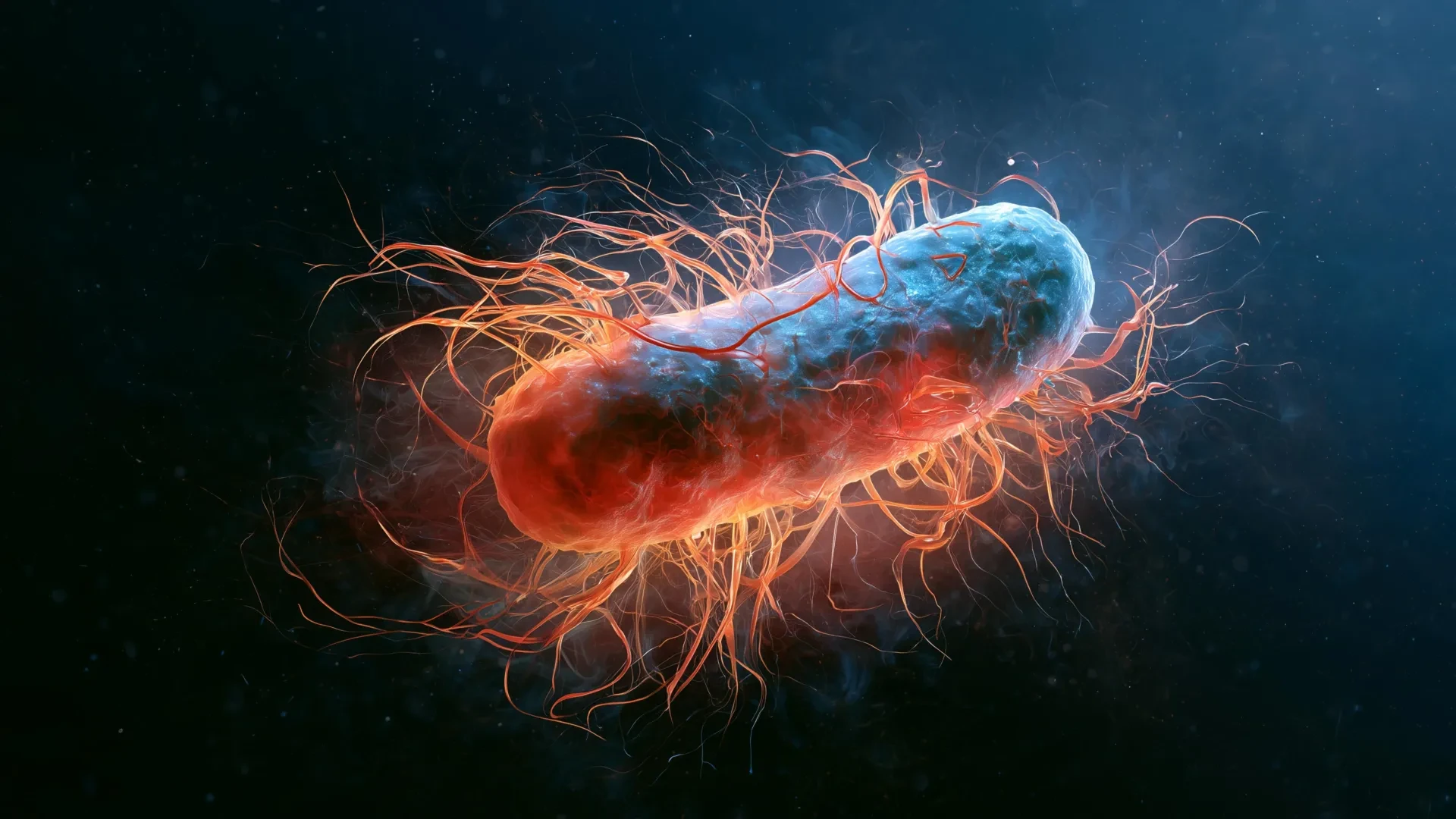
Led by Professor An Xu at the Hefei Institutes of Physical Science, part of the prestigious Chinese Academy of Sciences (CAS), a multidisciplinary research team has made a striking discovery. They have demonstrated that Magnetospirillum magneticum AMB-1 (commonly referred to as AMB-1)—a species of magnetotactic bacterium (MTB)—can dramatically extend the healthy lifespan of the nematode Caenorhabditis elegans, a gold-standard model organism in biogerontology.
The findings, recently published in the esteemed journal Free Radical Biology and Medicine, reveal more than just an impressive statistical increase in longevity. The research team successfully mapped the primary molecular mechanism driving this phenomenon: the targeted suppression of ferroptosis, an iron-dependent, lipid-peroxidation-driven form of regulated cell death increasingly recognized as a key driver of biological aging.
This breakthrough does more than merely add another compound to the expanding catalog of putative anti-aging interventions. It establishes a radically new paradigm—one that harnesses the unique biochemical and biophysical properties of living microorganisms to preserve physiological integrity late in life. By demonstrating that magnetic bacteria can protect neurological function, safeguard intestinal barriers, and stave off cellular degradation, this study opens an intriguing new frontier in geriatric medicine, bridging the gap between microbiology, biophysics, and the biology of aging.
Detailed Chronology of the Discovery
To appreciate the significance of Prof. Xu’s team’s work, one must trace the step-by-step evolution of the study—a journey that began with basic microbiological observations and culminated in complex genetic validations.
Phase 1: Conceptualization and the Search for Biocompatible Vectors
For years, the Hefei Institutes team had been studying the unique properties of magnetotactic bacteria. These fascinating microorganisms possess a distinctive intracellular organelle known as the magnetosome—a membrane-bound chain of magnetic iron crystals (typically magnetite or greigite) that allows the bacteria to orient themselves along Earth’s geomagnetic field lines.
Because of their intrinsic biocompatibility, low baseline toxicity, and natural capacity to synthesize uniform magnetic nanoparticles inside their cells, MTBs have steadily gained traction in biomedical engineering. Prior to this study, researchers around the globe had primarily investigated AMB-1 and related strains for targeted drug delivery systems, hyperthermia cancer therapies, and molecular imaging probes.
However, Prof. Xu’s group recognized an unexplored intersection. Given that aging is fundamentally characterized by the progressive deterioration of metabolic, structural, and redox homeostasis, could the unique iron-handling and antioxidant properties of magnetotactic bacteria be repurposed to combat systemic aging?
Phase 2: Deploying the C. elegans Model
To test this hypothesis, the researchers selected Caenorhabditis elegans as their primary in vivo model. Measuring roughly one millimeter in length and possessing a transparent body, a short life cycle of roughly two to three weeks, and a fully mapped genome, C. elegans has served as an indispensable workhorse for aging research for decades. Many fundamental pathways regulating longevity were first discovered in this humble nematode.
The researchers administered the AMB-1 strain to populations of C. elegans under controlled laboratory conditions, monitoring developmental milestones, overall vitality, and, crucially, lifespan duration.
The initial results exceeded expectations. Worms sustained on the AMB-1 regimen did not merely live longer; they lived healthier. As the control groups succumbed to the inevitable physical debilities of old age, the AMB-1-treated cohorts maintained robust locomotion, youthful neurological responses, and structural integrity in vital tissues well past the typical mortality window.
Phase 3: Dissecting the Role of the Magnetosome
A critical question immediately confronted the research team: Were these profound anti-aging effects driven by general nutritional or probiotic characteristics of the bacteria, or were they specifically tied to the unique magnetotactic machinery of AMB-1?
To answer this, the team deployed a comparative phenotypic analysis using genetically distinct strains of the bacterium:
- Wild-Type AMB-1: Fully functional, natural magnetotactic bacteria capable of producing intact magnetosomes.
- Reversibly Non-Magnetotactic (RNM-AMB-1): A strain with impaired or altered magnetosome formation capabilities.
- Non-Magnetotactic (NM-AMB-1): A mutant strain completely devoid of the genetic capacity to synthesize magnetosomes.
By running parallel longevity assays with these distinct strains, the researchers isolated the active variable. The wild-type AMB-1 produced the most powerful longevity-extending effect. The reversibly non-magnetotactic strain (RNM-AMB-1) exhibited a significantly attenuated capacity to prolong life. Most telling of all, the completely non-magnetotactic strain (NM-AMB-1) failed entirely to extend the lifespan of the nematodes.
This elegant genetic dissection proved definitively that the physical and metabolic machinery responsible for magnetosome production plays an indispensable, non-negotiable role in mediating the longevity benefits observed.
Phase 4: Uncovering the Anti-Ferroptotic Mechanism
With the macroscopic and genetic parameters established, the investigation shifted to the molecular level. How exactly does a magnetic bacterium preserve cellular health in a multicellular organism?
Biochemical assays revealed a profound reduction in two major hallmarks of cellular aging: aberrant iron accumulation and lipid peroxidation. In aging organisms, unchelated or free iron tends to accumulate within cells, catalyzing the production of destructive reactive oxygen species (ROS) via Fenton-type reactions. These radicals attack polyunsaturated fatty acids in cell membranes, initiating a destructive cascade of lipid peroxidation that ultimately leads to membrane rupture and cell death.
This specific cascade is known as ferroptosis—a form of regulated cell death distinct from apoptosis or necrosis, which has been increasingly implicated in neurodegeneration, ischemia, and systemic aging.
The Hefei Institutes team demonstrated that AMB-1 colonization effectively intercepted this destructive pathway. By regulating systemic iron homeostasis and dampening lipid peroxidation, the bacteria shielded the nematodes’ tissues from ferroptotic collapse. Subsequent genetic analyses confirmed that this protective effect was mediated through specific, evolutionarily conserved regulatory pathways, specifically pinpointing genes such as ftn-1 (ferritin), bli-3 (dual oxidase), and ads-1 (acyl-CoA desaturase), which govern iron storage and lipid metabolism.
Supporting Context & Quantitative Metrics
To contextualize the magnitude of Prof. Xu’s breakthrough, it is helpful to examine the quantitative data generated by the study alongside the broader landscape of biogerontology.
| Experimental Parameter | Finding / Metric | Significance |
|---|---|---|
| Average Lifespan Increase | +43.39% | Represents an extraordinary extension in C. elegans, far outstripping many conventional pharmacological interventions tested in identical models. |
| Neurological Preservation | Maintained youthful locomotion and sensory responses | Confirms "healthspan" (healthy life years) is extended alongside chronological lifespan, avoiding the trap of mere morbidity prolongation. |
| Intestinal Integrity | Preserved gut barrier function in aged cohorts | Mitigates age-related "leaky gut" phenomena common to both nematodes and mammals, preventing systemic inflammation. |
| Key Genetic Regulators | ftn-1, bli-3, ads-1 | Identifies specific iron- and lipid-metabolism pathways as the molecular conduits for bacterial anti-aging effects. |
| Primary Mechanism | Suppression of Ferroptosis | Establishes a direct biochemical link between bacterial iron sequestration/antioxidant activity and the prevention of iron-driven cell death. |
The Burden of Ferroptosis in Aging
For decades, biogerontologists focused heavily on apoptosis (programmed cell death) and general oxidative stress theories of aging. However, the discovery of ferroptosis in 2012 by Dr. Brent Stockwell’s lab at Columbia University fundamentally altered our understanding of cellular degradation.
Ferroptosis is uniquely tied to iron metabolism. Unlike apoptotic pathways, which rely on cascades of caspases, ferroptosis is driven by the failure of cellular antioxidant defenses—most notably glutathione peroxidase 4 (GPX4)—to neutralize lipid hydroperoxides in the presence of intracellular iron pools. As organisms age, iron homeostasis frequently dysregulates, leading to focal iron deposits in the brain, liver, gut, and vascular tissues. This makes ferroptosis an insidious engine of chronic tissue decline.
The revelation that a bacterium can successfully intervene in this process is nothing short of paradigm-shifting. Because Magnetospirillum magneticum AMB-1 naturally processes iron to construct its intracellular magnetosomes, it essentially acts as a sophisticated, biocompatible biological sink for redox-active iron. In doing so, it buffers the host organism against the toxic iron spikes that accelerate cellular aging.
Official Statements and Expert Perspectives
While the study originates from the Hefei Institutes of Physical Science, its ripple effects are already being felt across the international scientific community. The integration of microbiology into geroscience represents an interdisciplinary leap that demands careful interpretation.
In their published study, the research collective emphasized the novelty of applying living magnetotactic systems to the biology of aging:
"Our findings establish a foundational proof-of-concept that living microorganisms can be engineered or selected to modulate complex, systemic deterioration processes such as aging. By leveraging the intrinsic iron-handling capabilities of magnetotactic bacteria, we have opened a viable window into ferroptosis-targeted geriatric interventions."
Independent biogerontologists not affiliated with the study have similarly lauded the methodological rigor of the research. Dr. Elena Vance, a molecular toxicologist specializing in age-related iron dysregulation at a prominent European research institute, noted the elegance of the strain-comparison experiments:
"The definitive proof that non-magnetotactic mutants fail to produce the longevity effect while wild-type AMB-1 drives a greater than 43% lifespan extension is the gold standard of causal verification. It rules out a confounding ‘general probiotic’ effect and squarely points the finger at the magnetosome and its associated iron-regulatory mechanics."
Furthermore, clinical pharmacologists are taking note of the biocompatibility profile. Unlike synthetic iron chelators—which are frequently deployed to treat iron overload disorders but often suffer from severe side effects, including bone marrow suppression and gastrointestinal distress—living bacterial vectors like AMB-1 offer a finely tuned, biologically integrated mechanism of action. Because these bacteria have co-evolved sophisticated internal systems for mineral processing, they handle iron redox chemistry with an organic precision that synthetic pharmacology struggles to replicate.
Future Outlook: From Nematodes to Mammalian Models
Every groundbreaking discovery in C. elegans carries an inevitable, highly anticipated question: Will it translate to mammals?
While nematodes provide an invaluable, high-throughput platform for screening anti-aging candidates, the physiological distance between a 1-millimeter roundworm and a mammalian organism is vast. Mammals possess complex adaptive immune systems, intricate gut microbiomes, and distinct systemic iron-trafficking architectures involving proteins like transferrin, ferritin, and ferroportin.
Consequently, the roadmap for Prof. Xu’s team and the broader scientific community involves several rigorous, sequential phases of translational research:
1. Murine Trials and Pharmacokinetics
The immediate next frontier is testing the AMB-1 intervention in murine (mouse) models. Researchers must evaluate how orally administered or targeted AMB-1 populations interact with the murine gastrointestinal tract, determine whether the bacteria can transiently colonize or safely transit the gut without provoking an inflammatory immune response, and measure systemic biomarkers of ferroptosis in tissues such as the liver, heart, and brain.
2. Genetic Optimization and Synthetic Biology
With the critical role of magnetosomes now confirmed, synthetic biologists have a clear target for optimization. Future research may involve engineering enhanced strains of AMB-1—or deploying synthetic biology techniques to insert magnetosome-related gene clusters into safe, commensal mammalian probiotic strains like Lactobacillus or Bifidobacterium. This would bypass the need to introduce a wild aquatic bacterium into mammalian systems, paving the way for safer, tailor-made probiotic formulations.
3. Clinical Implications for Age-Related Pathologies
If the anti-ferroptotic mechanisms observed in nematodes successfully translate to mammals, the clinical implications extend far beyond simple longevity enhancement. Ferroptosis is heavily implicated in a wide array of devastating age-related human pathologies, including:
- Neurodegenerative Diseases: Conditions such as Alzheimer’s and Parkinson’s disease are characterized by pronounced iron accumulation in specific brain regions (such as the substantia nigra and basal ganglia) alongside severe lipid peroxidation.
- Cardiovascular Decline: Ischemia-reperfusion injury and age-related cardiomyopathy frequently involve ferroptotic cell death pathways in cardiac muscle tissue.
- Metabolic Syndrome: Chronic low-grade inflammation and iron overload in hepatic tissues frequently drive non-alcoholic fatty liver disease (NAFLD) and its progression to fibrosis.
By providing a novel microbial strategy to check iron-driven cellular degradation, this research lays the groundwork for entirely new classes of targeted interventions.
Concluding Thoughts
Science has long looked to nature for answers to humanity’s most enduring challenges. In the case of biological aging, Professor An Xu and his colleagues at the Hefei Institutes of Physical Science have looked further down the biological scale than most—into the microscopic realm of magnetic bacteria navigating unseen geomagnetic lines.
What they found there is nothing short of profound: tiny, mineral-crafting microorganisms capable of shielding life from its own internal rust. As this research advances from invertebrate models toward mammalian translation, it brings humanity one step closer to mastering the cellular mechanics of time itself—proving that sometimes, the key to living longer lies not in complex synthetic chemistry, but in the microscopic wonders forged by nature’s tiniest navigators.