

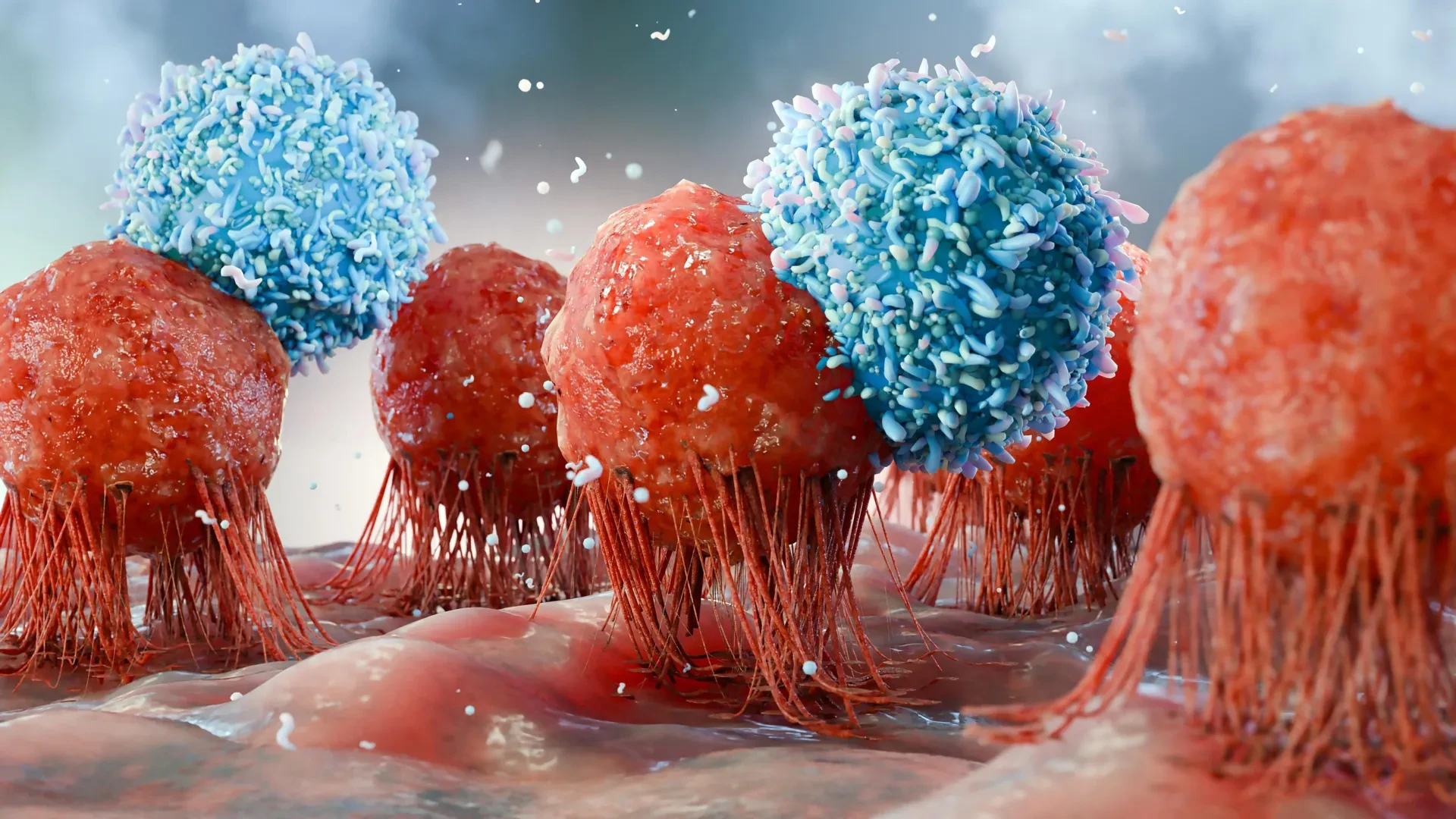
In a discovery that could fundamentally reshape the landscape of modern oncology and regenerative medicine, researchers at the University of Southern California (USC) have unlocked a scalable method to produce a renewable, highly adaptable supply of cancer-fighting immune cells. Published in the prestigious journal Cell, this breakthrough addresses some of the most persistent bottlenecks in cellular immunotherapy: the prohibitive costs and logistical complexities of manufacturing sufficient quantities of therapeutic cells, the difficulty of engineering them to target elusive solid tumors, and their rapid degradation or mislocalization once introduced into the human body.
For decades, the standard paradigm of cell-based cancer therapies—most notably Chimeric Antigen Receptor (CAR) T-cell treatments—has relied on harvesting, modifying, and reinfusing mature immune cells. While transformative for certain hematological malignancies, such as leukemias and lymphomas, these conventional therapies have faltered when confronted with the dense, immunosuppressive microenvironments of solid tumors. Furthermore, mature cells are notoriously difficult to multiply ex vivo, prone to rapid clearance by the patient’s reticuloendothelial system, and challenging to standardly stockpile as "off-the-shelf" treatments.
The USC Stem Cell-led team, spearheading a multi-institutional collaboration that includes Stanford University, Creighton University, and Harvard Medical School, circumvented these biological roadblocks by shifting focus away from mature immune cells entirely. Instead, they targeted an immature, lineage-committed population known as granulocyte-monocyte progenitors (GMPs). By establishing a precisely formulated chemical cocktail, the researchers successfully coaxed these progenitor cells into sustained self-renewal—a characteristic long thought to be the exclusive domain of primitive hematopoietic stem cells.
When genetically engineered with CAR technology and secondary immune-activating signals, these expanded GMPs successfully homed in on both blood cancers and aggressive solid tumors in preclinical mouse models, establishing permanent residence in the bone marrow to continuously generate fresh waves of tumor-destroying macrophages. Beyond oncology, the platform demonstrated immediate translational potential by restoring immune function in murine models of chronic granulomatous disease. This comprehensive investigation underscores a profound new biological principle: the future of immunotherapy may depend as heavily on selecting the optimal cellular developmental stage as it does on refining molecular receptor design.
Detailed Chronology: Unraveling the Progenitor Self-Renewal Paradox
The journey toward this breakthrough required challenging foundational dogmas within hematopoiesis—the biological process through which all blood and immune cells are formed.
Challenging Dogma: Redefining Progenitor Capabilities
Historically, the hierarchy of blood development was viewed as a strict, unidirectional stairway. At the apex sat hematopoietic stem cells (HSCs), unique in their lifelong capacity for self-renewal—the ability to divide symmetrically and asymmetrically to maintain their own population while generating downstream progeny. Descending from HSCs were various progenitor cells, such as common myeloid progenitors and, subsequently, granulocyte-monocyte progenitors (GMPs). These downstream precursors were understood to be transient, committed intermediaries destined for rapid maturation and exhaustion, lacking any meaningful capacity for long-term self-renewal.
Dr. Qi-Long Ying, professor of stem cell biology and regenerative medicine at the Keck School of Medicine of USC and corresponding author of the study, recognized that this conventional framework posed a major manufacturing barrier. Relying solely on HSCs or mature immune cells meant fighting against nature’s intrinsic timelines. Dr. Ying’s laboratory hypothesized that under tightly controlled chemical conditions, intermediate progenitors like GMPs might be tricked into unlocking latent self-renewal pathways.
The Formulation of a Scalable Culture Platform
To test this hypothesis, lead author Dr. Shi Yue and colleagues set out to design an artificial microenvironment capable of supporting GMP survival without inducing terminal differentiation. Through rigorous screening of growth factors, small molecules, and biochemical signaling modulators, the team engineered a precisely defined chemical mixture.
When applied to isolated GMPs, this proprietary medium achieved two critical outcomes:
- Proliferation Without Differentiation: The chemical inhibitors effectively halted the genetic programs that drive GMPs to mature into conventional macrophages, neutrophils, or dendritic cells.
- Sustained Self-Renewal: The cells continued to divide exponentially, maintaining their core molecular identity, karyotypic stability, and epigenetic signatures over extended periods of laboratory expansion.
Crucially, this expansive growth phase did not compromise the cells’ developmental potential. Whenever the researchers withdrew the inhibitory chemical signals, the expanded GMPs rapidly and efficiently resumed their developmental trajectories, differentiating into fully functional, highly active macrophages and related immune defenders.
Validation Across Institutions
To ensure that these unexpected findings were not an artifact of a single laboratory’s protocols, the USC team partnered with the laboratory of Dr. Ravi Majeti at Stanford University. Independent replication by the Stanford group confirmed that murine and human GMPs could indeed be reliably expanded over long periods and successfully subjected to genetic manipulation. This cross-institutional validation cemented the technical reproducibility of the GMP platform, transforming it from a localized observation into a robust, standardized biotechnological system.
Supporting Context & Metrics: Overcoming the Limitations of Macrophage Therapy
To fully appreciate the significance of the USC breakthrough, one must examine the physiological hurdles that have historically limited macrophage-based immunotherapies.
The Versatility and Obstacles of Macrophages
Macrophages derive their nomenclature from the Greek roots meaning "big eaters." As central architects of the innate immune system, they patrol tissues, engulfing pathogens, cellular debris, and malignant cells. Furthermore, they secrete cytokines and chemokines that modulate the broader adaptive immune response, recruiting T-cells and natural killer cells to sites of infection or neoplasia.
In theory, macrophages should make ideal anti-cancer agents, particularly against solid tumors. Unlike T-cells, which often struggle to infiltrate the dense extracellular matrices of solid carcinomas, macrophages naturally migrate into hypoxic, nutrient-poor tissue niches.
However, translating this natural biology into clinical therapeutics has met severe practical barriers:
- The Expansion Wall: Once macrophages reach terminal maturity, their mitotic engines shut down. They cannot be expanded in vast bioreactors to yield therapeutic doses.
- Storage Fragility: Mature macrophages tolerate cryopreservation poorly. Freezing and thawing processes induce high rates of cell lysis and functional impairment, complicating supply chains.
- Biodistribution Failures: When infused into systemic circulation, mature macrophages predominantly sequester within the filtering organs—primarily the liver and lungs—failing to achieve sustained systemic distribution or deep tumor penetration.
- Transient Persistence: Even when mature macrophages successfully reach a tumor site, their functional lifespan within the body is relatively brief, necessitating repeated, costly administrations.
The Progenitor Solution: Bone Marrow Engraftment
By utilizing GMPs rather than mature macrophages, the USC approach elegantly sidesteps these logistical dead ends. Because GMPs are proliferative progenitors rather than end-stage effector cells, they can be produced in virtually limitless quantities within standard laboratory incubators and banked efficiently.
More importantly, when these engineered progenitors are infused into a living recipient, they home directly to their natural biological niche: the bone marrow. Once established in this microenvironment, the GMPs act as an internal cellular factory. Rather than delivering a finite dose of short-lived effector cells, the infusion establishes a renewable, self-sustaining source that continuously generates new waves of tumor-infiltrating macrophages over an extended timeframe. This biological persistence fundamentally alters the pharmacokinetic profile of the therapy, overcoming the rapid clearance rates that have historically plagued adoptive cell transfers.
Official Statements & Expert Perspectives
The implications of the study have resonated deeply across the fields of stem cell biology and translational oncology. Investigators involved in the research have emphasized both the immediate therapeutic promise and the broader theoretical ramifications of reprogramming cellular developmental stages.
"The study establishes a scalable and engineerable GMP platform for cellular immunotherapy and introduces concepts that we believe could have broad implications for both cancer immunotherapy and stem cell biology."
— Dr. Qi-Long Ying, Corresponding Author, Professor of Stem Cell Biology and Regenerative Medicine, Keck School of Medicine of USC.
Dr. Ying further elaborated on the philosophical shift required in synthetic biology: "The prevailing view has been that long-term self-renewal in the blood system is primarily a property of the hematopoietic stem cells that can generate any type of blood or immune cell. We found that, under the right conditions, GMPs can also self-renew, dividing extensively while keeping their identity and ability to produce functional immune cells. That gives us a scalable starting point for engineering cell therapies for cancer, infectious disease and potentially many other conditions."
Collaborator Dr. Ravi Majeti, Director of the Institute for Stem Cell Biology and Regenerative Medicine at Stanford University, highlighted the translational velocity of the platform: "This method for the expansion and engineering of GMPs opens the door to numerous translational applications, much like T cell expansion and engineering. We have already demonstrated engineering of these cells to drive multiple potent functions, and there is a lot more to be explored."
Looking toward the future of immunotherapy design, Dr. Ying summarized the overarching takeaway of the research: "Our study suggests that the future of immunotherapy may depend not only on designing better CAR receptors, but also on choosing the right developmental stage of the cell."
Future Outlook: Oncology, Immune Deficiencies, and Beyond
While the preclinical data generated in murine models of leukemia, lymphoma, and solid tumors is profoundly encouraging, the pathway from bench to bedside requires a methodical progression through clinical trials.
Engineering Multifunctional Defenses
In their preclinical evaluations, the USC researchers did not stop at standard CAR integration. They advanced the platform by engineering GMPs to co-express chimeric antigen receptors alongside secondary immunostimulatory molecules. This dual-engineering strategy was designed to bridge the innate and adaptive immune systems.
When these advanced progenitors give rise to macrophages within the tumor microenvironment, the secondary signals actively recruit and stimulate endogenous T-cells. This creates a multi-pronged assault, overcoming the local immunosuppressive shielding that typically neutralizes host immune responses inside solid tumors. Furthermore, this localized activation mechanism demonstrated efficacy even when the donor cells were allogeneic (mismatched to the recipient)—opening a viable pathway toward universal, "off-the-shelf" cell therapies manufactured in bulk from healthy screened donors.
Expanding Horizons: Chronic Granulomatous Disease
The versatility of the GMP platform extends far beyond oncology. To test whether the approach could correct genetic immunodeficiencies, the research team applied the technology to a mouse model of chronic granulomatous disease (CGD). CGD is an inherited disorder caused by mutations that disable the enzyme complex responsible for generating reactive oxygen species in phagocytic cells. Consequently, patients with CGD are plagued by recurrent, life-threatening bacterial and fungal infections because their immune cells cannot destroy engulfed microbes.
When engineered GMPs were administered to the CGD mouse model, the cells successfully engrafted and restored the animals’ oxidative burst capacity, effectively re-establishing their ability to clear bacterial pathogens. This proof-of-concept experiment indicates that the platform could eventually be adapted to correct a wide array of inherited blood and immune disorders, potentially utilizing gene-corrected autologous or allogeneic progenitors to permanently reconstitute healthy immune function.
The Road Ahead
As the scientific community digests the findings published in Cell, academic and industrial stakeholders are already exploring commercial translation. Key milestones on the horizon include:
- Large-Animal Toxicology and Safety Studies: Evaluating the long-term persistence, biodistribution, and genomic stability of expanded GMPs in non-human primates.
- Manufacturing Standardization: Scaling the chemical expansion protocol to meet current Good Manufacturing Practice (cGMP) standards required for human clinical trials.
- Phase I Clinical Trial Design: Identifying initial oncology indications—likely treatment-refractory solid tumors—where conventional CAR-T therapies have underperformed.
By demonstrating that intermediate progenitor cells can be captured, expanded, and engineered without sacrificing their developmental plasticity, the USC team has provided the biomedical community with a powerful new toolkit. As this platform matures, it promises to redefine what is possible in the engineering of living drugs, offering new hope for patients battling treatment-resistant cancers and complex immunological disorders alike.