

Executive Overview
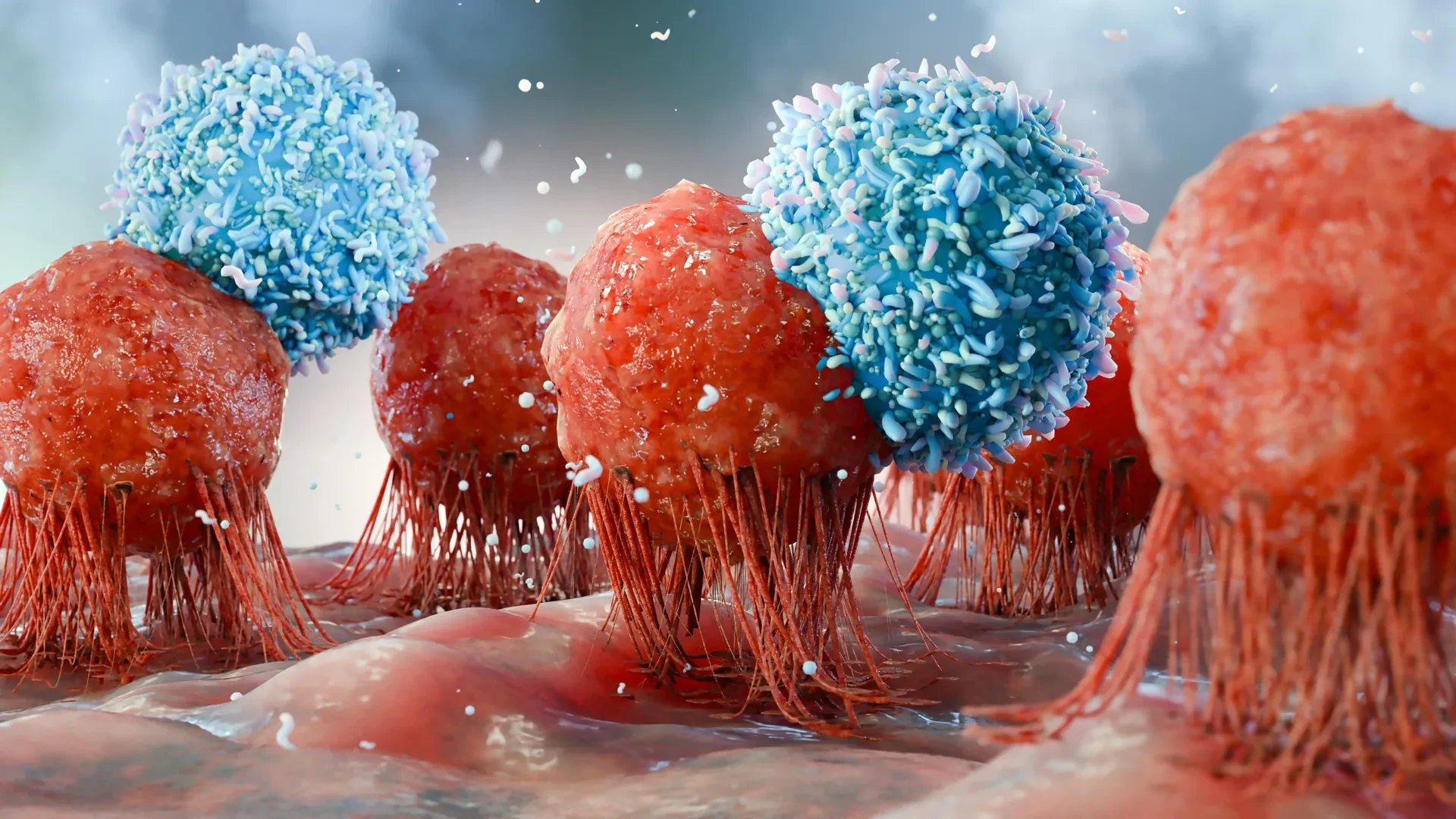
In what may represent a monumental paradigm shift for the field of oncology and regenerative medicine, a multi-institutional research team led by scientists at the University of Southern California (USC) has successfully engineered a scalable, renewable supply of cancer-fighting immune cells. Published in the prestigious journal Cell, the groundbreaking study introduces a sophisticated system capable of generating vast quantities of genetically modified progenitor cells. These cells possess the unique ability to home in on tumors, activate the body’s innate defenses, and continually replenish themselves in vivo.
For decades, the promise of cellular immunotherapy has been tempered by crippling manufacturing bottlenecks, the rapid degradation of therapeutic cells inside the human body, and an inability to effectively target solid tumors—the dense masses responsible for the vast majority of cancer-related mortality. While chimeric antigen receptor (CAR) T-cell therapies have achieved remarkable milestones against liquid tumors like leukemias and lymphomas, they have historically faltered when confronted with the immunosuppressive microenvironments of solid organs.
The USC-led team, in close collaboration with researchers at Stanford University, Harvard Medical School, Creighton University, and the Dana-Farber Cancer Institute, bypassed these formidable limitations by shifting focus away from mature immune cells. Instead, they intervened much earlier in the developmental hierarchy of the blood-forming system. By capturing and extensively expanding a specialized group of immature cells known as granulocyte-monocyte progenitors (GMPs), the researchers have forged a reliable, engineerable platform that could soon democratize access to advanced cell therapies, paving the way for standardized, "off-the-shelf" treatments for both oncological and immunological disorders.
Detailed Chronology of the Discovery
To understand the magnitude of the USC breakthrough, one must trace the meticulous trajectory of the research, which began by challenging foundational biological dogma regarding cellular development and self-renewal.
Challenging Dogma: The Self-Renewal Potential of Progenitor Cells
For generations, hematopoiesis—the formation of blood cellular components—was understood through a rigid hierarchical lens. At the apex sat hematopoietic stem cells (HSCs), universally acknowledged as the sole arbiters of long-term self-renewal within the blood system. These master stem cells possess the rare ability to divide indefinitely while retaining their undifferentiated state, or to differentiate into any of the body’s myriad blood and immune cells.
Progenitor cells, conversely, were viewed as middle-management operatives. Having already journeyed some distance down the developmental assembly line, they were presumed to be irreversibly committed to producing a restricted lineage of cells, stripped of any meaningful capacity for long-term self-renewal. Once isolated or cultured, progenitors typically race toward terminal maturation, quickly exhausting their utility for scalable therapeutic manufacturing.
Dr. Qi-Long Ying and his laboratory at the Keck School of Medicine of USC hypothesized that this terminal fate was not absolute. Under tightly controlled microenvironmental conditions utilizing a precisely defined chemical cocktail, the research team discovered that GMPs could be arrested just before maturation. Rather than burning out, these progenitor cells continued to multiply exponentially in vitro, faithfully preserving both their molecular identity and their latent ability to generate functional immune cells upon command.
Harnessing Macrophages and the Power of "Big Eaters"
With a renewable engine of GMPs established, the team directed their therapeutic cargo toward macrophages—historically dubbed the "big eaters" of the immune system. Derived from the Greek words makros (large) and phagein (to eat), macrophages are elite cellular scavengers responsible for engulfing pathogens, cellular debris, and malignant anomalies.
Unlike T-cells, which require complex presentation by other cells to initiate attacks, macrophages naturally infiltrate complex tissues and migrate directly into the dense cores of solid tumors. This innate penchant for deep tissue penetration positions them as premier candidates for overcoming the stubborn resistance exhibited by solid cancers.
However, harvesting and deploying mature macrophages has traditionally been plagued by logistical nightmares. Fully matured macrophages resist high-yield ex vivo expansion, cannot be easily modified using standard genetic tools, and suffer structural devastation during cryopreservation and clinical storage. Furthermore, when infused into a patient, mature macrophages frequently mislocalize, pooling harmlessly in the liver and lungs while vanishing from circulation before they can mount an effective anti-tumor campaign.
Engineering the Progenitors: CARs and Immune-Activating Signals
To circumvent these physiological hurdles, lead author Dr. Shi Yue and his colleagues chose to introduce genetic modifications at the progenitor stage—long before the cells matured into vulnerable, short-lived macrophages.
The researchers equipped the expandable GMPs with a chimeric antigen receptor (CAR), a synthetic protein structure designed to bind explicitly to specific molecular antigens plastered on the surface of cancer cells. This effectively transforms the resulting progeny into precision-guided missiles programmed to hunt specific malignancies.
To amplify their therapeutic footprint, the team went a step further. They engineered select GMP populations to co-express an additional immune-activating signal. This secondary molecular trigger was strategically designed to recruit, awaken, and orchestrate surrounding native immune cells—including endogenous T-cells—transforming a solitary cellular infusion into a multi-pronged assault against the tumor microenvironment. Crucially, this activating signal remained potent even when the genetic profiles of the donor cells did not precisely match those of the recipient, opening an invaluable pathway toward universal, off-the-shelf allogeneic therapies.
Supporting Context & Metrics
The empirical validation of the engineered GMP platform required rigorous testing across both murine models and multi-center laboratory replications. The metrics and biological observations recorded during these trials underscore the platform’s translational readiness.
Preclinical Efficacy in Murine Models
When the engineered GMPs were administered to mouse models afflicted with aggressive blood cancers and stubborn solid tumors, the results defied historical treatment limitations:
- Bone Marrow Engraftment: Unlike mature cell therapies that wash out within days, the infused progenitor cells successfully homed in on the bone marrow—the natural nursery for blood cell production.
- Sustained Replenishment: Nestled within the bone marrow, the GMPs acted as a biological factory, continuously churning out fresh waves of CAR-expressing macrophages and immune defenders over extended periods.
- Tumor Regression: Mice treated with CAR-equipped GMPs exhibited significantly slowed disease progression across both systemic blood cancers and localized solid tumors.
- Synergistic Amplification: The subset of GMPs bearing both the CAR receptor and the secondary immune-activating signal demonstrated markedly superior efficacy, driving an intensified, systemic anti-tumor immune response compared to single-receptor modalities.
Beyond Oncology: Addressing Chronic Granulomatous Disease
Demonstrating remarkable versatility, the research team tested whether the renewable GMP platform could rescue defective immune defenses in non-cancerous pathologies. In a specialized mouse model of chronic granulomatous disease—a debilitating inherited disorder where immune cells fail to generate the reactive oxygen species necessary to kill ingested bacteria and fungi—the administration of healthy, un-engineered GMPs successfully restored the animals’ microbicidal competence, enabling them to clear otherwise lethal infections. This data signals a vast secondary frontier for the technology in treating genetic immune deficiencies and intractable infectious diseases.
Official Statements & Expert Perspectives
The collaborative nature of the study brought together top-tier minds in stem cell biology, immunology, and translational medicine, all of whom highlighted the paradigm-shifting nature of the findings.
"The study establishes a scalable and engineerable GMP platform for cellular immunotherapy and introduces concepts that we believe could have broad implications for both cancer immunotherapy and stem cell biology."
— Dr. Qi-Long Ying, Corresponding Author, Professor of Stem Cell Biology and Regenerative Medicine, Keck School of Medicine of USC.
Elaborating on the core breakthrough regarding progenitor plasticity, Dr. Ying emphasized the strategic pivot required for future therapeutic design:
"The prevailing view has been that long-term self-renewal in the blood system is primarily a property of the hematopoietic stem cells that can generate any type of blood or immune cell. We found that, under the right conditions, GMPs can also self-renew, dividing extensively while keeping their identity and ability to produce functional immune cells. That gives us a scalable starting point for engineering cell therapies for cancer, infectious disease and potentially many other conditions. Our study suggests that the future of immunotherapy may depend not only on designing better CAR receptors, but also on choosing the right developmental stage of the cell."
Independent validation of the methodology was spearheaded by researchers at Stanford University. Dr. Ravi Majeti, Director of the Institute for Stem Cell Biology and Regenerative Medicine at Stanford and co-author on the study, underscored the immediate translational potential for clinical deployment:
"This method for the expansion and engineering of GMPs opens the door to numerous translational applications, much like T cell expansion and engineering. We have already demonstrated engineering of these cells to drive multiple potent functions, and there is a lot more to be explored."
Future Outlook & Translational Roadmap
While the preclinical data generated by the USC-Stanford collaboration is undeniably encouraging, the transition from murine models to human clinical trials requires a methodical and cautious translational roadmap.
Overcoming Translational Hurdles
- Safety and Persistence: Ensuring that perpetually dividing progenitor cells do not undergo uncontrolled clonal expansion or malignant transformation in vivo remains a paramount safety priority. Long-term toxicology and biodistribution studies in higher-order models will be essential.
- Manufacturing Standardization: Translating the chemical cocktail used for ex vivo GMP expansion into Current Good Manufacturing Practice (cGMP) protocols will dictate the commercial viability and scalability of the treatments.
- Clinical Trial Design: Early-stage human trials will likely focus first on refractory solid tumors and treatment-resistant hematological malignancies where conventional CAR-T therapies have hit a therapeutic ceiling.
A New Era for Cellular Medicine
By proving that developmental timing is just as critical as genetic cargo, the USC research team has fundamentally expanded the toolkit of modern immunotherapy. The ability to manufacture renewable, self-replenishing pools of engineered immune cells promises to slash production costs, shorten turnaround times, and extend the reach of cell therapy into therapeutic categories previously deemed unreachable. As investigators prepare for the next phase of human translation, the horizon of cancer care looks increasingly malleable, driven by the quiet power of "big eaters" engineered at the dawn of their cellular lives.
Research Credits and Funding Disclosure
The study, titled "Expansion and CAR engineering of granulocyte-monocyte progenitors for cellular immunotherapy," was published in the journal Cell.
The international research team comprises corresponding author Qi-Long Ying, first author Shi Yue, Zheng Guo, Crystal Pan, Xueyuan A. Jing, Tai Nguyen, Jiaqi Tang, Yanpui Chan, Humberto Contreras-Trujillo, Du Jiang, Xue Yan, Hang Xiang, Xugeng Liu, Xiao Wang, Ziyuan Wang, Natalie Shu, Daniel B. McKim, Rong Lu, and Chao Zhang of the University of Southern California; Litao Tao and Celia Bloom of Creighton University; Asiri Ediriwickrema and Sebastian Koschade of the Stanford University School of Medicine; and Yingxiao Shi of Harvard Medical School and the Dana-Farber Cancer Institute.
Financial sponsorship for the research was provided by the Chen Yong Foundation of the Zhongmei Group, a sponsored research project from Myelogene Inc., the L.K. Whittier Foundation, the Eli and Edythe Broad Innovation Award, the Ming Hsieh Institute for Research on Engineering Medicine for Cancer Award, the USC SBIR/STTR Planning Award, the Xia Research Fund, and the Wu & Jiang Research Fund. Additional support was furnished to Dr. Majeti by the Ludwig Institute for Cancer Research, while Zheng Guo received fellowship backing through the California Institute for Regenerative Medicine Predoctoral Training Fellowship.