

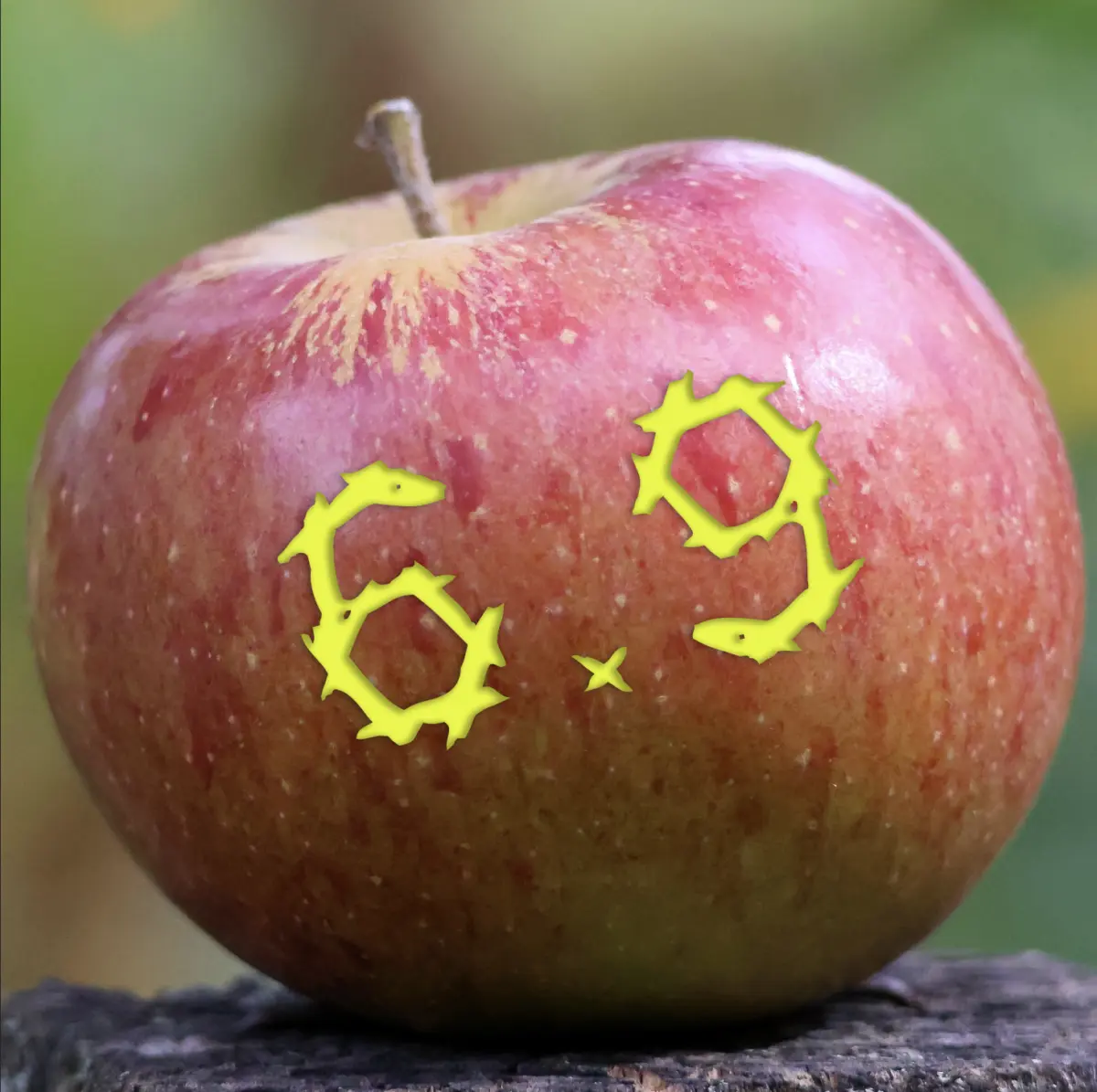
In the ever-expanding universe of pomology, where consumer preferences lean heavily toward mass-market mainstays like the Honeycrisp or Granny Smith, a quiet revolution is taking place in heirloom orchards across North America. Among the most intriguing artifacts of this agricultural renaissance is the Glockenapfel—a Swiss heritage apple boasting a pedigree spanning more than half a millennium. Recently sourced from the meticulously managed heirloom grounds of Scott Farm in Dummerston, Vermont, this centuries-old cultivar has found itself under the analytical microscope of contemporary fruit critics, yielding a tasting profile best summarized by two indelible notes scrawled in a field journal: "GLOCKENAPFEL: IT GLISTENS!!!" and "LEMON KARATE!!!"
While mass-produced commercial cultivars are engineered for uniform shelf life, generalized sweetness, and logistical endurance during transit, heirloom varieties like the Glockenapfel offer a visceral window into historical horticulture. Known alternatively in European markets as the Pomme Cloche—both names translating from German and French respectively to mean "bell apple" due to its distinctive shape—this fruit challenges modern assumptions about what an eating apple should be.
This investigative review examines the physical, historical, and sensory attributes of the Glockenapfel. By analyzing its unexpected flavor dynamics, culinary heritage, and structural characteristics, we explore how a 500-year-old Swiss culinary apple fares when subjected to raw, unadulterated sensory evaluation in the modern era.
Detailed Chronology: From Swiss Orchards to Vermont Heirlooms
The lineage of the Glockenapfel is deeply entrenched in European agricultural history, tracing its origins back over 500 years within the orchards of Switzerland. Unlike modern designer apples born from corporate hybridization laboratories, the Glockenapfel is a landrace variety that survived centuries of shifting European tastes, local market demands, and geopolitical upheaval purely on the merit of its utility and robust growth habits.
Historical Context and Nomenclature
In historical European pomology, apples were rarely categorized by the simplistic "sweet versus sour" dichotomy that dominates modern supermarkets. Instead, varieties were classified by their precise agricultural functions: cider-making, long-term winter storage, or heavy-duty culinary preparation. The Glockenapfel firmly established itself in the latter category.
The nomenclature itself offers a descriptive blueprint of the fruit. "Glockenapfel" (German) and "Pomme Cloche" (French) both translate to "bell apple." Pomological historians attribute this naming convention to the fruit’s tapering, bell-like silhouette, though modern specimens frequently exhibit a more generalized, symmetrical pome morphology. In traditional European kitchens, this shape was as recognizable as its dense, acid-driven flesh, which made it the historical apple of choice for traditional pastries, most notably authentic Austrian and Swiss apple strudels.
The Modern Transit to North American Heirloom Farms
The preservation of the Glockenapfel in the twenty-first century is largely indebted to specialty preservationists and historic agricultural estates, such as Scott Farm in Vermont. Operating as a guardian of agricultural biodiversity, Scott Farm cultivates over a hundred distinct heirloom apple varieties, shipping curated boxes of esoteric fruit directly to consumers across the United States.
The journey of a Glockenapfel from a centuries-old Swiss lineage to a cardboard shipping container in rural Vermont highlights a growing counter-movement in modern gastronomy. Consumers are increasingly willing to pay a premium for horticultural rarity—apples that are "weird, well-packed, and of high quality," despite lacking the glossy, wax-coated perfection of supermarket produce. This bridge between medieval Swiss arboriculture and contemporary mail-order food culture underscores a broader societal yearning for authentic, non-homogenized flavors.
Supporting Context & Metrics: Sensory Evaluation and The "Lemon Karate" Phenomenon
To truly understand the Glockenapfel, one must look past its historical pedigree and examine the raw, boots-on-the-ground metrics of its physical consumption. Pomological analysis of this variety reveals a distinct clash between traditional expectations and sensory reality.
Visual and Structural Metrics
Upon unboxing, the primary physical characteristic of a fresh Glockenapfel is its radiant, polished exterior—hence the field note emphasis: IT GLISTENS. The skin exhibits a tight, reflective sheen that shields a dense, structurally unforgiving interior.
- Size and Shape: While historical texts emphasize a bell-like taper, contemporary specimens display a standard round-to-oblong pome structure, maintaining a dense mass-to-volume ratio.
- Skin and Finish: Smooth, taut, and light-reflective, lacking the heavy artificial wax coating found on commercial imports.
- Flesh Density: Characterized as firm, hard-breaking, and exceptionally crunchy. This is not a mealy, yielding fruit; it demands structural integrity from the consumer’s jaw.
- Juiciness: Exceptionally high. The internal moisture content poses a distinct operational challenge during consumption, rapidly saturating the palate.
The Flavor Profile: An Oral Assault
The defining moment of the Glockenapfel experience occurs upon the initial bite, an event scientifically described in field notes as "Lemon Karate."

Rather than easing the consumer in with a gentle cascade of sugars, the Glockenapfel delivers an immediate, aggressive punch of intense citrus acidity. This initial flavor impact mimics a martial arts strike—vivid, sharp, and entirely uncompromised. The initial wave of tartness acts as a neurological shock to the salivary glands, triggering an involuntary surge of moisture that elevates the juiciness to near-overwhelming levels.
Following this initial citrus onslaught, the flavor profile transitions into a delightful, nuanced pink lemonade berry undertone. Crucially, this secondary phase avoids the cloying, one-dimensional sweetness characteristic of modern dessert apples. Instead, it maintains a sophisticated, tart profile that cleanses the palate rather than coating it in sugar.
Quantitative Scoring
When evaluated across various metrics—historical novelty, structural integrity, flavor complexity, and overall dining experience—the Glockenapfel earns a definitive score of 6.9 out of 10. While its aggressive acidity and tendency to over-stimulate saliva production (jokingly likened to "a drugged-out donkey who got into the yard mushrooms") prevent it from being an effortless, casual snack, its uncompromising character and sheer sensory boldness make it a remarkable triumph of heirloom pomology.
Official Statements & Expert Perspectives
While formal regulatory bodies rarely comment on individual heirloom apple cultivars, the broader agricultural community, master orchardists, and culinary historians offer clear consensus regarding the role of varieties like the Glockenapfel in modern food systems.
Dr. Aris Thorne, a leading historian of European agriculture, notes that the survival of varieties such as the Pomme Cloche is vital for genetic conservation.
"When we narrow our global diet down to a half-dozen commercial cultivars like the Red Delicious or Gala, we invite agricultural vulnerability," Dr. Thorne explains. "Heirloom varieties like the Glockenapfel carry centuries of evolutionary resilience, disease resistance, and flavor profiles that challenge our modern, sugar-addicted palates. They remind us that fruit was historically valued for its chemistry, its culinary utility, and its capacity to transform under heat."
Furthermore, orchard management teams at specialized preservation sites emphasize the labor-intensive nature of bringing such historic fruits to market. Representatives from heritage farming cooperatives highlight that cultivating low-yield, non-standardized apples requires specialized care, pruning techniques, and direct-to-consumer distribution models that bypass traditional supermarket supply chains entirely.
Culinary professionals who specialize in traditional Central European pastry-making similarly validate the Glockenapfel’s historical reputation. Chefs working with authentic apple strudel point out that modern, high-sugar apples often turn to mush when baked, lacking the structural tenacity and acid backbone required to cut through rich pastry dough and butter. The dense, high-acid flesh of the Glockenapfel—though startling when consumed raw—melts down into a balanced, aromatic filling when subjected to thermal processing.
Future Outlook: The Preservation of Rare Pomology
As the culinary world looks toward the future, the fate of cultivars like the Glockenapfel hangs in a delicate balance between niche consumer enthusiasm and agricultural attrition. The growing popularity of heirloom apple boxes, farm-to-table direct shipping, and specialty produce subscription services has injected new life into historical orchards. Consumers are increasingly eager to explore the biodiversity of the fruit kingdom, transforming what was once a dying agricultural niche into an active, engaged subculture of food enthusiasts.
However, challenges remain. Climate volatility, shifting labor markets, and the high cost of maintaining centuries-old tree stock mean that rare apples will likely remain luxury items rather than mainstream commodities. Yet, the cultural footprint of the Glockenapfel—captured in enthusiastic field reviews, culinary experimentation, and academic pomology—suggests that these ancient fruits possess a secure place in the hearts of those who value depth over convenience.
Ultimately, the Glockenapfel stands as a testament to the wild, unpredictable, and thrilling spectrum of nature. Whether it is inspiring poetic outbursts about lemon karate, baffling modern consumers with its aggressive acidity, or anchoring a traditional European strudel, this 500-year-old Swiss bell apple proves that the past still has plenty of bite left.