

Executive Overview
In an era dominated by algorithmic franchise expansions, intellectual property reboots, and high-concept streaming content engineered for passive background viewing, the traditional big-screen romantic drama has become a cinematic endangered species. Modern studio executives frequently overlook the profound, collective resonance of experiencing longing, heartbreak, and affection inside a darkened theater alongside strangers. Yet, amidst this landscape of industrial cynicism, a bold new theatrical entry arrives to reclaim the sincere tenderness long missing from contemporary cinema.
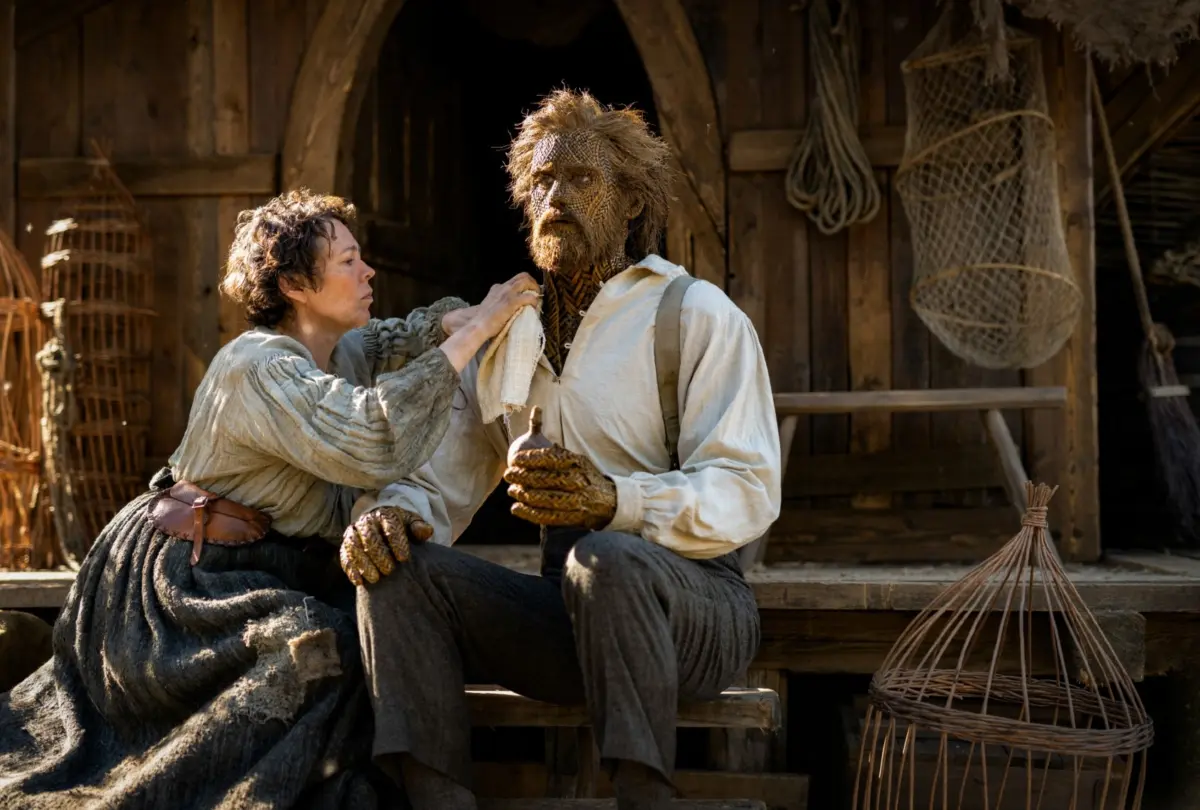
Directed by the married filmmaking duo Alex Huston Fischer and Eleanor Wilson, the upcoming feature film Wicker adapts Ursula Wills’ unpublished short story, "The Wicker Husband," into a richly textured, whimsical, yet deeply grounded cinematic experience. Starring Academy Award winner Olivia Colman as a resolute, independent fisherwoman and Alexander Skarsgård as her literal, living, woven-plant spouse—with supporting turns from Peter Dinklage and Elizabeth Debicki—the film uses a bizarre, high-concept premise to explore radically human emotional truths. Rather than allowing its avant-garde gimmick to devolve into a mere comedic novelty, Wicker weaves together humor, sensuality, and vulnerability. It serves as a triumphant reminder that fantasy and realism can brilliantly coexist on the silver screen, offering audiences a rare, uncompromised masterclass in cinematic romance.
Detailed Chronology: The Genesis and Execution of Wicker
The journey of Wicker from page to screen represents a meticulous collaborative effort driven by artistic daring and a mutual desire to subvert traditional cinematic tropes regarding aging, love, and isolation.
The narrative foundation was laid by author Ursula Wills in her short story "The Wicker Husband," a tale that quietly circulated before capturing the attention of directors Alex Huston Fischer and Wilson. Recognizing the rich thematic potential embedded within the folklore-esque premise, the married writing-directing team set out to adapt the material into a feature-length screenplay. Their vision prioritized emotional resonance over cheap camp, ensuring the surreal elements operated as an organic framework for an otherwise deeply relatable human drama.
Casting announcements later signaled a major coup for independent cinema. Olivia Colman boarded the project to portray the central "Fisherwoman"—a hardened, provincial tradesperson weary of the relentless matrimonial expectations thrust upon her by a judgmental village. Peter Dinklage was subsequently attached to the project as the local Basket Weaver, the artisan tasked with crafting a makeshift spouse to get the townspeople off Colman’s back.
The casting puzzle reached its zenith with the addition of Alexander Skarsgård as the titular Wicker Husband. Skarsgård’s involvement required intense physical transformation, demanding a delicate balance between practical creature effects, intricate makeup design, and nuanced, soft-spoken performance art. Production moved forward with Black Bear Pictures financing and overseeing development, positioning the film as a prestige title aimed at reigniting adult-oriented theatrical romance.
Following its festival circuit positioning and critical anticipation building through late 2026, Wicker establishes itself as a masterclass in tonal control. The film carefully navigates the early comedic beats of a woman commissioning a plant-based partner as a joke, transitions seamlessly into genuine erotic and emotional discovery, and ultimately confronts the bitter seeds of community envy—chiefly personified by Elizabeth Debicki’s character, the Tailor’s Wife. Through this structured escalation, Fischer and Wilson guide viewers on a narrative arc that moves from wry satire to devastating emotional truth.
Supporting Context & Metrics: The State of Theatrical Romance and the Appeal of "Romantasy"
To fully appreciate the cultural intervention Wicker represents, one must examine the current macroeconomic and artistic climate of Hollywood romance. Over the past decade, mid-budget romantic features have been systematically excised from theatrical distribution schedules, migrated to subscription-based streaming platforms, or flattened into heavy-handed melodramas (such as Florence Pugh’s cancer drama We Live in Time). Executives frequently miscalculate the appetite for old-fashioned, earnest affection, favoring algorithmic safety over genuine emotional risk.
Yet, a parallel cultural market has exploded: the commercial dominance of the "romantasy" (romantic fantasy) and Harlequin romance literary genres. Millions of readers—particularly women of all ages—demonstrate an insatiable appetite for stories that blend heightened, fantastical, or beastly elements with raw, uninhibited explorations of emotional and physical desire. Crucially, these literary spaces have long embraced the validity of older women’s sexual agency and emotional complexity, a demographic routinely marginalized by mainstream Hollywood casting practices.
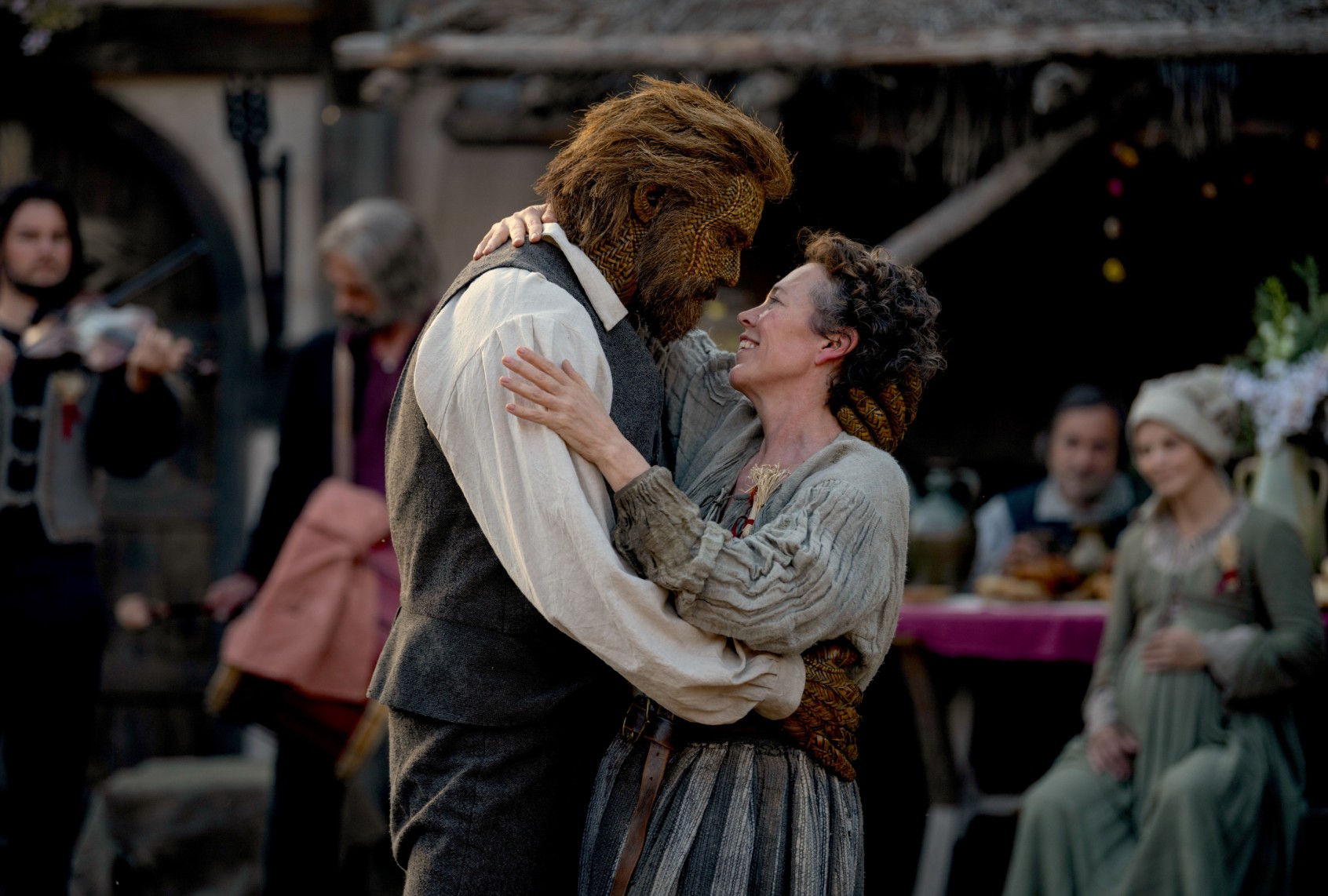
Wicker operates at the intersection of this literary phenomenon and high-art cinema. By casting Olivia Colman—an actress celebrated for her fierce intelligence and earthy authenticity—as a woman discovering late-stage romantic and sexual liberation, the film validates a demographic ignored by conventional blockbusters.
Furthermore, the film’s financial and production metrics reflect a growing indie-film resilience. Backed by Black Bear Pictures, Wicker demonstrates that inventive practical effects paired with top-tier international talent can yield high-end production values without requiring a quarter-billion-dollar superhero budget. The film proves that audiences are starved not for spectacle, but for intimacy executed with bold, uncompromising artistic vision.
Official Statements and Critical Perspectives
The creative team behind Wicker has been vocal about their intentional choice to avoid the logistical traps inherent in their own premise, opting instead to focus on the psychological and emotional landscapes of their characters.
In interviews discussing the film’s development, directors Alex Huston Fischer and Eleanor Wilson emphasized their dedication to treating the material with absolute sincerity. "The man might be made of wicker from head to head, but his love is intrinsically human," the filmmakers noted in early production notes. Rather than bogged down by the mechanics of a plant-based anatomy—a recurring joke among early reviewers asking whether he might break or how physical intimacy is achieved—the directors intentionally directed focus toward the ethereal grace of the relationship.
Critics and commentators have similarly seized upon this tonal triumph. Reviewers have praised the film’s unique ability to utilize its absurd premise as a Trojan horse for profound explorations of loneliness, jealousy, and mutual healing. Coleman Spilde, writing for cultural commentary outlets, highlighted how Wicker manages to evoke cinematic touchstones like the Blake Lively-led time-jumping romance The Age of Adaline, noting that both films understand a fundamental truth of the human condition: "It’s not the same without growing old together. Without that, love is just heartbreak."
Alexander Skarsgård’s performance has garnered widespread acclaim for its physical and emotional daring. Following his celebrated work in projects like Pillion, Skarsgård continues to cement his reputation as a performer willing to engage with the strangest, most unconventional corners of romantic storytelling. Paired with Colman’s fiery yet vulnerable screen presence, the actors have drawn praise for generating chemistry that transcends the literal layers of practical makeup and sinewy wicker design.
Future Outlook: The Legacy and Cultural Impact of Wicker
As Wicker makes its mark on the theatrical landscape, its long-term industry implications are substantial. The film serves as an empirical counter-argument to the persistent industry myth that audiences no longer wish to see original, mid-budget romantic narratives on the big screen.
By refusing to condescend to its audience or dilute its surreal premise into safe, focus-grouped comedy, Wicker paves a potential pathway for independent filmmakers and studios alike. It demonstrates that genre-bending storytelling—melding fantasy, romance, and dark comedy—can achieve critical resonance while honoring the fundamental human desire for connection.
In an entertainment environment frequently oversaturated by cynical content and fleeting viral trends, works like Wicker remind us of the enduring power of art made to last. Whether the film sparks a broader theatrical renaissance for romance remains to be seen, but its immediate cultural footprint is undeniable. It leaves viewers with a poignant, lingering spell, proving that fantasy can look remarkably like reality—provided we have the courage to stop overthinking our emotions and surrender to the transformative power of love.