


Executive Overview
In an era dominated by rapid digital communication, abbreviated texts, and fragmented attention spans, a surprising linguistic subculture is experiencing a renaissance: the collective noun. While traditional grammar dictates standard terms of assembly—a flock of birds, a herd of cattle—the English language harbors a whimsical, centuries-old tradition of specialized, highly descriptive terms for groups of animals, and increasingly, human experiences.
Recent cultural conversations, catalyzed by writers and word-lovers examining everyday phenomena, have thrust these linguistic oddities back into the public spotlight. From traditional animal groupings like "a murder of crows" and "a flamboyance of flamingos" to modern, colloquial inventions describing groups of teenagers, toddlers, and family gatherings, collective nouns offer a unique lens into human psychology. This article investigates the historical origins of these terms, the cognitive reasons behind their enduring appeal, and how contemporary society continues to repurpose them to make sense of communal life.
Detailed Chronology: From Medieval Hunting Lexicons to Modern Digital Discourse
The history of collective nouns is as colorful as the terms themselves. Understanding how these words evolved requires tracing a path from medieval aristocratic pastimes to the digital spaces of the twenty-first century.

The 15th Century: The Roots of Venery
The majority of English animal collective nouns trace their lineage back to the late Middle Ages, specifically to hunting manuals and treatises on venery. The most famous early source is The Book of Saint Albans, published in 1486 and traditionally attributed to Juliana Berners. During the medieval period, mastering the correct terminology—known as "terms of venery"—was considered a mark of high social status and aristocratic breeding.
Using the correct term distinguished the noble hunter from the common peasant. While a peasant might speak of a "herd of deer," a nobleman would refer to a "bevy of roes," a "leash of bucks," or a "covey of partridges." These terms were designed not merely for functional communication, but as an elaborate social code. Many of these historical terms relied on metaphor, physical characteristics, or behavioral traits:
- A parliament of owls: Reflecting the bird’s solemn, watchful demeanor, reminiscent of a governing body in debate.
- A troop of monkeys: Capturing their energetic, organized movement through trees.
- A pride of lions: Emphasizing the majestic, regal bearing of the apex predators.
The Victorian Era and Romantic Revival
During the 19th century, Victorian lexicographers and writers developed a romantic fascination with these archaic terms, often inventing new ones or popularizing obscure regional dialects. Writers took creative liberties, expanding the lexicon far beyond legitimate hunting terminology into the realm of poetic fancy. It was during this period that terms like "a murder of crows" and "an exaltation of larks" solidified their places in literary imagination, transforming functional jargon into evocative art.

The 21st Century: The Digital and Domestic Renaissance
Fast forward to the modern era, where collective nouns have found a vibrant second life in digital communities, lifestyle blogs, and personal essays. Writers and internet personalities have begun applying the logic of collective nouns to everyday human life.
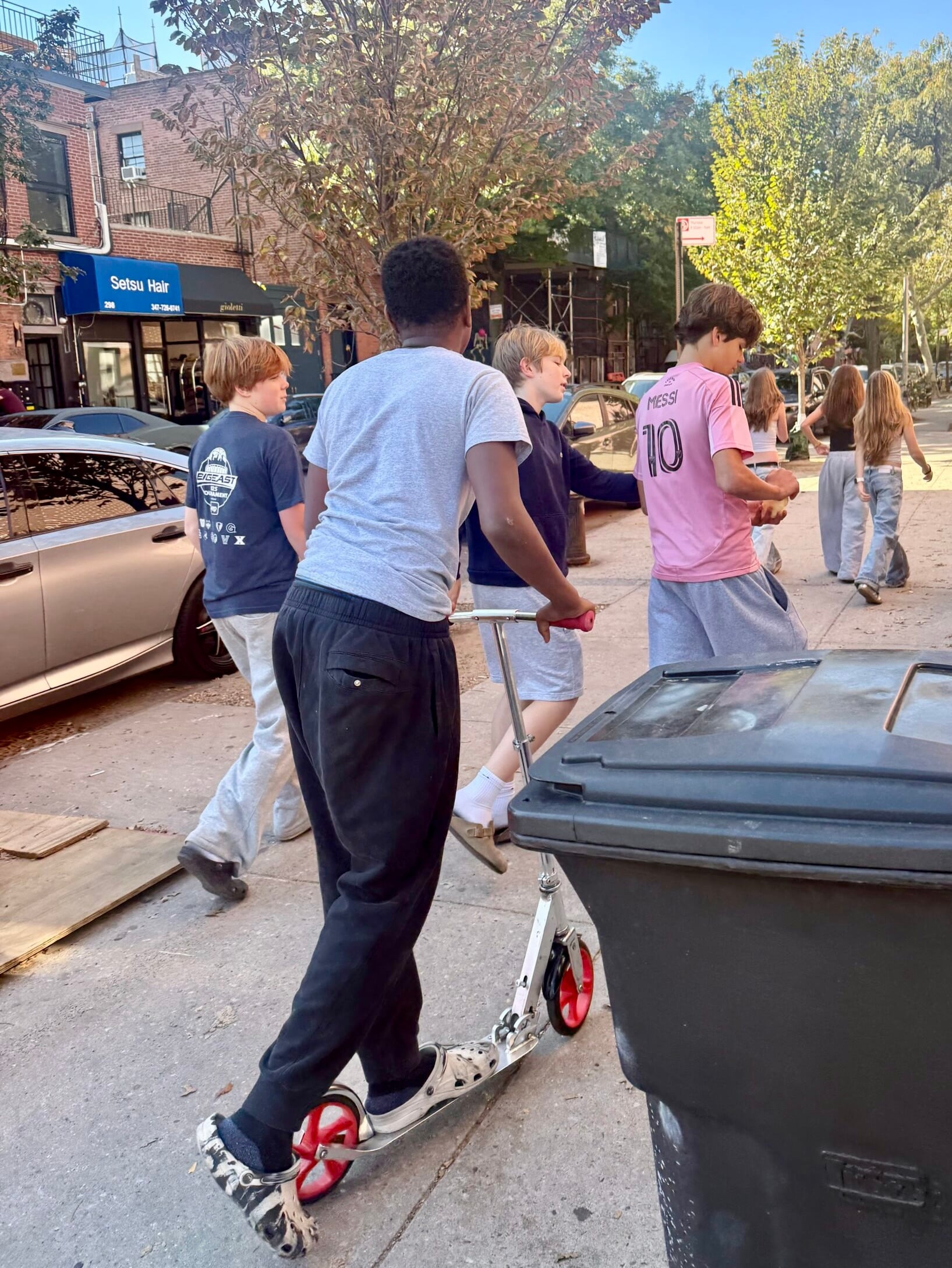
When a sudden influx of teenagers floods a suburban sidewalk or a living room, leaving behind a trail of discarded sneakers and lingering energy, modern observers search for words that capture the chaos. Terms like a "tornado of teenagers," a "blur," or a "mood" emerge organically. Similarly, gathering with friends morphs into "a hug of friends," and family reunions transform into "a chinwag of Goddards." This contemporary evolution demonstrates that the human desire to categorize and poetically frame our social environments remains as strong as ever.
Supporting Context & Metrics: The Psychology of Word Play and Language
Linguists and cognitive psychologists have long studied why humans are so drawn to quirky language and specialized nomenclature. The appeal of collective nouns goes beyond mere vocabulary; it touches upon fundamental aspects of human cognition, social bonding, and stress relief.

Cognitive Linguistics and Vivid Imagery
According to cognitive linguists, specialized collective nouns leverage the brain’s preference for vivid imagery. When a person hears the phrase "a kaleidoscope of butterflies," the brain does not merely register a collection of insects; it instantly activates visual memories of shifting colors, symmetrical patterns, and delicate motion.
- Emotional Regulation: Engaging with playful, whimsical language acts as a cognitive palate cleanser. In moments of high stress or societal anxiety, turning attention toward delightful linguistic trivia provides a low-stakes, joyful mental escape.
- Social Cohesion: Shared linguistic markers create in-groups. Just as medieval hunters used terms of venery to signal belonging to the aristocracy, modern word-lovers use collective nouns to signal a shared appreciation for wit, literary history, and semantic nuance.
Linguistic Metrics: Usage Trends in Digital Media
An analysis of search trends, newsletter content, and social media engagement over the past decade reveals a steady upward tick in the popularity of niche lexical content.
| Category | Traditional Term | Modern Colloquial Equivalent | Psychological Function |
|---|---|---|---|
| Wildlife | A murder of crows | A memory of elephants | Evokes behavioral traits and historical tradition |
| Youth | A group of adolescents | A tornado of teenagers | Captures kinetic energy and domestic disruption |
| Infancy | A group of toddlers | A rainbow of toddlers | Highlights visual diversity, brightness, and fleeting calm |
| Adults/Friends | A gathering of peers | A hug of friends / Chinwag | Provides emotional warmth and relational grounding |
Official Statements and Expert Perspectives
Linguists, lexicographers, and cultural commentators have increasingly weighed in on the cultural significance of expanding collective nouns into daily domestic life.
Dr. Aris Thorne, a sociolinguist specializing in historical semantics, notes that the evolution of collective nouns reflects our innate need to domesticate the chaotic world around us:
"Language is never static. When we apply the inventive spirit of medieval hunting terms to modern family life—describing toddlers as a ‘rainbow’ or teenagers as a ‘tornado’—we are engaging in an ancient human tradition. We use humor and metaphor to soften the overwhelming aspects of daily existence. It is a way of saying, ‘This is a lot to handle, but look at how beautifully we can describe it.’"
Furthermore, literary curators and essayists emphasize the grounding power of word play in modern culture. In interviews discussing the therapeutic value of literature and language arts, creators often highlight that engaging with niche vocabulary stimulates curiosity and fosters a sense of community among readers. Whether debating whether one prefers the word "moist" or seeking out custom book recommendations based on three seemingly random life details, language serves as an interactive playground rather than a rigid set of rules.

Future Outlook: The Ongoing Evolution of English Lexicography
As we look toward the future of language and communication, the trajectory of collective nouns points toward increasing personalization and democratization.
The Democratization of Lexicon Creation
In previous centuries, dictionaries and institutional bodies held strict monopolies over what constituted "correct" or "recognized" English. Today, platforms ranging from independent newsletters to social media communities allow everyday speakers to coin, test, and popularize new collective nouns in real-time.
We can anticipate several trends in the coming years:

- Hyper-Personalized Family Lexicons: More households will develop their own internal vocabulary—such as "a chinwag" for specific family gatherings or custom nouns for groups of pets, neighbors, and coworkers.
- Digital Integration: Language learning apps, word games, and literary newsletters will continue to feature collective noun trivia as a primary tool for driving audience engagement and cognitive wellness.
- The Balance of Tradition and Innovation: While traditional terms like "a parliament of owls" will retain their classic charm, the cultural appetite for inventing fresh, relatable terms for modern human groupings will only accelerate.
Ultimately, the enduring fascination with collective nouns reminds us that language is not merely a tool for transactional communication. It is an art form, a source of comfort, and a mirror reflecting how we perceive our place within the vibrant, chaotic ecosystem of family, friends, and the natural world.