

As the autumn leaves settle and communities brace for the annual surge of haunted houses and late-night festivities, the perennial dilemma returns: What are you going to be for Halloween? While the holiday is theoretically a canvas for boundless creativity, it frequently devolves into a last-minute panic of frantic online orders and half-baked wardrobe choices. However, a recent widespread social media callout has proven that when communities are given a platform to share their sartorial handiwork, the results transcend basic commercial costumes—evolving into genuine feats of DIY engineering, pop culture nostalgia, and culinary-themed wearable art.
Curated from a massive influx of reader submissions, this year’s standout Halloween costumes offer a masterclass in resourcefulness. From high-fashion runway homages meticulously crafted with the help of industry professionals to clever pun-based personas and deeply specific cinematic reenactments, everyday individuals are elevating the Halloween landscape. This report explores ten of the most inventive reader-submitted costumes of the season, examining the collaborative design processes, cultural touchstones, and humorous logistical hurdles that accompany high-effort holiday dressing.
Detailed Chronology: From Concept to Neighborhood Victory
The journey from a vague holiday ambition to a celebrated award-winning costume is rarely straightforward. Behind every striking Halloween look lies a timeline of inspiration, trial and error, and—in many cases—unlikely professional collaboration.
The Barroom Championship: The Fork and Spoon
For Rose Florence Anderson of Brooklyn, the ambition for Halloween 2025 was singular and unapologetic: to secure total victory in her neighborhood bar’s annual costume competition, where the grand prize was the holy grail of pub cuisine—free tater tots for life. Recognizing that generic store-bought ensembles would not cut it against seasoned competitors, Anderson turned to archival inspiration.
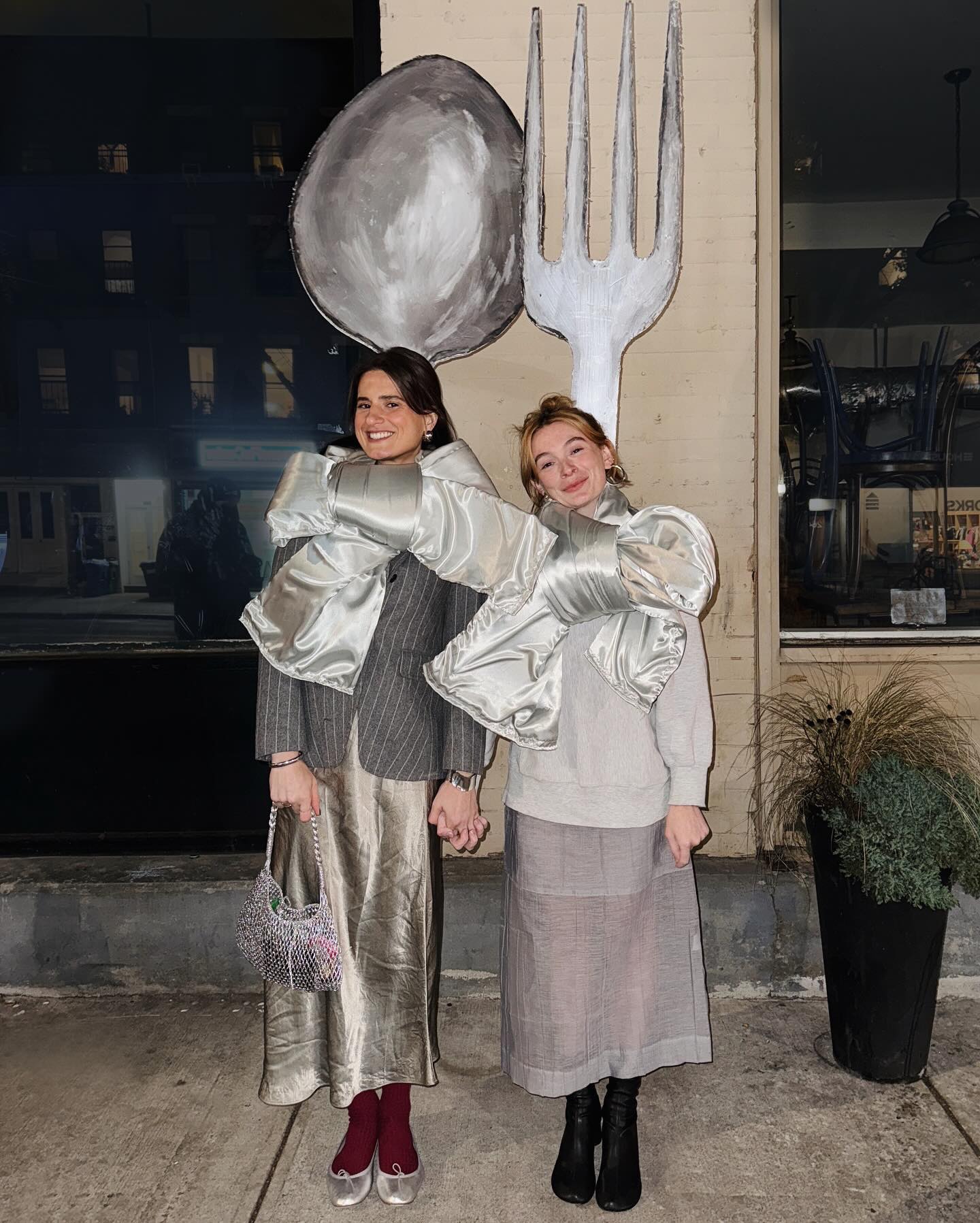
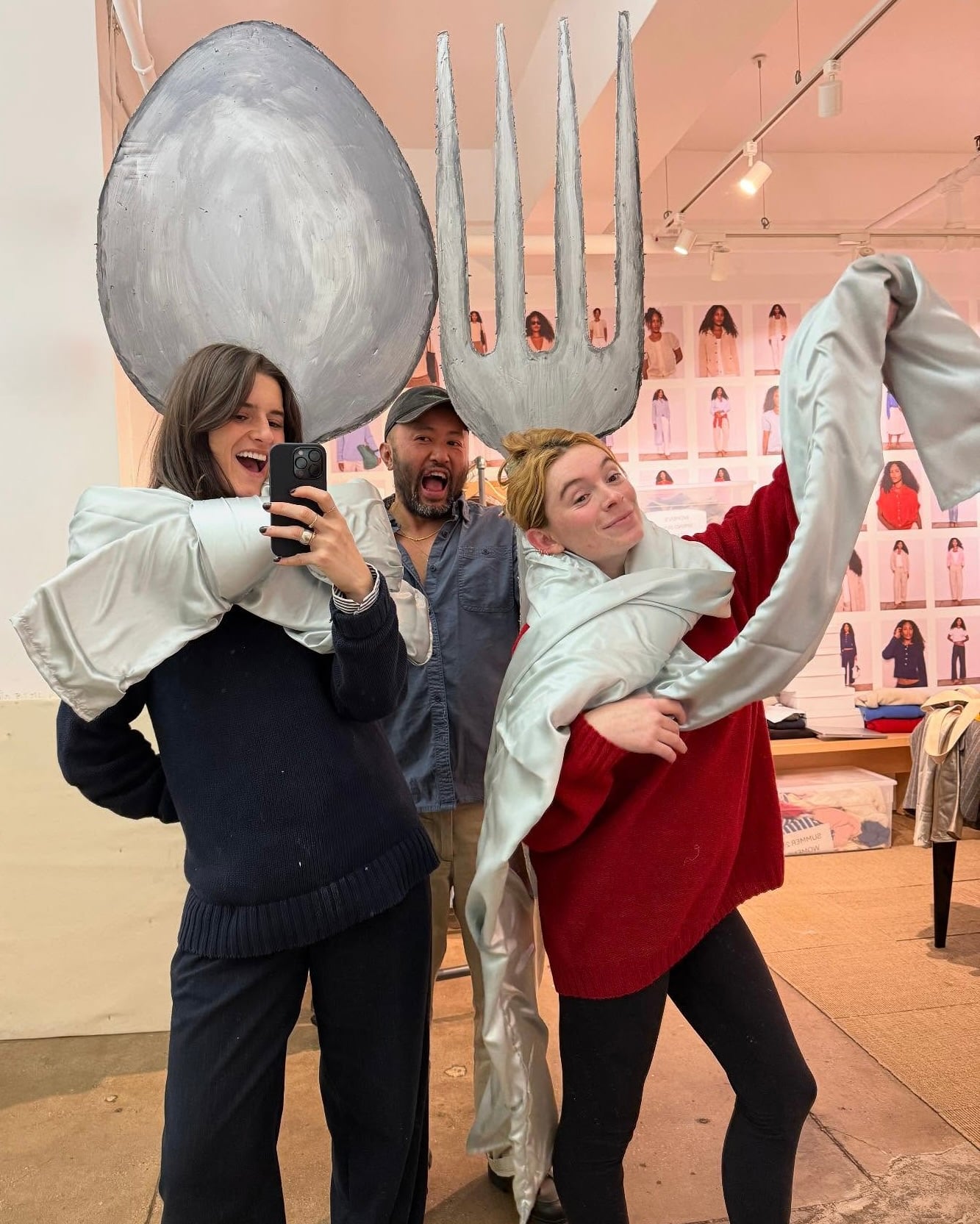
She sourced a photograph from a vintage costume book, translating historical sketches into a modern wearable blueprint. Crucially, the execution required professional-grade intervention. Anderson enlisted Somsack Sikhounmuong, the creative director at Alex Mill, turning the office into an impromptu design studio for multiple late-night crafting sessions.
The resulting fork-and-spoon costume was a triumph of structure and whimsy. Accompanied by her friend Lili, Anderson debuted the look at the local establishment, instantly winning over both the patrons and the judging panel. The evening culminated in a celebratory, synchronized "fork-and-spoon victory dance" that secured both local glory and an endless supply of pub appetizers.
High Fashion Meets Floral Form
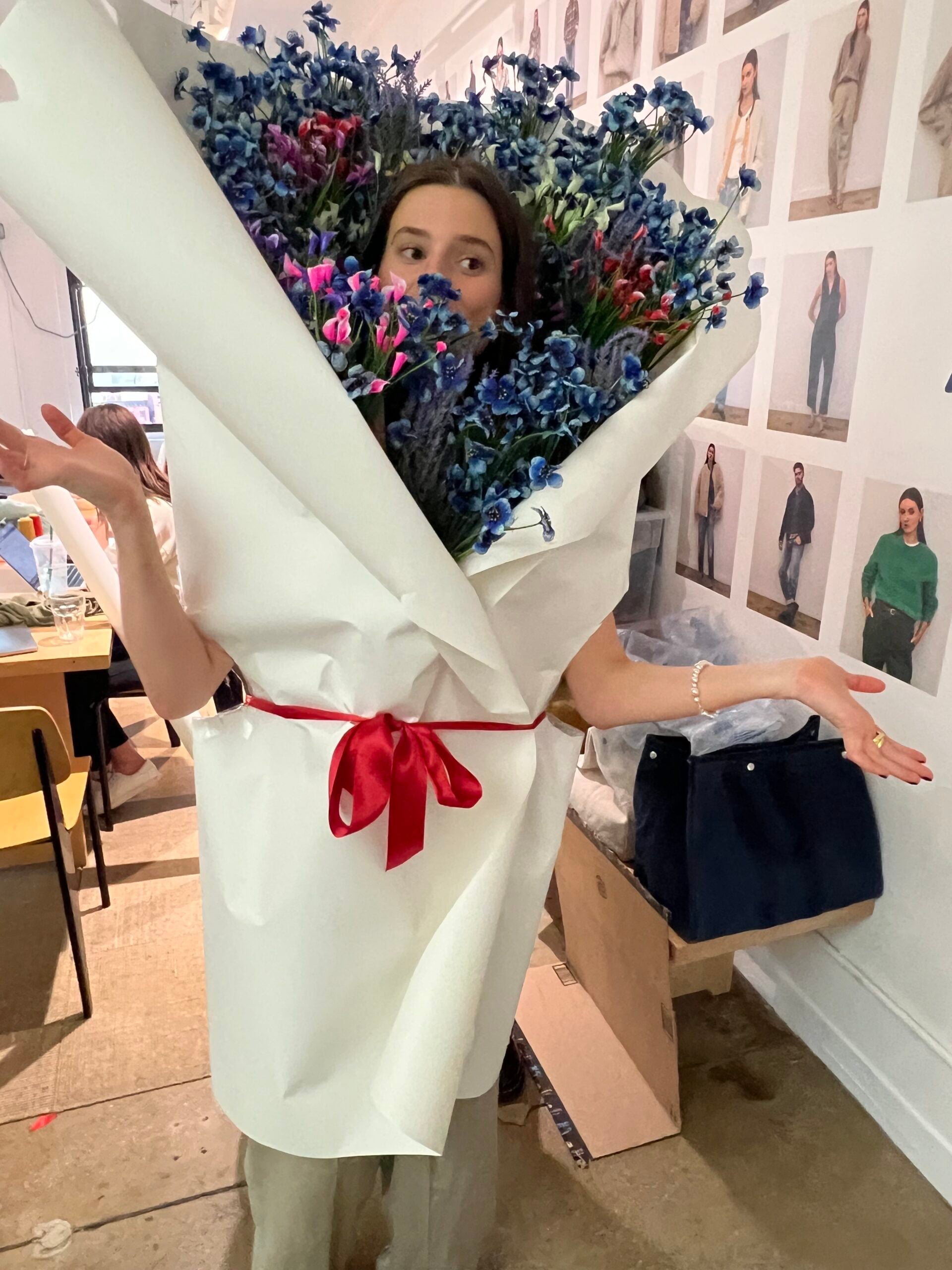
Also operating out of Brooklyn, another reader named Rose found her muse on the high-fashion runways of Milan rather than vintage literature. Inspired by Gigi Hadid’s unforgettable appearance as a giant, walking floral arrangement during the Moschino Spring ready-to-wear show, Rose engineered a voluminous bouquet costume. The look served a dual purpose, perfectly matching her first name while offering an avant-garde sculptural statement that stood out drastically among traditional ghosts and ghouls.
Supporting Context & Metrics: Creativity by the Numbers
The resurgence of handcrafted, high-concept Halloween costumes reflects a broader cultural pivot away from mass-produced, petroleum-based synthetic outfits and toward sustainable, deeply personal DIY projects. Across digital platforms, communities are increasingly valuing authenticity and humor over generic brand-name disguises.
Workplace Logistics and Edible Inspirations
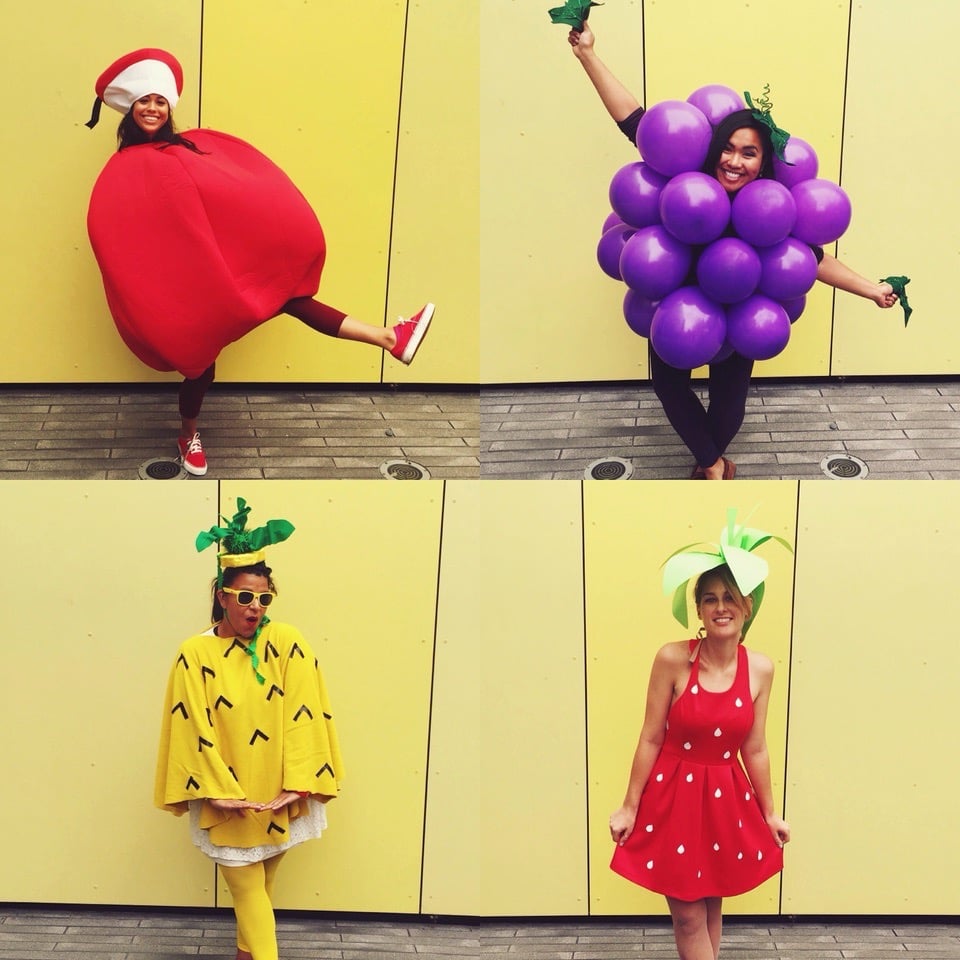
Group costumes present their own unique logistical matrices, as demonstrated by Jessi Baer and her team in Long Beach, California. Tasked with executing a classic corporate office group theme, the team opted for the iconic "Fruit of the Loom" branding. Baer assumed the role of the grapes—a decision that yielded fantastic visual results for office morale while introducing unforeseen ergonomic challenges. Working an entire corporate workday under a literal layer of inflated balloons proved to be a test of endurance, though Baer maintains the office notoriety made the physical discomfort worthwhile.
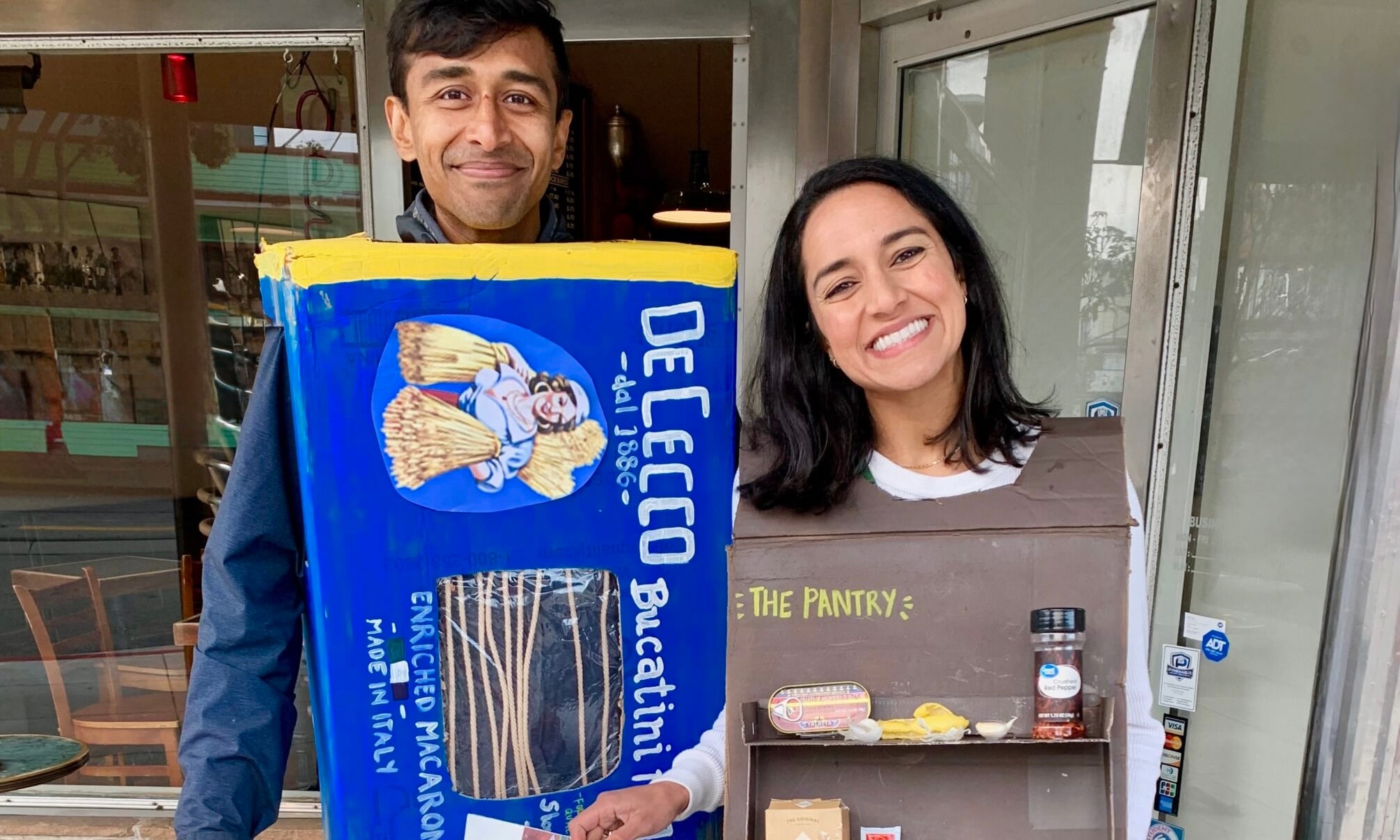
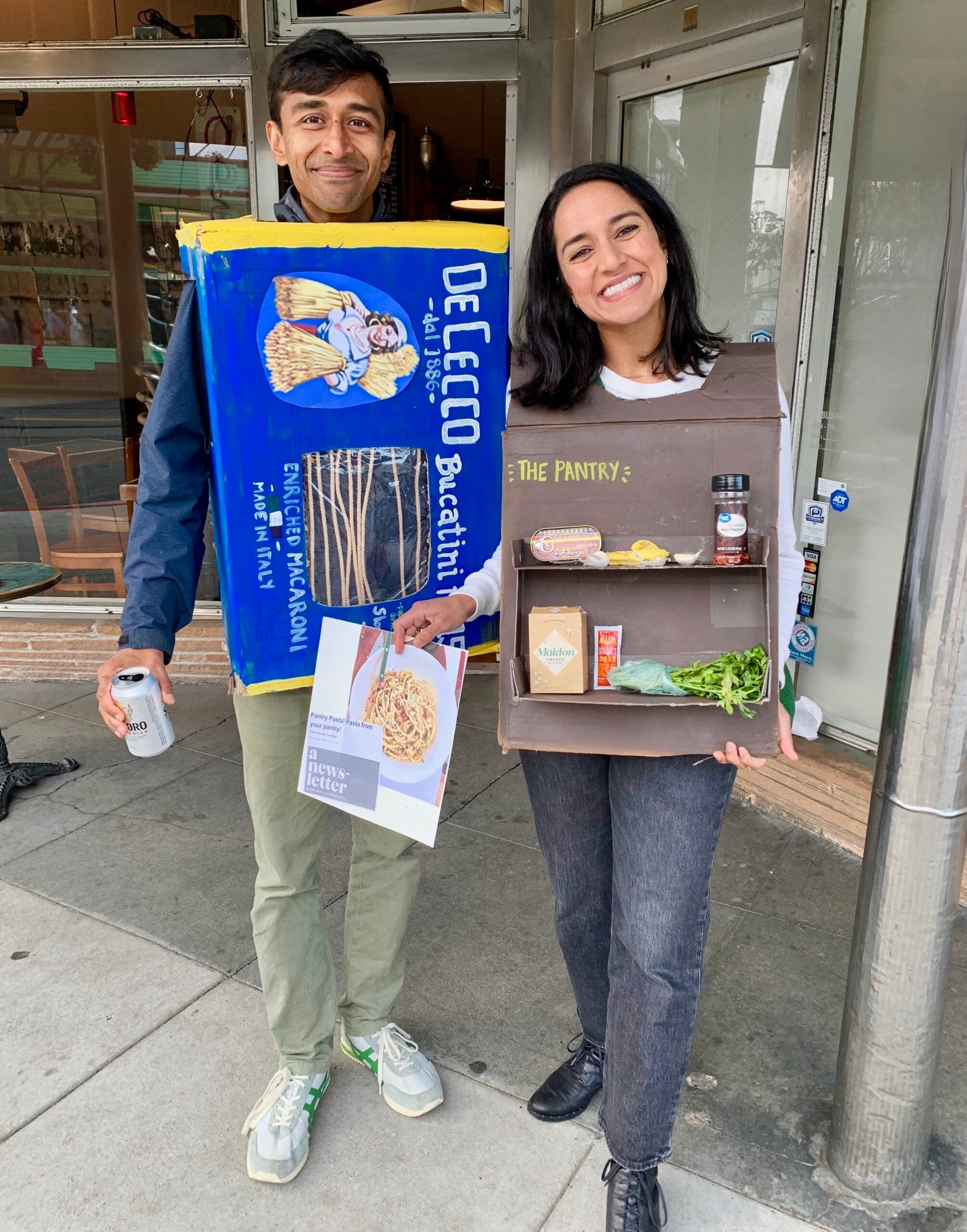
Similarly, culinary passion has frequently spilled over from the kitchen into the wardrobe department. Alissa of Berkeley, California, memorialized a peak internet cultural moment by transforming herself into a literal piece of bucatini pasta in homage to Alison Roman’s viral pantry pasta recipe. The costume served as a tribute to comfort food shared with her then-partner, Amar. The narrative reached a heartwarming milestone when Alissa reported that the relationship outlived the pasta phase: she subsequently married her bucatini.
Cinematic Precision and Deep-Cut Pop Culture
The lengths to which costumers will go to achieve accuracy often border on method acting. In the Netherlands, a reader named Loes committed entirely to the bit when dressing as Kevin McCallister from the holiday classic Home Alone. Rather than relying on a generic red sweater, Loes conducted archival-level research into the exact grocery items McCallister purchases in the film’s iconic store scene. Sourcing the precise items from local pantries and supermarkets, Loes even calculated the exact monetary amount Kevin required to pay the cashier—complete with pocket change ready to deliver the immortal line: "Keep the change, ya filthy animal!"
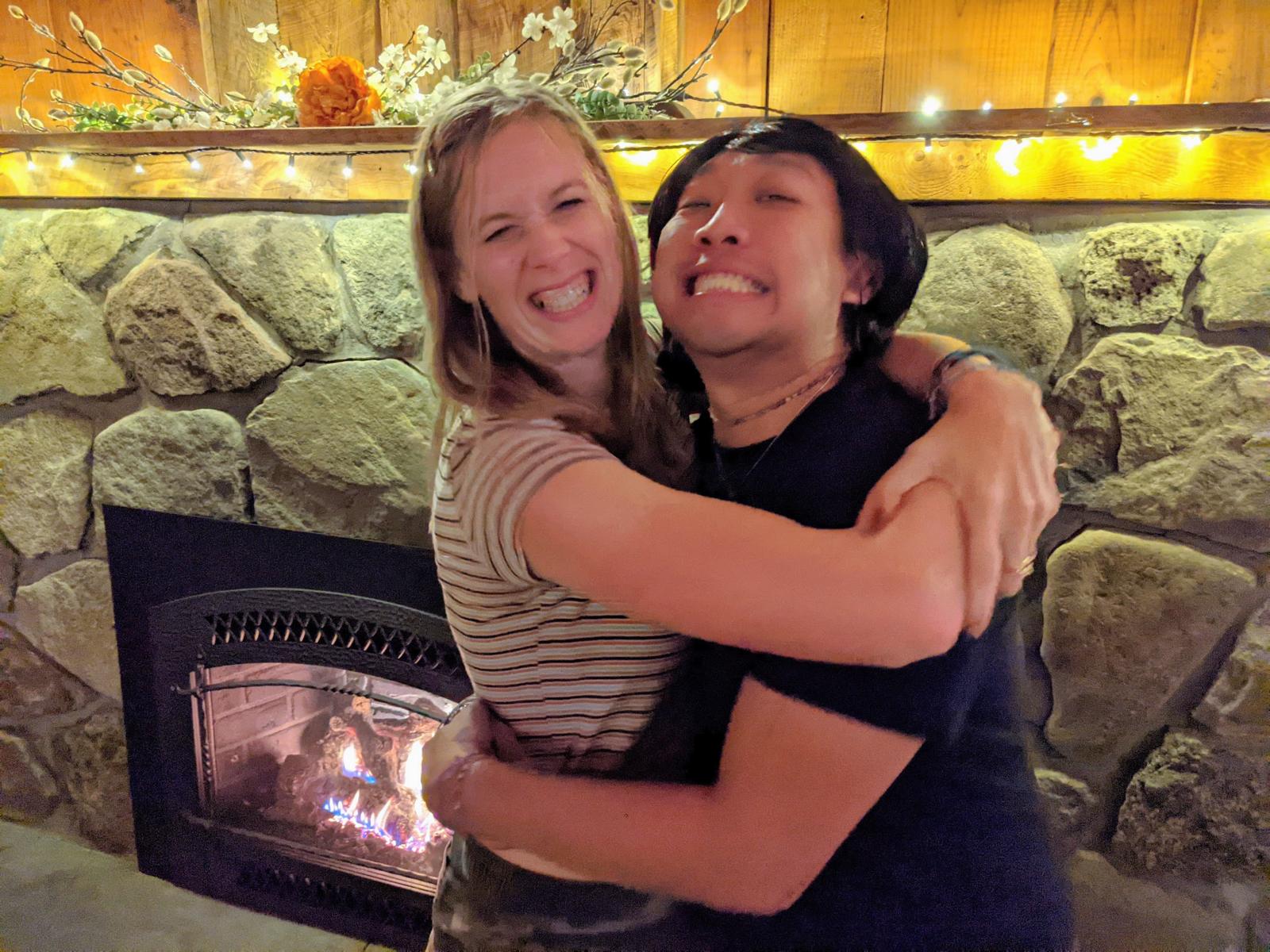
Meanwhile, Emily of Chicago channeled her inner millennial nostalgia by teaming up with her husband to recreate Anna and Maya, the socially awkward best friends from the critically acclaimed comedy series Pen15. Armed with the show’s signature Tommy Hilfiger t-shirt, matching friendship necklaces, and an unwavering commitment to awkward dance-floor posing, the couple captured an aesthetic that resonated deeply with fellow partygoers.
Official Statements & Community Reflections
The psychological reward of a well-executed, highly specific costume often manifests in unexpected interactions long after the holiday has passed.
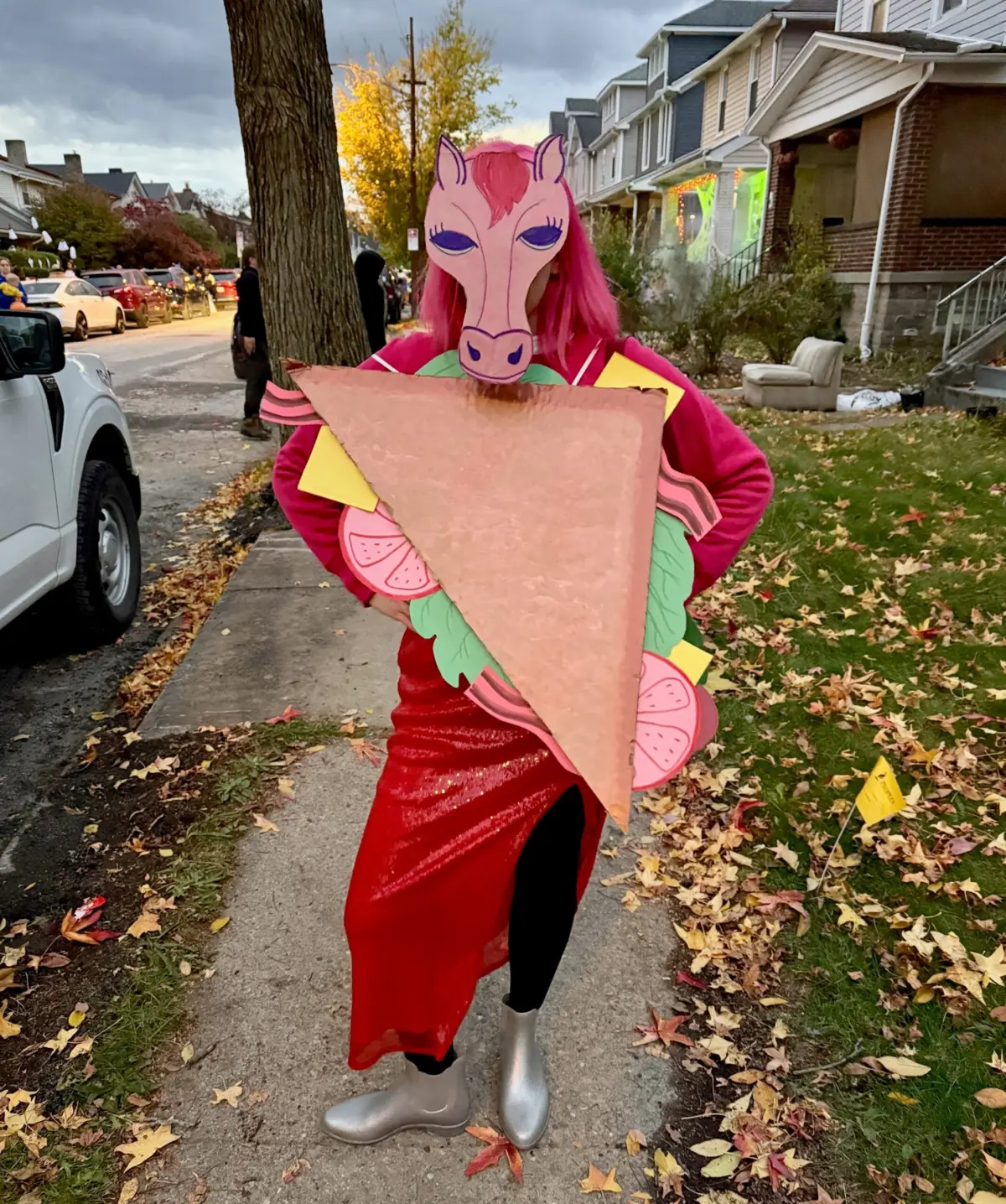
- The Power of Puns: For Emily O. of Pittsburgh, the joy of costuming lies in obscurity and wordplay. Dressing up as the literal interpretation of "Pink Pony Club," she embraced the fact that her costume routinely sailed over most people’s heads. "No one ever gets my costumes," she noted, "and honestly, that’s part of the fun for me."
- Multigenerational Appeal: Family dynamics frequently elevate group costumes into theatrical productions. Vivian of St. Catharines, Ontario, coordinated a cohesive dessert theme with her household: her oldest child and she served as ice cream cones, her husband anchored the look as the foundational scoop, and their youngest child proudly wore the crown as the cherry on top.
- Local Legend Status: Few costumes achieve the mythic status reported by Kathleen of Seattle. A self-professed devotee of Nerds Gummy Clusters—to the point where friends and family regularly text her flavor updates—Kathleen engineered a bespoke Gummy Cluster costume. The true validation came weeks later while she was volunteering at a local school cafeteria. A small child tapped her on the leg and whispered the ultimate question: "Were you the Nerd Cluster last Halloween?" Reflecting on the encounter, Kathleen admitted, "I’ve never felt more famous in my life!"
Future Outlook
As the boundaries between digital subcultures, high fashion, and everyday humor continue to blur, the trajectory of modern Halloween costuming points steadily toward hyper-specificity and craft. The days of uninspired, last-minute plastic masks are rapidly giving way to community-driven collaborations, viral recipe tributes, and deeply nostalgic deep-cuts.
Whether participants are spending weeks at corporate offices designing award-winning bar-winning props or meticulously calculating the grocery budget of 1990s fictional children, the collective enthusiasm proves that the heart of Halloween lies not in the retail price of an outfit, but in the narrative and community connection behind it. As publishers and readers alike look toward future Halloweens, the bar has officially been set high—leaving participants to ponder what new culinary trends, obscure television characters, and elaborate puns will grace the streets next October.