

Executive Overview
In a development that could reshape the therapeutic landscape for chronic metabolic conditions, researchers at Michigan Medicine have successfully reversed metabolic dysfunction-associated steatohepatitis (MASH)—a severe, progressive form of fatty liver disease—using an experimental compound that targets an unexpected anatomical frontier: the gastrointestinal tract.
The novel drug, designated DT-109, operates via a mechanism that bridges gut microbiology and hepatology. Rather than directly attacking hepatic tissue, the glycine-based tripeptide intervenes upstream within the digestive system. By selectively reducing populations of harmful gut bacteria, lowering intestinal ammonia production, and fortifying the gut epithelial barrier, DT-109 successfully halts the systemic cascade of inflammation that drives liver degradation.
Published in The Journal of Clinical Investigation, the preclinical findings demonstrate successful disease reversal in both murine models and nonhuman primates. MASH currently affects approximately 7% of the global population, frequently advancing to debilitating cirrhosis, liver failure, and hepatocellular carcinoma. With therapeutic options remaining critically limited in contemporary clinical practice, the advent of a gut-centric pharmacological intervention marks a paradigm shift in how medical science conceptualizes and treats multi-organ metabolic disorders.
Detailed Chronology & Scientific Mechanism: How the Gut Drives Hepatic Destruction
To understand the magnitude of the Michigan Medicine discovery, one must trace the intricate biochemical pathway known as the gut-liver axis. The physiological link between the gastrointestinal tract and the liver is direct; nutrient-rich, and occasionally toxin-laden, blood flows from the intestines straight to the liver via the portal vein. This anatomical reality makes hepatic health profoundly vulnerable to fluctuations in the gut microbiome and the integrity of the intestinal lining.
The Pathogenic Cascade: From Microbes to MASH
Prior to testing DT-109, the research team—led by senior author Dr. Eugene Chen—set out to isolate the precise microbial triggers responsible for accelerating MASH. Their investigations zeroed in on an abnormal proliferation of Clostridium perfringens, a pathogenic bacterium notorious for its high levels of ammonia production inside the human and animal gut.
- Ammonia Overproduction: As Clostridium perfringens multiplies, it floods the intestinal lumen with excess ammonia.
- Epithelial Barrier Degradation: Elevated concentrations of ammonia erode the delicate tight junctions of the gut epithelial barrier. This layer normally acts as a selective gatekeeper, retaining toxins within the digestive tract while permitting nutrient absorption.
- Systemic Translocation: With the intestinal barrier compromised, toxic microbial byproducts, endotoxins, and metabolic waste slip out of the gut and enter the systemic circulation, making a direct line for the liver.
- Immune Hyperactivation: Upon arriving in the hepatic tissue, these translocated microbial components provoke an aggressive inflammatory immune response. This includes the pathological overactivation of CD8+ T cells—immune cells that, while designed to destroy infected cells, turn hyperactive and accelerate tissue scarring, steatosis, and cellular death characteristic of MASH.
The Pharmacological Intervention of DT-109
Faced with this complex chain reaction, the Michigan Medicine team evaluated DT-109, a small molecule composed of three amino acids (a tripeptide).
When administered in animal models, DT-109 systematically interrupted the pathogenic cycle:
- Microbial Suppression: The compound measurably reduced the population density of Clostridium perfringens in the intestines.
- Ammonia Reduction: By suppressing these target bacteria, intestinal ammonia levels plummeted.
- Barrier Restoration: With ammonia levels controlled, the gut epithelial lining repaired itself, successfully blocking the systemic migration of pro-inflammatory microbial products into the bloodstream.
- Hepatic Relief: Shielded from the continuous influx of microbial toxins, the liver experienced a profound reduction in inflammation, paving the way for the actual reversal of MASH pathology.
Crucially, these results were replicated in nonhuman primates. Because non-human primate gut microbiomes and hepatic architectures closely mirror human physiology, this phase of the study served as a vital bridge toward future clinical applications.
Supporting Context & Metrics: The Scale of MASH and Broader Therapeutic Horizons
The Global Burden of MASH
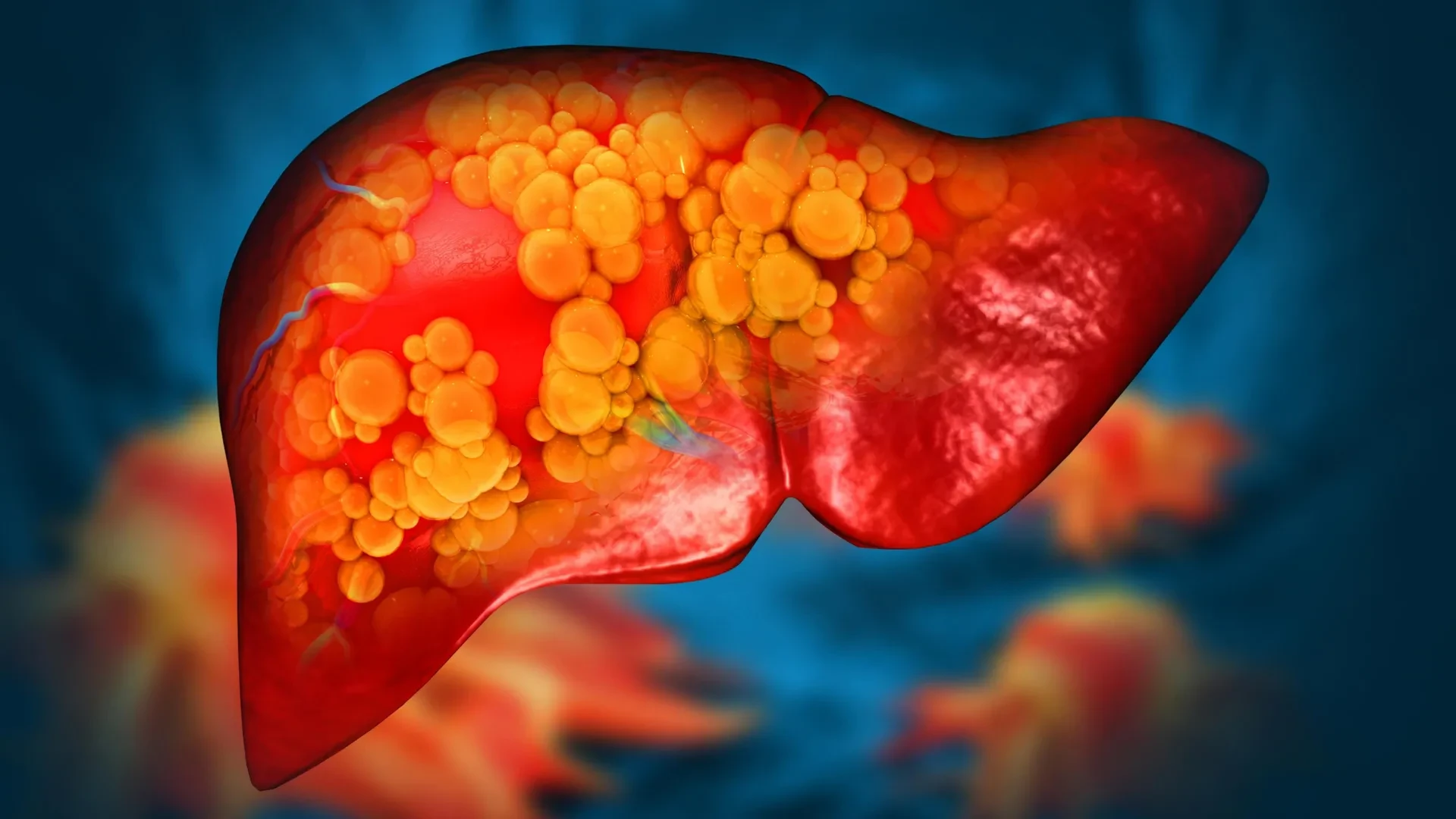
Metabolic dysfunction-associated steatohepatitis is far more than simple fat accumulation in the liver. It represents the inflammatory, damaging extreme of non-alcoholic fatty liver disease (NAFLD).
- Prevalence: Approximately 7% of the entire human population currently lives with MASH.
- Disease Progression: Excess fat accumulation triggers chronic inflammation and cellular destruction. Over time, this chronic trauma prompts fibrotic scarring, ultimately threatening patients with cirrhosis, end-stage liver failure, and liver cancer.
- Treatment Gap: While medical therapies have advanced marginally in recent years, physicians still lack universally effective, safe, and easily manageable pharmacological options to reverse advanced tissue damage.
Beyond the Liver: Cardiovascular and Systemic Implications
Because metabolic disorders rarely confine their damage to a single organ, researchers evaluated DT-109 for secondary therapeutic targets. The results suggest the drug’s gut-repairing properties have systemic reach.
Previous investigations by the Michigan Medicine team demonstrated that DT-109 successfully reduces the formation of atherosclerotic plaques—fatty deposits that clog artery walls and choke blood flow—and prevents vascular calcification in nonhuman primates. Vascular calcification hardens blood vessels, sharply escalating cardiovascular risk.
Furthermore, because intestinal barrier dysfunction is a hallmark of numerous gastrointestinal pathologies, researchers are casting their gaze toward inflammatory bowel disease (IBD), a chronic classification that includes Crohn’s disease and ulcerative colitis. While additional studies are mandatory to confirm efficacy in these arenas, a drug capable of fortifying the intestinal wall holds innate promise for a wide spectrum of inflammatory and metabolic illnesses.
Official Statements & Expert Perspectives
The breakthrough has generated substantial enthusiasm within the academic and medical communities, underscoring both the novelty of the science and the caution required before human translation.
"We see clear evidence that DT-109 protects the gut epithelial barrier, reducing the systemic influx of harmful microbial products that are thought to contribute to MASH development and progression. This compound shows benefits to the gastrointestinal system and has great potential as a treatment for MASH."
— Dr. Eugene J. Chen, M.D., Ph.D., Senior Author, Frederick G. L. Huetwell Professor of Cardiovascular Medicine, University of Michigan Medical School.
Dr. Chen’s sentiments were echoed by co-author and research professor Dr. Jifeng Zhang, Ph.D., who emphasized the elegance of exploiting the gut-liver axis:
"DT-109 connects microbiota modulation with liver protection by restoring gut barrier integrity and limiting the systemic translocation of ammonia and other pro-inflammatory microbial products within the gut-liver axis. We also found that DT-109 primarily acts in the gastrointestinal tract, but its reach stretches much further."
Clinical perspectives from hepatology stress the urgent medical need this discovery addresses. Dr. Elliot Tapper, M.D., Academic Director of Hepatology at Michigan Medicine, highlighted the clinical significance of the findings:
"This study presents novel evidence about the pathogenesis of MASH and provides excitement about a therapeutic avenue to explore for a condition that remains difficult to treat. What patients with MASH need is a safe and effective therapy capable of improving their liver and heart health—of course we are excited about these developments."
Future Outlook & Path to Clinical Trials
Despite the overwhelmingly positive preclinical data, rigorous hurdles remain before DT-109 can be prescribed in a clinical setting.
Moving from Animals to Humans
Thus far, DT-109’s capacity to reverse MASH has been proven strictly within animal models (mice and nonhuman primates). The absolute safety, pharmacokinetics, optimal dosing, and clinical efficacy in human patients remain unproven.
Michigan Medicine researchers, alongside commercial partners, are actively preparing the groundwork for the next phase of development: human clinical trials. These initial trials will be designed to evaluate human tolerance, monitor potential side effects, and confirm whether the gut-restorative and liver-healing properties observed in animal subjects translate successfully to human metabolic profiles.
Commercialization and Intellectual Property
The path from academic discovery to commercial medicine involves intricate institutional frameworks. University of Michigan researchers Ying Zhao, Oren Rom, Jifeng Zhang, and Y. Eugene Chen are officially listed as inventors on a pending patent application titled "Tripeptides and treatment of metabolic, cardiovascular, and inflammatory disorders."
Dr. Chen and the University of Michigan hold the intellectual property rights for DT-109, which has been formally licensed to Diapin Therapeutics. Diapin supplied the experimental compound used in the latest studies and retains primary responsibility for steering the drug through upcoming development pipelines.
A Paradigm Shift in Hepatology
If human trials validate the animal findings, DT-109 could fundamentally alter how clinicians manage metabolic diseases. By looking past the liver itself and focusing instead on restoring microbial balance and repairing the intestinal wall, modern medicine may soon possess an entirely new class of drugs capable of healing visceral organs from the outside in.