

Executive Overview
Leisure has never been more vital—or more expensive. According to recent data from Gallup, an increasing majority of Americans view their personal hobbies and recreational activities as "extremely" or "very important" to their daily well-being, marking a notable cultural shift from two decades ago. Yet, as our psychological reliance on leisure deepens, the financial architecture supporting it is undergoing a profound transformation.
A comprehensive new analysis from the Bank of America Institute highlights a striking 7.9% year-over-year surge in hobby spending. Crucially, this expenditure growth is outpacing transaction frequency by more than two to one, pointing to the expanding footprint of "funflation"—the post-pandemic economic phenomenon characterized by surging prices for leisure, entertainment, and experiential goods.
Far from being a uniform trend, how we fund our pastimes varies wildly across generational lines. While Baby Boomers and Generation X maintain steady, robust investments in their personal interests, older Millennials have emerged as the unexpected heavyweights of the hobby economy, driven largely by the dual costs of personal pursuits and their children’s extracurriculars. Meanwhile, Gen Z and younger Millennials are navigating financial constraints by carving out more modest budgets for leisure.
Beyond personal fulfillment and budgetary pressures, the modern hobby economy is increasingly acting as an incubator for entrepreneurship. Millions of Americans who picked up pastimes during pandemic-era lockdowns have successfully converted those outlets into lucrative side hustles and post-retirement enterprises, proving that the pursuit of leisure can double as a powerful economic engine.
Detailed Chronology: The Evolution of Modern Leisure and the Birth of ‘Funflation’
To understand where the hobby economy stands today, it is necessary to trace how global disruptions, cultural shifts, and economic inflation have reshaped the value we place on free time.
The Pandemic Catalyst (2020–2021)
When global lockdowns brought standard routines to a grinding halt in early 2020, populations worldwide were forced indoors with unprecedented amounts of unstructured time. Boredom, isolation, and stress catalyzed a massive wave of domestic creativity and skill acquisition. According to a landmark study by LendingTree, nearly 60% of Americans picked up a brand-new hobby during the initial phases of the COVID-19 pandemic.
Baking, gardening, painting, digital design, and home brewing rapidly evolved from idle pastimes into essential coping mechanisms. Crucially, this period broke down the mental barrier between personal time and economic productivity. Approximately half of those who picked up a new hobby during quarantine ultimately sought ways to monetize it, laying the groundwork for the modern side-hustle boom.
The Post-Pandemic Rebound and the Revenge of Experience (2022–2024)
As societal restrictions lifted, the collective psyche shifted toward what economists termed "revenge spending"—a desperate, compensatory push to make up for lost time, canceled milestones, and isolated months. Consumers flooded back into the experiential market, driving up demand for travel, concerts, artisanal crafts, and outdoor recreation.
However, this surge in demand met a crippled global supply chain, persistent labor shortages, and stubborn macroeconomic inflation. The result was the coining of a new economic descriptor: funflation. Prices for recreational equipment, hobby supplies, and experiential classes climbed far faster than baseline consumer price indices, forcing consumers to pay a steep premium for joy.
The Contemporary Landscape (2025–2026)
By late 2026, the data captured by the Bank of America Institute’s credit card tracking reveals a stabilized yet highly inflationary hobby landscape. Total hobby spending jumped 7.9% year-over-year by August, but the growth in actual transaction counts lagged far behind. This divergence proves that consumers are not necessarily partaking in more activities; rather, they are absorbing significantly higher costs per activity. Whether it is premium pricing for specialized craft supplies, higher entry fees for recreational venues, or inflated equipment costs, pursuing a passion has simply become more expensive.
Supporting Context & Metrics: The Generational Hobby Divide
The economic burden and financial prioritization of leisure are far from homogenous. Bank of America Institute’s granular examination of consumer credit card data illuminates stark generational disparities in how different age brackets allocate their disposable income toward fun.
1. Older Millennials: The Heavyweights of Household Recreation
- Average Monthly Spend: Nearly $220 per person
- Behavioral Drivers: Family integration, premium material investments, and parental subsidization.
At the top of the generational spending hierarchy sit older Millennials. Edging out both Gen X and Baby Boomers, this cohort invests nearly $220 per individual each month into the hobby economy. Financial analysts attribute this leadership position primarily to life-stage dynamics. Older Millennials are not only funding their own adult pastimes—such as cycling, digital creation, gourmet cooking, and fitness tech—but they are also frequently bankrolling their children’s extracurricular activities, sports leagues, and creative lessons.
2. Baby Boomers and Generation X: The Consistent Enthusiasts
- Average Monthly Spend: Over $200 per person (Boomers); comparable parity (Gen X)
- Behavioral Drivers: Established disposable income, retirement transition hobbies, and specialized equipment upgrades.
Baby Boomers continue to punch well above their weight when it comes to leisure investment, committing upwards of $200 per month to their hobbies. Having reached retirement age or approaching it rapidly, Boomers view hobbies as a critical cornerstone of physical and mental health. Their spending is typically concentrated in high-end equipment—such as golf, woodworking, specialized travel, and photography gear. Generation X matches this steady commitment, maintaining stable spending habits that reflect peak earning years and entrenched lifestyle pastimes.
3. Younger Millennials and Generation Z: The Budget-Conscious Explorers
- Average Monthly Spend: Just over $140 (Younger Millennials); around $100 (Gen Z)
- Behavioral Drivers: Digital-first pastimes, affordability prioritization, and economic caution.
At the more conservative end of the spectrum, younger Millennials average just over $140 per month on hobbies, while Gen Z consumers sit closer to the $100 mark. Facing macroeconomic headwinds, high housing costs, student loan burdens, and the very real pressures of entry-level career building, younger demographics are naturally more selective with their discretionary funds. Consequently, Gen Z leans heavily into digital-first, low-cost, or community-based hobbies that offer high engagement with minimal capital investment—such as gaming, content creation, thrift-flip fashion, and running clubs.
Official Statements and Industry Insights
Economic analysts and business leaders tracking these consumer trends emphasize that the shift toward valuing hobbies is not merely a temporary phase, but a structural change in modern lifestyle priorities.
In commentary accompanying the Bank of America Institute findings, senior researchers noted that the persistence of funflation highlights consumers’ deep psychological attachment to their free time. "When people face economic uncertainty or burnout, they do not cut out joy entirely; they protect it, even if it means absorbing higher costs," financial analysts observed.
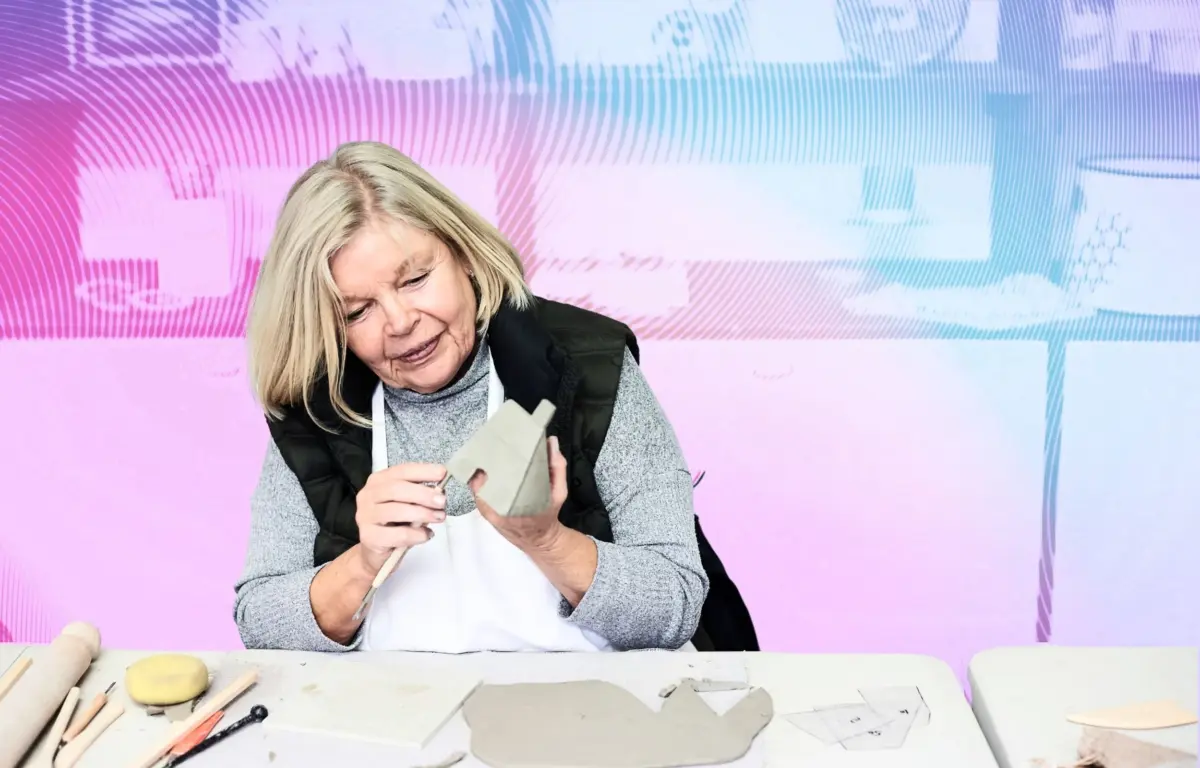
This sentiment is echoed on the ground by entrepreneurs who have successfully commercialized their creative outlets. Anna Hudick, an engineer who formally retired at age 58 before transforming her jewelry-making hobby into a thriving business, points out that the modern consumer views a hobby as an essential sanctuary from professional stress.
"They’re coming in after work, stressed, and they have two hours where they aren’t tied to their phone or email," Hudick shared in an interview with Entrepreneur. "They just relax. Then by the time they’re done, they’re so happy with what they’ve made. It’s really fulfilling."
Hudick’s studio model—which charges between $65 and $75 per person for hands-on craft classes—captures the exact intersection of the hobby economy and experiential retail. Consumers are increasingly willing to pay for guided environments that detach them from digital burnout, feeding into the exact inflationary trend observed by macro-economists.
Future Outlook: Navigating the Future of the Hobby Economy
As we look toward the remainder of the decade, several critical trajectories will define the intersection of leisure, finance, and commerce:
The Resilience of Experiential Spending
Despite ongoing inflationary pressures, the cultural elevation of hobbies—bolstered by Gallup data showing a long-term rise in the perceived importance of recreational activities—suggests that funflation is unlikely to crush consumer demand. Instead, consumers will likely continue to practice strategic budgeting, trimming other areas of discretionary expenditure (such as fast-casual dining or traditional retail shopping) to safeguard their dedicated hobby budgets.
The Side-Hustle Economy Maturation
The porous boundary between leisure and entrepreneurship will continue to widen. As platforms for e-commerce, digital marketing, and micro-education become more accessible, hobbyists will increasingly look to monetize their pastimes to offset the very costs associated with funflation. What begins as a weekend stress-relief outlet will increasingly graduate into structured micro-businesses, particularly among older adults entering phased retirement and younger generations seeking diversified income streams.
Generational Shifts in Leisure Commerce
Businesses catering to the hobby economy must adapt to a fractured demographic landscape. Brands targeting older Millennials and Boomers can successfully lean into premium pricing models, high-end hardware, and family-inclusive packages. Conversely, enterprises marketing to Gen Z and younger Millennials will find success by lowering barriers to entry, offering digital community integrations, and providing scalable subscription models that deliver high value without breaking tight monthly budgets.
Ultimately, the modern hobby economy serves as a mirror to our collective state of mind. We are working harder, living through faster technological cycles, and facing persistent economic frictions—yet our commitment to carving out space for joy remains unshakeable. Whether spending $100 or $220 a month, Americans have made it abundantly clear: fun is no longer a frivolous afterthought; it is an essential line item in the modern budget.