

Executive Overview
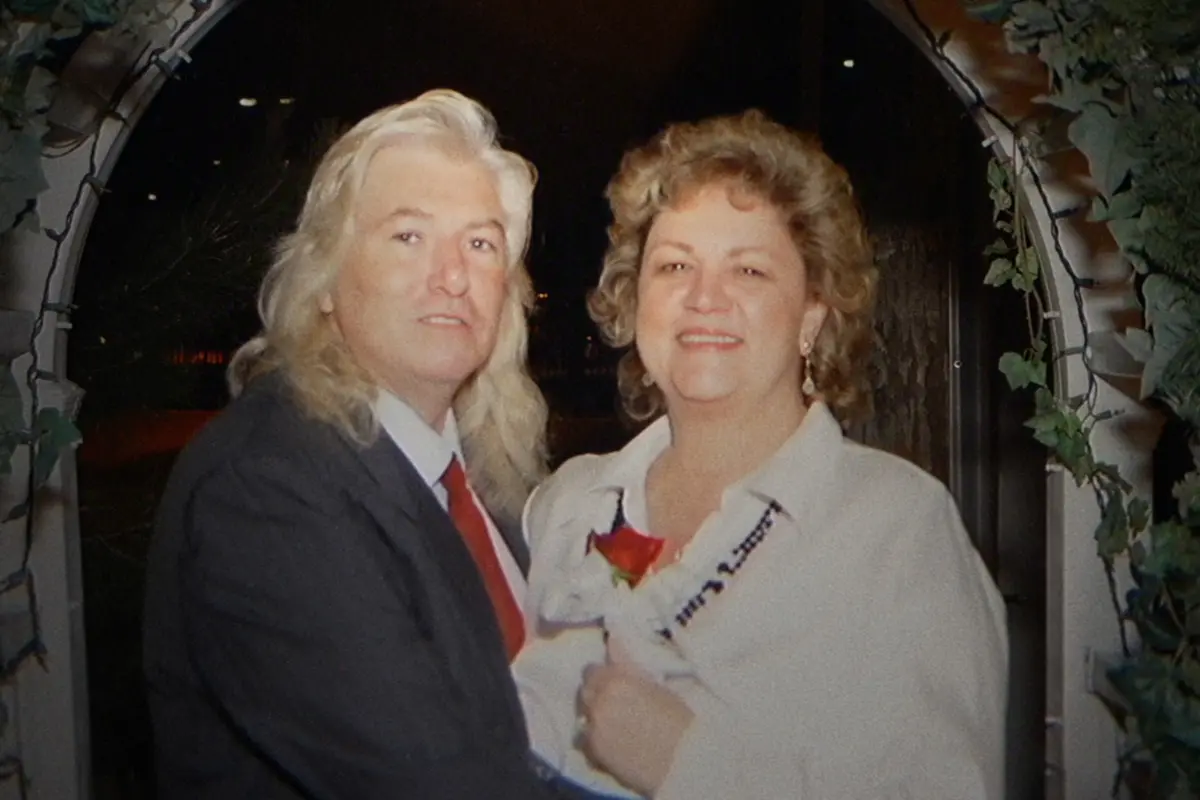
For nearly thirty years, Thomas Randolph operated in plain sight, weaving a complex web of matrimonial arrangements, lucrative insurance policies, and tragic, untimely deaths. Dubbed "The Black Widower" by the press, Randolph’s grim saga culminated in a labyrinthine legal battle that spanned two decades, gripping the American true-crime consciousness. The chilling case is the focal point of Netflix’s true-crime documentary The Widower: ’Til Death Do Us Part, directed by acclaimed filmmaker Chris Smith.
The documentary lays bare the meticulous, harrowing multi-jurisdictional investigation required to dismantle Randolph’s calculated facade. It tracks a timeline that began with suspicious fatalities in the 1980s and stretched across multiple states, ultimately ending in a Las Vegas courtroom where justice finally caught up with a man whom seasoned investigators describe as one of the most calculating defendants in modern legal history.
Through exclusive interviews, crime scene evidence, and legal records, the narrative exposes how systemic loopholes, legal technicalities, and Randolph’s chilling psychological manipulation allowed a suspected serial predator to continuously evade accountability—until a coalition of relentless detectives, grieving family members, and investigative journalists tipped the scales.
Detailed Chronology: A Trail of Tragedies
The Las Vegas Awakening (May 2008)
The final chapter of Randolph’s alleged reign of terror began on May 9, 2008. First responders in Las Vegas, Nevada, received a frantic and convoluted 9-1-1 call from 53-year-old Thomas Randolph. He reported returning home from dinner with his wife, 57-year-old Sharon Causse, to find a masked intruder inside their residence.
According to Randolph’s initial statements, Causse had entered the house first. When Randolph walked in, he claimed he found his wife shot to death on the floor and a ski-masked assailant holding a gun. Acting instinctively, Randolph stated he retrieved his own firearm and opened fire, striking the intruder in the head. The intruder was later identified as Michael Miller, the couple’s handyman.
What initially appeared to be an open-and-shut case of home-invasion self-defense quickly unraveled under the scrutiny of the Las Vegas Metro Police Department (LVMPD). Lead investigator Detective Dean O’Kelley noted immediate discrepancies between Randolph’s dynamic retelling of the events and the physical layout of the crime scene.
The Crime Scene Contradictions
As investigators examined the evidence, the timeline and mechanics of the shooting refused to align with Randolph’s narrative:

- The Escape Route: Randolph claimed he fired at Miller as the handyman ran toward the garage door. However, detectives noted that the home’s architecture made the back door a far more logical and direct escape route for an intruder.
- The Ski Mask Anomaly: Miller was shot squarely in the forehead, yet the ski mask he was allegedly wearing was recovered on the garage floor completely free of blood, tissue, or bullet holes.
- Ballistics and Casings: During a filmed police reenactment, Randolph acted out retrieving his weapon and firing down the hallway where Causse lay. However, ballistics recovered only a single bullet casing in the hallway; the vast majority of gunpowder residue, spent casings, and bullet impacts were concentrated in the garage.
- The 9-1-1 Delay: Phone records revealed an agonizing delay of nearly 11 minutes between the time of the shooting and Randolph’s call to emergency services. Furthermore, audio recordings captured Randolph aggressively disregarding paramedic instructions, aggressively performing chest compressions on Causse even after being ordered to leave the body undisturbed.
Unraveling the Past: The Shadow of Prior Wives
As detectives dug deeper into Randolph’s background, they uncovered a startling revelation: Sharon Causse was not his first wife to die under mysterious circumstances. In fact, she was one of several women in his life to meet a premature and lucrative end.
- Kathy Thomas (1975): Randolph’s first wife, married when she was 18 and he was 20, described a terrifying, highly controlling relationship before she fled and married their mutual friend, Steve Thomas. Steve later reported that Randolph had repeatedly floated hypothetical questions regarding whether he would ever kill someone for money.
- Beckie Gault (1983): Married just one day after his divorce from Kathy was finalized, Gault’s relationship with Randolph was defined by extreme volatility. Gault told her family she feared for her life and intended to leave him. Shortly thereafter, she died from a gunshot wound ruled a suicide. Investigators later discovered Randolph had taken out three massive life insurance policies on her totaling nearly half a million dollars. Former friend Eric Tarantino confessed that Randolph had previously offered him $10,000 to orchestrate Gault’s murder, leading to witness-tampering charges after Randolph allegedly attempted to orchestrate a hit on Tarantino from jail.
- Leona Stapleton (1994) & Gayna Allmon (1996): Stapleton died of cancer following their divorce, while Allmon fled the marriage after discovering Randolph’s criminal background and surviving a terrifying "accidental" gun discharge in their home—incidentally, after Randolph had secured an insurance policy on her life.
- Frances Randolph (1997): Living in Indiana, Frances died unexpectedly following elective heart surgery—a procedure her family claims Randolph hand-selected the physician for. Randolph subsequently collected insurance payouts and settled a wrongful death malpractice suit against the hospital.
Supporting Context & Metrics
The investigation into Thomas Randolph’s multi-decade enterprise highlights staggering patterns of financial gain tied directly to marital fatalities:
| Wife | Marriage Year | Circumstance of Death / Separation | Financial / Insurance Payoff |
|---|---|---|---|
| Kathy Thomas | 1975 | Divorced; survived | N/A |
| Beckie Gault | 1983 | Died of gunshot wound (ruled suicide) | Approx. $500,000 in life insurance |
| Leona Stapleton | 1994 | Died of cancer post-divorce | Undisclosed |
| Gayna Allmon | 1996 | Fled marriage after near-fatal shooting | N/A |
| Frances Randolph | 1997 | Died post-elective surgery | Life insurance + malpractice settlement |
| Sharon Causse | 2007 | Shot and killed (2008) | Multiple policies worth ~$350,000 |
Compounding these metrics was the psychological exploitation of vulnerable systems. Randolph methodically utilized digital platforms—such as Match.com in the case of Sharon Causse—to target partners quickly, immediately entangling their finances, drafting advantageous wills, and establishing substantial life insurance safety nets within months of exchanging vows.
Official Statements and Investigative Insights
The complexities of building a watertight murder case against a legally savvy defendant required unprecedented collaboration between law enforcement and investigative media.
- Dan Slepian, Dateline Producer: Having covered the case from its inception and securing rare, exclusive interviews with Randolph, Slepian remarked to People magazine: "Randolph is the most unusual murder defendant I’ve ever covered by far. Thomas Randolph manipulated the system in a way that I’ve never seen any individual do in three decades of this work. If it wasn’t for people like Dean [O’Kelley] and Colleen [Beyers], Thomas Randolph would be free today."
- Detective Dean O’Kelley, LVMPD: Reflecting on the initial days of the Causse murder investigation, O’Kelley noted in the Netflix documentary: "My responsibility as the lead investigator is to document the crime scene. And right out of the gate there were things that weren’t adding up… He knew how the system worked. There’s no question about that. And like everything else he did, he knew how to manipulate things too."
- Colleen Beyers, Daughter of Sharon Causse: Remembering her mother’s quiet terror and secret alterations to her will to protect her assets from Randolph, Beyers shared the profound relief of seeing accountability finally take hold after years of legal delays and setbacks.
Future Outlook and Legal Resolution
The legal trajectory of Thomas Randolph’s prosecution stands as a textbook example of the friction between circumstantial historical evidence and strict appellate standards:
- The 2017 Conviction and Death Sentence: Following years of meticulous evidence gathering, Randolph was tried and convicted in 2017 for the murders of Sharon Causse and Michael Miller, resulting in a sentence of death row.
- The 2020 Nevada Supreme Court Reversal: In a major legal setback for prosecutors and victims’ families, the Nevada Supreme Court overturned the convictions. The court ruled that jurors should not have been permitted to hear prejudicial historical testimony regarding Randolph’s past wives, specifically the Beckie Gault case and his prior prison stints.
- The 2023 Retrial and Final Verdict: Stripped of the prior-acts evidence, prosecutors built an airtight case relying strictly on the physical forensics of the 2008 double homicide. In 2023, a new jury convicted Randolph on one count of conspiracy to commit murder and two counts of murder with the use of a deadly weapon.
Current Status
Thomas Randolph is currently serving a sentence of 60 years to life at a maximum-security correctional facility in Nevada. Given his age and the severity of his sentence, legal experts and investigators agree that Randolph will almost certainly spend the remainder of his natural life behind bars.
The conclusion of the 15-year legal marathon brings a definitive close to one of the most chilling chapters in American criminal history, ensuring that "The Black Widower" can no longer manipulate the legal system or prey upon unsuspecting victims.