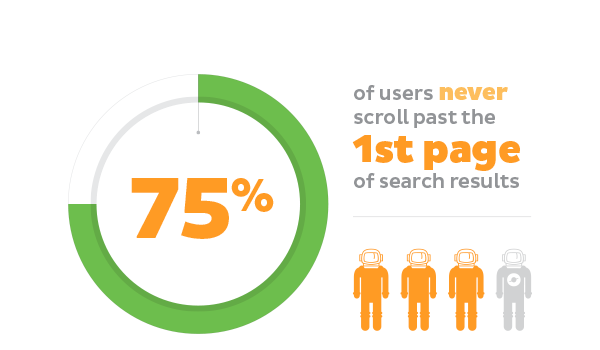
In the modern digital economy, the adage holds true: “The best place to hide a dead body is on page two of the Google search results.” With over 3.5 billion searches executed daily, Google remains the undisputed gateway to global commerce, information, and connection. Yet, staggering industry data reveals that a staggering 75% of users never venture past the first page of search engine results pages (SERPs).
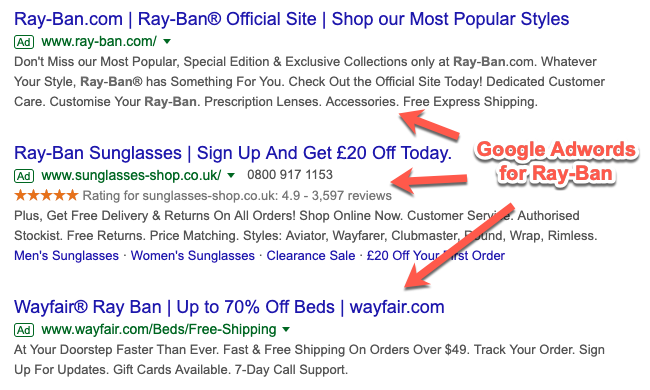
For businesses, entrepreneurs, and content creators, achieving and sustaining a first-page ranking is no longer merely a marketing objective—it is a survival metric. However, the modern SERP landscape has evolved far beyond a simple list of ten blue links. Today’s front page is a complex, hyper-competitive ecosystem crowded with Paid-Per-Click (PPC) advertisements, Local Map Packs, Featured Snippets, Knowledge Panels, and People Also Ask modules.
Navigating this intricate web requires more than basic keyword insertion; it demands a sophisticated, multi-pronged SEO architecture. This comprehensive report outlines 13 strategic methodologies—spanning quick-win optimizations, authority building, alternative positioning frameworks, and technical execution—designed to position your digital properties firmly on Google’s front page across any industry.
Detailed Chronology & Strategic Blueprint
To systematically dismantle the barriers standing between your website and page-one visibility, optimization efforts must be categorized, prioritized, and executed with precision.
Phase 1: Immediate Optimization and Asset Auditing
1. Capitalize on Existing Keyword Opportunities ("Low-Hanging Fruit")
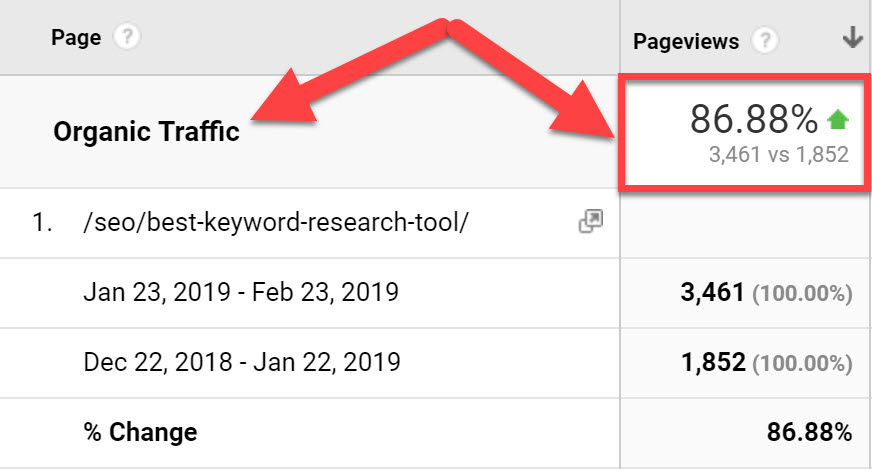
Rather than constantly manufacturing new content from scratch, mature websites often sit on a goldmine of unfulfilled ranking potential. By extracting existing organic positions that currently languish on the bottom of page one or page two (positions 6 through 20), webmasters can apply strategic content refreshes to trigger near-term traffic surges.
The Process: Export your domain’s organic keyword profile using an enterprise SEO suite like Semrush. Apply custom filters for positions 6–20, layer on minimum search volume thresholds, and narrow query lengths to three or more words.
The Execution: Prioritize bottom-of-the-funnel "money" keywords first, update outdated statistics, expand content depth to match current user intent, and watch rankings pivot upward—often within days of re-indexing.
2. Identify and Eliminate Keyword Cannibalization
Keyword cannibalization occurs when multiple pages on the same domain compete for identical search queries. Far from doubling your footprint, this internal civil war confuses search engine crawlers, splits valuable backlink authority, and ultimately suppresses both pages.
The Audit: Export organic positions and run a URL-to-keyword mapping matrix to flag overlapping targets.
The Remedy: When competing pages offer redundant value, consolidate them into a single, authoritative canonical resource and deploy a 301 redirect from the deprecated URL. If a competing page serves no distinct utility, prune it entirely.
3. Steal "Position Zero" with Featured Snippets
Ranking in the top ten is a victory, but capturing Position Zero—the coveted Featured Snippet box—steals an estimated 8.6% of clicks directly away from the traditional number-one organic result.
The Strategy: Audit your current domain rankings to identify queries where your site sits in positions 2 through 10 while a competitor holds the snippet. Structure your content explicitly to answer the target question using clean paragraphs, bulleted lists, or comparison tables directly beneath concise headers.
4. Dominate the Google Map Pack
For local businesses, organic blue links are only half the battle. The Google Map Pack commands prime real estate at the top of local-intent queries.
The Framework: According to official Google guidance, local rankings hinge on three core pillars: Relevance (how well your Business Profile matches a search), Distance (proximity to the searcher), and Prominence (offline popularity, reviews, and foundational brand authority).
Phase 2: Structural Targeting & Alternative Positioning
High-volume head terms are often dominated by entrenched legacy brands. Long-tail keywords—while possessing lower individual search volumes—represent users with laser-focused search intent and significantly higher conversion probabilities. Utilize advanced filtering within keyword tools to isolate question-based queries and competitor long-tail gaps to capture high-conversion traffic efficiently.
6. Deploy "Barnacle SEO" for Immediate Traction
When facing monoliths in travel (TripAdvisor), real estate (Zillow), or legal fields (Avvo) that completely dominate the SERPs, direct competition is mathematically unviable for emerging brands.
The Solution: Barnacle SEO involves attaching your brand directly to these high-authority ecosystems. By participating in dominant forums (such as Quora), optimizing directory profiles, and contributing to established platform threads, businesses can piggyback on external domain authority to secure front-page visibility instantly.
7. Leverage "Parasite SEO" for Ultra-Competitive Markets
Similar to Barnacle SEO, Parasite (or Tenant) SEO involves publishing comprehensive content directly on high-authority third-party publications or media platforms rather than your own domain. By securing guest features, expert contributions, or product listings on trusted sites that already rank for hyper-competitive "money" keywords, brands can bypass years of slow link-building and siphon targeted referral traffic immediately.
A catastrophic mistake in modern SEO is targeting a keyword with the wrong content format. If Google’s front page for a query consists exclusively of long-form listicles, attempting to rank an individual product page or static landing page will fail regardless of backlink volume. Always audit the SERP manually before writing a single word to determine whether users expect a how-to guide, a product category grid, an analytical review, or video media.
9. Rigorously Qualify Link Signals via SERP Analysis
Authority metrics tell a decisive story. Industry studies indicate that page-level backlink metrics (Referring Domains and Page Authority Score) correlate more heavily with top rankings than domain-wide metrics alone. Before targeting a keyword, analyze the top-ranking URLs. If competitors boast hundreds of referring domains while your target page has zero, unseat them only by identifying glaring gaps in topical depth or content quality.
10. Build Page-Level Authority to Outrank Competitors
To break into the top tier, you must systematically construct a robust page-level link profile:
Competitor Backlink Replication: Filter competing backlink profiles for high-quality, text-based follow links and pitch your superior asset as a replacement resource.
Recurring Link Source Mining: Identify domains that repeatedly link to multiple competitors, indicating an active interest in your niche.
Internal Linking Architecture: Direct link equity from your site’s most powerful, existing high-authority pages downward to newly published assets to accelerate their crawl priority and rank progression.
11. Expand Your Organic Footprint (Semantic Expansion)
A single high-performing asset can rank for thousands of secondary, semantic, and long-tail variations. By conducting comprehensive keyword gap and thematic grouping analyses using tools like the Keyword Magic Tool, content creators can weave related secondary terms into existing articles, transforming a single page into an expansive organic traffic engine.
Phase 4: Technical Execution & Paid Acceleration
12. Embrace an Absolute Mobile-First Mindset
With mobile devices commanding over 50% of global web traffic, Google relies exclusively on Mobile-First Indexing. A slow, non-responsive, or poorly formatted mobile experience will actively suppress your rankings across both mobile and desktop environments. Rigorously audit site architecture using Google’s Mobile-Friendly Test and PageSpeed Insights to eliminate latency and usability bottlenecks.
13. "Pay to Play" via Paid Search and Aggregators
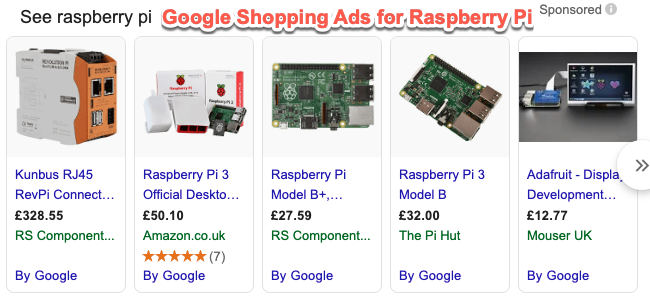
When organic growth timelines cannot meet immediate business revenue requirements, paid acquisition bridges the gap. By deploying targeted Google Ads, bidding on proven competitor search terms, and purchasing premium placement on high-ranking industry review sites (such as G2 or Avvo), organizations can secure top-of-page visibility instantaneously while long-term organic strategies mature behind the scenes.
Supporting Context & Metrics
To contextualize the monumental impact of first-page optimization, consider the macro-level data driving modern search behavior:
Metric Indicator
Industry Benchmark / Finding
Primary Source
Daily Search Volume
> 3.5 billion searches executed daily
HubSpot / Google Analytics
SERP Engagement Drop-off
75% of users never scroll past Page 1
Search Engine Journal / Moz
Featured Snippet CTR Impact
Position #0 steals ~8.6% of clicks from Position #1
Ahrefs Industry Study
Mobile Search Dominance
> 57% of organic traffic originates on mobile devices
ComScore / Industry Metrics
As demonstrated by the data, visibility on page one is binary: you are either capturing active customer intent, or you are entirely invisible to your target demographic.
Official Industry Statements
Prominent search authorities continue to emphasize the shifting nature of search intent and content relevance. Industry analysts frequently reiterate:
"The best place to hide a dead body is page 2 of the Google search results. You need to rank on the first page of Google to stand a fighting chance of reaching modern readers."
— Brian Clark, Founder of Copyblogger
Furthermore, algorithmic updates over recent years have doubled down on user satisfaction, technical performance, and contextual relevance. Google’s search quality guidelines continuously stress that content must satisfy the nuanced, multi-layered intent behind a query—forcing marketers to move past keyword stuffing and embrace comprehensive, user-centric information architecture.
Future Outlook
As artificial intelligence and generative search experiences (such as Google’s Search Generative Experience – SGE) fundamentally reshape the digital horizon, the mechanics of securing attention on the SERP will continue to evolve. Traditional ten-blue-link layouts are increasingly being supplemented by conversational AI summaries and rich media carousels.
However, the foundational laws of search engine optimization remain absolute: authoritative content, robust link profiles, pristine technical performance, and strict alignment with user search intent will always dictate visibility. By executing the 13 strategic methodologies outlined in this report—ranging from immediate quick-win optimizations and technical remediation to advanced authority building—webmasters can future-proof their digital footprints, bypass algorithmic volatility, and secure a permanent, revenue-generating home on Google’s first page.