

Executive Overview
Moz has long stood as a foundational pillar in the search engine optimization (SEO) industry. Offering a comprehensive, all-in-one SEO toolset, it empowers digital marketers to execute keyword research, execute deep-dive site crawls, perform backlink audits, monitor ranking fluctuations, and manage critical local business citations. Furthermore, its iconic SEO Toolbar brings crucial domain and page metrics directly into the Search Engine Results Pages (SERPs).
Despite its storied reputation and robust utility, Moz is not a one-size-fits-all solution. Modern digital agencies, enterprise organizations, and individual content creators frequently encounter limitations that prompt them to seek out alternative software. For some users, Moz’s pricing structure can feel restrictive relative to the data limits imposed on entry-level plans, particularly regarding audit scopes and backlink report depth. Others may find themselves drawn to alternative user interfaces, specialized data architectures, or the superior granularity of standalone platforms.
This comprehensive guide investigates the leading free and paid Moz alternatives on the market. By analyzing key use cases, core feature sets, and performance benchmarks, this article provides the analytical framework necessary to select the ideal SEO software stack for your business objectives.

Detailed Chronology & Evolution of the SEO Software Market
The digital marketing landscape has undergone a radical transformation over the past decade. In the early days of search engine optimization, practitioners relied on fragmented, single-purpose tools—scraping software for rankings, rudimentary spreadsheets for keyword research, and basic web log analyzers for technical troubleshooting.

- The Rise of All-in-One Suites (Early 2010s): Platforms like Moz (originally SEOmoz) pioneered the shift toward consolidated dashboards, packaging keyword research, link analysis, and site auditing into unified subscriptions. This era democratized access to data, allowing small teams to compete with enterprise brands.
- The Big Data Explosion (Mid-to-Late 2010s): As Google’s indexing algorithms grew exponentially more sophisticated, SEO platforms had to scale their web crawlers and index sizes. Competitors like Semrush and Ahrefs invested heavily in massive infrastructure, expanding their keyword and backlink databases into the tens of billions. This era exposed the limitations of smaller legacy databases, pushing users to demand broader crawl footprints and faster update frequencies.
- Specialization and Modular Intelligence (2020–Present): While all-in-one platforms continue to dominate market share, the ecosystem has simultaneously witnessed a renaissance of best-of-breed, single-purpose applications. Tools dedicated exclusively to on-page optimization (such as Surfer SEO), hyper-fast rank tracking (such as AccuRanker), and advanced technical visualization (such as Sitebulb) have forced major all-in-one suites to continually innovate or risk obsolescence.
Supporting Context & Metrics: Comparing All-in-One Giants
When evaluating alternatives to Moz, the market generally splits into two categories: robust all-in-one suites that rival or exceed Moz’s feature set, and specialized, single-purpose utilities designed for specific operational bottlenecks.

1. Semrush: The Premier All-in-One Powerhouse
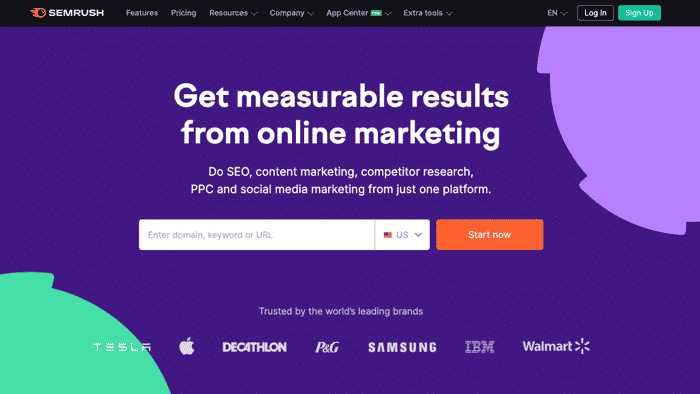
For users seeking a comprehensive ecosystem with significantly broader data reserves than Moz, Semrush stands out as the industry standard. Operating over 55 distinct analytical tools, Semrush supports advanced competitor intelligence, keyword research, rank tracking, technical audits, and paid advertising (PPC) analysis.

- Data Scale: Semrush boasts a database exceeding 24 billion keywords, 142 geo-locations, and a staggering backlink index containing over 43 trillion historical links.
- Traffic Analytics: Unlike Moz, Semrush features a robust Traffic Analytics suite that estimates desktop and mobile traffic across any domain, allowing marketers to reverse-engineer competitor marketing channels (organic, paid, referral, and social) in bulk.
- Rank Tracking & Audits: Semrush offers hyper-localized position tracking down to the zip-code level. Its Site Audit tool enables side-by-side historical comparisons, making it easy to track technical improvements over time.
2. Mangools: The User-Friendly and Affordable Choice
For practitioners who find enterprise-grade tools overwhelming or prohibitively expensive, Mangools offers an exceptionally intuitive 5-in-one toolset. Favored by brands like Airbnb and Adidas for its polished user interface, Mangools covers core SEO fundamentals without sacrificing data quality.

- Core Components: KWFinder (keyword research), SERPWatcher (rank tracking), SERPChecker (SERP analysis), LinkMiner (backlink analysis powered by Majestic metrics), and SiteProfiler.
- Value Proposition: It bridges the gap between deep data access and low learning curves, making it an ideal entry point for beginners and growing agencies.
3. Ubersuggest: The Accessible Free Alternative
For bootstrapped startups and solo entrepreneurs operating on zero software budgets, Ubersuggest provides a viable entry-level solution.

- Capabilities: Although free tier searches are capped (limiting users to 100 keyword results per query), the platform delivers basic keyword suggestions, content ideas, backlink data, and introductory site audits.
- Scalability: For organizations that eventually outgrow the free tier, Ubersuggest offers cost-effective paid plans and lifetime access models.
Single-Purpose Alternatives: Best-in-Class Specialized Tools
If your workflow does not require an all-in-one suite, investing in specialized software can yield higher precision for specific tasks.

Backlink Analysis: Ahrefs Site Explorer
Ahrefs operates the second most active web crawler on the internet after Google, giving it an industry-leading index of live backlinks.

- Use Case: Link prospectors, outreach specialists, and enterprise brands leverage Ahrefs Site Explorer to uncover referring domains, analyze anchor text distributions, track broken link profiles, and execute comprehensive content gap analyses.
Rank Tracking: AccuRanker
For agencies managing thousands of volatile keyword rankings, traditional trackers can be sluggish. AccuRanker is an on-demand, cloud-based rank tracker built for speed and precision.

- Use Case: Real-time data updates, granular geo-location tracking, and deep integrations that correlate ranking shifts directly with organic traffic and conversion metrics.
Technical Audits: Screaming Frog & Sitebulb
- Screaming Frog SEO Spider: A desktop-based crawler that acts as a Swiss Army knife for technical SEOs. It rapidly extracts on-page data, checks indexation directives, flags broken links, and analyzes site architecture at scale.
- Sitebulb: An alternative desktop auditor that prioritizes visual clarity. Utilizing color-coded graphs and intuitive diagnostic hints, Sitebulb is exceptionally well-suited for professionals who need clear, actionable remediation steps without sifting through raw spreadsheets.
Content Analysis: Surfer SEO
Modern SEO requires more than just keyword placement; it demands semantic depth. Surfer SEO evaluates top-ranking SERP competitors to generate data-driven content editors.

- Use Case: Optimizing legacy blog posts, building granular content briefs for freelance writers, and ensuring semantic term coverage via direct integrations with Google Docs.
Local SEO: BrightLocal
While Moz offers commendable local citation tools, BrightLocal remains a specialized titan in local search marketing.

- Use Case: Building and cleaning up local citations, managing online reputation and reviews, auditing Google Business Profiles (formerly GMB), and tracking hyper-local map pack rankings.
Future Outlook: The Trajectory of SEO Software
As search engines increasingly incorporate artificial intelligence, zero-click search features, and personalized result pages, the role of SEO software is evolving rapidly.

- AI-Driven Content Optimization: Future SEO toolsets will move beyond static keyword density and semantic term checklists, integrating generative AI to predict user intent shifts and automate content structuring at scale.
- Consolidation vs. Specialization: The market will likely continue to polarize. On one end, all-in-one platforms like Semrush will expand their cross-channel analytics (merging SEO, PPC, social media, and CRM data). On the other, hyper-focused utilities will win over practitioners by offering unmatched speed and niche data accuracy.
- Real-Time Data Demands: As algorithmic updates occur with greater frequency, historical batch-processing of rankings and technical audits will give way to instantaneous, API-driven monitoring systems.
Conclusion
Deciding whether to stick with Moz or migrate to an alternative depends entirely on your operational scope, budget, and strategic priorities.

- If you need an enterprise-grade, all-in-one ecosystem with massive data reserves that match or exceed Moz, Semrush is the definitive upgrade.
- If you require streamlined usability without steep subscription costs, Mangools or Ubersuggest offer fantastic value.
- If your workflow demands surgical precision in a single discipline—such as backlink intelligence via Ahrefs, technical crawling via Screaming Frog, or on-page optimization via Surfer SEO—building a custom stack of specialized tools will maximize your return on investment.
Evaluate your current bottlenecks, take advantage of available free trials, and choose the platform that best aligns with your long-term organic growth goals.