

Executive Overview
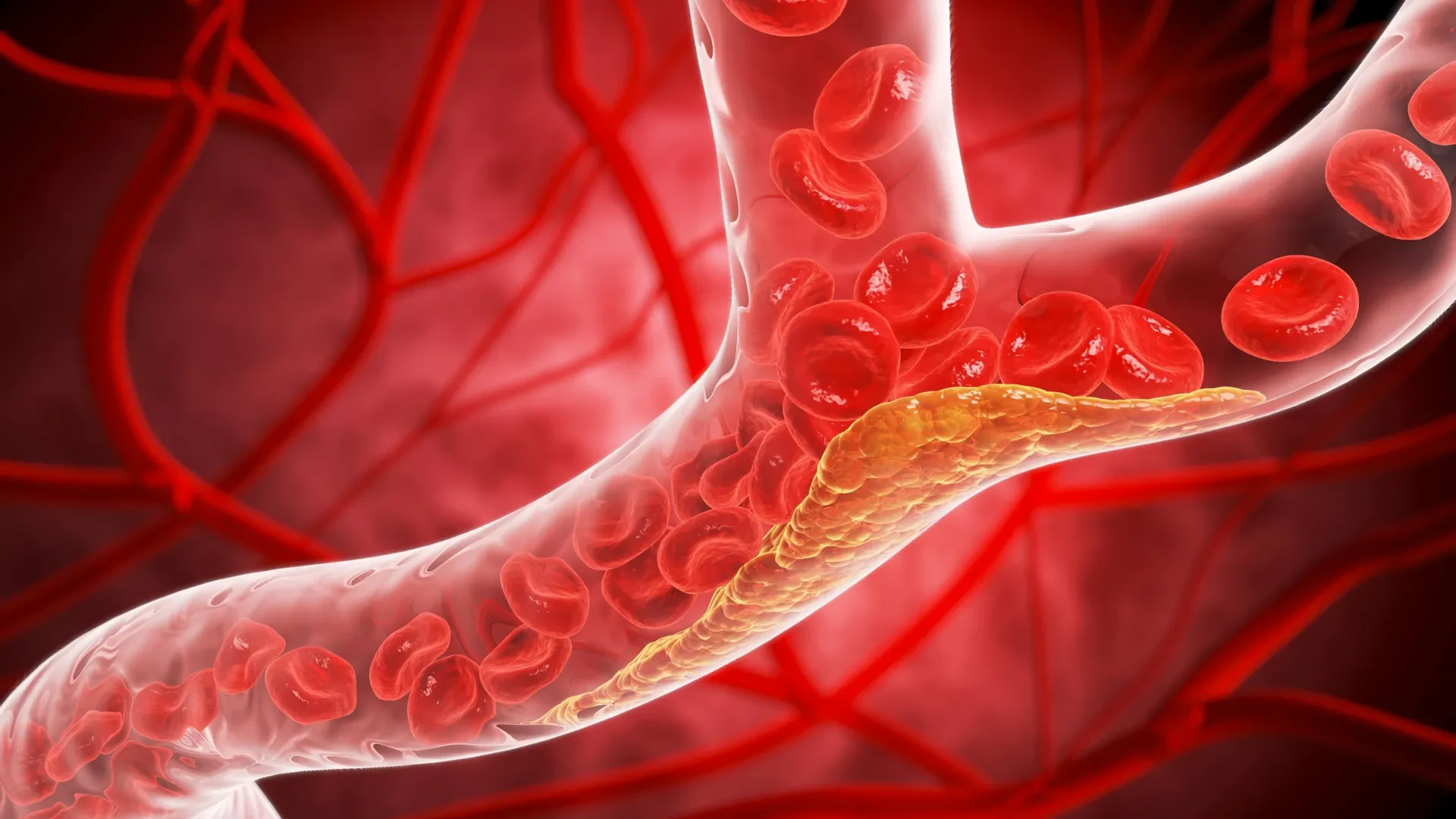
Atherosclerosis—the insidious, progressive accumulation of fibro-fatty plaque within arterial walls that underpins the vast majority of cardiovascular diseases—has long been conceptualized as a late-life phenomenon. For decades, modern medicine has diagnosed and managed this silent killer reactively, or at best, probabilistically, relying on statistical risk scores derived from serum cholesterol levels, blood pressure measurements, and smoking histories.
However, findings from the first phase of the REACT (Researching Atherosclerosis across Adult Life) study, presented at the ESC Congress 2026 and published simultaneously in The New England Journal of Medicine, threaten to upend this long-standing clinical paradigm.
The largest international investigation of its kind to date has revealed that subclinical atherosclerosis is not only present in a staggering proportion of asymptomatic adults, but it also develops far earlier in life than previously understood. Examining over 16,000 apparently healthy participants aged 18 to 70 across Denmark and Spain, researchers detected atherosclerotic plaques in 57.1% of the cohort. Most alarmingly, roughly 1 in 13 young adults aged 18 to 29 exhibited demonstrable arterial plaque in at least one vascular bed.
Spearheaded by an international consortium—led by Professor Henning Bundgaard of Rigshospitalet in Copenhagen and Dr. Borja Ibáñez of the Centro Nacional de Investigaciones Cardiovasculares (CNIC) in Spain—the REACT project is backed by up to €23 million in funding from the Novo Nordisk Foundation. The study’s overarching ambition is to transition cardiovascular medicine from a game of statistical probability to a precise, image-guided discipline capable of identifying and treating structural arterial disease decades before a heart attack, stroke, or sudden cardiac death occurs.
Detailed Chronology and Study Architecture
To fully grasp the magnitude of the REACT revelations, it is necessary to examine the architecture of the trial and its intellectual lineage. The project builds directly upon the foundational discoveries of the earlier PESA-CNIC-Santander study, championed by Dr. Valentin Fuster, General Director of CNIC and a key collaborator in REACT. While PESA demonstrated the high prevalence of subclinical atherosclerosis in middle-aged populations and linked it to lifestyle factors, REACT was designed to cast a much wider developmental net—capturing the emergence of arterial disease in early adulthood and tracking its trajectory across the human lifespan.
Phase 1: REACT-DETECT (2024–Present)
The current data stem from the first phase of the initiative, dubbed REACT-DETECT. Commencing in 2024, the study enrolled 16,808 meticulously screened participants aged 18 to 70 residing in Denmark and Spain who had no documented history of cardiovascular disease.
To map the exact topography of subclinical disease, every participant underwent a rigorous diagnostic battery:
- Advanced Vascular Imaging: High-resolution scans mapped three major vascular territories—the carotid arteries in the neck, the femoral arteries in the lower limbs, and the coronary arteries supplying the heart muscle.
- Biomarker Profiling & Omics: Comprehensive blood draws were analyzed for cardiovascular risk biomarkers and multi-omic signatures.
- Microvascular Evaluation: Specialized retinal imaging was integrated to assess microvascular health correlates.
Phase 2: REACT-PROTECT (Planned 2027–2032)
Pending continued funding, the second phase of the eight-year project—REACT-PROTECT—will transition from observational mapping to interventional proof. Scheduled to run from 2027 through 2032, this phase will launch a massive randomized clinical trial. Its goal is to test whether an imaging-guided, precision-medicine prevention strategy can actively halt, regress, or slow the systemic progression of atherosclerosis, ultimately reducing clinical endpoints like myocardial infarction and stroke more effectively than standard care.
Supporting Context & Metrics: The Anatomy of Silent Disease
Cardiovascular disease remains the world’s leading cause of mortality, claiming nearly 20 million lives annually, with atherosclerosis acting as the primary mechanical driver. Yet, the condition’s pathology is notoriously stealthy. Plaque builds silently inside the arterial architecture for decades without eliciting symptoms, leaving patients vulnerable to sudden, catastrophic clinical events.
The REACT-DETECT dataset provides the most granular map of this silent progression ever assembled. The prevalence metrics reveal a sobering trajectory across the decades:
- Ages 18–29: Approximately 7.7% (1 in 13) of participants already exhibited detectable atherosclerotic plaques in at least one vascular bed.
- Middle Decades: Prevalence scaled steeply with advancing age, crossing major thresholds as cohorts transitioned through their forties and fifties.
- Ages 60–70: Approximately 90% (9 in 10) of participants in this age bracket showed definitive evidence of atherosclerosis.
The Diagnostic Trap of Conventional Risk Scores
One of the study’s most disruptive takeaways involves the inadequacy of traditional risk-estimation models. Established clinical tools, such as the SCORE2 algorithm, captured only a minor fraction of individuals who harbored structural plaque.
This exposes a profound clinical blind spot: millions of individuals walk through life categorized as "low risk" by conventional calculators—relying on baseline measures of blood pressure, serum lipids, and smoking status—while plaque quietly accumulates in their arteries.
The Ultrasound Breakthrough
Logistically, screening millions of asymptomatic young adults with cardiac CT scans or invasive angiographies is neither economically feasible nor clinically practical due to radiation exposure and resource constraints. However, REACT uncovered a vital anatomical correlation that could democratize screening: most participants with coronary atherosclerosis also displayed plaque in the carotid or femoral arteries.
Because the carotid and femoral vessels are easily accessible via superficial ultrasound, this anatomical overlap opens the door to a low-cost, non-invasive, radiation-free screening protocol. The study envisions a future where portable ultrasound devices, operable by general healthcare professionals during routine check-ups, become the standard diagnostic frontline.
Sexual Dimorphism in Atherosclerosis
The data also illuminated distinct sexual divergences in how atherosclerosis manifests across the human lifespan:
- Male Cohorts: Plaque formation began accelerating at younger ages, with the overall disease timeline tracking roughly 5 to 10 years ahead of female patterns.
- Female Cohorts: Women experienced their sharpest acceleration in plaque accumulation between the ages of 40 and 60—a window that directly mirrors the menopausal transition, underscoring the interplay between hormonal shifts and vascular health.
Official Statements and Expert Perspectives
The publication of the REACT findings has drawn widespread acclaim from the international cardiovascular community, framing the research as a historic inflection point for preventive medicine.
"The vision of REACT is to transform primary cardiovascular prevention through a precision medicine approach based on the early identification of atherosclerosis. Until now, preventive decisions have been based on an estimate of risk, but we did not know whether the disease was already present. REACT shows that atherosclerosis can be detected decades before clinical manifestations appear and provides the most comprehensive atlas of the evolution of the disease across adult life."
— Professor Henning Bundgaard, Professor of Cardiology, Rigshospitalet (Copenhagen)"The REACT study is based on a simple but revolutionary idea: moving from the current model, which estimates the probability of cardiovascular disease on the basis of traditional risk factors… towards a new paradigm in which the disease is detected directly through imaging before it causes symptoms. In this model, preventive interventions and the treatment of risk factors could be guided by the actual presence of silent atherosclerosis rather than relying solely on an indirect estimate of risk."
— Dr. Borja Ibáñez, Scientific Director of CNIC and Cardiologist at Hospital Universitario Fundación Jiménez Díaz
Emphasizing the foundational work that paved the way for REACT, Dr. Valentin Fuster underscored the ultimate therapeutic objective of the research:
"PESA has shown us that atherosclerotic disease is present in many middle-aged people and is associated with lifestyle patterns. In REACT, we wanted to investigate how it emerges at much younger ages. For years, we have proposed that early intervention in atherosclerosis could not only prevent its progression but might even make it possible to cure the disease. REACT will answer this question."
— Dr. Valentin Fuster, General Director, CNIC
Future Outlook: Global Expansion and the Precision Medicine Horizon
As the medical community digests the implications of the REACT-DETECT data, the consortium is already moving to ensure the findings are universally applicable. Recognizing that genetic, dietary, and environmental variables influence vascular health differently across the globe, the research team has initiated strategic international partnerships.
"REACT is expanding its impact around the world. We have established close collaborations with India, Singapore, Tanzania, and Mexico to validate these results in populations across the globe."
— Dr. Borja Ibáñez
The Road to 2032
The ultimate test of the REACT initiative lies in its upcoming second phase. If funded, the planned randomized clinical trials will determine whether intervening therapeutically based on direct imaging evidence—rather than waiting for risk scores to cross arbitrary clinical thresholds—can alter the natural history of vascular disease.
If successful, the implications will reach far beyond cardiology clinics. By shifting the paradigm from managing late-stage vascular catastrophes to treating early-stage structural anomalies in young adults, medicine may finally possess the tools required to neutralize the world’s leading cause of death before it ever strikes.