

Executive Overview
In a significant advance for hepatology and molecular medicine, researchers co-led by Cedars-Sinai Health Sciences University have identified a critical biological mechanism that may protect the human liver from catastrophic damage during the progression of metabolic dysfunction-associated steatotic liver disease (MASLD). Published in the prestigious journal Nature Metabolism, this preclinical study sheds light on how a specific enzyme—known as UBE2N—acts as a molecular guardian for liver cells, mitigating the severe inflammation, cellular injury, and scarring characteristic of advanced liver pathologies.
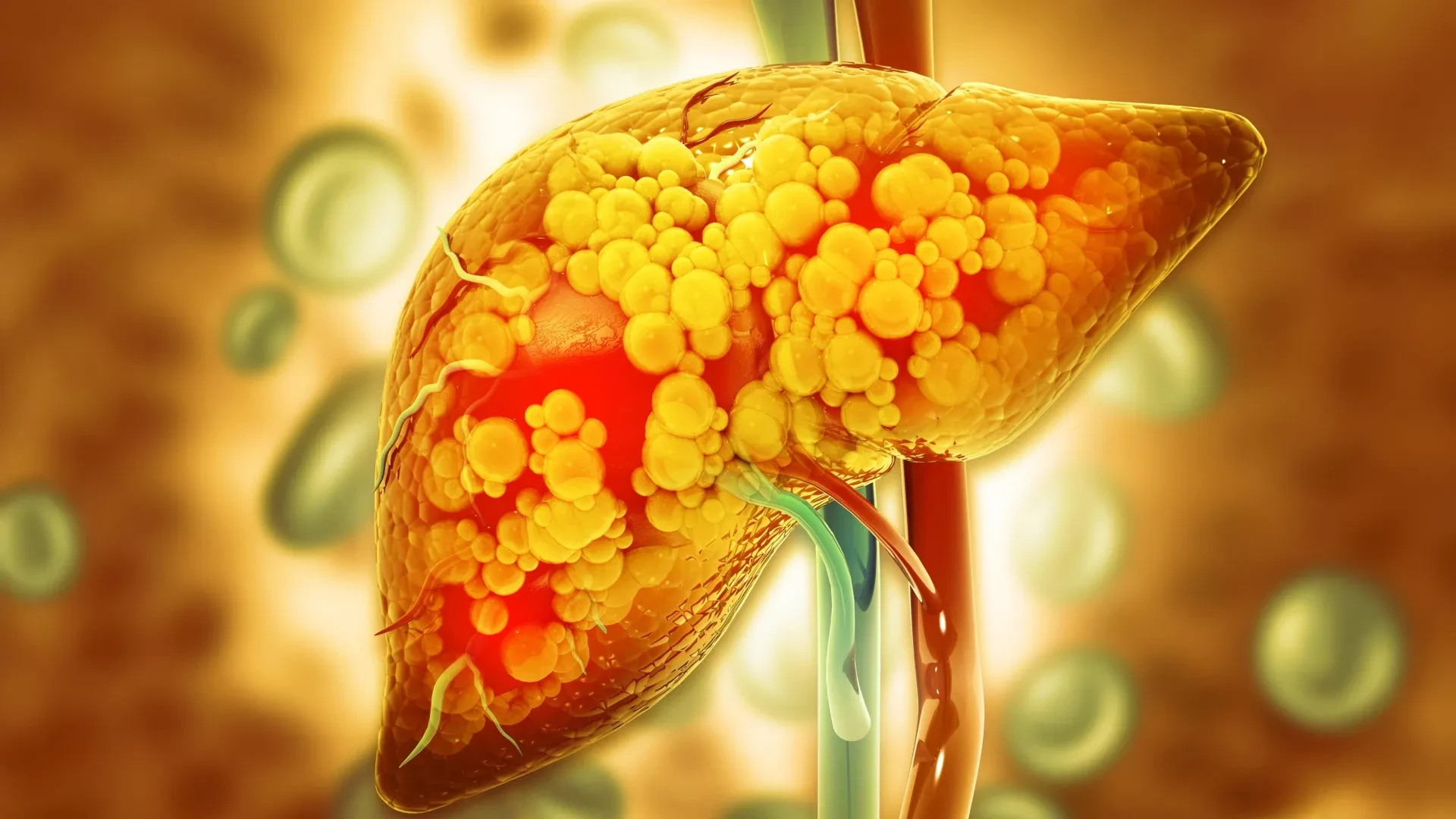
MASLD, formerly designated as nonalcoholic fatty liver disease (NAFLD), has emerged as a staggering global public health crisis. In the United States alone, an estimated 100 million individuals live with the condition, which is frequently linked to metabolic syndrome, obesity, and type 2 diabetes. While early-stage MASLD is often characterized by simple steatosis—the benign accumulation of fat within liver cells—between 20% and 25% of affected individuals progress to a far more dangerous and volatile state: metabolic dysfunction-associated steatohepatitis (MASH).
MASH represents a severe, inflammatory escalation of fatty liver disease. In this stage, lipid accumulation is accompanied by chronic inflammation, progressive hepatocyte (liver cell) injury, and extensive fibrosis, or scarring. Over time, unchecked MASH can precipitate cirrhosis, hepatocellular carcinoma, and total liver failure, leaving transplantation as the only definitive remedy for end-stage patients.
Despite the staggering prevalence of these conditions, clinical management remains severely constrained. Modern interventions rely heavily on aggressive lifestyle modification, weight management, and therapies directed at mitigating secondary complications, yet there is currently no definitive cure for MASH, and pharmaceutical options remain limited. The identification of UBE2N as a crucial regulator of mitochondrial health and lipid metabolism opens a promising new frontier in drug development. By demonstrating that the targeted restoration of UBE2N can successfully suppress fat accumulation, inflammation, and fibrogenesis in preclinical models, this landmark study offers a beacon of hope for halting the relentless progression of advanced liver disease before irreversible damage occurs.
Detailed Chronology of the Discovery
The journey toward identifying the protective role of UBE2N in liver disease spanned multiple institutions, combining advanced cellular biology, cutting-edge genetic analysis, and rigorous preclinical modeling.
Phase I: Uncovering the Mitochondrial Link
For years, hepatologists and molecular biologists have recognized that cellular energy powerhouses—mitochondria—play a central role in the pathogenesis of MASH. In healthy liver tissue, mitochondria efficiently process lipids and generate adenosine triphosphate (ATP) to sustain cellular function. However, under conditions of chronic metabolic stress, these organelles become structurally and functionally impaired.
Damaged mitochondria lose their efficiency, leak reactive oxygen species (ROS), and trigger apoptotic pathways that destroy liver cells while exacerbating localized inflammation. Recognizing that mitochondrial dysfunction is a primary driver of MASH progression, the research team set out to identify the regulatory proteins responsible for maintaining mitochondrial quality control in the liver.
Phase II: The Decline of UBE2N in Disease Progression
Through comprehensive transcriptomic and proteomic profiling across human tissue samples and murine models, the researchers tracked how various protein levels shift as steatotic liver disease advances. A striking pattern emerged regarding the ubiquitin-conjugating enzyme E2 N, commonly known as UBE2N.
The data revealed a direct inverse correlation between UBE2N expression and the severity of liver disease. In healthy livers, UBE2N is abundantly expressed, maintaining cellular homeostasis and metabolic regulation. However, as subjects transitioned from simple steatosis to MASH, levels of the UBE2N enzyme in hepatocytes declined precipitously.
This downregulation of UBE2N appeared to compromise the cell’s internal maintenance systems. Without adequate levels of the enzyme, damaged mitochondria accumulated within the hepatocytes, unhindered by normal clearance mechanisms. The resulting cellular stress accelerated lipid deposition, triggered inflammatory cascades, and drove the fibrotic scarring that defines clinical MASH.
Phase III: Preclinical Intervention and Validation
Having established the pathological consequences of UBE2N depletion, the multi-center research team moved to test a pivotal hypothesis: could artificially restoring UBE2N levels reverse or halt the destructive trajectory of the disease?
Using specialized laboratory mouse models engineered to replicate the pathological features of human MASH, the investigators deployed targeted genetic and molecular techniques to restore UBE2N expression to normal, baseline levels within the liver tissue.
The results of the intervention were both immediate and pronounced. Upon the restoration of UBE2N, histological examination of the liver tissue revealed marked reductions in lipid accumulation. Furthermore, markers of systemic and local inflammation dropped significantly, and the development of fibrotic tissue—the hallmark of irreversible scarring—was successfully curtailed. By re-establishing adequate levels of the enzyme, the researchers effectively reactivated the liver’s intrinsic cellular defense systems, shielding the tissue from the cascading injuries that typically define MASH.
Supporting Context & Metrics: The Scale of the MASLD and MASH Epidemic
To fully appreciate the clinical significance of the Cedars-Sinai discovery, it is essential to examine the epidemiological landscape of metabolic liver diseases, the biological complexities of cellular degradation, and the economic burden these conditions impose on modern healthcare systems.
Epidemiological Burden in the United States and Globally
The numbers associated with metabolic dysfunction-associated steatotic liver disease are staggering. According to data compiled by the American Liver Foundation and public health agencies:
- 100 Million Americans: Approximately one-third of the United States population is currently estimated to live with MASLD. This figure mirrors global trends, where the rise in obesity, sedentary lifestyles, and metabolic syndrome has fueled an exponential growth in fatty liver diagnoses.
- The 20% to 25% Threshold: While MASLD can remain quiescent for years, approximately one in four individuals with simple steatosis will progress to MASH. This transition represents a critical clinical tipping point, shifting the condition from a manageable metabolic disorder to an aggressive, destructive inflammatory disease.
- The Silent Epidemic: Both MASLD and MASH are frequently described as "silent diseases" because they typically present with few, if any, symptoms in their early stages. Patients may experience fatigue or mild discomfort in the upper right abdomen, but severe clinical manifestations often do not appear until advanced cirrhosis or liver failure has already set in.
The Cellular Mechanics: Mitochondria, Ubiquitination, and Autophagy
At the heart of the Nature Metabolism study is the intricate dance of cellular housekeeping, specifically a process known as mitophagy—the selective degradation of damaged mitochondria by autophagy.
Cells rely on ubiquitin-conjugating enzymes like UBE2N to tag damaged proteins and organelles with molecular "flags" that signal the cellular recycling machinery to come and clear them away. When UBE2N levels decline in the liver, this tagging system breaks down. Damaged mitochondria are left to linger inside hepatocytes, where they leak oxidative toxins, disrupt lipid oxidation pathways, and stimulate hepatic stellate cells to produce excess collagen, resulting in scar tissue.
By demonstrating that UBE2N regulates both mitochondrial clearance and lipid catabolism (the breakdown of fats), the research team has pinpointed a master regulator of metabolic homeostasis in the liver. When UBE2N functions properly, it prevents the cellular clutter and oxidative stress that ignite inflammation; when it fails, the liver becomes defenseless against metabolic injury.
Official Statements and Expert Perspectives
The collaborative nature of this international study brought together leading minds in gastroenterology, hepatology, and molecular medicine. The principal investigators emphasized both the scientific novelty of the findings and their long-term translational potential for patient care.
Dr. Ekihiro Seki, MD, PhD, professor of Medicine and Biomedical Sciences at Cedars-Sinai and co-corresponding author of the study, highlighted the direct protective role of the enzyme in cellular preservation:
"The UBE2N enzyme appears to protect the liver from the inflammation and damage associated with MASH by helping remove damaged mitochondria and supporting the breakdown of fat. When levels of the enzyme fell, we saw more damaged cells and injury to the liver."
Dr. Seki’s remarks underscore the shift in modern therapeutic philosophy: rather than merely treating the systemic symptoms of metabolic syndrome, future interventions may directly bolster the liver’s native intracellular defense mechanisms.
Echoing these sentiments, Dr. Shelly Lu, MD, the Women’s Guild Chair in Gastroenterology and director of the Karsh Division of Gastroenterology and Hepatology at Cedars-Sinai, emphasized the broader implications for the field of hepatology:
"The identification of this enzyme’s role in regulating mitochondria in the liver is an important advance in understanding steatotic liver disease. Future studies can test whether enhancing this protective pathway can complement existing treatments, identify patients most likely to benefit and lead to new therapeutic approaches for preventing advanced disease."
Dr. Lu’s vision points toward a future of precision medicine in liver care, where clinicians might one day measure UBE2N levels in patients to gauge disease severity, predict progression risks, and deploy targeted therapies designed to boost or mimic the enzyme’s protective effects.
Future Outlook and Clinical Implications
As researchers transition from preclinical validation to translational development, the roadmap for turning these findings into approved human therapies involves several critical phases.
1. Drug Discovery and Therapeutic Development
The primary objective for pharmaceutical development will be designing small-molecule activators, gene therapies, or biologic agents capable of safely elevating or sustaining UBE2N activity specifically within human hepatocytes. Because UBE2N plays roles in various biological systems throughout the body, any targeted therapy must be carefully engineered to avoid off-target effects while maximizing hepatic bioavailability.
2. Combination Therapies in MASH
As Dr. Lu noted, enhancing the UBE2N protective pathway may not necessarily replace current therapeutic strategies; rather, it could serve as a powerful combinatorial approach. Modern MASH treatments often focus on metabolic pathways, thyroid hormone receptors, or farnesoid X receptors. Pairing these systemic metabolic regulators with a targeted mitochondrial-protection agent like a UBE2N enhancer could yield synergistic benefits, simultaneously addressing whole-body metabolism and intracellular liver health.
3. Biomarker Discovery and Patient Stratification
Another vital avenue for future clinical research involves the development of non-invasive biomarkers. Currently, diagnosing MASH and staging liver fibrosis often requires an invasive liver biopsy. If clinical studies confirm that circulating UBE2N levels or associated mitochondrial breakdown products reflect disease progression in humans, clinicians could utilize blood tests or advanced imaging to monitor patients, identify early decliners, and intervene long before cirrhosis develops.
4. Collaborative Global Research
The breadth of support and authorship behind the Nature Metabolism paper highlights the global commitment to solving the MASH crisis. The study was supported by grants from the National Institutes of Health (NIH), the National Research Foundation of Korea, the National Natural Science Foundation of China, and specialized research awards from the American Association for the Study of Liver Diseases (AASLD). This international synergy ensures that subsequent phases of research will benefit from diverse clinical perspectives, extensive data pooling, and accelerated translational pipelines.
Summary of Author Contributions and Institutional Support
Alongside co-corresponding authors from Cedars-Sinai—including detailed contributions from Michitaka Matsuda, So Yeon Kim, Takashi Tsuchiya, and Yoon Seok Roh—the study featured a robust team of international collaborators, including Feng Wang, Jin Lee, Jeong-Su Park, Meizhou Huang, Hwan Ma, Guoyan Sui, Zixiong Zhou, Xufeng Wu, Haram Lee, Soohwan Oh, Hanseul Park, Key-Hwan Lim, Chun-Woong Park, Sang-Bae Han, Jin Tae Hong, and Michael Karin.
Financial backing for the initiative was secured through:
- The National Research Foundation of Korea (grant nos. RS-2025-02273102 and RS-2025-02603096)
- The Regional Innovation System & Education (RISE) programme of Chungbuk (grant no. 2025-RISE-11-014-03)
- The Pinnacle Research Award of the American Association for the Study of Liver Diseases (AASLD) (awarded to J.L.)
- The San Diego Digestive Diseases Research Center (SDDRC) Pilot/Feasibility Grant (NIDDK P30 DK120515, awarded to J.L.)
- The National Institutes of Health (NIH) (grant nos. R01DK085252, R01DK138591, and R01CA301632)
- The National Natural Science Foundation of China (grant no. 82404726)
Conclusion
The discovery of UBE2N’s protective role in metabolic dysfunction-associated steatotic liver disease marks a pivotal turning point in our understanding of how the liver fights back against metabolic injury. By connecting mitochondrial degradation and lipid dysregulation to the depletion of a single key enzyme, researchers have unlocked a promising new therapeutic target for a disease affecting millions. While clinical trials and pharmaceutical development will take time, the insights published in Nature Metabolism lay a firm scientific foundation for future interventions capable of halting MASH in its tracks, preserving liver health, and changing the prognosis for patients worldwide.